Record the power-transfer symptom
We note when transfer stops, what the vehicle or charger shows, and which property loads were connected.
We trace charging faults that interrupt power moving between an electric vehicle and a property. Our electricians diagnose the electrical system before recommending repairs.
You get a fault-based repair path instead of a guess based only on a warning light.
Your home or business can identify whether the issue involves the charger, panel, wiring, or connected load.
You receive repair options after diagnosis, before work begins.
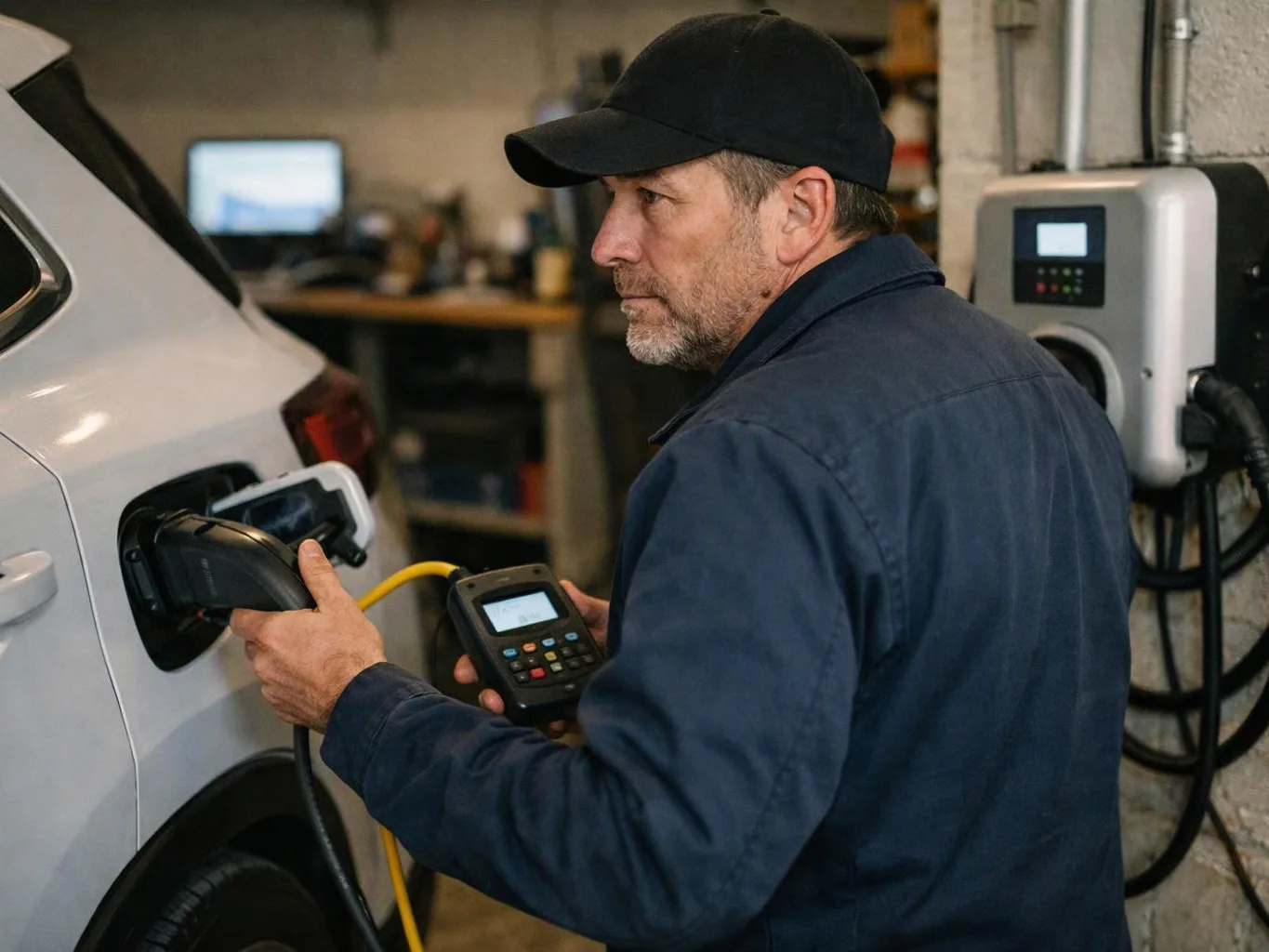
This service is for a bidirectional charging system that connects an electric vehicle with a home or commercial electrical system. We investigate failed power transfer, repeated disconnects, fault warnings, unstable backup power, and related circuit symptoms. Our electricians inspect the charger, wiring, panel connections, grounding, and protective devices that affect operation. We diagnose the issue before recommending repairs, so you know whether the problem sits in the charging equipment, the electrical supply, or the connected load. The key buyer decision is scope. A system that never transfers power needs a different inspection path from one that transfers power briefly and then stops. We use the symptom, system layout, and test results to define the work.
Bidirectional charging system troubleshooting is a diagnostic service that finds faults preventing power from moving between an electric vehicle and a property.
We note when transfer stops, what the vehicle or charger shows, and which property loads were connected.
We check the charger, wiring, panel connections, grounding, and protection devices tied to the bidirectional system.
We isolate the affected part of the electrical path and test the conditions linked to the reported failure.
We provide clear options based on the diagnosis, including any needed circuit repair, connection work, or equipment-related next step.
After approved work, we test the affected electrical path and confirm that the reported symptom has been addressed.
A few details help us focus the inspection on the fault you are seeing.
We diagnose the charger, circuit, panel, and connected load before recommending repairs for failed power transfer.
We inspect charging equipment, wiring, grounding paths, and electrical connections carefully during each troubleshooting visit.
We use those details with our inspection findings, not as a substitute for diagnosis.
Get a defined repair path for your bidirectional charging issue, and urgent requests get priority scheduling.
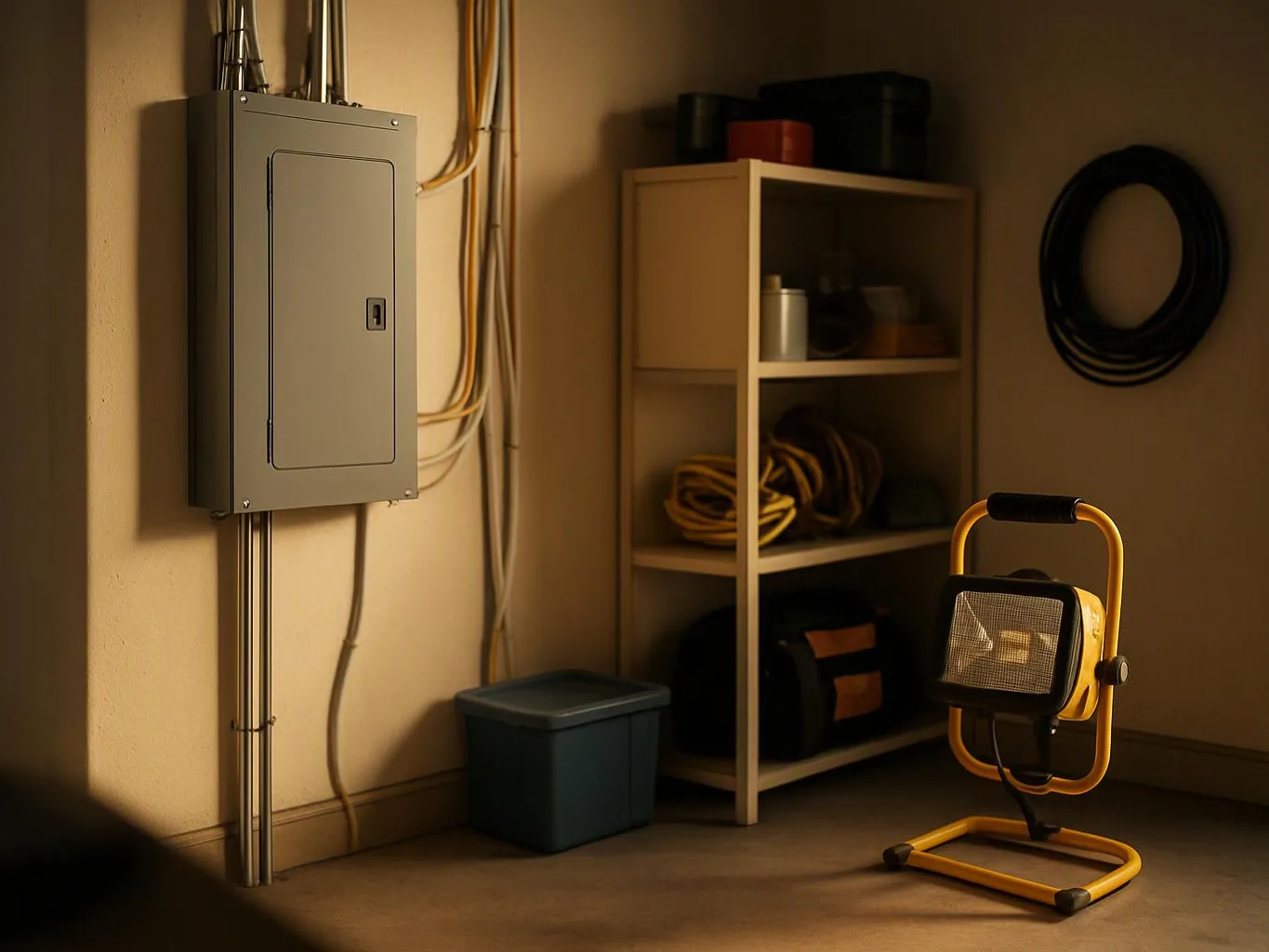
A home may receive power from the vehicle briefly, then lose transfer when a connected load starts. The important detail is whether the charger, panel, or circuit opens first. Keep the system accessible and record the load and warning shown. We can trace the power path and explain whether the repair involves wiring, protection, or charging equipment.
A vehicle that disconnects during bidirectional operation may have an unstable connection or a fault elsewhere in the circuit. Repeated resets can hide the pattern that helps diagnosis. Note when the disconnect occurs and preserve any displayed message. We inspect the equipment and related wiring before defining the repair scope for your Indianapolis property.
A business may lose expected backup power when bidirectional charging fails under a changing load. The inspection must account for the charger, service panel, connected circuits, and equipment access. Keep the affected area available and identify which loads were active. We diagnose the interruption and separate immediate electrical repairs from later system decisions.