Skip to content

Bidirectional Charging System Troubleshooting in Meridian Hills

Current sensors should be tested first when bidirectional charging becomes unstable in Meridian Hills. We trace related inverter, battery, relay, and grounding faults.

Licensed & InsuredWarranty AvailableSame-Day ServiceUpfront, Transparent Pricing

Quick Summary: Bidirectional Charging System Troubleshooting in Meridian Hills, Indiana

Bidirectional charging system troubleshooting in Meridian Hills is provided by GMB Electric for homes and businesses. The service checks unstable charging, current sensing, inverter control, battery management, grid relay operation, and grounding, with emergency electrical service available around the clock.

  • What we do: GMB Electric provides Bidirectional charging system troubleshooting for homes and businesses in Meridian Hills, Indiana.
  • What is included: Current sensor testing, power inverter checks, battery management checks, grid relay testing, grounding review, and circuit troubleshooting.
  • What you get: The charging system receives a clear fault diagnosis and a defined repair or next-step decision.

Why do current sensors cause unstable bidirectional charging?

Current sensors can report incorrect power flow when they are damaged, loose, poorly connected, or out of calibration. We test their readings against the system’s actual electrical behavior, then check the inverter and control path for related faults.

Supporting Clients Across Meridian Hills

Bidirectional charging system troubleshooting focuses on unstable power flow, fault alerts, failed transfer events, and charging that stops during operation. The work suits property owners who need to know whether the fault sits in the current sensors, power inverter, battery management, grid relay, or grounding system.

Customers need a diagnosis before choosing repair, replacement, or further testing. We isolate the affected circuit, inspect accessible connections, test system behavior, and explain the next step in plain language. This service does not replace utility-side outage work or unrelated vehicle repairs.

  • Identify whether the fault starts during charging, discharging, or grid transfer.
  • Check current sensor readings against the system’s observed power flow.
  • Inspect the power inverter and battery management connections.
  • Test the grid relay and grounding path for safe operation.
  • Explain whether repair, replacement, or further equipment review fits the findings.
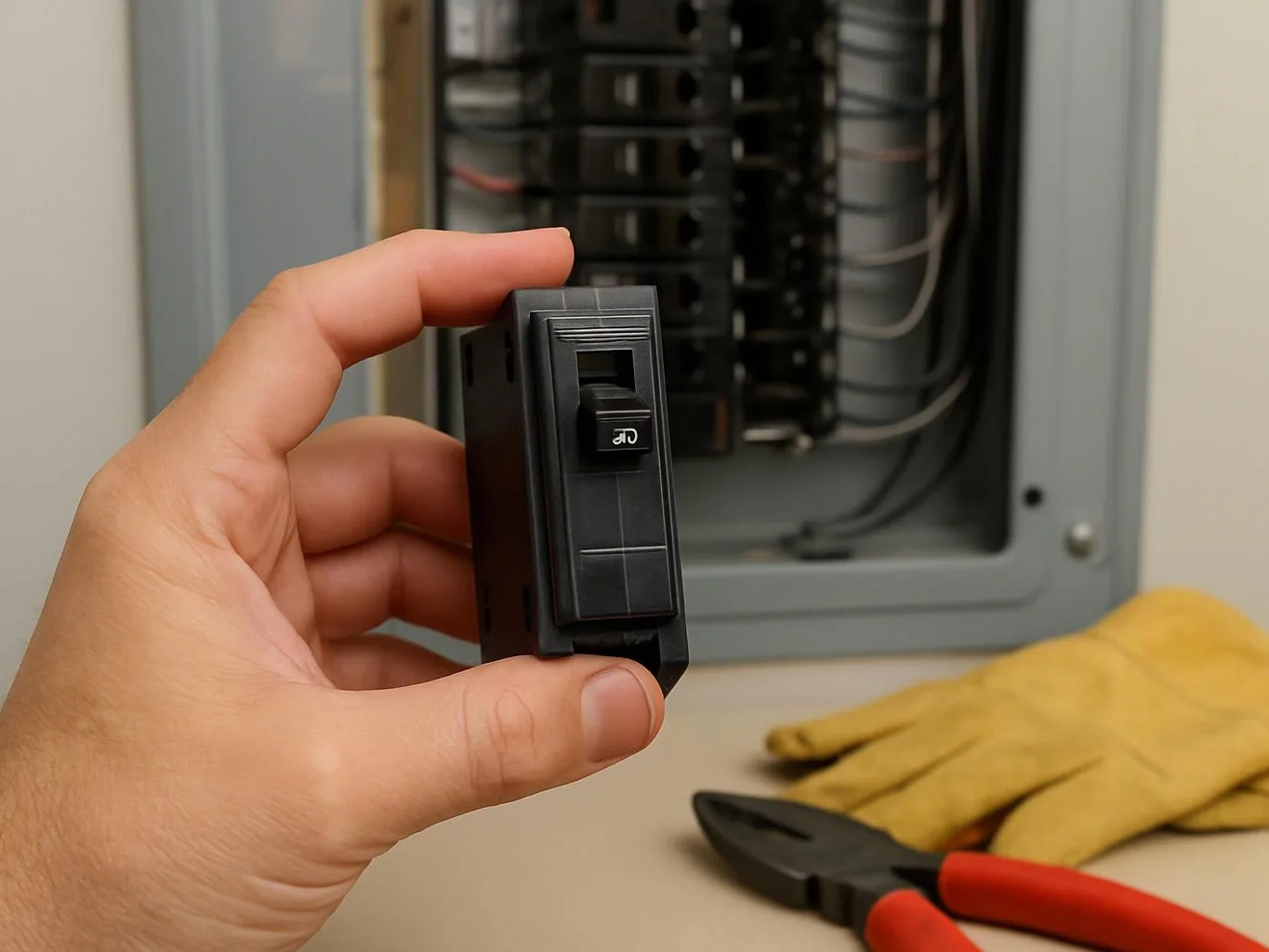
A gloved hand holds a rectangular air filter beside an open vehicle compartment with a cloth resting nearby

Service Overview

Bidirectional charging system troubleshooting is a diagnostic service that finds faults preventing safe power flow between an electric vehicle, a building, and the electrical system.

  • It differs from EV charging installation because we trace an unstable operating system instead of setting up a new charging circuit.
  • GMB Electric provides this troubleshooting service for homes and businesses in Meridian Hills.

A situation this service fits

A property owner in Meridian Hills may notice charging stops when the system changes between grid power and stored energy. We check the sensing path first, then trace the inverter, battery controls, relay, and grounding system. The diagnosis shows whether electrical repair is suitable or whether the vehicle or equipment maker needs to review the system.

What Our Troubleshooting Work Gives You

A component-level fault decision

Current sensor testing helps narrow the fault path before we discuss repair. Customers get a service decision based on observed readings and system behavior.

Electrical safety checks

We review the grounding path, relay operation, and accessible connections while diagnosing the charging problem. GMB Electric is licensed and insured for electrical work.

A clear service limit

This service fits electrical and charging-system faults. It is the wrong job for an internal vehicle battery defect or a utility outage outside the property.

Process

How We Trace an Unstable Charging System

1

Record the charging symptom

We review when the fault appears, whether charging or discharge is affected, and what warning appears on the equipment.

2

Inspect accessible electrical connections

We inspect the charging equipment, panel connections, control wiring, and visible signs of heat or damage.

3

Test the sensing path

We test current sensor readings and compare them with the system’s observed power flow.

4

Trace connected controls

We check the power inverter, battery management signals, grid relay, and grounding system when the fault path continues.

5

Explain the repair decision

We describe the diagnosed fault, the work it may require, and whether further vehicle or equipment-maker review is needed.

What Bidirectional Charging Troubleshooting Includes

GMB Electric provides comprehensive Bidirectional charging system troubleshooting in Meridian Hills. Here's what you get:

  • We inspect the charging equipment, accessible wiring, control connections, and related electrical circuits.
  • We test current sensor operation when power readings appear unstable or inconsistent.
  • We check the power inverter for fault conditions that affect charging or discharge control.
  • We review battery management signals and connections that influence system operation.
  • We test the grid relay and grounding system as part of the electrical fault path.
  • We document the diagnosed issue and explain the repair or follow-up decision.

What Stable Charging Troubleshooting Helps You Decide

A focused diagnosis helps separate a sensing fault from an inverter or control fault.

Testing reduces the risk of replacing a working component without checking the full circuit.

Grounding and relay checks address safety concerns during grid transfer and backup operation.

Property owners receive clear information before approving repair work or equipment changes.

Commercial customers gain a better basis for planning electrical access around business operations.

Charging Fault Areas We Compare During Testing

The suspected fault area guides the first test and the next repair decision.

Fault areaWhat we checkDecision it supports
Current sensingSensor readings, connections, and signal behaviorWhether the system is misreading power flow
Power conversionInverter fault signals and electrical connectionsWhether conversion or control hardware needs review
Power transferGrid relay action and grounding pathWhether transfer can be tested safely

The GMB Electric Standard

  • Urgent Assistance
  • Issue Diagnosis
  • Careful Inspection
  • Clear Options

Questions About Bidirectional Charging System Faults

Which components should be tested when bidirectional charging is unstable?

Current sensors should be tested first when bidirectional charging is unstable. We then check the power inverter, battery management, grid relay, and grounding system if the readings or system behavior still conflict. This sequence helps separate a sensing fault from a control, transfer, or safety-path fault.

How does a troubleshooting visit move from the first call to the last step?

The visit moves from symptom review to inspection, testing, fault tracing, and a repair decision. We ask when the problem occurs, inspect accessible equipment, test the affected circuits, and explain the findings. Customers should keep warning messages and equipment access available for the assessment.

Which part of the property decides the troubleshooting scope?

The electrical connection between the charging equipment, panel, building load, and grid interface decides the troubleshooting scope. We inspect access to those parts and trace how they interact during power transfer. A restricted panel or enclosed equipment area can require a different assessment plan.

Which material changes how long the troubleshooting work takes?

The wiring and connection materials affect testing access when they are damaged, enclosed, or difficult to trace. We inspect copper or aluminum conductors, terminals, conduit, and visible insulation as needed. Customers should not remove covers or alter wiring before the electrical assessment.

What should I do before requesting charging system troubleshooting?

Record the warning message and stop using equipment that shows heat, sparks, or damaged wiring. Keep the charging unit, electrical panel, and control equipment accessible for inspection. Photos of the display and recent electrical changes can help us understand the symptom before the visit.

When should an unstable charging system become an urgent electrical call?

A charging fault becomes urgent when you notice burning odors, buzzing, sparking, smoke, or visible heat at electrical equipment. Turn off use if it is safe and request emergency electrical service. We handle urgent electrical problems for homes and businesses around the clock.
Contact

Request a Bidirectional Charging Troubleshooting Assessment

Request a quote for the first diagnostic assessment, and urgent requests get priority scheduling.

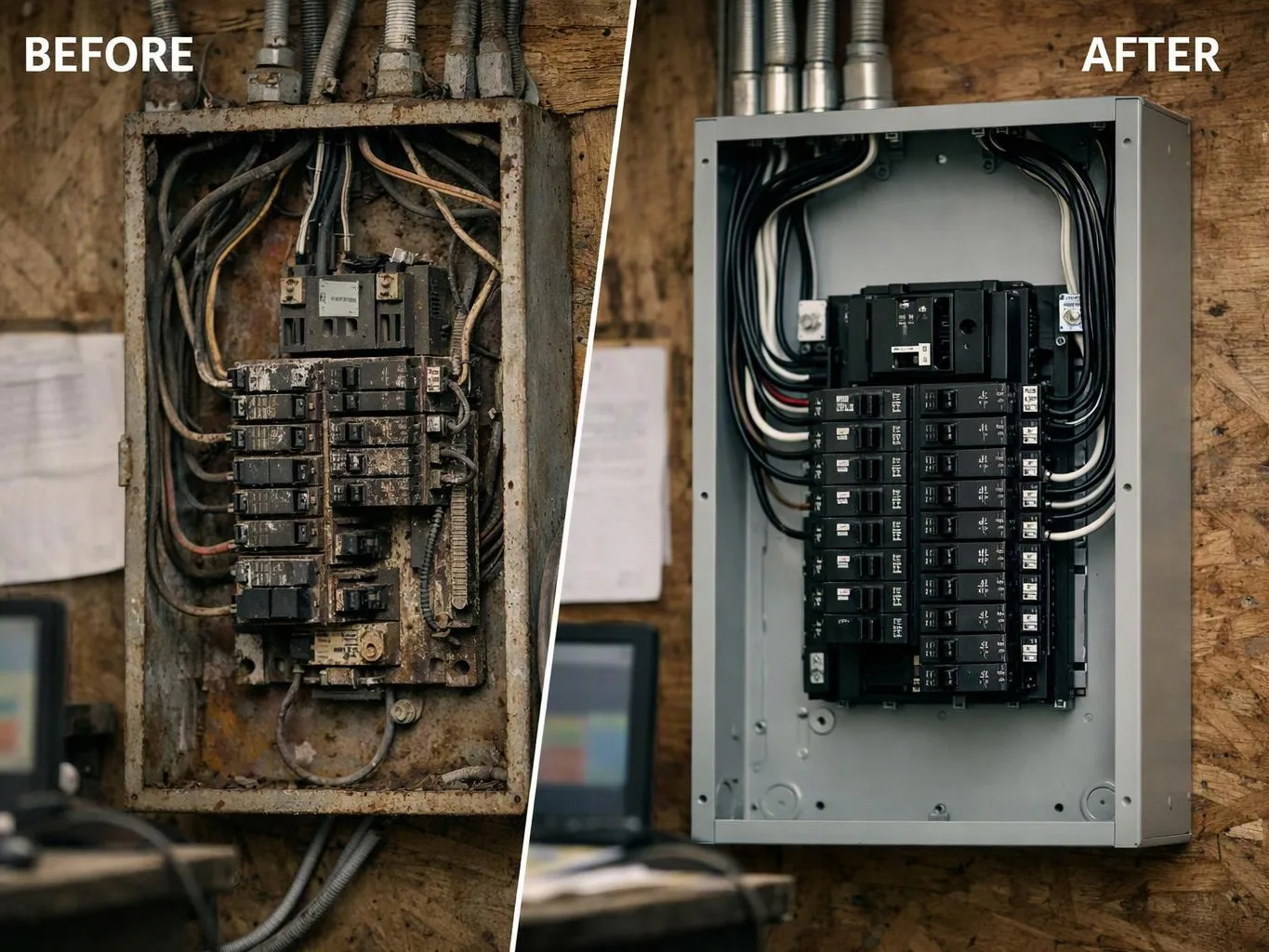
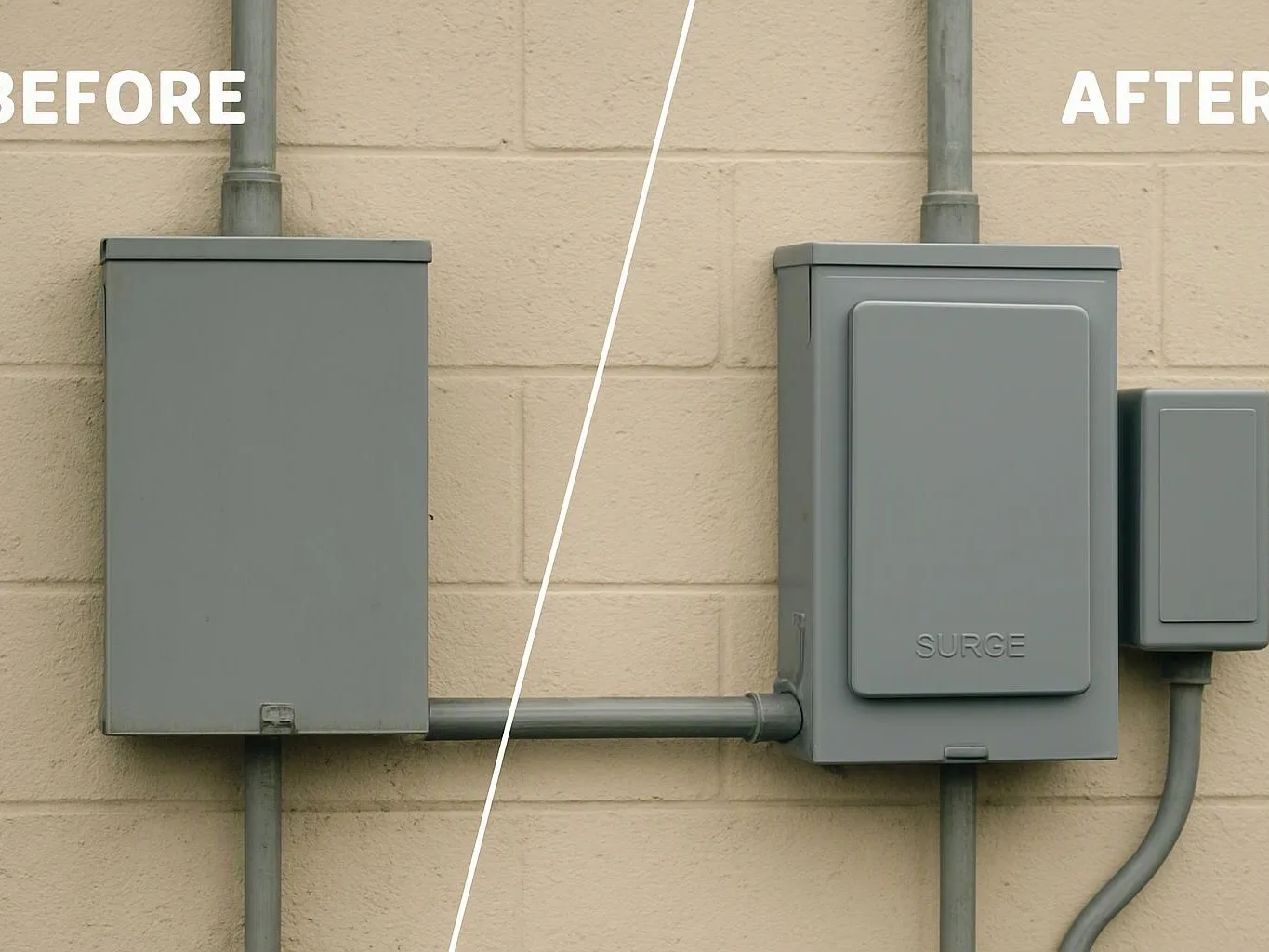
Split view shows a plain gray wall box before and a labeled surge box with conduit after

Bidirectional charging system troubleshooting in Other Areas

(317) 608-1220