Skip to content

Bidirectional Charging System Troubleshooting in Fortville, Indiana

Current sensors get checked first when bidirectional charging becomes unstable in Fortville. We trace their readings through the inverter, battery controls, and grid relay.

Licensed & InsuredWarranty AvailableSame-Day ServiceUpfront, Transparent Pricing

Quick Summary: Bidirectional charging system troubleshooting in Fortville, Indiana

Bidirectional charging system troubleshooting in Fortville is provided by GMB Electric for homes and businesses with unstable vehicle-to-home power. The service checks sensor signals, power flow, battery controls, relays, and grounding, with emergency electrical service available around the clock.

  • What we do: GMB Electric provides bidirectional charging system troubleshooting for Fortville, Indiana homes and businesses, including sensor, inverter, relay, battery control, and grounding checks.
  • What is included: We trace charging faults, test control signals, inspect electrical connections, and verify power flow through the charging system.
  • What you get: The customer receives a diagnosed charging fault and a defined repair or next-step decision.

Why do current sensors cause unstable bidirectional charging in Fortville, Indiana?

Current sensors can report the wrong power level when their wiring, connections, or signal path fails. That false reading can affect inverter control, battery charging, and grid relay operation. GMB Electric tests the sensor circuit and related parts to identify the fault before recommending repair.
Scope and Service Overview for Fortville

Bidirectional charging system troubleshooting focuses on unstable power exchange between an electric vehicle, its charger, the property, and the grid. The work suits homeowners, property managers, and businesses that see failed charging, unexpected shutdowns, incorrect power readings, or repeated system faults.

Current sensors are the lead check because their readings guide other controls. We compare sensor signals with actual circuit conditions, then follow the fault through the power inverter, battery management, grid relay, and grounding system.

This service helps you decide whether the issue needs a component repair, wiring correction, or a broader electrical assessment. A failed vehicle, charger, or utility connection may require a separate service path after our electrical checks.

  • Current sensor readings and wiring condition
  • Power inverter input and output behavior
  • Battery management control signals
  • Grid relay operation and connection points
  • Grounding system continuity and safety
  • The difference between a repairable fault and equipment outside the electrical scope
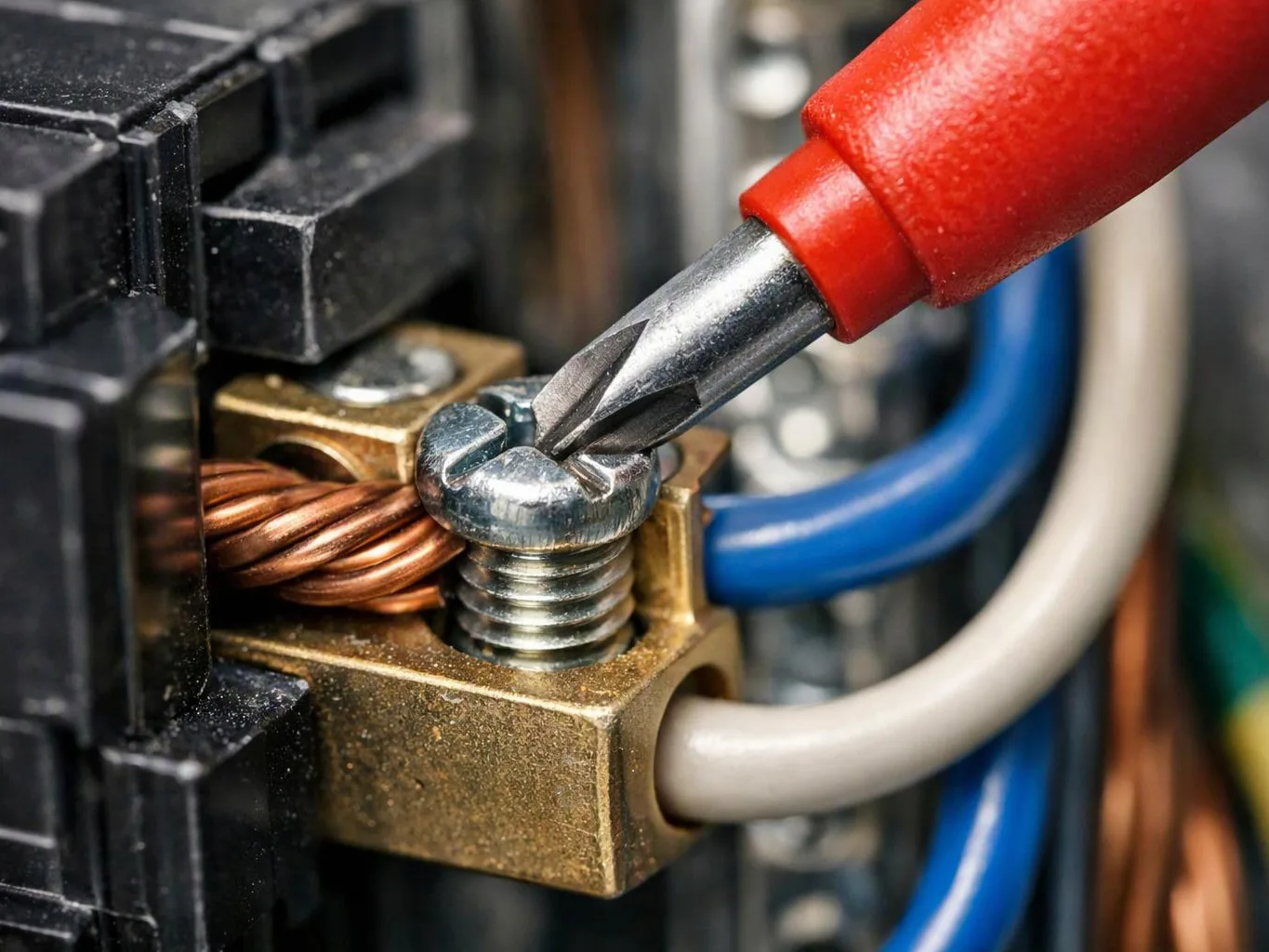
A screwdriver tightens a screw on a brass electrical terminal with copper and colored wires attached

Service Overview

Bidirectional charging system troubleshooting is a diagnostic service that finds faults in equipment that sends power in both directions.

  • The work checks charging controls and power flow, while a standard EV charging visit focuses on one-way power delivery.
  • GMB Electric provides this service for homes and businesses in Fortville.

What Stable Charging Troubleshooting Helps You Decide

A focused diagnosis shows which part of the system needs attention.

Testing helps separate a sensor fault from an inverter, relay, or grounding issue.

A clear fault path helps you choose repair, replacement, or further equipment review.

Electrical checks help reduce repeated resets caused by an unresolved connection problem.

The findings give residential and commercial customers a practical basis for requesting a quote.

What Bidirectional Charging Troubleshooting Includes

GMB Electric provides comprehensive Bidirectional charging system troubleshooting in Fortville. Here's what you get:

  • We inspect current sensor wiring, terminals, and signal behavior.
  • We trace power flow through the inverter and connected circuits.
  • We check battery management signals for faults that affect charging control.
  • We test the grid relay and its connection points.
  • We inspect grounding connections that support safe system operation.
  • We explain the detected fault and the next repair or assessment step.

What You Get From This Charging System Check

A sensor-first fault path

Current sensor testing gives the diagnosis a clear starting point. We then follow the signal through connected controls, so the repair scope reflects the fault we find. This service is the wrong job when the problem comes from a vehicle software issue or a utility-side outage.

Electrical checks tied to system behavior

Power readings, relay action, grounding, and inverter behavior work together. Our testing connects those parts to the symptom instead of treating each warning as a separate fault.

Residential and commercial fit

We troubleshoot bidirectional charging equipment at homes and businesses. Access to the charger, panel, vehicle connection, and related equipment helps us check the full electrical path.

A client scenario this service addresses

A Fortville property with unstable vehicle-to-home charging may show failed power transfer after a reset. We check the current sensor circuit first, then trace the inverter, battery controls, grid relay, and grounding path. If the fault reaches equipment outside the electrical system, we identify that limit before setting the repair scope.

Process

How Bidirectional Charging Troubleshooting Is Done

1

Record the charging symptom

We document when the fault occurs, what power direction is affected, and which warning appears.

2

Test current sensor signals

We inspect sensor wiring and compare the reported current with the circuit condition.

3

Trace inverter and battery controls

We follow the signal through the power inverter and battery management controls to locate the next fault point.

4

Check the grid relay

We test relay operation and inspect its electrical connections where the system links with property power.

5

Verify grounding and next steps

We inspect the grounding path, explain the findings, and define the repair or further assessment needed.

Charging Faults Compared by First Check

These common fault patterns point to different starting checks during electrical troubleshooting.

Fault patternFirst checkNext diagnostic path
Incorrect power readingCurrent sensor wiring and signalInverter control and connected terminals
Charging stops during transferGrid relay and control signalBattery management and power inverter
Repeated electrical tripGrounding and circuit conditionPanel-side connections and system load

The GMB Electric Standard

  • Urgent Assistance
  • Issue Diagnosis
  • Careful Inspection
  • Clear Options

Questions About Bidirectional Charging System Troubleshooting

Which components should be tested when bidirectional charging is unstable?

Current sensors should be tested first, followed by the inverter, battery management, grid relay, and grounding system. GMB Electric checks sensor readings against circuit conditions, then traces the control path through each related component. This approach helps separate a bad signal from a wiring, relay, or power conversion fault.

What happens at each stage of the charging system diagnosis?

The diagnosis starts with the charging symptom and ends with a defined repair or assessment step.

  1. We record the fault and affected power direction.
  2. We test sensor signals and connections.
  3. We trace inverter, battery, relay, and grounding behavior.
  4. We explain the fault and quote the required work.

What does the crew look at first during unstable charging?

The first check covers current sensor signals and their wiring. False readings can affect inverter control and power transfer, so we compare the reported current with the circuit condition. Our team then checks connected controls when the sensor circuit does not explain the fault.

What should be checked before troubleshooting is scheduled?

Safe access to the charger, electrical panel, vehicle connection, and related equipment should be checked first. Gather any warning message and note whether charging or power transfer fails. Those details help us plan the electrical assessment without assuming the vehicle or utility is the source.

When is unstable charging an urgent electrical concern?

Unstable charging becomes urgent when the system shows a burning smell, buzzing panel, sparking connection, or repeated breaker trips. Stop using the affected equipment and request emergency electrical service. We assess the electrical hazard and identify whether the charging equipment can remain in service safely.

How does a sensor fault differ from an inverter fault?

A sensor fault sends incorrect current information, while an inverter fault affects power conversion or control response. We test the sensor circuit first and then compare inverter input, output, and control behavior. The test results show which component belongs in the repair scope.

Can this service cover a home or business charging setup?

Yes, we provide troubleshooting for residential and commercial charging systems. Property access, panel location, connected equipment, and operating needs shape the assessment. GMB Electric checks the electrical path and explains when a vehicle software issue or utility-side condition falls outside this service.
Contact

Request a Quote for Bidirectional Charging Troubleshooting in Fortville

Share the charging symptom and equipment details for an assessment, and urgent requests get priority scheduling.

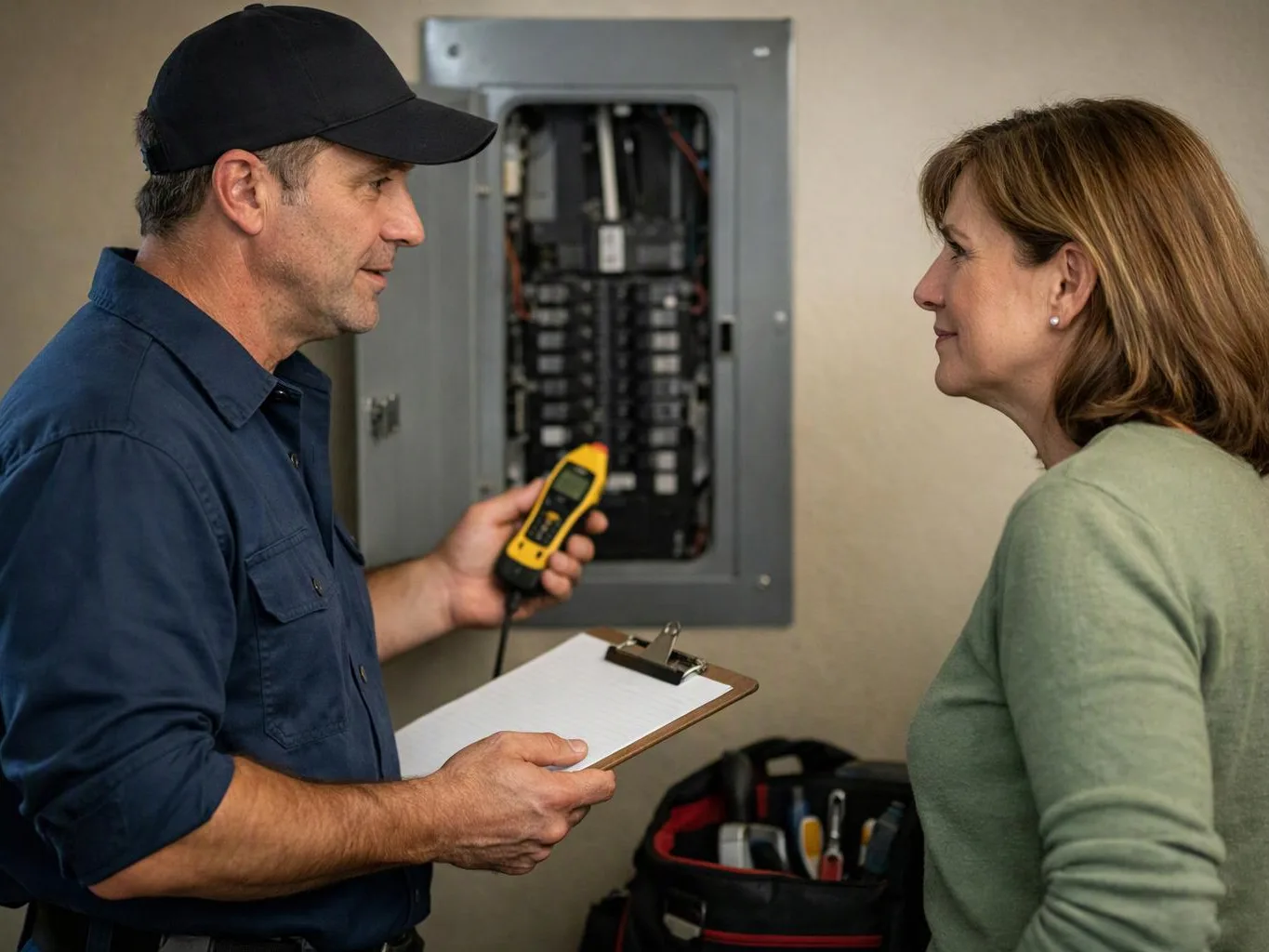
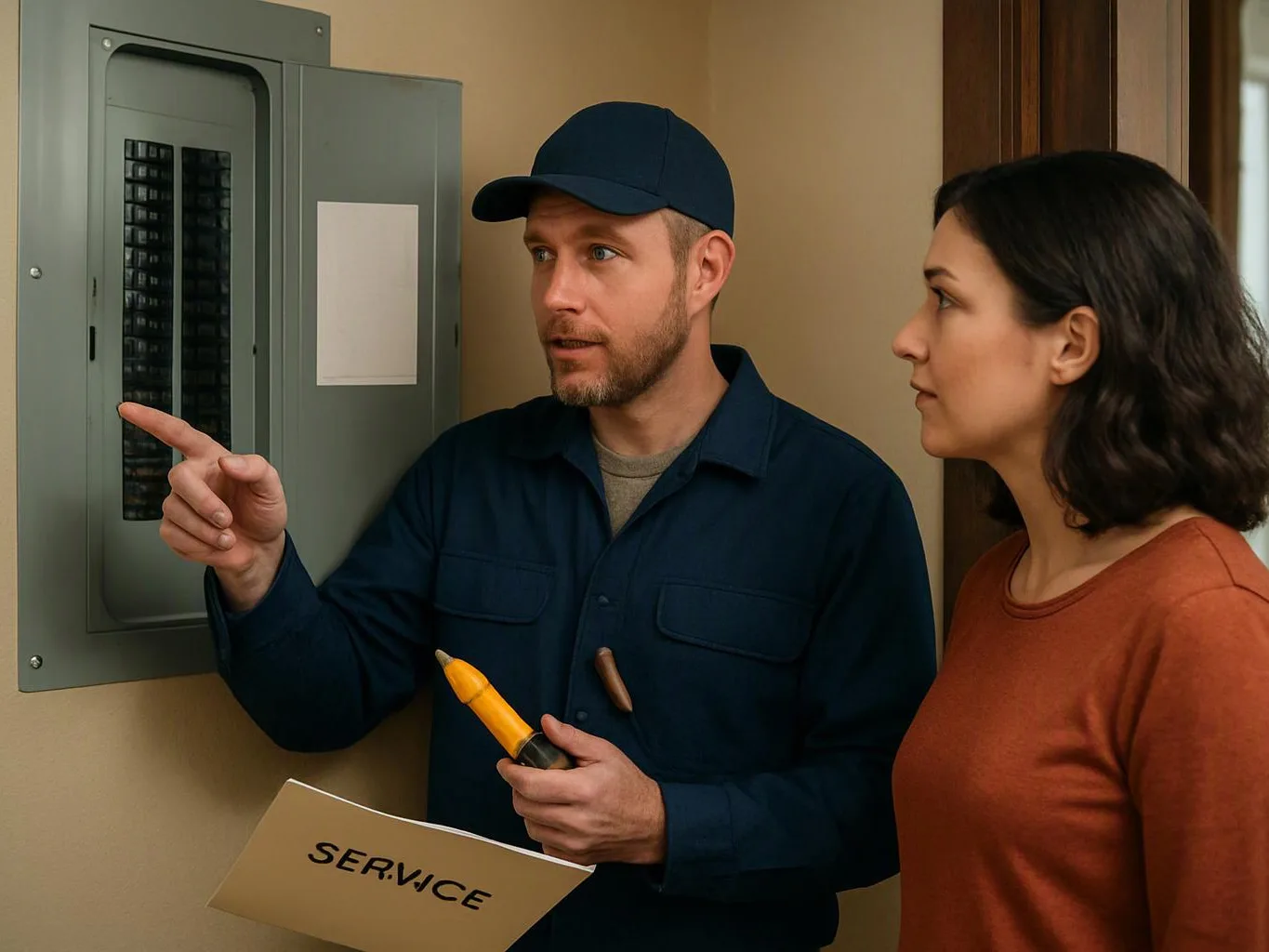
A technician points at an electrical panel while holding tools, and a woman watches beside him

ZIP Codes We Serve in Fortville, Indiana

46040

Bidirectional charging system troubleshooting in Other Areas

(317) 608-1220