Skip to content

Bidirectional Charging System Troubleshooting in Broad Ripple, Indiana

Charging faults that current sensors help prevent need careful testing in Broad Ripple. We check the charging path and explain the next repair step.

Licensed & InsuredWarranty AvailableSame-Day ServiceUpfront, Transparent Pricing

Quick Summary: Bidirectional charging system troubleshooting in Broad Ripple, Indiana

Bidirectional charging system troubleshooting in Broad Ripple is provided by GMB Electric for homes and businesses. The service checks charging faults, circuit connections, power flow, and grounding, with emergency electrical service available around the clock.

  • What we do: GMB Electric provides Bidirectional charging system troubleshooting for residential and commercial properties in Broad Ripple, Indiana.
  • What is included: Testing charging circuits, tracing faults, checking power flow, inspecting grounding, and explaining repair needs.
  • What you get: The charging system has a documented fault path and a defined repair decision.

Why do current sensors make bidirectional charging unstable?

Current sensors can make bidirectional charging unstable when their readings do not match actual circuit flow. We test the sensor signal, wiring, power inverter, battery management, grid relay, and grounding system to find the source. A burning smell, buzzing panel, or repeated breaker trip needs urgent electrical attention.
Bidirectional charging system troubleshooting for Broad Ripple properties

Bidirectional charging system troubleshooting focuses on systems that charge and send power back through the same electrical setup. The buyer decision is whether the fault sits in the sensing circuit, the inverter, the battery controls, the grid relay, or the grounding path.

The work fits a home or business with unstable charging, incorrect power readings, failed transfer behavior, or repeated circuit faults. It does not replace a utility outage investigation when the issue sits outside the property.

Our team checks the equipment and the connected electrical circuits together. That approach gives you a clearer choice between repair, further testing, or a separate electrical service.

  • Note the warning message or fault pattern before service.
  • Identify whether charging, power export, or both are affected.
  • Keep access open to the charging equipment and electrical panel.
  • Share equipment details or photos when requesting an assessment.
A white ceiling with smoke detectors and lights overlooks a blurred, modern retail room with shelves and counters

Service Overview

Bidirectional charging system troubleshooting is a diagnostic service that checks how power moves between charging equipment, a battery, and the electrical system.

  • It differs from standard EV charging installation because we diagnose unstable power flow instead of installing a new charging circuit.
  • GMB Electric provides this work for homes and businesses in Broad Ripple.

What you get from focused charging system troubleshooting

A sensor-LED fault check

Current sensor readings are checked first because they guide how the system measures power flow. We then test related parts that could create the same symptom.

Electrical work within our service scope

Our licensed and insured electrical professionals handle circuit troubleshooting, wiring concerns, and code-compliant electrical improvements for homes and businesses.

A defined service limit

This service is the wrong fit when the problem comes from the utility supply or equipment outside the property. We explain that distinction before setting repair work.

Process

How we trace bidirectional charging faults

1

Record the charging symptoms

We review warning messages, breaker behavior, and whether charging or power export is affected.

2

Inspect the connected circuit

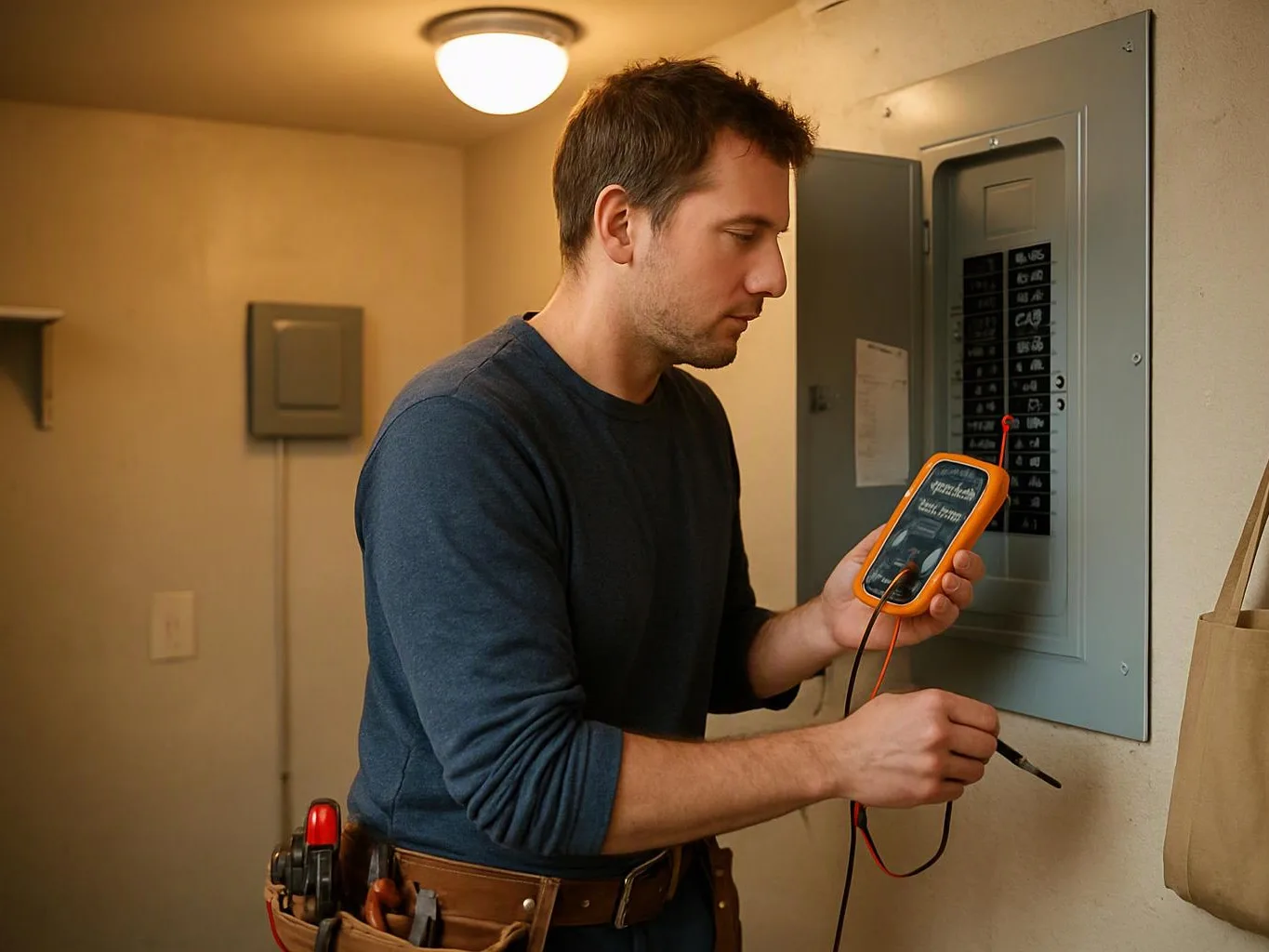
We check the charging equipment, panel connections, wiring, and visible signs of heat or damage.

3

Test the current signal

We compare current sensor readings with the circuit conditions and trace the signal through the system.

4

Check power conversion and switching

We test the power inverter, battery management, and grid relay when their operation matches the reported fault.

5

Verify grounding and define scope

We inspect grounding, isolate unsafe conditions, and explain the repair or further testing needed.

What bidirectional charging troubleshooting includes

GMB Electric provides comprehensive Bidirectional charging system troubleshooting in Broad Ripple. Here's what you get:

  • We inspect the charging equipment and related electrical connections.
  • We test current sensor readings against the circuit conditions we find.
  • We trace wiring between the charger, inverter, battery controls, and panel.
  • We check the grid relay and grounding system for faults that affect power flow.
  • We isolate unsafe conditions before discussing the repair scope.
  • We explain the findings and the next electrical work needed.

What stable charging decisions give you

Testing identifies whether the fault begins with sensing, switching, power conversion, or grounding.

A documented fault path helps you choose repair work with better information.

Checking connected circuits reduces the chance of treating one symptom while another fault remains.

Clear findings help homeowners and businesses plan the next electrical step.

The inspection can reveal when a charging fault needs a different service.

Charging fault areas we compare

These fault areas help show what the testing is designed to separate.

Fault areaWhat we checkWhy it matters
Current sensingSensor signal and wiringShows whether reported power matches circuit flow
Power conversionPower inverter connections and fault signsShows whether power changes correctly between system sections
System switchingGrid relay operationShows whether the system connects and disconnects correctly
Electrical safety pathGrounding system and related connectionsShows whether a fault has a safe path

The GMB Electric Standard

  • Urgent Assistance
  • Issue Diagnosis
  • Careful Inspection
  • Clear Options

Questions about unstable bidirectional charging

Which components should be tested when bidirectional charging is unstable?

Current sensors should be tested first, followed by the power inverter, battery management, grid relay, and grounding system. We compare sensor readings with actual circuit conditions. That check helps separate a bad signal from a wiring, switching, or power conversion fault. GMB Electric provides this troubleshooting for residential and commercial electrical systems.

How is charging troubleshooting matched to the property before work starts?

The property type, panel access, charging equipment, and connected loads guide the testing plan. We review whether the system serves a home or business and identify the affected circuit. Access to the panel and equipment also shapes the inspection. Our team then explains the scope before repair work begins.

What should I ask before agreeing to charging system troubleshooting?

Ask which components will be tested, what findings will define the repair scope, and whether the work includes a safety check. The answer should identify the current sensor signal, inverter path, battery controls, grid relay, and grounding system. We explain those checks and provide free estimates before proceeding with quoted work.

Which property condition changes the time needed for this testing?

Limited access to the panel or charging equipment can extend the testing process. Shared circuits, concealed wiring, and several connected devices also add diagnostic steps. We inspect the accessible electrical path first and explain any added scope. No fixed duration applies because the fault location and property layout control the work.

Why does a charging system show power flow that seems wrong?

Incorrect power flow readings often point to a sensing, wiring, inverter, or control fault. We compare the reported reading with the connected circuit and inspect the signal path. A grid relay or grounding issue can also affect system behavior. The test results determine whether the next step is repair or further diagnosis.

What should I do before requesting an electrical assessment?

Record the warning message, note which charging function failed, and keep the panel area accessible. Do not remove covers or test energized parts yourself. Photos of the equipment label and displayed fault can help us understand the request. We use that information to plan the initial inspection.
Contact

Request a bidirectional charging troubleshooting estimate

Ask GMB Electric about the first electrical assessment, and urgent requests get priority scheduling.

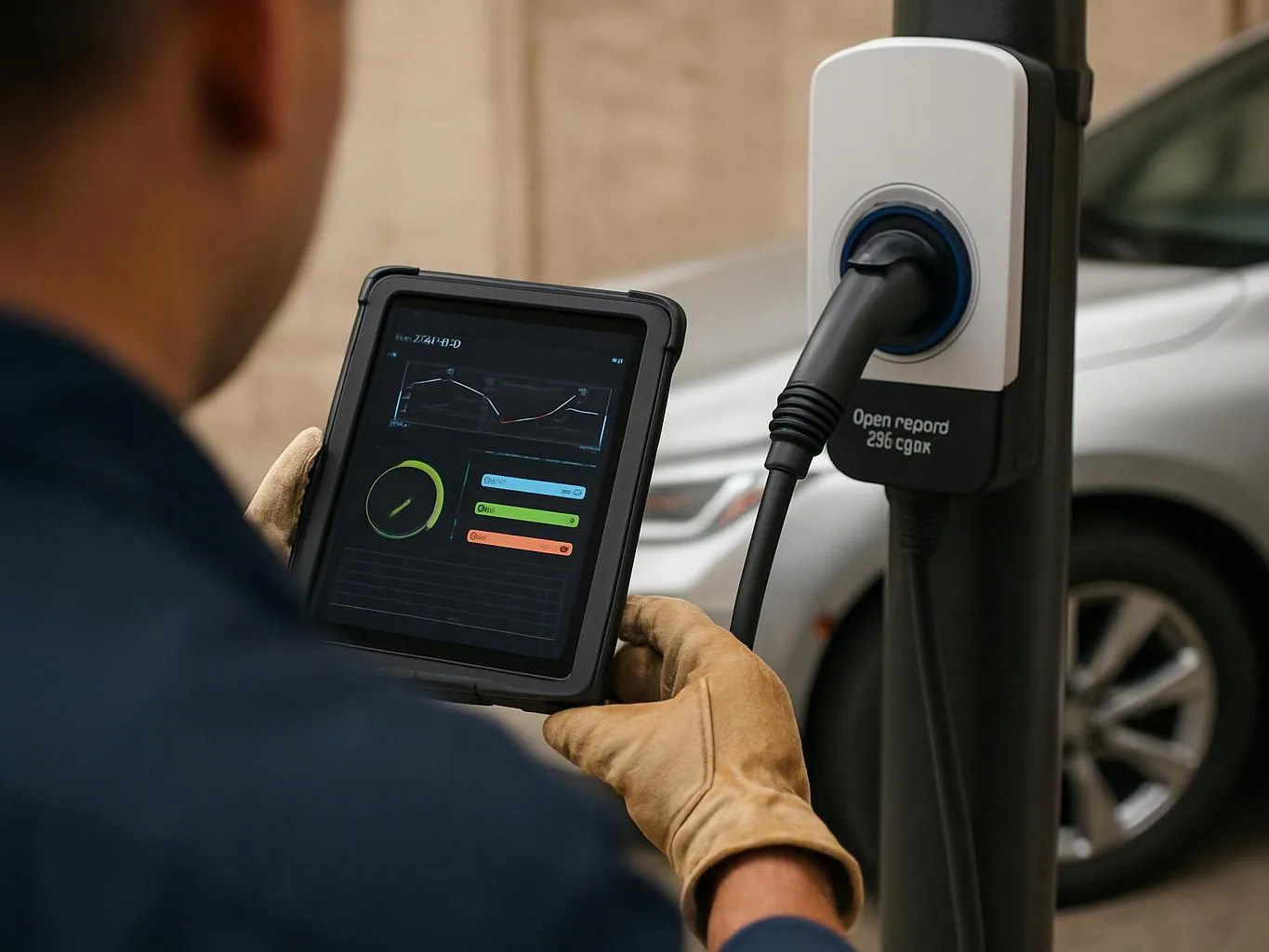
A worker in gloves checks a tablet beside a plugged-in electric car charging station outdoors

Bidirectional charging system troubleshooting in Other Areas

(317) 608-1220