Skip to content

Bidirectional Charging System Troubleshooting in Clayton, Indiana

When Current sensors need replacement, we scope more work than adjustment in Clayton. GMB Electric provides licensed and insured electrical service for bidirectional charging faults.

Licensed & InsuredWarranty AvailableSame-Day ServiceUpfront, Transparent Pricing

Quick Summary: Bidirectional charging system troubleshooting in Clayton, Indiana

Bidirectional charging system troubleshooting in Clayton is provided by GMB Electric for vehicle-to-home charging faults, unstable transfers, and related electrical issues. Service covers residential and commercial properties in Indianapolis and surrounding communities, with emergency electrical service available around the clock.

  • What we do: GMB Electric provides Bidirectional charging system troubleshooting for residential and commercial properties in Clayton, Indiana.
  • What is included: Fault isolation, circuit tracing, inverter checks, battery control checks, relay testing, grounding checks, and testing and verification.
  • What you get: The charging system receives a defined repair path after the fault is isolated and the related electrical parts are tested.

Which components should be tested when bidirectional charging is unstable in Clayton, Indiana?

Current sensors should be tested first when bidirectional charging is unstable. GMB Electric then checks the power inverter, battery management system, grid relay, and grounding system to separate a sensor fault from a wider electrical issue.

Bidirectional charging system troubleshooting in Clayton

Bidirectional charging system troubleshooting focuses on unstable power transfer, warning messages, failed charge cycles, and control faults. The work fits property owners who already have bidirectional equipment or need a clear diagnosis before repair.

The key decision is whether the fault sits in one part or across the charging circuit. We check the power path, control signals, protective devices, and grounding system before we define the repair scope.

This service doesn't replace a full EV charging installation when the equipment is absent or the site needs new wiring. It helps identify the electrical cause when installed equipment isn't behaving as expected.

  • Check whether the fault occurs during charging, discharging, or both.
  • Trace the circuit between the charger, property panel, and connected equipment.
  • Separate a control fault from a wiring, grounding, or protection issue.
  • Confirm the next repair step before additional electrical work begins.
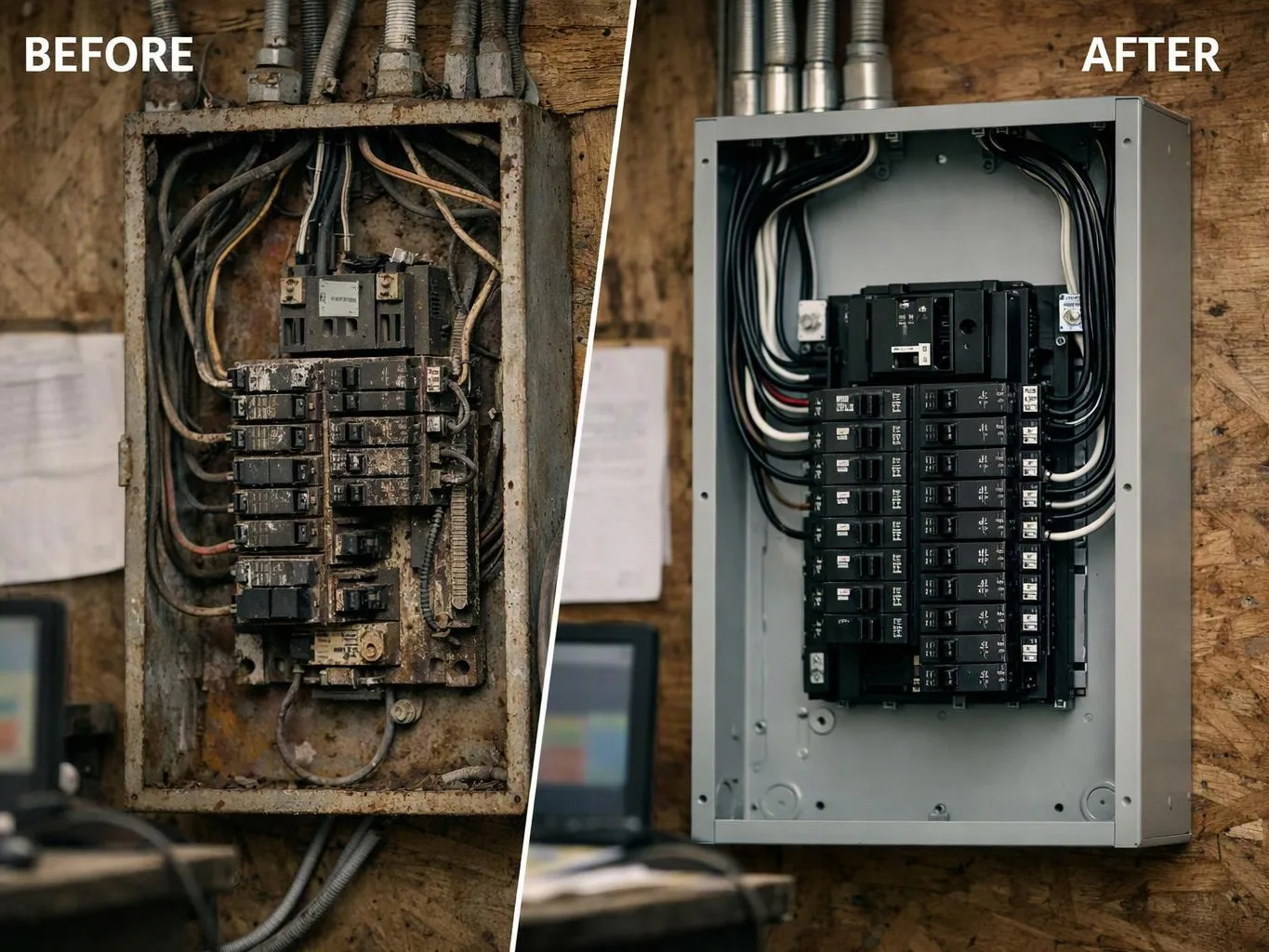
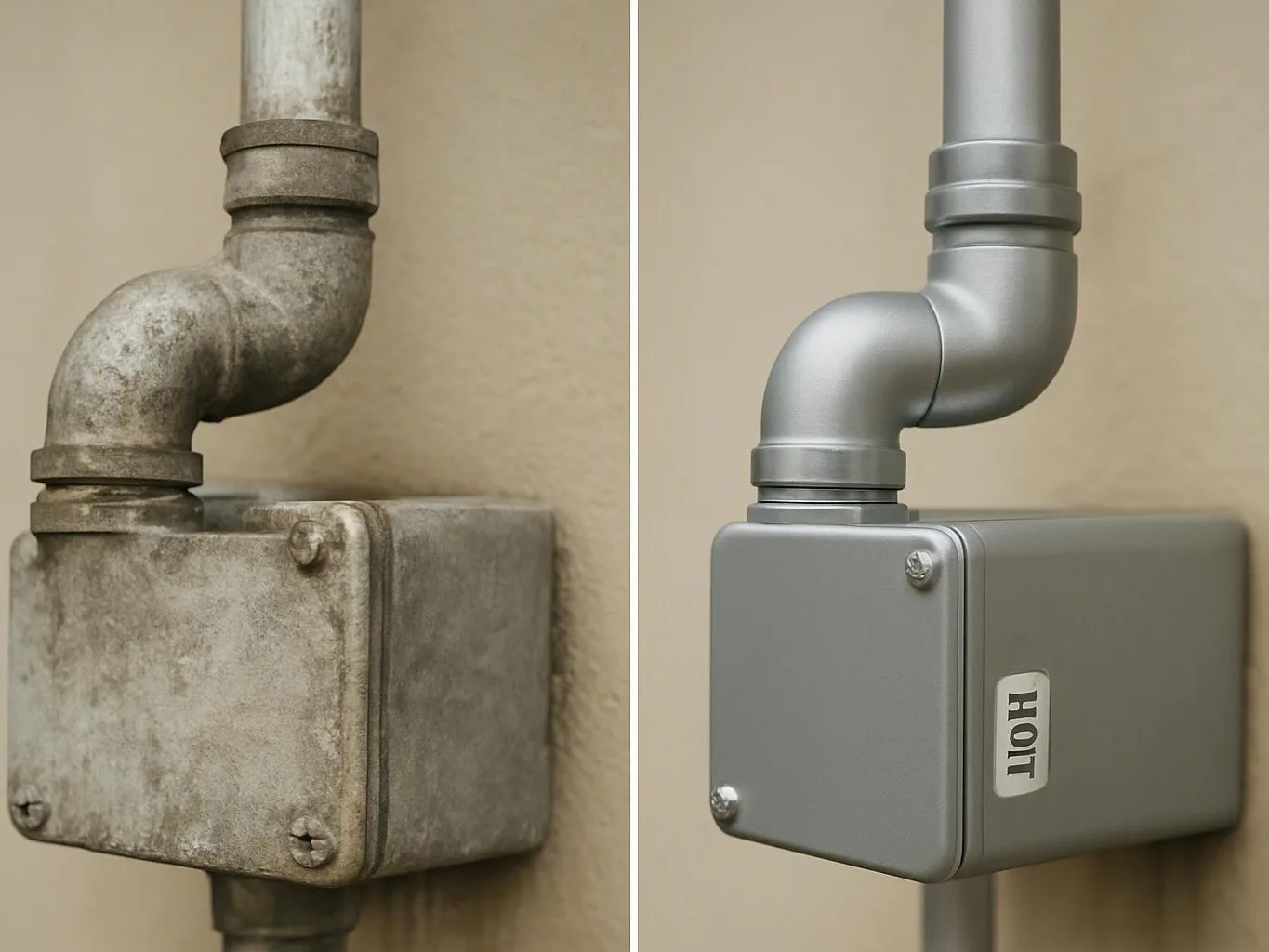
Side-by-side pipes connect to a wall box, showing a rusty version and a clean gray version

Service Overview

Bidirectional charging system troubleshooting is a fault-finding service that checks how power moves between an electric vehicle, its charger, the property, and the grid.

  • The work differs from basic EV charging installation because it diagnoses an operating fault across connected control and power parts.
  • GMB Electric provides this service for homes and businesses in Clayton and the surrounding Indianapolis service area.

What bidirectional charging troubleshooting includes

GMB Electric provides comprehensive Bidirectional charging system troubleshooting in Clayton. Here's what you get:

  • We inspect the charging circuit and related electrical connections.
  • We test control and power paths linked to the charging equipment.
  • We check the power inverter, battery management controls, grid relay, and grounding system.
  • We trace faults that appear during charging or power transfer.
  • We explain whether the next step is adjustment, repair, or part replacement.
  • We complete testing and verification after the electrical work.

How we approach unstable bidirectional charging

Test the whole power path

We check linked electrical parts instead of treating every warning as a single-part fault. This service is the wrong job when no bidirectional equipment is installed.

Separate adjustment from replacement

A control setting and a failed component need different repair plans. We explain that difference after diagnosis, so the work matches the fault.

Use licensed electrical judgment

Our licensed and insured electrical professionals review connections, protection, and grounding as part of the diagnosis.

Process

How we test an unstable charging system

1

Record the charging fault

We review the warning, failure point, and operating mode so the diagnosis starts with the actual symptom.

2

Trace the power circuit

We follow connections from the charging equipment through the property electrical system and check for damaged or loose points.

3

Test control and transfer parts

We check the inverter, battery controls, relay operation, and grounding path as the fault requires.

4

Define the repair scope

We explain whether the system needs adjustment, electrical repair, or component replacement.

5

Verify the repaired circuit

We test the system after the work and confirm that the related electrical path operates safely.

What stable charging troubleshooting helps you decide

A fault is separated from normal charging behavior before repair work is chosen.

You receive a clearer choice between adjustment and component replacement.

Circuit tracing helps connect warning messages to the part causing them.

Testing and verification support safe operation after the repair.

Commercial property owners get a defined electrical issue to plan around.

Adjustment or replacement for unstable charging

This table compares the two repair decisions that follow electrical testing.

Repair decisionWhat it addressesWhat we check
AdjustmentA setting, connection, or control conditionControl behavior and related circuit signals
Component replacementA failed or damaged electrical partPart condition, wiring, grounding, and system compatibility

The GMB Electric Standard

  • Urgent Assistance
  • Issue Diagnosis
  • Careful Inspection
  • Clear Options

Questions about unstable bidirectional charging

Which components should be tested when bidirectional charging is unstable?

Current sensors should be tested first when unstable transfer points to a measurement fault. GMB Electric then checks the power inverter, battery management system, grid relay, and grounding system. The sequence helps separate a control issue from a wiring or protection problem. We use the system warning and failure condition to guide the checks.

What happens at each stage of the troubleshooting visit?

The visit moves from symptom review to circuit tracing, component testing, repair planning, and final verification.

  1. We record the warning and operating mode.
  2. We trace the power and control paths.
  3. We test related electrical parts.
  4. We explain the repair scope and verify the work.

What does the crew look at first during system testing?

The first check is the fault condition and the point where power transfer stops. We review the warning, charging mode, visible connections, and access to the electrical equipment. That starting record keeps the diagnosis tied to the actual symptom. We then test the parts linked to that condition.

What should be checked before troubleshooting is scheduled?

The equipment status, warning message, failure mode, and property access should be checked before scheduling. Record whether the fault occurs while charging, discharging, or switching modes. Do not open electrical equipment or reset a device that shows heat, smoke, or damage. Share the details with us when requesting an assessment.

When is bidirectional charging troubleshooting the wrong service?

A troubleshooting visit is the wrong service when no bidirectional charging equipment is installed. New equipment, site wiring, or a panel change calls for an installation or electrical upgrade assessment. We can identify that fit from the property details and the equipment already present.

How does a replacement decision differ from an adjustment?

An adjustment changes a setting or connection, while replacement addresses a failed electrical part. We test the affected path before recommending either option. Access, wiring condition, equipment compatibility, and the fault source shape the repair scope. The quote explains which work the diagnosis supports.
Contact

Request a quote for bidirectional charging troubleshooting in Clayton

Get a defined repair scope for unstable charging, and urgent requests get priority scheduling.

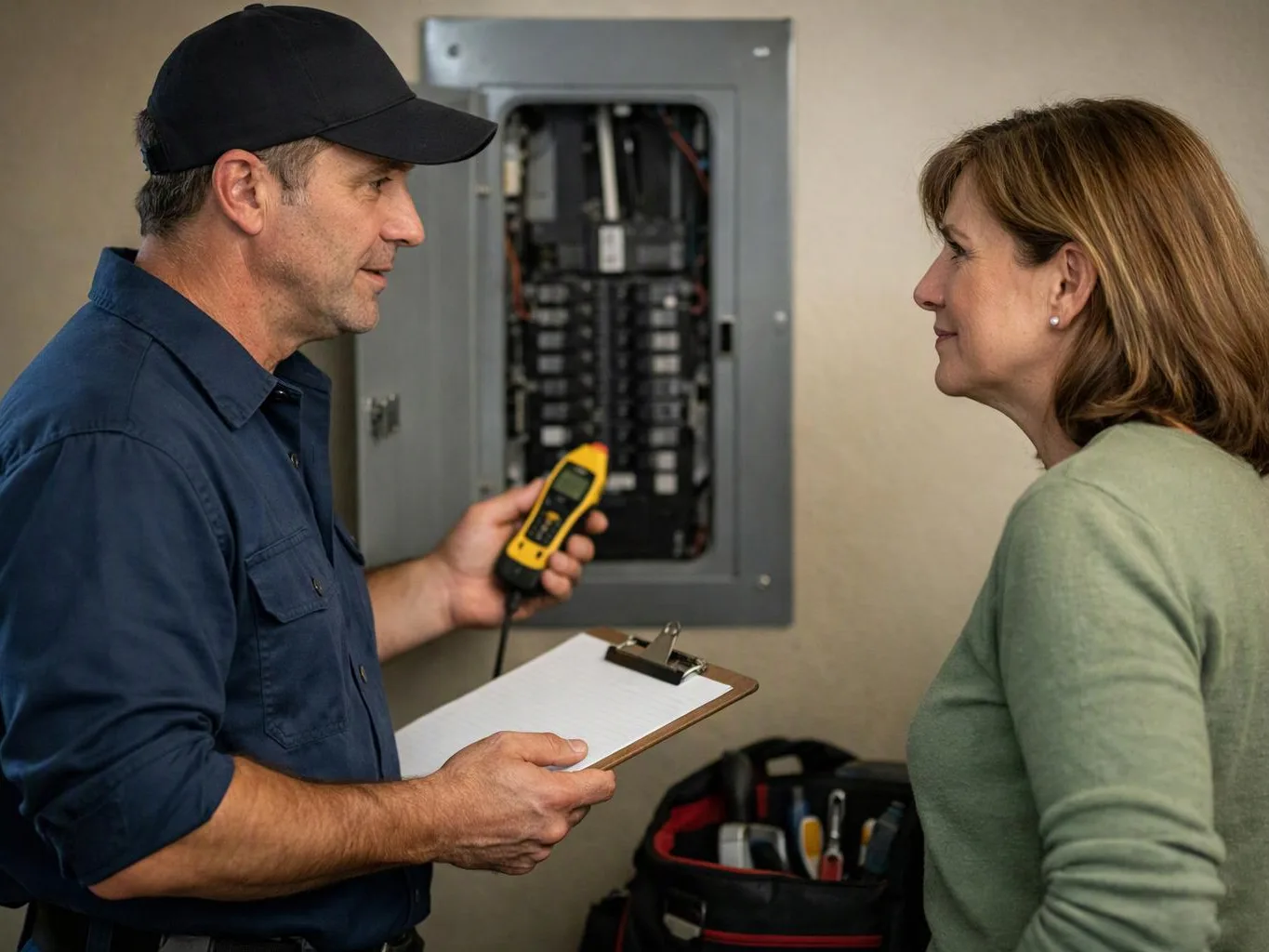
A man points upward while holding a tablet, and a woman watches beside an open tool case indoors

ZIP Codes We Serve in Clayton, Indiana

46118

Bidirectional charging system troubleshooting in Other Areas

(317) 608-1220