Which components should be tested when bidirectional charging is unstable?
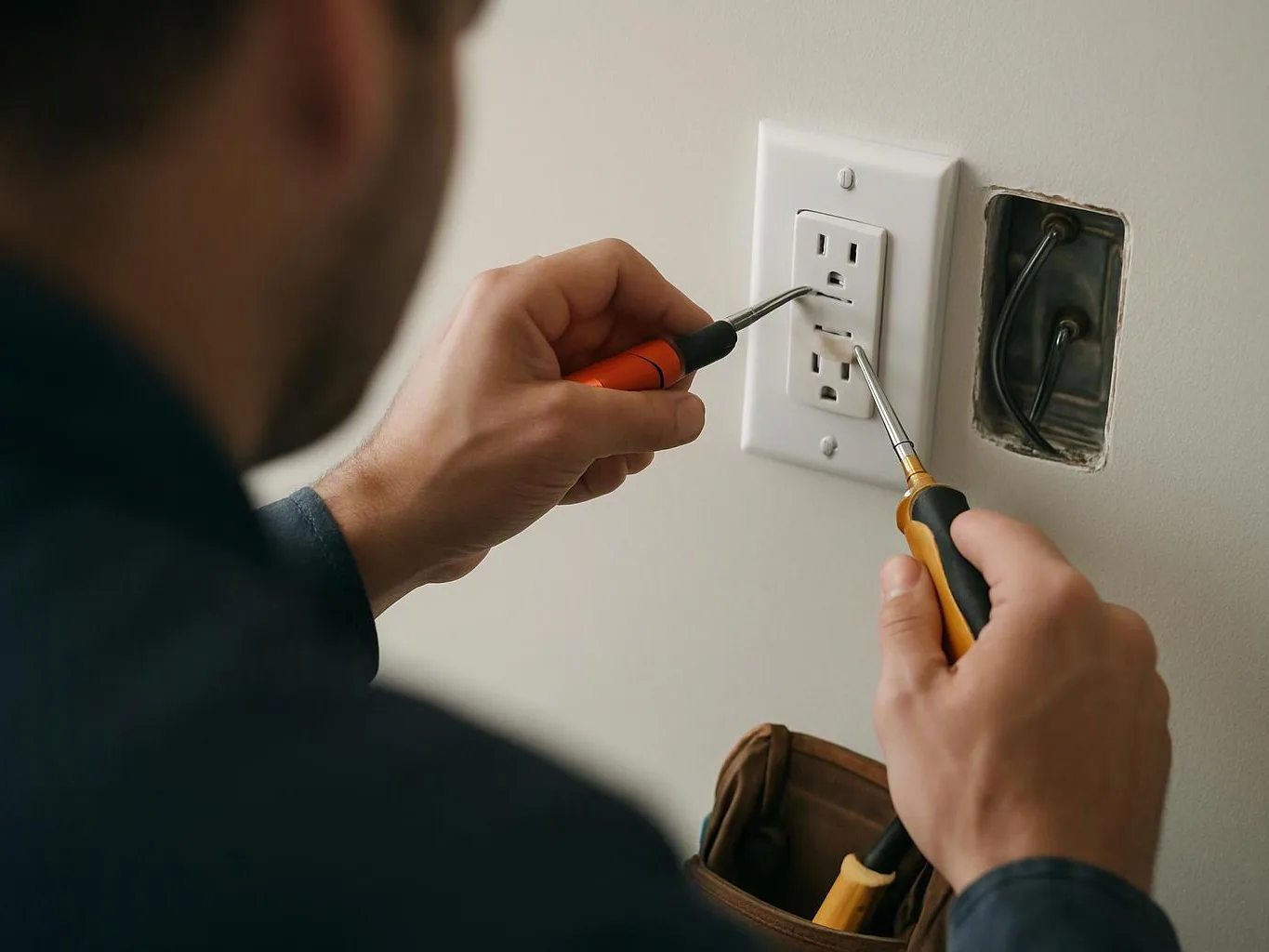
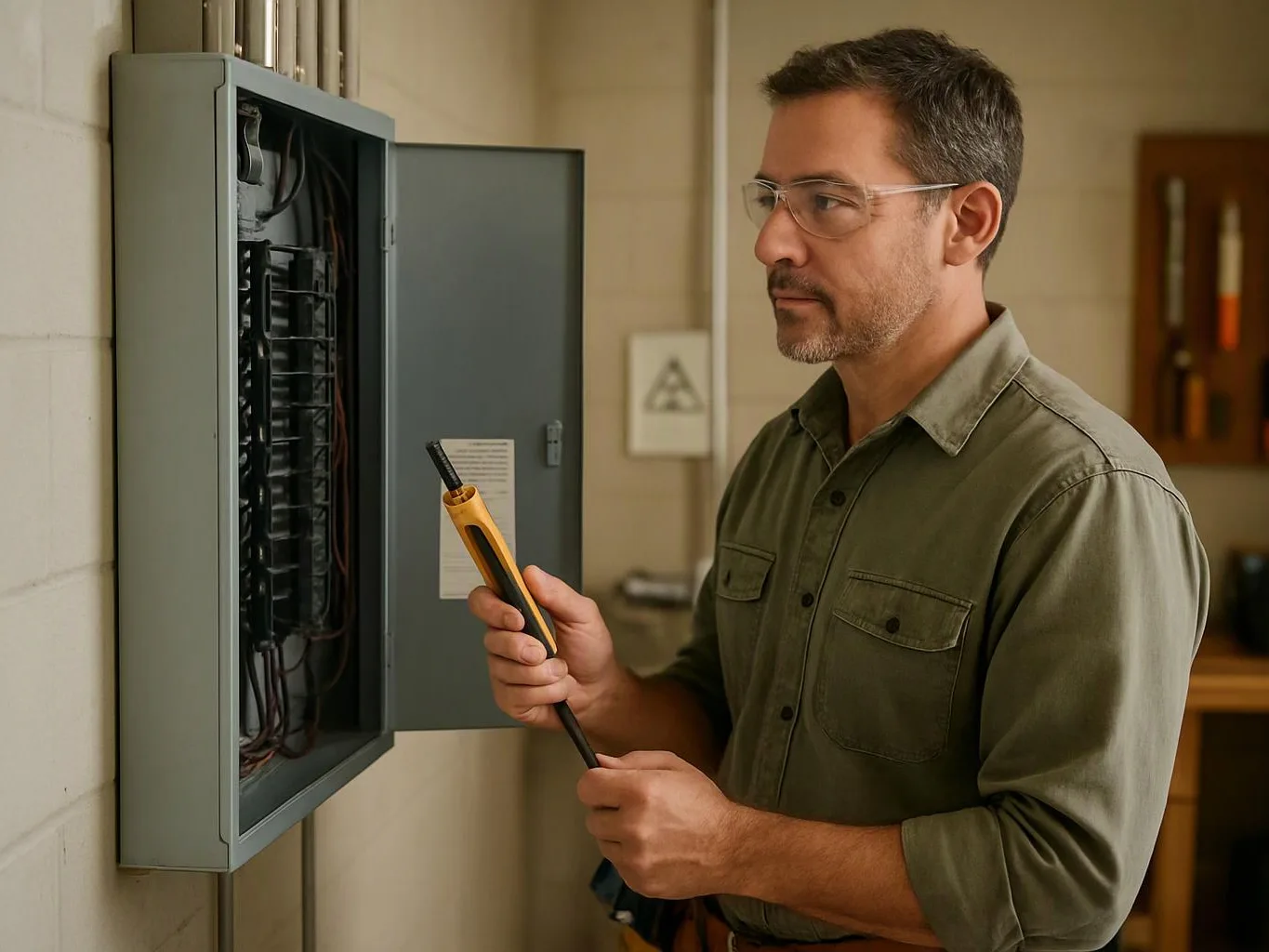
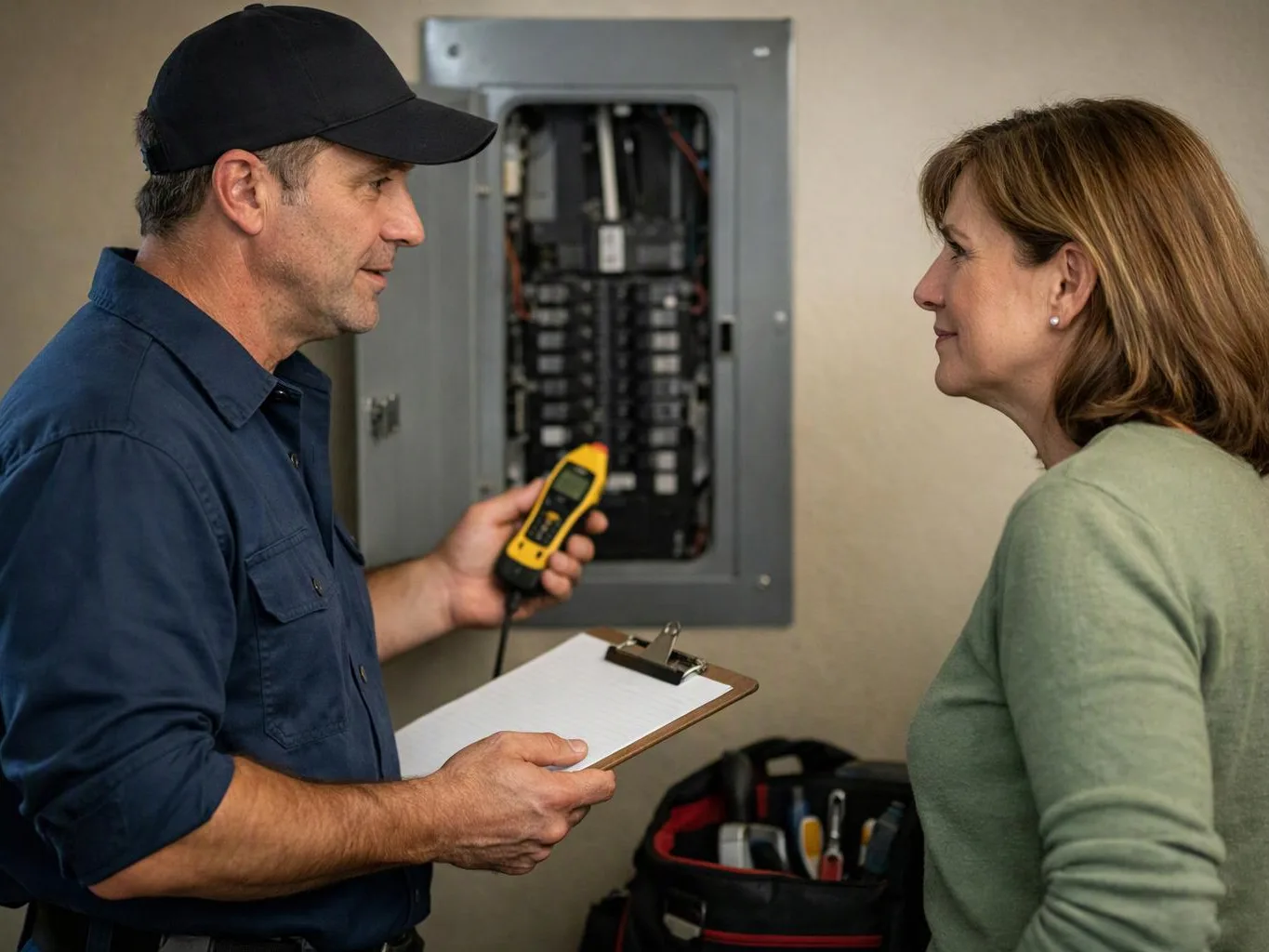
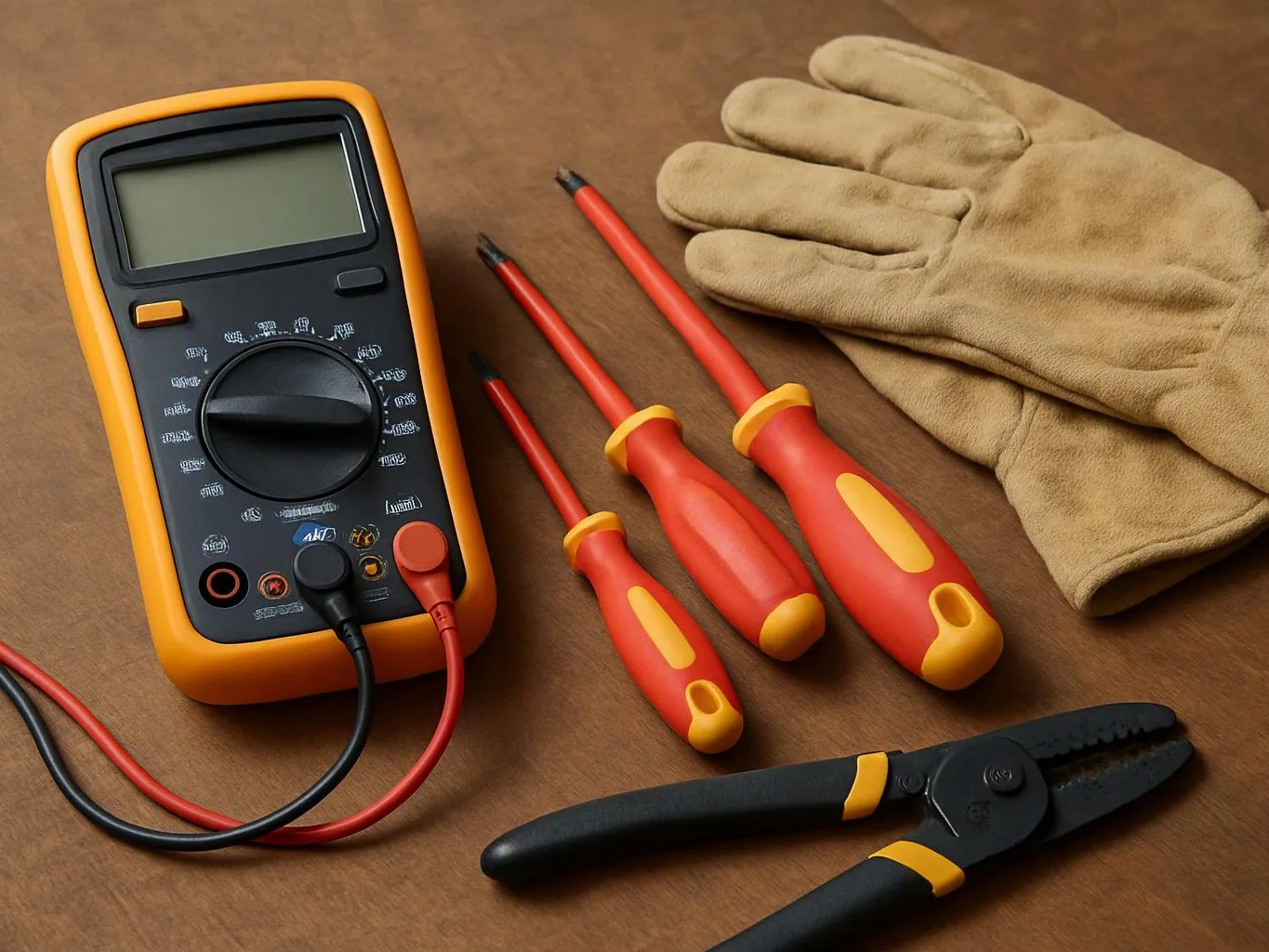
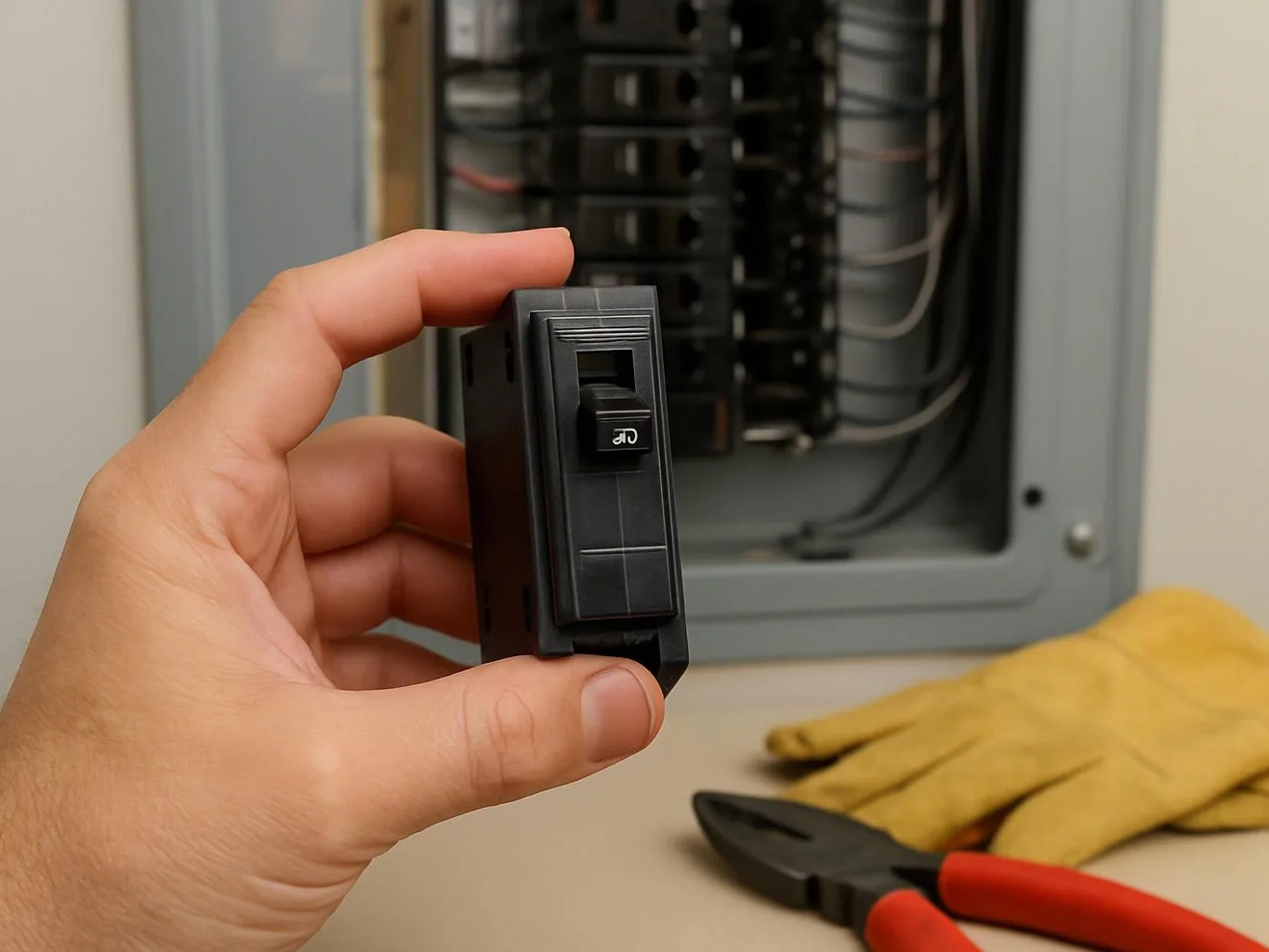
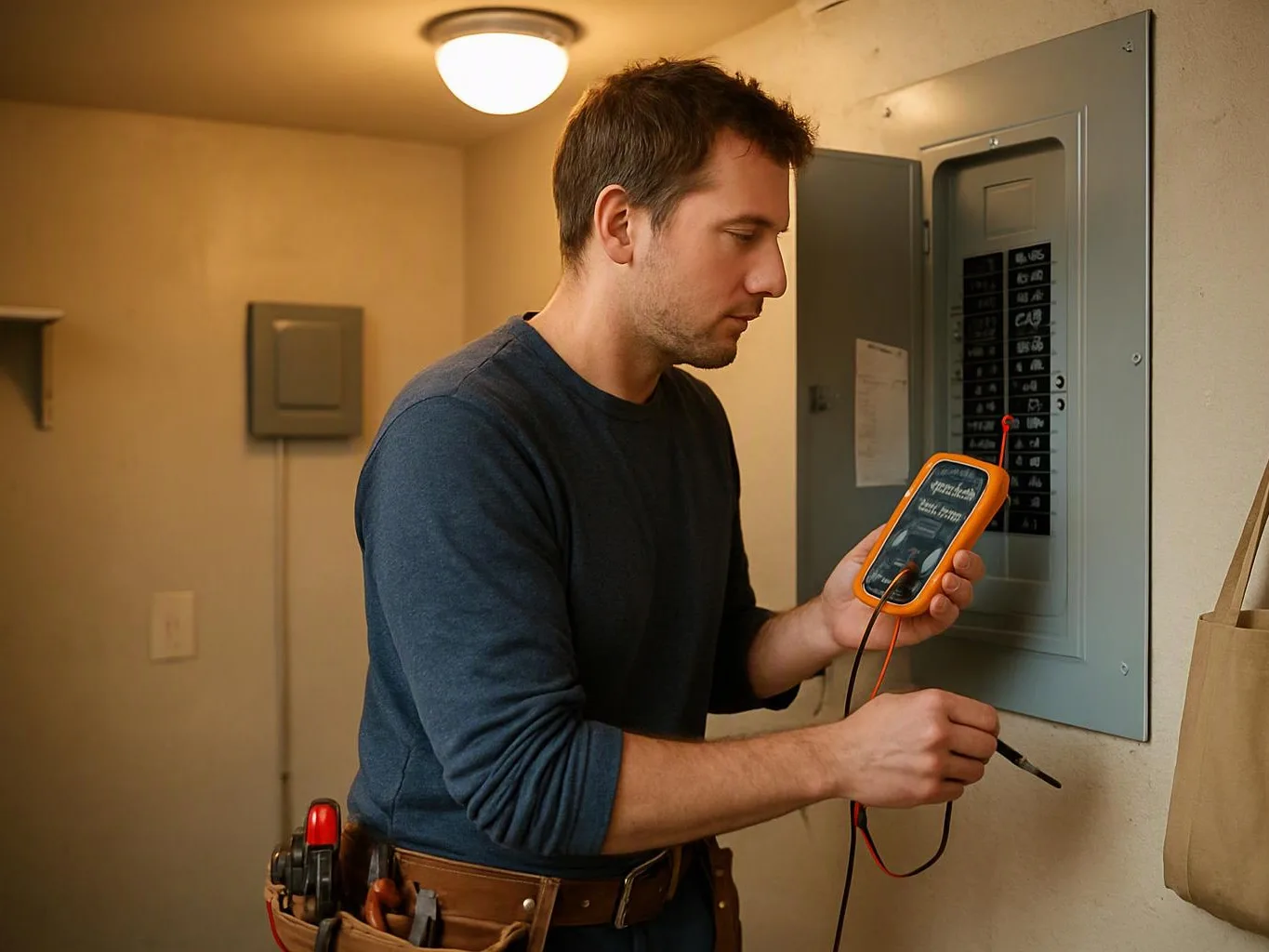
Current sensors should be tested first when bidirectional charging is unstable. GMB Electric then checks the related signal path, including wiring, terminals, the power inverter, battery management, grid relay, and grounding system. The symptom determines which checks need the most attention, and we explain the repair scope after testing.
How is the troubleshooting matched to my property before work starts?
Property type, equipment access, circuit layout, and the affected charging function shape the troubleshooting plan. We review whether the system serves a home or business and identify safe access points before testing. The inspection stays focused on the equipment and circuits connected to the reported symptom.
What should be ready before charging system troubleshooting starts?
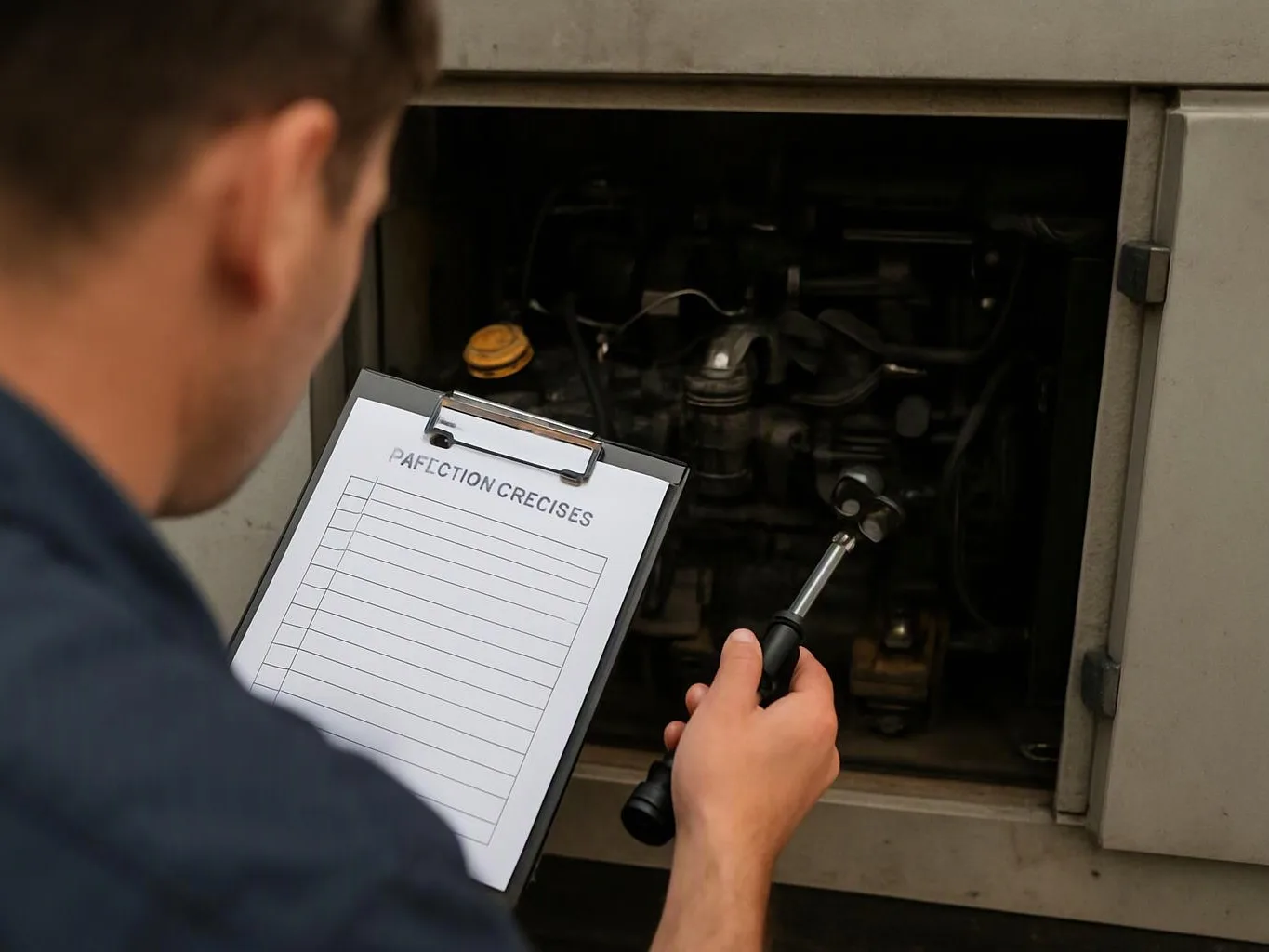
Equipment access and the system warning information should be ready before testing starts. Keep the charging area clear, note when the fault appears, and gather any display message or control information. Do not remove covers or handle energized parts, because we need to inspect the system safely.
What should I ask before agreeing to this electrical troubleshooting?
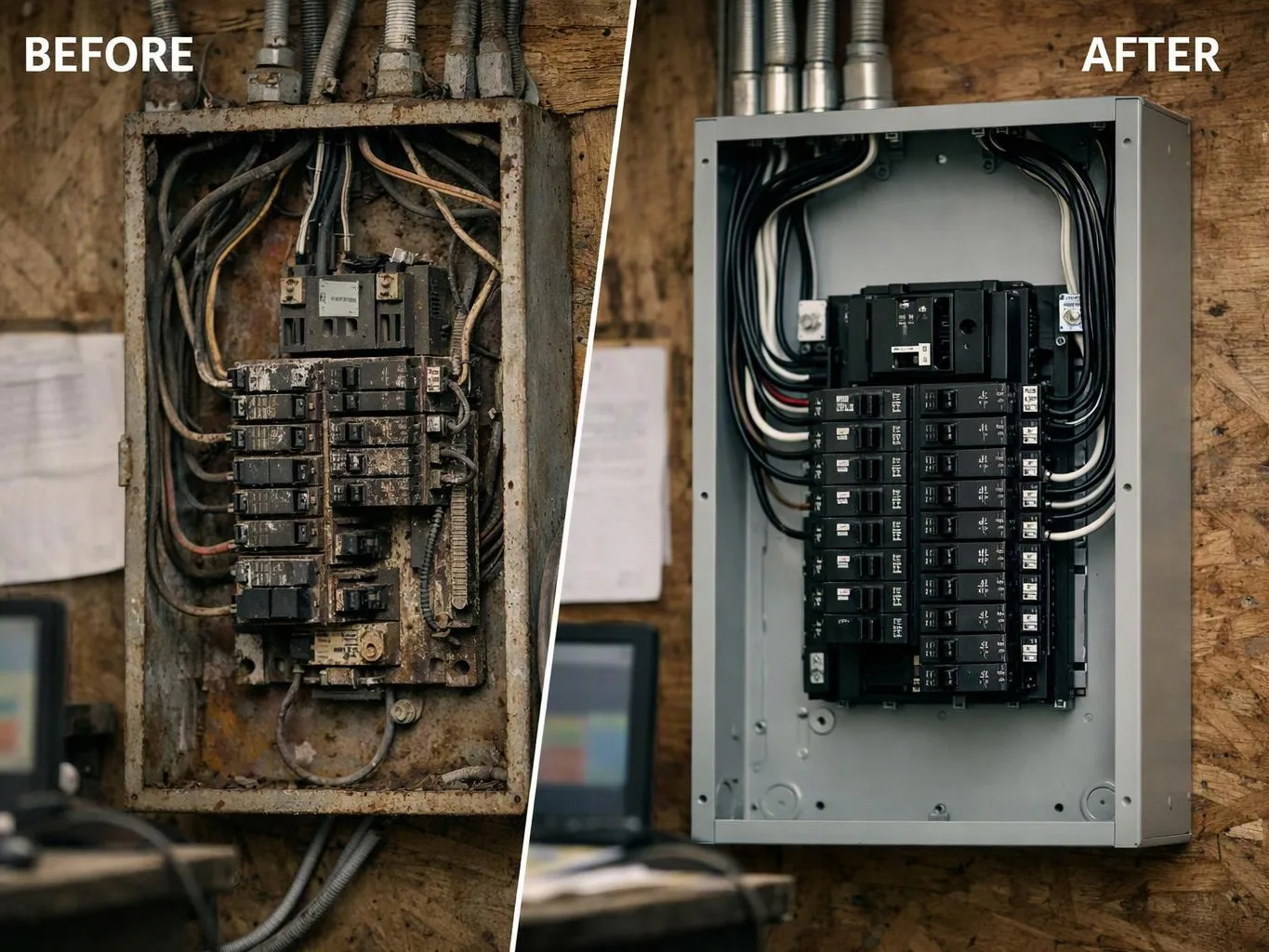
Ask which parts will be tested, what the assessment includes, and how the repair scope will be explained. The estimate should identify whether the work concerns a sensor, inverter, relay, grounding system, or another electrical connection. We answer those scope questions before repair work begins.
When does unstable charging become an urgent electrical issue?
Unstable charging becomes urgent when the equipment shows a burning smell, buzzing panel, sparking connection, or repeated breaker trips. Stop using the affected equipment and keep clear of damaged parts. We handle urgent electrical requests and assess the system for a safe next step.
How do sensor faults differ from inverter faults?
A sensor fault affects the power-flow reading, while an inverter fault affects the conversion of electrical power between system parts. We test the sensor signal first and then check the inverter when the readings do not match the charging behavior. That comparison helps set the right repair scope.
Which information changes the estimate for this charging system work?
Equipment access, fault location, circuit complexity, and the parts that need testing change the estimate. A sensor check may lead to related inverter, relay, or grounding tests when the first result does not explain the symptom. We provide a free estimate where applicable after reviewing the needed scope.