Skip to content

Bidirectional Charging System Troubleshooting in Westfield, Indiana

Load shedding checks in Westfield help trace vehicle-to-home power interruptions. GMB Electric provides around-the-clock emergency electrical service for homes and businesses.

Licensed & InsuredWarranty AvailableSame-Day ServiceUpfront, Transparent Pricing

Quick Summary: Bidirectional charging system troubleshooting in Westfield, Indiana

Bidirectional charging system troubleshooting in Westfield is provided by GMB Electric for vehicle-to-home power interruptions, including load shedding checks, relay testing, and backup panel review. Coverage includes residential and commercial properties in Indianapolis and surrounding communities, with emergency electrical service available around the clock.

  • What we do: GMB Electric provides Bidirectional charging system troubleshooting for Westfield, Indiana, including vehicle-to-home power interruption checks.
  • What is included: Load shedding checks, island detection review, communication cable testing, backup panel inspection, and relay fault diagnosis.
  • What you get: The customer receives a tested fault path and a clear decision about repair or further electrical work.

Why does vehicle-to-home power keep interrupting during load shedding?

Load shedding can interrupt vehicle-to-home power when the transfer system detects an unsafe condition, loses communication, or finds a relay fault.

Bidirectional charging system troubleshooting in Westfield

Bidirectional charging system troubleshooting focuses on the point where an electric vehicle supplies power back to a property. A fault may sit in the load shedding control, the communication cable, the backup panel, or a relay that does not switch correctly.

Customers need this focused service when vehicle-to-home power cuts out, will not start, or stops during a change in electrical demand. We check the symptom first, then trace the related circuit so the repair decision matches the actual fault.

This page serves buyers who need a diagnosis for power transfer equipment, not a general outlet repair or a basic EV charging installation. We can also identify when the issue falls outside this service and needs another electrical assessment.

  • Confirm whether the vehicle supplies power to the property or stops before transfer begins.
  • Check the backup panel and related circuits for signs of interrupted power.
  • Trace the communication path between connected equipment.
  • Test relay operation and inspect the system response during power transfer.
  • Separate a charging fault from a wider property wiring problem.
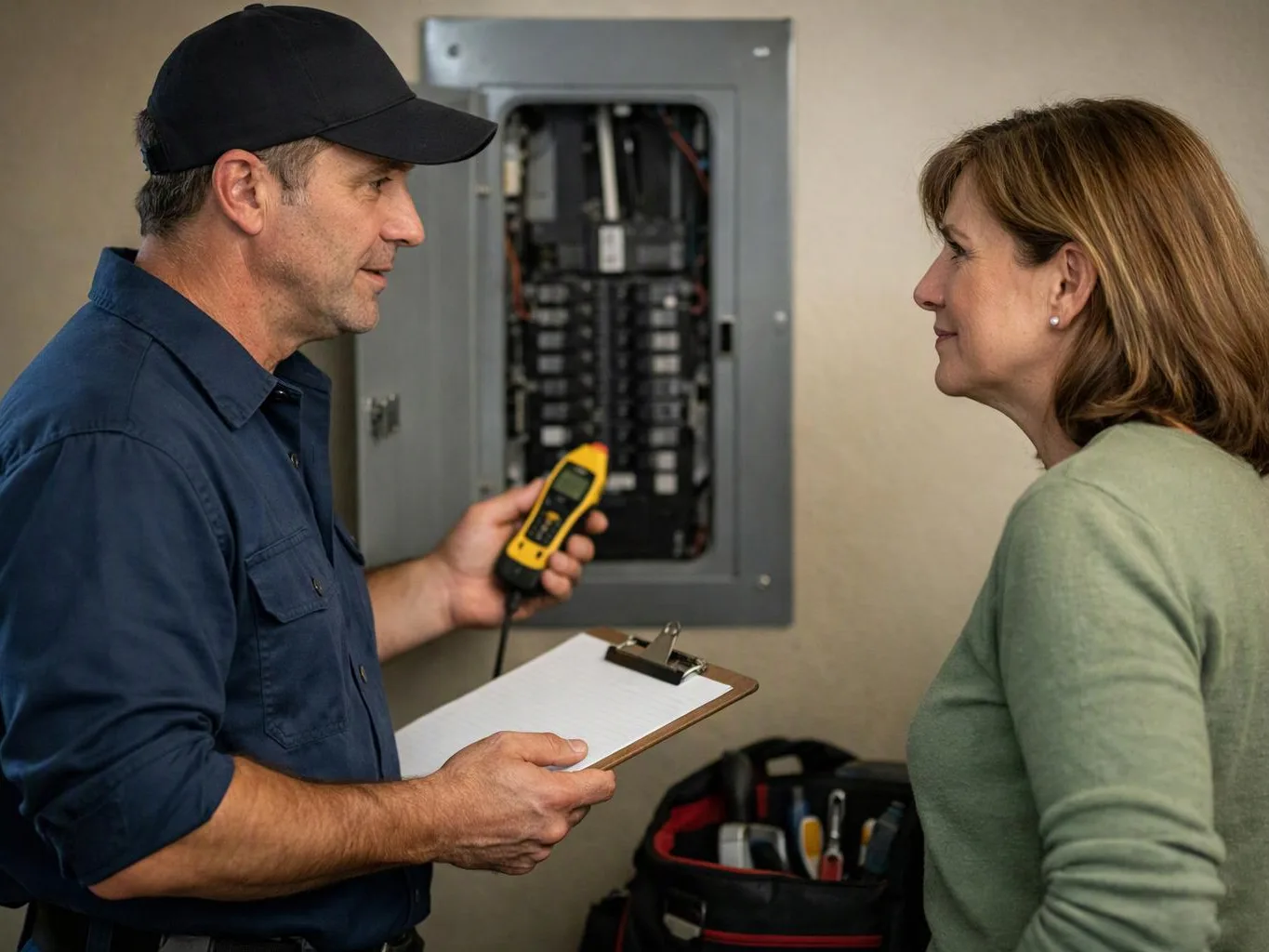
A man points upward while holding a tablet, and a woman watches beside an open tool case indoors

Service Overview

Bidirectional charging system troubleshooting is a diagnostic service that checks how power moves between an electric vehicle, the home, and a backup panel.

  • The work differs from standard EV charging repair because it examines power transfer, island detection, control signals, and backup circuits.
  • GMB Electric provides this service in Westfield for residential and commercial electrical systems.

What bidirectional power troubleshooting includes

GMB Electric provides comprehensive Bidirectional charging system troubleshooting in Westfield. Here's what you get:

  • We inspect the vehicle-to-home power path and identify where the interruption begins.
  • We check load shedding behavior when the system changes electrical demand.
  • We examine island detection signals that control safe power transfer.
  • We test the communication cable and related connections for lost control signals.
  • We inspect the backup panel and trace circuits that should receive vehicle power.
  • We test relay operation and explain the repair scope in plain language.
Process

How we trace bidirectional charging power interruptions

1

Record the interruption symptom

We note when power drops, which circuits are affected, and what the vehicle or charging equipment displays.

2

Trace the transfer path

We follow the power path through the backup panel and connected circuits to locate the first point of interruption.

3

Check control communication

We inspect the communication cable and related connections for lost or unstable control signals.

4

Test switching and safety checks

We test relay operation and review island detection behavior during the transfer sequence.

5

Explain repair scope

We provide a free estimate when repair work is appropriate and explain when the issue needs a wider electrical assessment.

What customers get from this charging system diagnosis

A defined fault path

Customers receive a focused check of load shedding, island detection, the communication cable, the backup panel, and relay operation. This service is the wrong fit when the issue comes from the utility supply alone or from a vehicle fault that does not involve the property electrical system.

Residential and commercial coverage

We work with homes and businesses that use vehicle-to-home power equipment. Customers can describe the warning, outage pattern, and affected circuits before we set the assessment scope.

Licensed electrical work

Our licensed and insured electrical professionals approach the system as part of the property wiring, so testing includes circuit safety and code-aware repair decisions.

The scope this service is meant to handle

A typical Westfield property may lose vehicle-to-home power when the system detects a transfer fault during changing electrical demand. We trace the communication path, check the backup panel, and test the relay before setting the repair scope. If the fault reaches other property circuits, we explain that a broader electrical assessment is needed.

What this troubleshooting changes for your property

You get a fault path based on testing, not a guess from the warning message alone.

A focused diagnosis helps separate a relay problem from a backup panel or communication fault.

The inspection shows whether the property can continue using the system safely while repair work is planned.

You receive clear next steps when the issue involves the charging equipment or another part of the electrical system.

Emergency service is available around the clock when a power interruption creates an urgent electrical concern.

Charging system fault paths compared

The symptom and affected part help separate the likely diagnostic path.

Fault pathWhat we checkCustomer decision
Load shedding interruptionDemand control and transfer behaviorAssess the control sequence and affected circuits
Communication cable faultCable connections and control signalsSet repair scope for the communication path
Relay failureSwitching action during power transferAssess relay repair or related electrical work
Backup panel issuePanel supply and connected backup circuitsDecide whether broader panel work is needed

The GMB Electric Standard

  • Urgent Assistance
  • Issue Diagnosis
  • Careful Inspection
  • Clear Options

Questions about vehicle-to-home power interruptions

How can I tell whether this troubleshooting fits my property?

Load shedding troubleshooting fits properties where an electric vehicle is meant to supply selected home or business circuits. The first check separates a transfer problem from a utility outage or vehicle-only fault. We review the backup panel, control signal, and affected circuits. Customers should share the system warning and identify which parts of the property lose power.

Which part of the property decides the troubleshooting scope?

The backup panel and its connected circuits usually decide the troubleshooting scope. We trace those circuits and check whether the interruption begins at the panel, the relay, or the control path. Access matters because testing must follow the actual transfer route. A fault that reaches other wiring can require a broader electrical assessment.

What does a communication cable problem look like?

A communication cable problem can stop the transfer sequence even when the vehicle still shows charge. We inspect cable connections and check whether control signals reach the switching equipment. Customers may notice repeated transfer attempts or a backup panel that never receives vehicle power. We explain the next repair step after testing the signal path.

When should I request urgent electrical service?

Urgent electrical service is appropriate when the interruption comes with a burning smell, buzzing panel, sparking connection, or repeated breaker trips. Customers should stop using the affected equipment and keep clear of exposed electrical parts. We provide emergency electrical service around the clock and assess the property wiring before discussing repair work.

Why does the system stop after a power transfer starts?

A transfer may stop when island detection, relay operation, or control communication does not pass its safety check. We test those functions in the order that matches the reported symptom. Customers should avoid repeated resets if the panel buzzes, smells hot, or shows visible damage. Those signs need urgent electrical attention.

Which material changes the troubleshooting work?

The communication cable and the wiring connected to the backup panel can change the troubleshooting work. We check their condition, connection points, and path through the property before setting the repair scope. Customers should not remove covers or splice cables themselves. The inspection needs safe access to the equipment and connected circuits.
Contact

Request a quote for charging system troubleshooting in Westfield

Get a clear repair scope for vehicle-to-home power interruptions, urgent requests get priority scheduling.

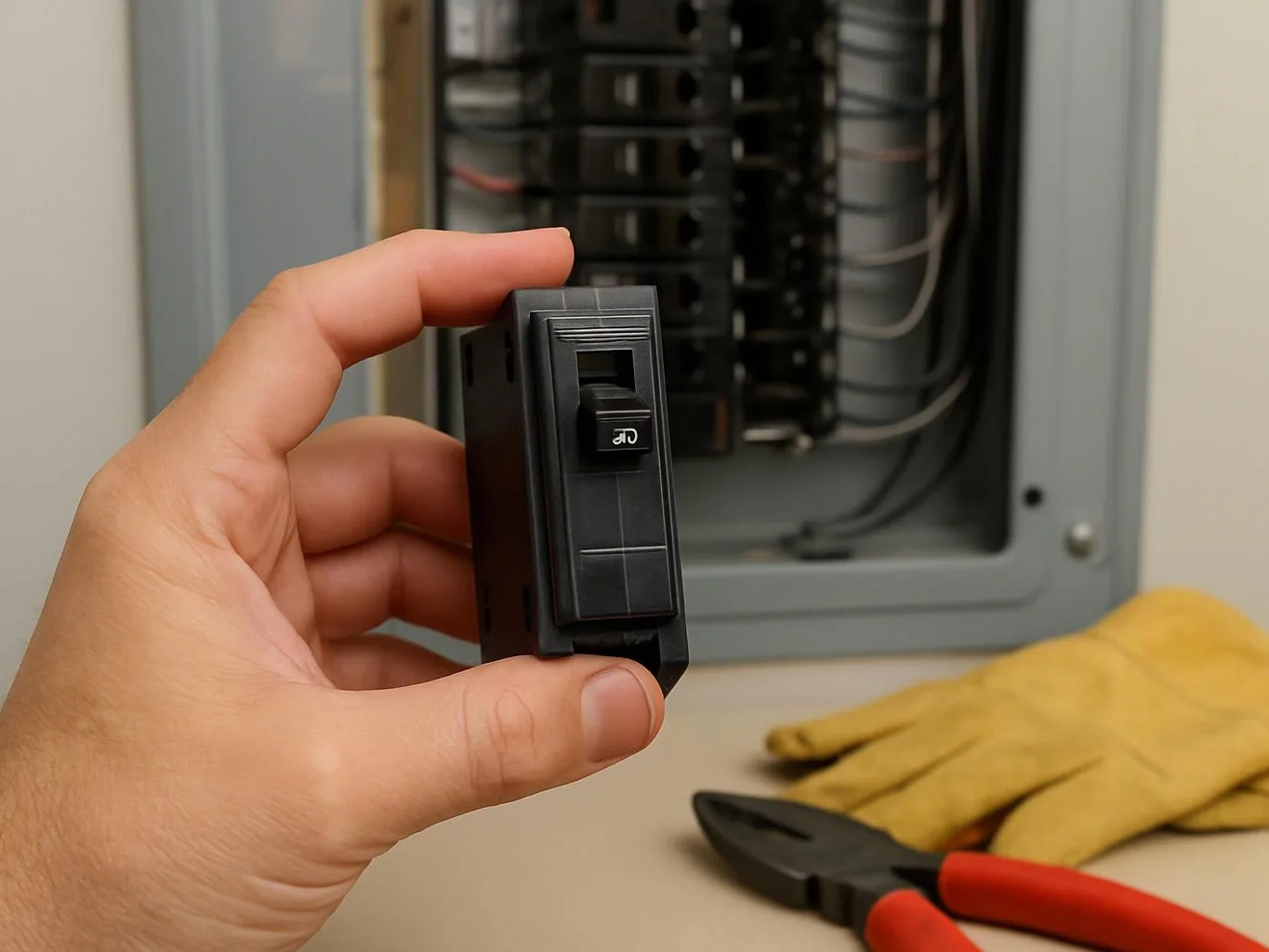
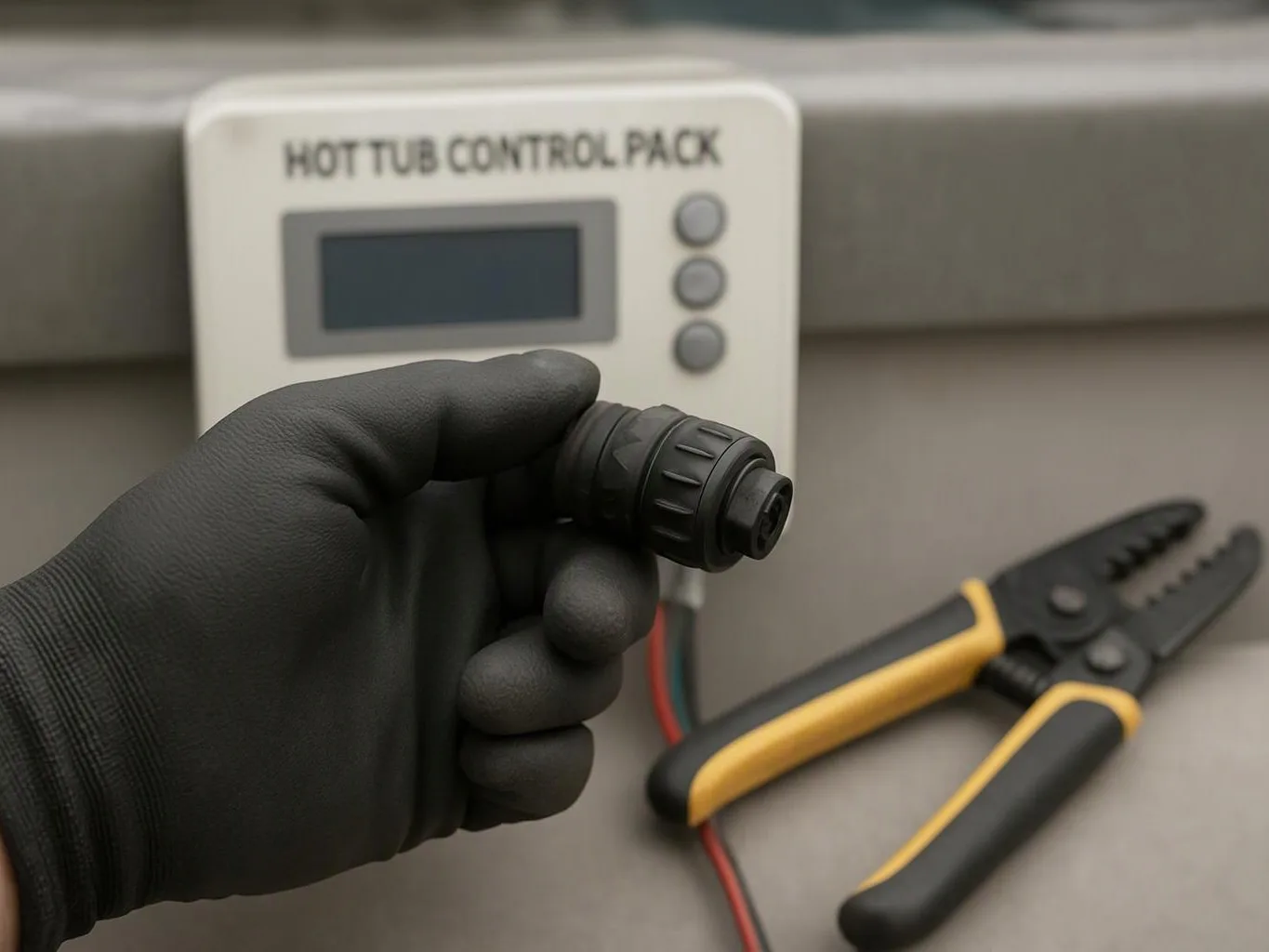
A gloved hand holds a black cable connector in front of a hot tub control pack with pliers nearby

ZIP Codes We Serve in Westfield, Indiana

46074

Bidirectional charging system troubleshooting in Other Areas

(317) 608-1220