Skip to content

Bidirectional Charging System Troubleshooting in Danville, Indiana

Testing Current sensors helps trace unstable power flow in Danville. We check the charging path, controls, and electrical safety points.

Licensed & InsuredWarranty AvailableSame-Day ServiceUpfront, Transparent Pricing

Quick Summary: Bidirectional charging system troubleshooting in Danville, Indiana

Bidirectional charging system troubleshooting in Danville is provided by GMB Electric for homes and businesses. The service checks current sensors, power flow, charging controls, and grounding, with emergency electrical service available around the clock.

  • What we do: GMB Electric provides Bidirectional charging system troubleshooting for homes and businesses in Danville, Indiana.
  • What is included: Current sensor checks, power inverter testing, battery management review, grid relay testing, and grounding checks.
  • What you get: The system receives a defined fault finding result and a clear repair decision.

Why do current sensors cause unstable bidirectional charging?

Current sensors can cause unstable bidirectional charging when their readings do not match actual power flow. GMB Electric compares sensor readings with inverter and battery control data. The check also covers wiring, connections, and grounding. A mismatch helps identify whether the fault sits in the sensor circuit or another part of the charging system.
Bidirectional charging system troubleshooting for Danville properties

Bidirectional charging system troubleshooting focuses on systems that charge a vehicle battery and send power back to a property or grid connection. The buyer's key decision is whether the fault sits in sensing, control, switching, grounding, or the wider electrical supply.

We begin with the symptoms and the system's operating state. A fault may appear as unstable output, failed transfer, or a charging cycle that stops without a clear cause. Our team checks the related electrical path before we define the repair scope.

This page serves Danville homes and businesses that need diagnosis for bidirectional charging equipment. It does not replace a panel upgrade, new EV charging installation, or utility-side outage work when those are the real source of the problem.

  • Identify whether the fault appears during charging, power return, or transfer.
  • Check current sensor readings against measured electrical flow.
  • Trace the power inverter, battery management, grid relay, and grounding path.
  • Separate equipment faults from property wiring or supply issues.
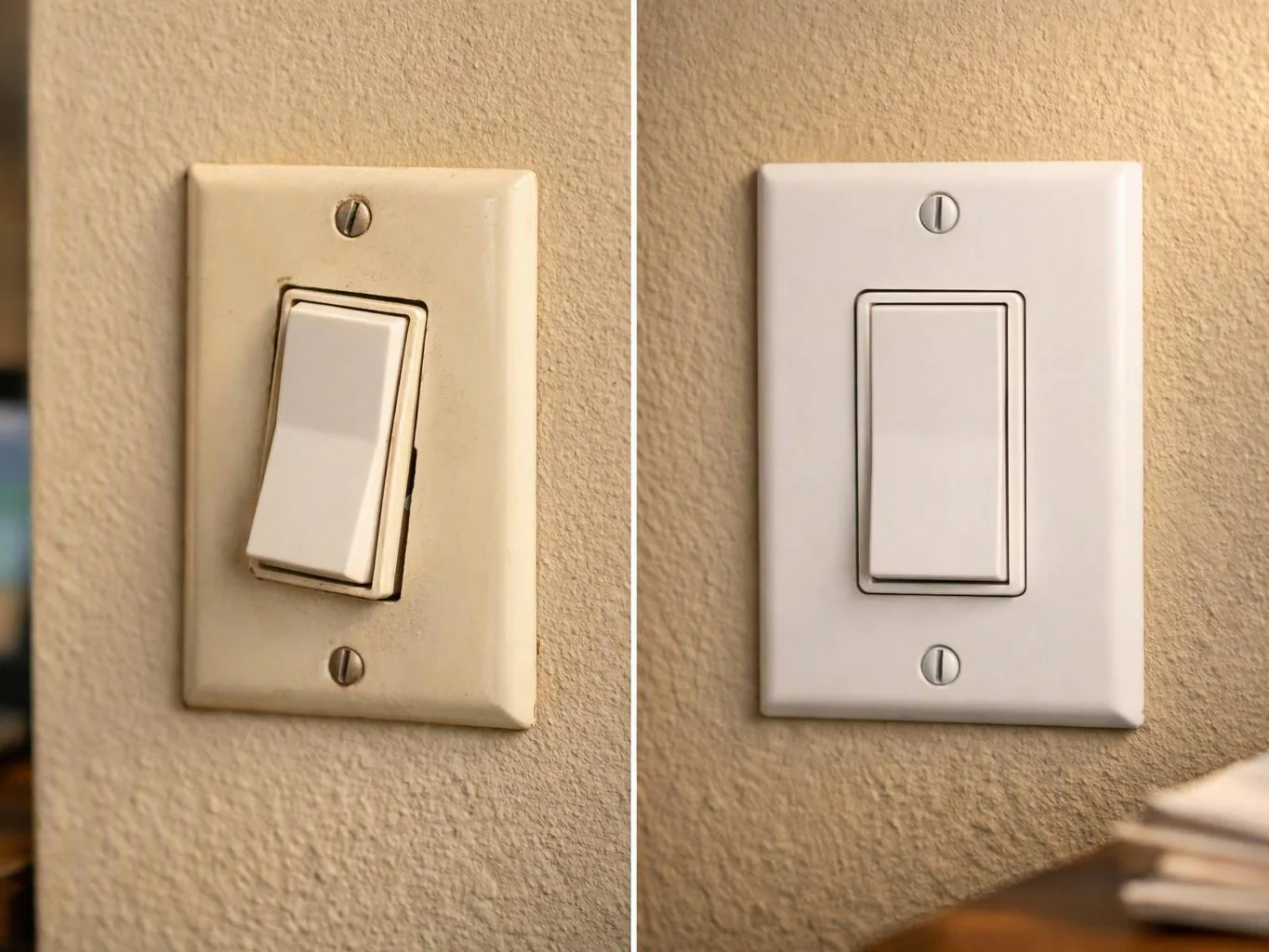
A before-and-after view shows a wall light switch changing from tilted and worn to straight and clean

Service Overview

Bidirectional charging system troubleshooting is a fault-finding service that checks power flow in both charging directions.

  • This work differs from standard EV charging installation because it diagnoses an operating system instead of adding a basic charging circuit.
  • GMB Electric provides this service for homes and businesses in Danville.

What stable system diagnosis changes for you

You get a clearer choice between repairing the charging system and addressing another electrical fault.

Testing separates sensor errors from inverter, relay, battery control, or grounding problems.

A defined fault path helps prevent repeated resets and uncertain repair attempts.

Homes and businesses can plan the next electrical step from documented test findings.

Process

How we trace bidirectional charging faults

1

Record the operating symptom

We note when the fault appears, such as during charging, power return, or a transfer between states.

2

Test the current reading

We compare Current sensors with measured power flow and inspect the related wiring and connections.

3

Check inverter and battery controls

We review the power inverter and battery management response for fault signals or limits that affect operation.

4

Test relay and grounding paths

We inspect grid relay switching and grounding connections that support safe power transfer.

5

Define the repair decision

We explain the fault found, the electrical work needed, and whether a separate service such as circuit troubleshooting fits the issue.

What this troubleshooting service is built to decide

Find the failed control point

The first decision is whether the fault follows the sensor signal, inverter output, battery control, relay action, or grounding path. We test those links in sequence. This service is the wrong job when the issue comes from a utility outage or equipment that has no bidirectional function.

Separate equipment from wiring

A charging fault can begin inside the equipment or in the property circuit feeding it. We trace the circuit and inspect connections so the repair scope matches the actual source.

Keep the next repair specific

Our team explains what the checks found and which electrical work follows. That may lead to circuit troubleshooting, grounding correction, or a separate panel service.

What bidirectional charging troubleshooting includes

GMB Electric provides comprehensive Bidirectional charging system troubleshooting in Danville. Here's what you get:

  • We inspect Current sensors and compare their readings with the system's measured power flow.
  • We test the power inverter for fault signals, unstable output, and control response.
  • We review battery management signals that affect charging and power return.
  • We check the grid relay and its switching behavior during transfer.
  • We inspect grounding connections that support safe system operation.
  • We explain the diagnosed fault and the next repair or electrical service step.

Fault areas checked during bidirectional charging diagnosis

The table separates the main system areas by the sign they can create and the check we perform.

System areaWhat we checkWhat the result decides
Current sensorsReading accuracy and wiringWhether the system receives a reliable power-flow signal
Power inverterFault signals and output behaviorWhether conversion or control needs repair
Battery managementCharge limits and control signalsWhether battery controls restrict operation
Grid relaySwitching during power transferWhether the transfer path responds correctly
Grounding systemConnections and electrical referenceWhether grounding work belongs in the repair scope

The GMB Electric Standard

  • Urgent Assistance
  • Issue Diagnosis
  • Careful Inspection
  • Clear Options

Questions about unstable bidirectional charging

Which components should be tested when bidirectional charging is unstable?

GMB Electric tests Current sensors first, then checks the power inverter, battery management, grid relay, and grounding system. Each part affects power flow or system safety. We compare readings with system behavior and inspect related wiring. The results show whether the repair belongs to the equipment, the property circuit, or another electrical service.

How does a troubleshooting visit move from the first call to the last step?

The visit moves from symptom review to system testing and a defined repair decision. We gather the fault condition and recent changes first. Next, we trace sensor readings, inverter output, battery controls, relay action, and grounding. The final step is a plain explanation of the fault and the electrical work that follows.

Which part of the property decides the troubleshooting scope?

The connected electrical circuit decides the scope when it limits access to the charging equipment or affects power flow. A panel, feeder, disconnect, or grounding connection may need review. We inspect the path between the equipment and property supply. That check separates a system fault from a wider circuit problem.

What material changes how this troubleshooting work is done?

The wiring material and equipment connection type can change the testing approach. Copper conductors, aluminum conductors, terminals, and enclosed connections need different checks for secure contact and heat damage. We inspect the actual circuit before setting the repair scope. The equipment layout also affects safe access to each test point.

When should I stop using unstable charging equipment?

Stop using the equipment when it shows a burning smell, buzzing, sparking, heat, or repeated breaker trips. Those signs can point to an electrical hazard. Keep people away from damaged parts and request electrical troubleshooting. We can inspect the system and explain whether the issue involves equipment, wiring, or grounding.

Why can a system fault return after a reset?

A reset can clear a control fault without fixing the failed sensor, relay, inverter, or wiring. Repeated faults need testing of the full power path. We compare the system response before and after the fault appears. That process helps identify a part that loses signal or control during operation.
Contact

Request a bidirectional charging troubleshooting quote in Danville

Ask for a system assessment and quote, and urgent requests get priority scheduling.

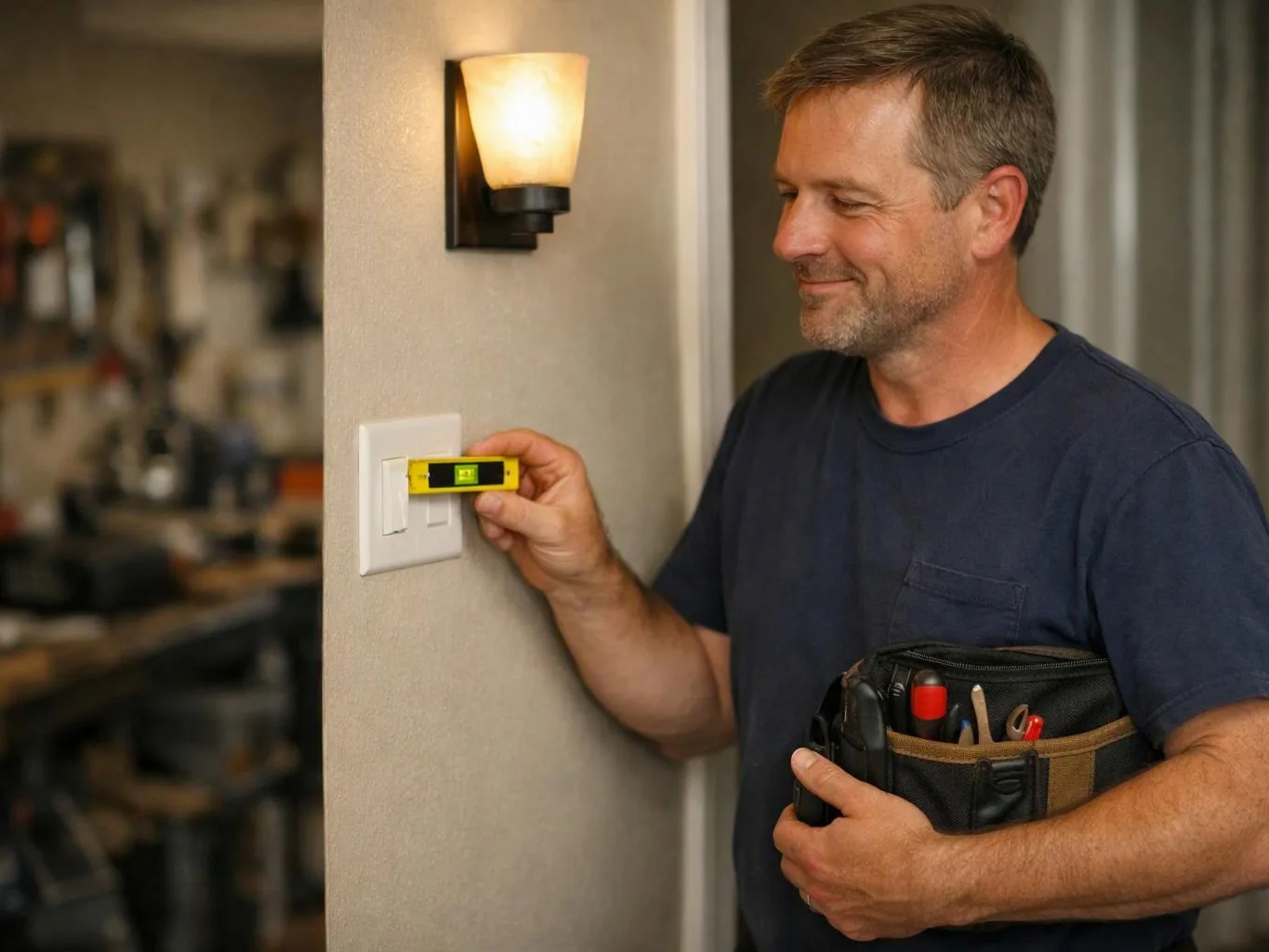
A man measures a wall switch with a small level beside a glowing light fixture indoors

ZIP Codes We Serve in Danville, Indiana

46122

Bidirectional charging system troubleshooting in Other Areas

(317) 608-1220