Skip to content

Bidirectional Charging System Troubleshooting in Fishers, Indiana

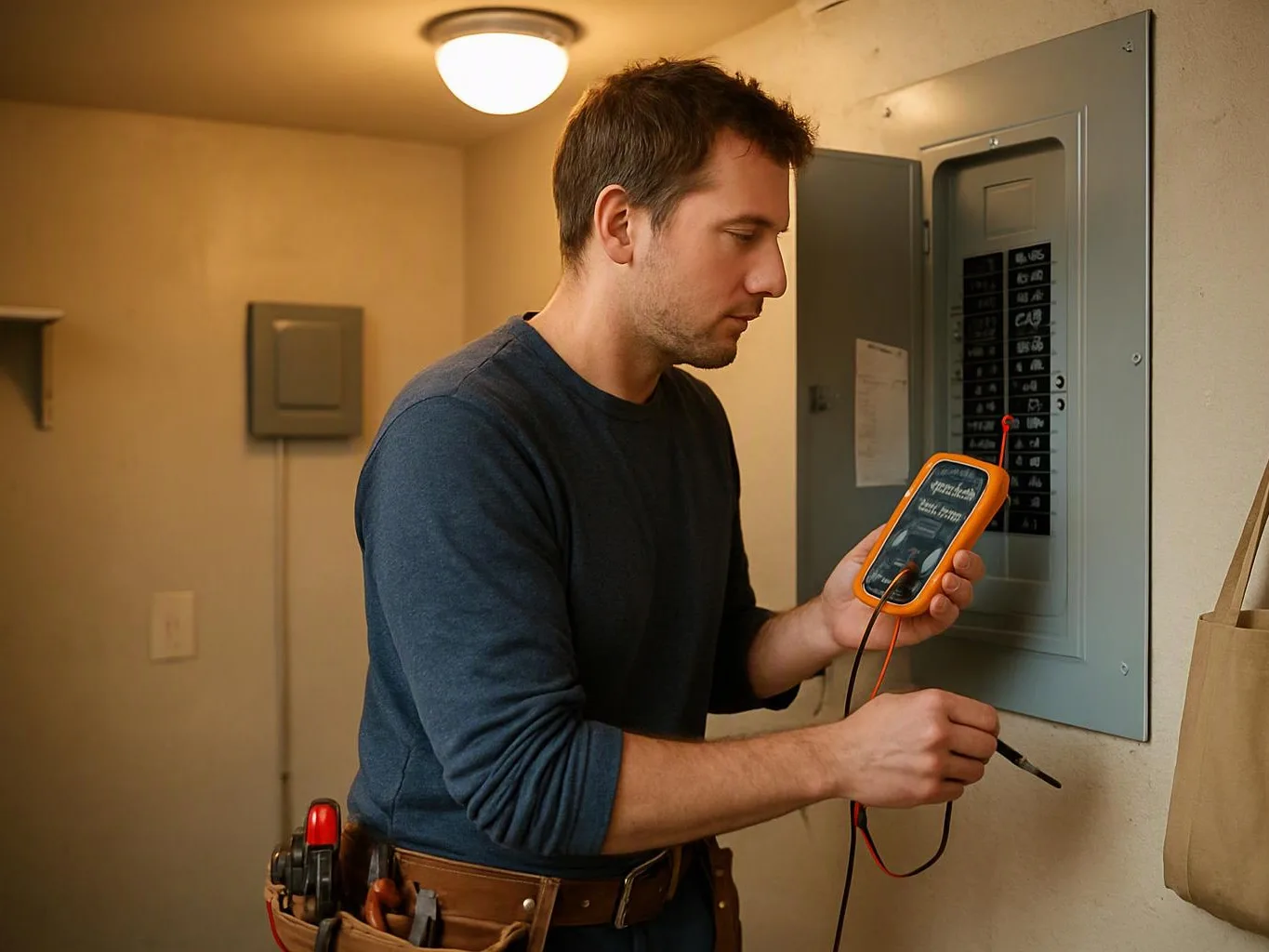
Safe electrical isolation matters when Authentication failure stops bidirectional equipment from connecting in Fishers. We check the connection path before testing the system.

Licensed & InsuredWarranty AvailableSame-Day ServiceUpfront, Transparent Pricing

Quick Summary: bidirectional charging system troubleshooting in Fishers, Indiana

Bidirectional charging system troubleshooting in Fishers is provided by GMB Electric for connection faults, network settings, pilot signals, connector damage, and software mismatch. We serve residential and commercial properties with electrical service available around the clock.

  • What we do: GMB Electric provides bidirectional charging system troubleshooting for homes and businesses in Fishers, Indiana.
  • What is included: We check authentication, network settings, pilot signals, connectors, and software compatibility.
  • What you get: The customer receives a clear diagnosis and a defined repair or follow-up decision for the charging system.

Why does bidirectional charging equipment keep losing its connection in Fishers, Indiana?

Authentication failure often stops bidirectional charging equipment from connecting. Network settings, pilot signals, connector damage, and software mismatch also need testing before repair work is chosen.
Bidirectional charging system troubleshooting for Fishers properties

Bidirectional charging equipment must share data before it can manage power in both directions. This service focuses on the connection between the vehicle, charger, network, and control system.

The main buyer decision is whether the fault needs a setting change, equipment repair, software update, or a separate electrical service. We inspect the reported symptom and trace the connection path before recommending work.

This page is for owners, property managers, and businesses with bidirectional charging equipment that stops connecting or shows a connection fault. It isn't a substitute for a panel upgrade or a new EV charging installation when the existing electrical supply is the real limit.

  • Record the exact warning message or connection symptom.
  • Check whether the charger, vehicle, and network can communicate.
  • Inspect the connector and cable for visible damage.
  • Separate a control fault from a circuit or panel problem.
  • Set the next repair step after testing and verification.
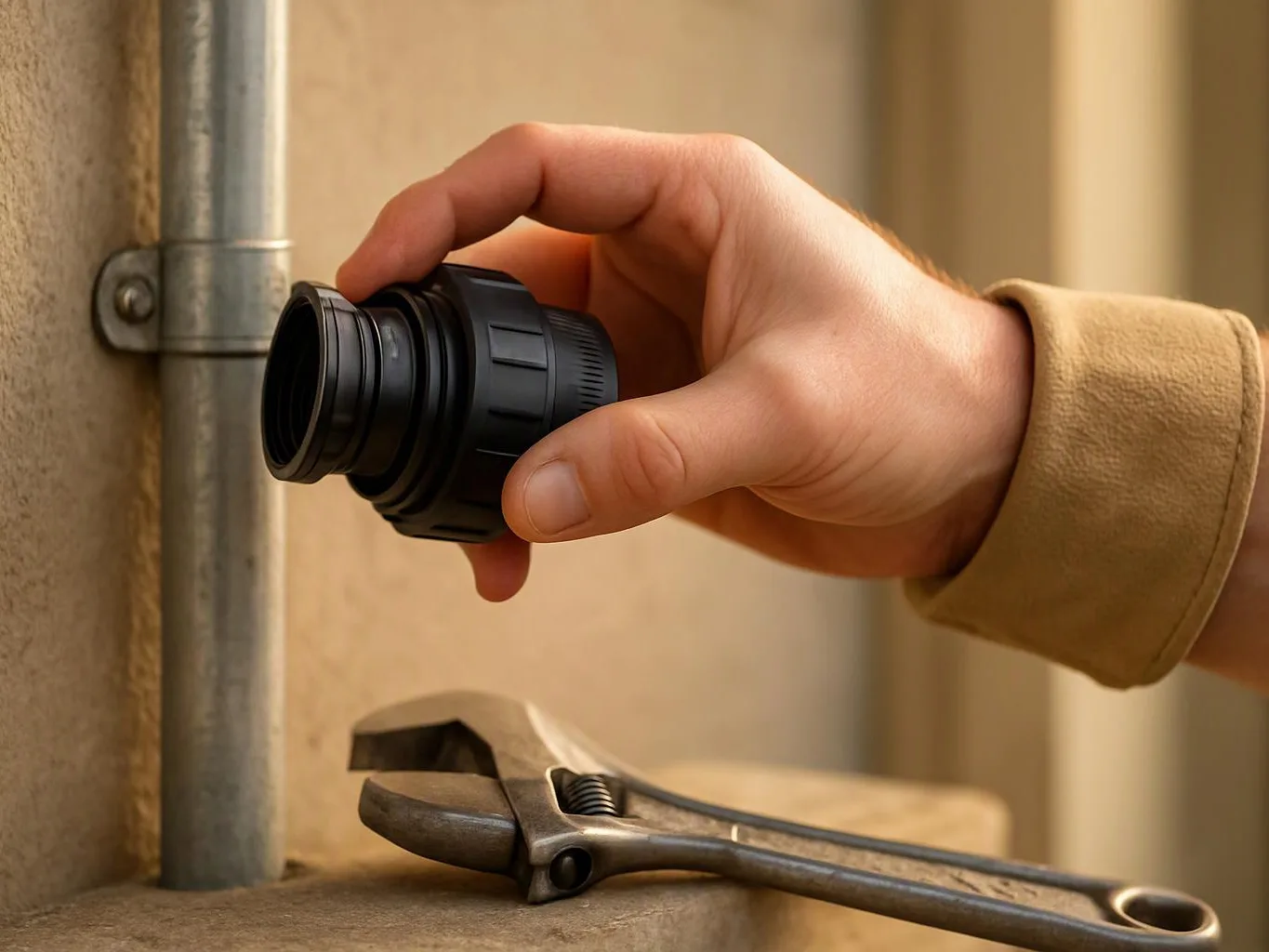
A hand holds a black camera lens near a pipe, with an adjustable wrench resting on a ledge

Service Overview

Bidirectional charging system troubleshooting is a diagnostic service that finds why charging equipment cannot connect or exchange power as expected.

  • It checks the connection path and control signals, while ordinary circuit troubleshooting focuses on power flow through the building wiring.
  • GMB Electric provides this service for residential and commercial properties in Fishers.

What bidirectional charging troubleshooting includes

GMB Electric provides comprehensive Bidirectional charging system troubleshooting in Fishers. Here's what you get:

  • We inspect the charging equipment and review the connection symptom.
  • We test network settings that affect equipment communication.
  • We check the pilot signal between connected charging equipment.
  • We inspect the connector and cable for visible damage.
  • We look for software mismatch between connected equipment.
  • We explain whether the next step is a repair, update, or separate electrical service.

What this service helps you decide

Connection fault or electrical fault

The inspection separates communication problems from circuit problems. This service is the wrong job when the main issue is a damaged building circuit that needs electrical repair first.

Settings before replacement

Network settings and software compatibility deserve testing before equipment replacement is considered. A failed connection does not prove that the charger or vehicle needs replacement.

Evidence for the next step

Testing and verification give you a plain explanation of the fault, the affected connection point, and the work that should follow.

Process

How we trace a bidirectional charging connection

1

Record the connection symptom

We review the warning message, connection state, and recent changes reported by the property owner.

2

Isolate the charging equipment

We use safe electrical isolation before inspecting the charger, vehicle connection, cable, and related controls.

3

Test the pilot signal

The pilot signal is checked to see whether the charging equipment and vehicle exchange the expected control information.

4

Review network and software

We check network settings and software compatibility when the equipment cannot complete its connection process.

5

Inspect and verify the fault

We examine connector condition, confirm the fault, and explain whether the next step is repair, update, or separate electrical work.

What this connection diagnosis changes for you

A traced fault helps you understand why the equipment stopped connecting.

Testing separates a communication issue from an electrical supply issue.

The findings help you decide whether repair or replacement work fits the problem.

Clear next steps reduce the risk of changing the wrong part.

Businesses can discuss the fault without relying on a vague warning message.

Connection fault or electrical fault?

The first decision is whether the symptom points to communication controls or the building electrical system.

Diagnosis areaSigns to reportService focus
Connection faultLogin, pairing, pilot, or software warningTrace communication and control settings
Electrical faultDead equipment, tripped breaker, or wiring symptomInspect the circuit, panel, and electrical supply

The GMB Electric Standard

  • Urgent Assistance
  • Issue Diagnosis
  • Careful Inspection
  • Clear Options

Questions about bidirectional charging connection faults

What causes bidirectional charging equipment to stop connecting?

Authentication failure is a leading cause of lost connection, but network settings, pilot signals, connector damage, and software mismatch can also stop communication. GMB Electric checks each part of the connection path before choosing a repair. The warning message and recent equipment changes help narrow the fault.

What should be checked before troubleshooting is scheduled?

The equipment warning, visible connector condition, and recent network or software changes should be recorded first. Useful details include the vehicle connection state and whether the charger powers on. Do not use a connector with visible damage, and keep access clear for safe testing.

Who is a good fit for this service, and who needs different work?

Owners with connection errors or failed charging communication are a good fit for this service. A damaged building circuit, overloaded panel, or unsafe wiring needs electrical repair beyond connection diagnosis. We identify that boundary during testing and explain the next service step.

What happens at each stage of the troubleshooting visit?

The visit moves from symptom review to safe isolation, signal testing, network checks, connector inspection, and verification.

  1. We record the warning and connection state.
  2. We isolate equipment safely.
  3. We test the pilot signal and communication path.
  4. We explain the repair or follow-up choice.

How do network settings affect the charging connection?

Network settings can prevent connected equipment from reaching the service or completing authentication. We review access details, connection status, and recent changes without assuming the charger has failed. The findings show whether a setting change or deeper equipment test is needed.

When does connector damage require urgent attention?

Visible connector damage requires the equipment to remain out of use until it is checked. Bent pins, heat marks, or a damaged cable can affect both communication and electrical safety. We inspect the connector and isolate related faults before discussing repair or replacement.

Which information helps set the troubleshooting scope?

The warning message, equipment type, connection symptom, and recent software or network change help set the diagnostic scope. Photos can help show connector damage, but they do not replace an electrical inspection. We use the available details to plan a focused assessment.
Contact

Request a Bidirectional Charging Troubleshooting Quote in Fishers

Share the connection symptom and equipment details for a quote, and urgent requests get priority scheduling.

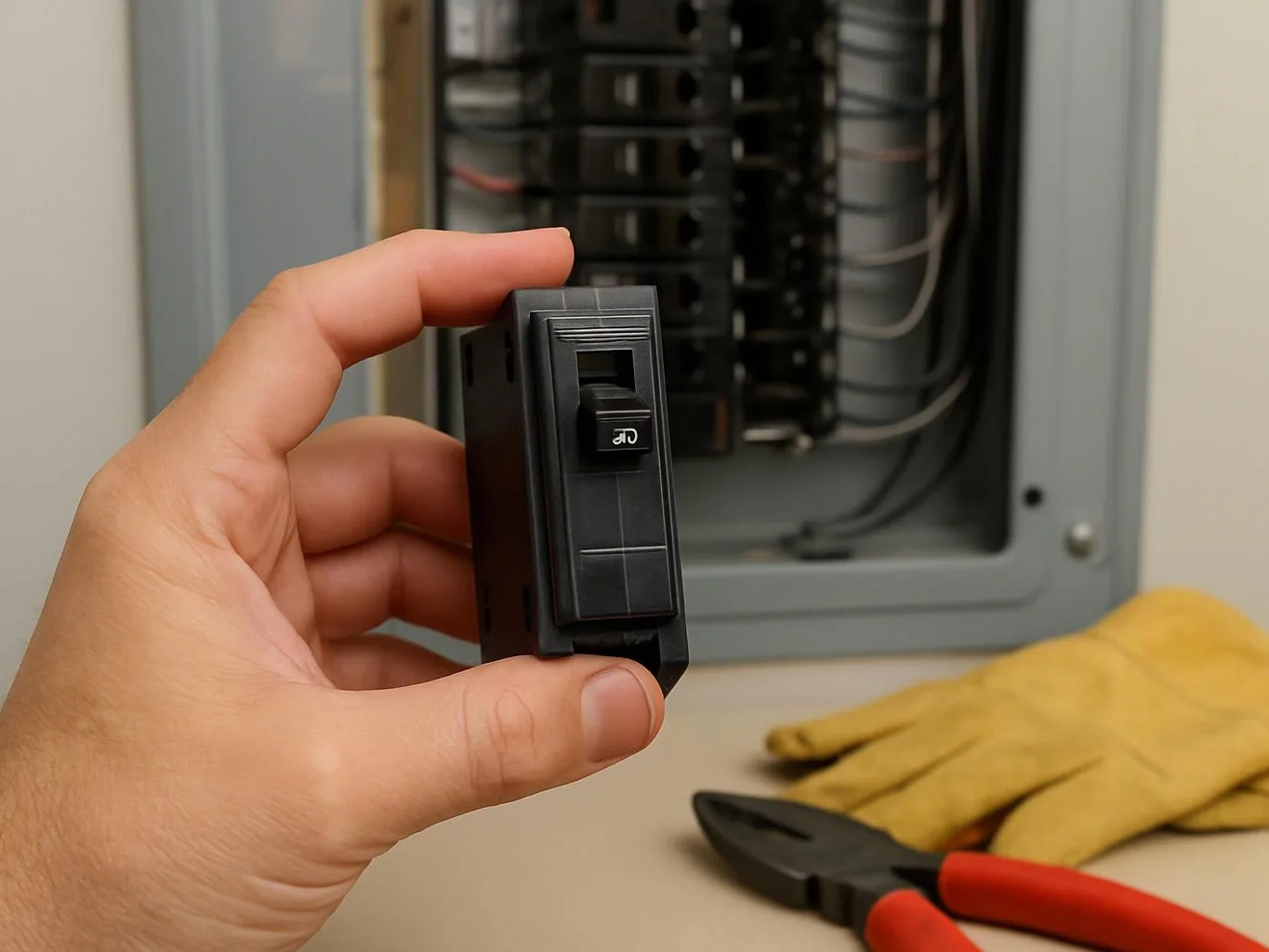
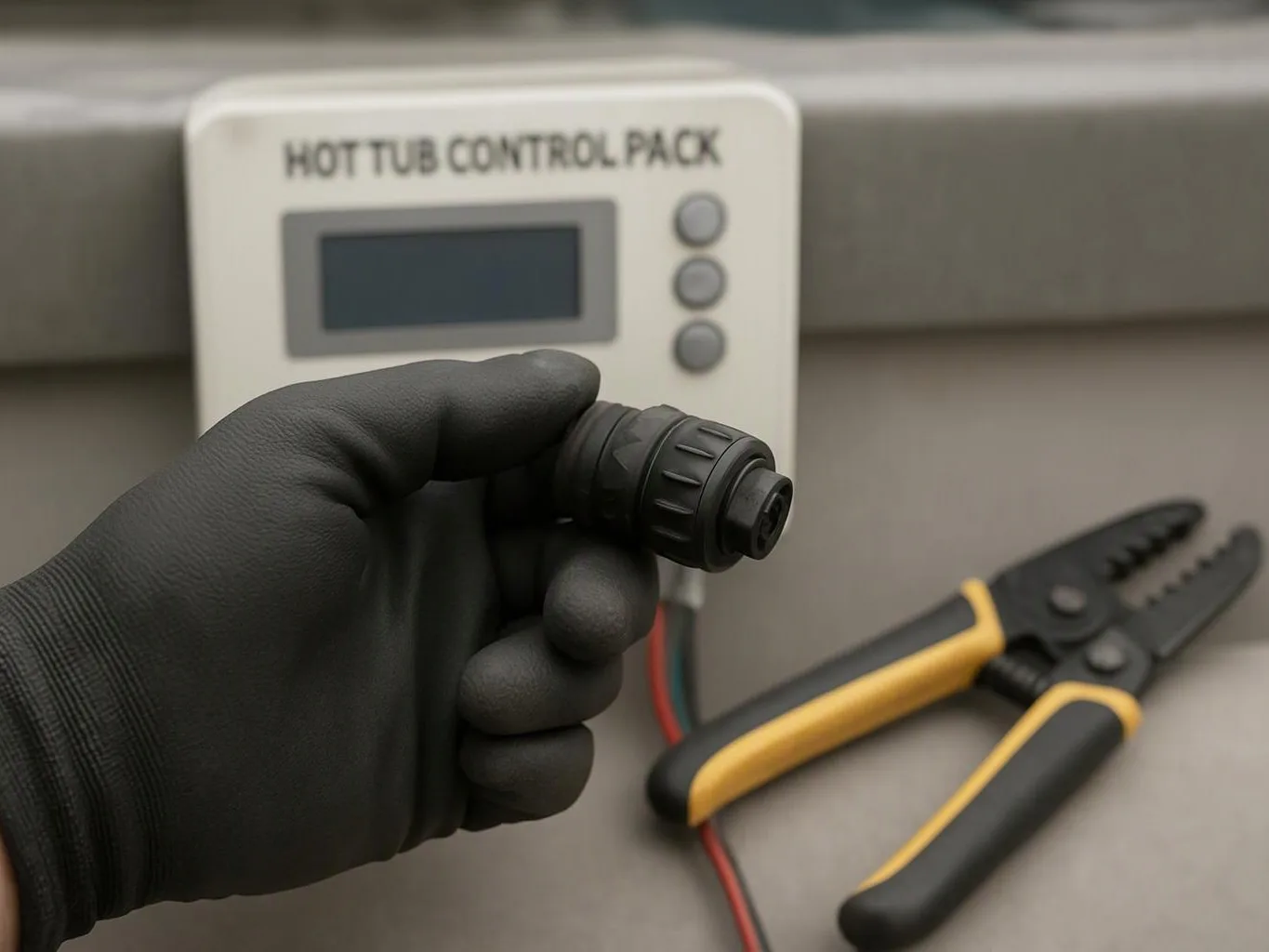
A gloved hand holds a black cable connector in front of a hot tub control pack with pliers nearby

ZIP Codes We Serve in Fishers, Indiana

460374603846085

Bidirectional charging system troubleshooting in Other Areas

(317) 608-1220