Skip to content

Bidirectional Charging System Troubleshooting in Whiteland, Indiana

Authentication failure checks help connect bidirectional charging equipment in Whiteland. We trace the fault through network settings, pilot signals, and software.

Licensed & InsuredWarranty AvailableSame-Day ServiceUpfront, Transparent Pricing

Quick Summary: Bidirectional charging system troubleshooting in Whiteland, Indiana

Bidirectional charging system troubleshooting in Whiteland is provided by GMB Electric for connection faults involving charging equipment, vehicle links, connectors, and network settings. Service covers residential and commercial properties, with emergency electrical service available around the clock.

  • What we do: GMB Electric provides bidirectional charging system troubleshooting for homes and businesses in Whiteland, Indiana.
  • What is included: We trace connection faults, check authentication, test pilot signals, inspect connectors, and review software compatibility.
  • What you get: The charging system reaches a clear repair or replacement decision after the fault is tested.

Why does bidirectional charging equipment keep failing to connect in Whiteland, Indiana?

Authentication failure is a leading cause when bidirectional charging equipment stops connecting. Network settings, pilot signals, connector damage, and software mismatch can also interrupt the link. We test each related point and explain whether the issue needs electrical repair, equipment service, or software support.

Bidirectional charging system troubleshooting for Whiteland properties

Bidirectional charging system troubleshooting focuses on the connection between the vehicle, charging equipment, control software, and electrical supply. The buyer's main decision is whether the fault sits in the wiring, the charger, the vehicle link, or the network.

We check the full path before setting the repair scope. A failed connection does not always mean the charger needs replacement, and a working screen does not prove the system can exchange power safely.

This page serves property owners who already have bidirectional charging equipment and need a clear fault diagnosis. New EV charging installation, panel upgrades, or unrelated power faults require a different service scope.

  • Confirm whether the equipment powers on and displays a connection warning.
  • Check network settings and authentication details.
  • Test the pilot signal between the vehicle and charger.
  • Inspect the connector for damage or poor contact.
  • Compare installed software versions for compatibility.
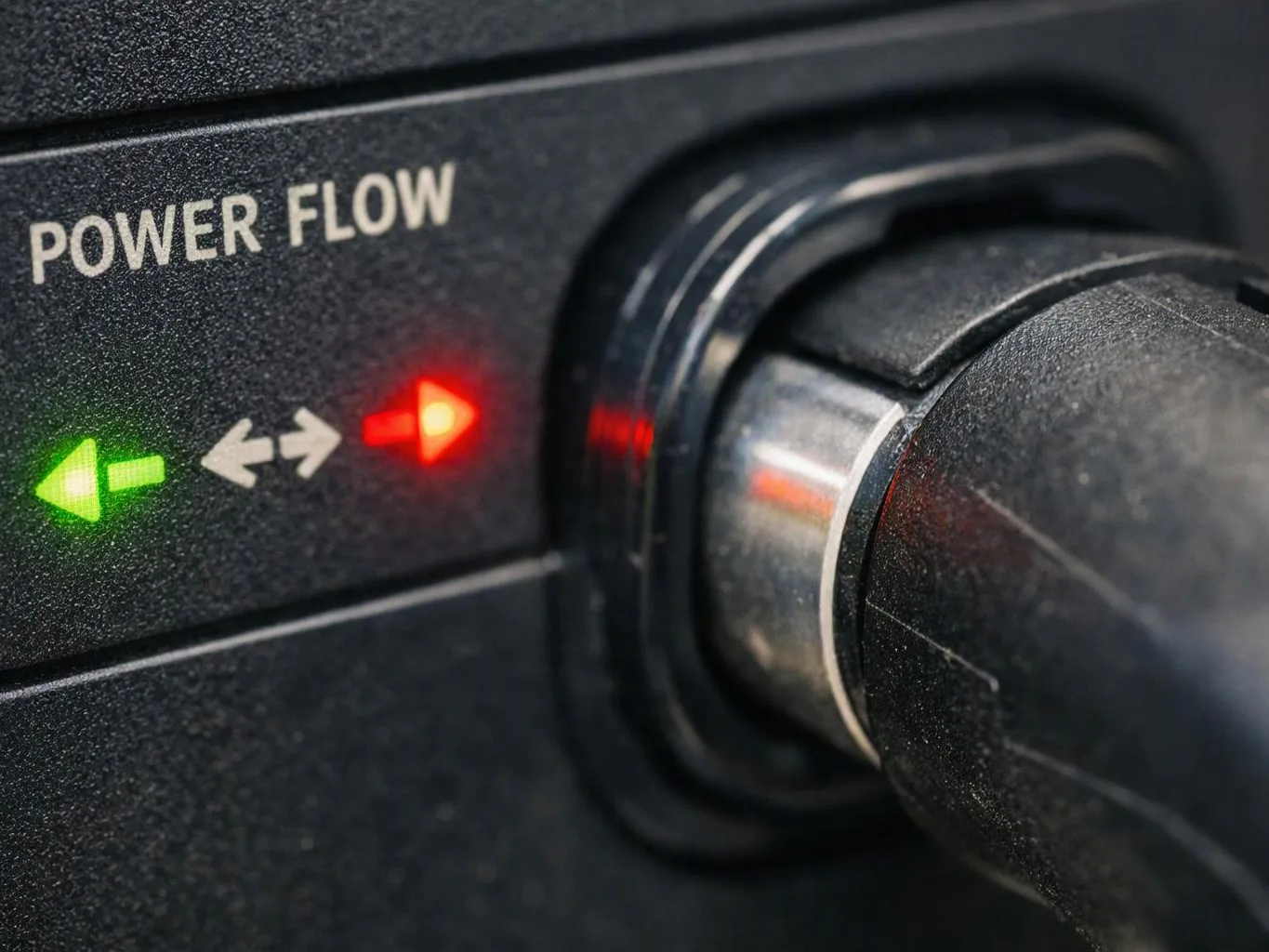
Close-up of a black device panel labeled POWER FLOW with green and red indicator lights beside a plugged-in cable

Service Overview

Bidirectional charging system troubleshooting is a fault-finding service that checks why charging equipment cannot connect or exchange power.

  • It differs from a standard EV charging installation because the work focuses on an existing connection, not a new circuit or charger setup.
  • GMB Electric provides this troubleshooting for residential and commercial properties in Whiteland.

What this connection check helps you decide

A structured fault check separates an electrical issue from a connection or software issue.

You get clear answers about the next repair step.

Testing helps identify connector damage before continued use creates a larger fault.

The inspection supports safer charging decisions for homes and businesses.

Emergency electrical service is available around the clock when a related electrical fault needs attention.

What you get from this charging fault diagnosis

A tested repair decision

We check the connection path before we set the work scope. Licensed and insured electrical professionals handle the electrical troubleshooting. This service is the wrong fit when the issue is only vehicle software support with no electrical or charging-system fault.

Attention to the pilot signal

The pilot signal helps the vehicle and charger agree on the charging state. We test that link when the equipment powers on but will not connect.

Clear separation of fault types

Network settings, connector damage, and software mismatch need different next steps. Our team explains which area needs repair or outside equipment support.

A situation this service fits

A typical Whiteland property may have bidirectional equipment that powers on but refuses to connect after a network or software change. We check the displayed fault, isolate the charging circuit when needed, test the pilot signal, and inspect the connector before discussing repair scope. Permit or code questions apply when the work expands into new wiring or equipment installation.

Process

Steps for finding the charging connection fault

1

Record the displayed fault

We note the warning message, equipment status, and last known working condition.

2

Check power and network settings

The equipment power state and network settings help separate an electrical fault from a connection problem.

3

Test the pilot signal

We test the pilot signal between the vehicle and charger when the link does not complete.

4

Inspect the connector

We inspect the connector for damage, poor contact, or visible wear that could interrupt charging.

5

Review software compatibility

We check for software mismatch and explain whether the next step involves electrical repair or equipment support.

What bidirectional charging troubleshooting includes

GMB Electric provides comprehensive Bidirectional charging system troubleshooting in Whiteland. Here's what you get:

  • We inspect the charger, vehicle connection, and visible connector condition.
  • We check network settings that could block equipment authentication.
  • We test the pilot signal that coordinates the vehicle and charger.
  • We look for connector damage, loose contact, or visible wear.
  • We review software mismatch as a possible cause of failed connection.
  • We explain the tested fault and the next repair decision.

Charging connection fault areas

These fault areas need different checks and lead to different next steps.

Fault areaWhat we checkPossible next step
Network settingsConnection details and authentication statusCorrect settings or equipment support
Pilot signalControl link between vehicle and chargerElectrical troubleshooting or repair
Connector damageVisible wear and charging contactConnector repair or replacement decision
Software mismatchReported equipment version and behaviorSoftware support or further electrical testing

The GMB Electric Standard

  • Urgent Assistance
  • Issue Diagnosis
  • Careful Inspection
  • Clear Options

Questions about charging connection faults

What causes bidirectional charging equipment to stop connecting?

Authentication failure can stop bidirectional charging equipment from connecting. Network settings, pilot signal faults, connector damage, and software mismatch can create similar symptoms. We test those areas in order and explain whether the next step is electrical repair, equipment service, or software support.

What should be ready before troubleshooting starts?

Equipment details and the displayed warning should be ready before troubleshooting starts. Helpful information includes the charger model, vehicle model, last known working condition, and recent network changes. Clear access to the charger and connector also helps us inspect and test the charging path.

Which property condition changes the troubleshooting time?

Access to the charger, vehicle connection, electrical panel, and network equipment changes the time needed for testing. A blocked panel or damaged connector can add inspection steps. We assess the available access first and explain the scope before approved work begins.

What should I ask before agreeing to this service?

Ask which connection points will be tested and what the assessment includes. Confirm that the work will address the charger, pilot signal, connector, and electrical supply as needed. We explain the tested fault and proposed next step before moving from diagnosis to repair.

Can a network problem look like an electrical problem?

A network problem can look like an electrical problem when the charger has power but cannot complete authentication. We check the display, power state, network settings, and pilot signal together. That process helps separate connection support from electrical troubleshooting.

When should I stop using a damaged charging connector?

A damaged, hot, cracked, or visibly burned connector should not remain in use. We inspect the connector and related charging connection before recommending the next step. If you notice a burning smell, sparking, or a buzzing panel, treat the condition as an urgent electrical concern.

Who provides this troubleshooting for Whiteland properties?

GMB Electric provides bidirectional charging system troubleshooting for residential and commercial properties in Whiteland. We check connection faults, electrical conditions, pilot signals, connectors, and related settings. The assessment helps identify whether the next step is electrical repair or equipment support.
Contact

Request a bidirectional charging troubleshooting estimate in Whiteland

Get a clear diagnosis for the connection fault, and urgent requests get priority scheduling.

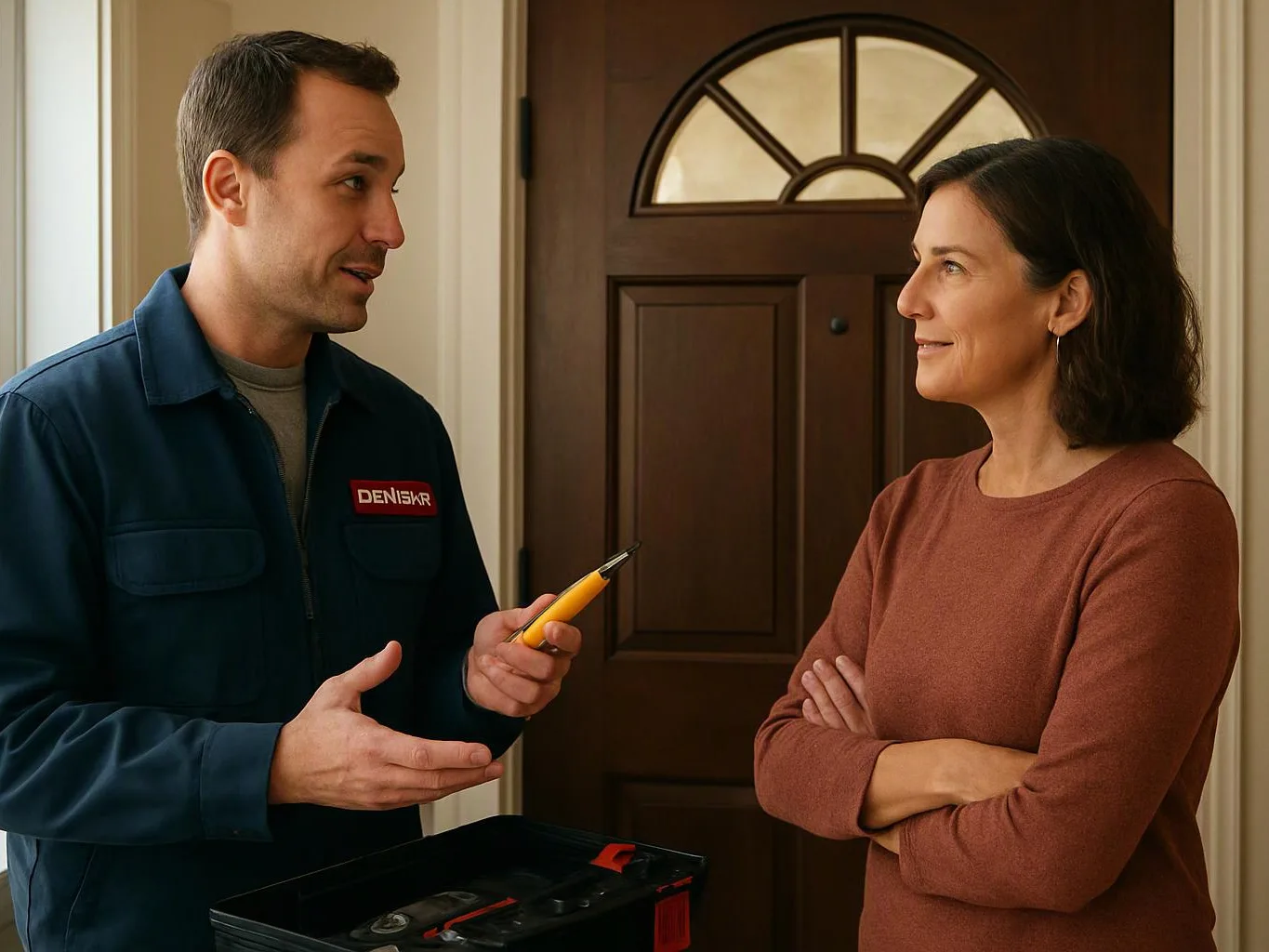
A technician talks to a woman beside a front door while holding a yellow tool and an open toolbox

ZIP Codes We Serve in Whiteland, Indiana

46184

Bidirectional charging system troubleshooting in Other Areas

(317) 608-1220