Skip to content

Bidirectional Charging System Troubleshooting in Waterloo, Indiana

Safe isolation matters when an Inverter fault affects bidirectional charging in Waterloo. We check the system before power flows back to the property.

Licensed & InsuredWarranty AvailableSame-Day ServiceUpfront, Transparent Pricing

Quick Summary: Bidirectional Charging System Troubleshooting in Waterloo, Indiana

Bidirectional charging system troubleshooting in Waterloo is provided by GMB Electric for homes and businesses. The service checks inverter faults, grid signals, battery limits, transfer switches, and control firmware across Indianapolis and surrounding communities, with licensed and insured electrical professionals.

  • What we do: GMB Electric provides Bidirectional charging system troubleshooting for homes and businesses in Waterloo, Indiana.
  • What is included: We inspect inverter faults, grid signals, battery limits, transfer switches, and control firmware.
  • What you get: The customer receives a tested fault path and a clear decision about the needed electrical repair.

Why is my bidirectional charging system not sending power back in Waterloo, Indiana?

An inverter fault is the first concern when a bidirectional charging system won't send power back. GMB Electric checks the inverter, grid signal, battery limits, transfer switch, and control firmware to identify the fault path. The system may need electrical repair, control correction, or further equipment review after testing.
Working With Our Team in Waterloo

Bidirectional charging system troubleshooting focuses on the power path from the battery through the inverter and into the property. The work suits a system that charges normally but won't provide power back, shows a fault message, or stops during an expected transfer.

The buyer's key decision is whether the issue sits in the electrical system, the charging equipment, or its control settings. We check the inverter fault first, then compare the grid signal, battery limits, transfer switch, and control firmware. This page serves Waterloo through GMB Electric's residential and commercial electrical coverage, without treating every charging problem as a panel repair.

A failed transfer may need electrical troubleshooting, while a product defect may require the equipment maker's support. We explain that distinction after testing so you know which repair path fits.

  • Check whether the system charges the battery but will not send power back.
  • Note any inverter fault message or warning light before service.
  • Keep the inverter, transfer switch, and electrical panel accessible for testing.
  • Share system alerts or control settings that appeared before the fault.
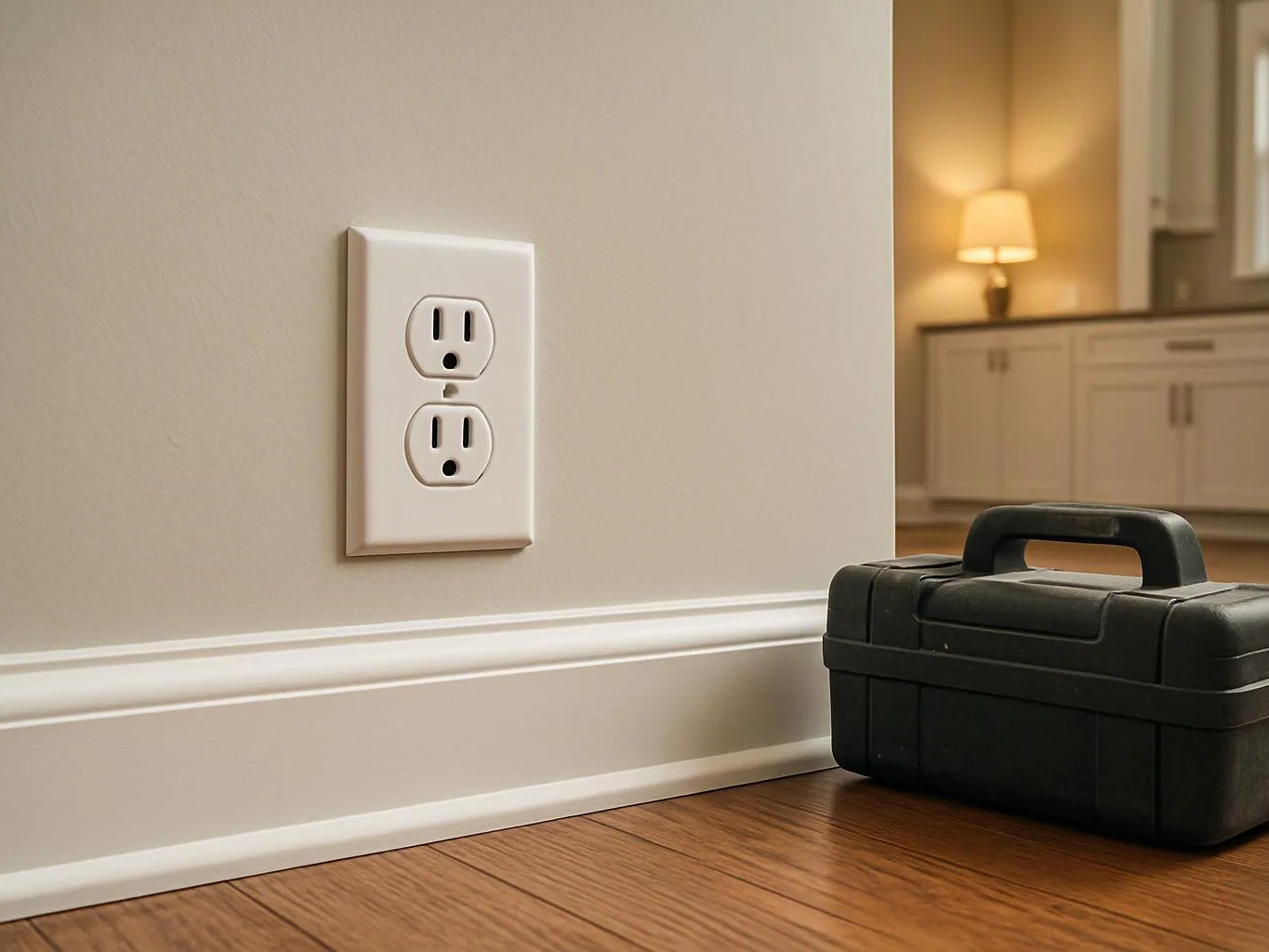
A black toolbox sits on a wooden floor beside a wall outlet in a softly lit room

Service Overview

Bidirectional charging system troubleshooting is an electrical service that finds why stored power isn't moving back through a charging system.

  • It differs from EV charging installation because we diagnose an existing power flow problem instead of setting up new charging equipment.
  • GMB Electric provides this service for homes and businesses in Waterloo.
Process

How We Trace a Bidirectional Charging Fault

1

Record the reported fault

We review the system alert, power-flow symptom, and recent operating condition before testing begins.

2

Check the inverter and signal

The inverter fault and grid signal are checked first because they affect whether return power is allowed.

3

Test battery limits and switching

We check battery limits and the transfer switch to see whether either part blocks the power path.

4

Review control commands

Control firmware settings are reviewed when the electrical path does not explain the failed transfer.

5

Explain the repair scope

We share the tested fault path and explain whether the next step involves electrical repair or equipment support.

How We Approach Bidirectional Charging System Troubleshooting

Start with the inverter fault

The inverter fault gives us a useful starting point, but it doesn't prove the inverter is the only cause. We test the linked power path before setting the repair scope.

Trace the return power path

Grid signals, battery limits, and the transfer switch can each stop power from moving back. Our testing follows those links so the explanation matches the system's behavior.

Know when this is the wrong job

A damaged battery pack or manufacturer software defect may need equipment support after electrical checks. We identify that limit instead of presenting a charging fault as a wiring repair.

What This Charging System Check Helps You Decide

You get a clearer answer about why stored power isn't reaching the property.

Testing separates an electrical fault from a battery, control, or equipment issue.

The findings help you decide whether to repair wiring, correct controls, or seek equipment support.

A checked transfer switch reduces the risk of treating a control problem as a panel problem.

What Bidirectional Charging System Troubleshooting Includes

GMB Electric provides comprehensive Bidirectional charging system troubleshooting in Waterloo. Here's what you get:

  • We inspect the inverter and trace the power path linked to the reported fault.
  • We test the grid signal that tells the system when power can move back.
  • We check battery limits that could block discharge or home power support.
  • We inspect the transfer switch for correct operation during power flow changes.
  • We review control firmware settings when the system's commands do not match its behavior.
  • We explain the tested fault path and the next electrical repair step.

Electrical Fault Paths Checked During Charging Troubleshooting

These fault paths point to different checks and repair decisions.

Fault pathWhat we checkPossible next decision
Inverter faultFault status and electrical connectionsRepair or further equipment review
Grid signalSignal reaching the charging systemTrace the signal path or controls
Transfer switchSwitch operation during power flowRepair the switching path
Control firmwareCommands and settings affecting dischargeReview controls or seek equipment support

The GMB Electric Standard

  • Urgent Assistance
  • Issue Diagnosis
  • Careful Inspection
  • Clear Options

Questions About Bidirectional Charging System Troubleshooting

Why does an inverter fault stop power from returning to the property?

An inverter fault can block the conversion needed to send battery power to the property. GMB Electric checks the inverter status and its related electrical path first. Grid signals, battery limits, and control firmware can also affect the fault. Testing shows whether the inverter needs repair or another part prevents the transfer.

What does the crew look at first during this troubleshooting?

The inverter and its fault status get the first check. We then test the grid signal because the system needs a valid signal before it sends power back. The inspection also checks visible wiring, system connections, and the transfer switch. These checks help separate a power path issue from a control issue.

What happens at each stage of the electrical fault check?

The fault check starts with the reported symptom, then follows the return power path.

  1. We record alerts and operating conditions.
  2. We test the inverter and grid signal.
  3. We check battery limits and the transfer switch.
  4. We review control firmware when needed.

The final explanation identifies the next repair decision.

What should be checked before troubleshooting is scheduled?

The system alert, inverter display, and recent power behavior should be recorded first. Do not open energized equipment or change wiring to clear the fault. Clear safe access to the panel and charging equipment, then share photos of alerts if available. Those details help us discuss the right assessment scope.

Which part changes the quote for an inverter fault?

The quote changes with the fault location, testing access, and repair scope. A simple control review differs from work involving the transfer switch, wiring, or battery limits. GMB Electric explains those scope factors and provides a free estimate before work begins. The quote does not assume a brand or part replacement without testing.

When should a charging system fault become urgent?

A burning smell, buzzing panel, sparking outlet, or heat near electrical equipment makes the issue urgent. Stop using the affected equipment and keep people away from the area. GMB Electric provides 24/7 emergency electrical service, but crews only perform work under the availability given for the service call.

Who provides this charging system troubleshooting in Waterloo?

GMB Electric provides bidirectional charging system troubleshooting in Waterloo. Our licensed and insured electrical professionals check the inverter, return power path, transfer switch, and control settings. We also serve residential and commercial properties across Indianapolis and surrounding communities. The service helps identify whether the next step is electrical repair or equipment support.
Contact

Request a Quote for Bidirectional Charging System Troubleshooting in Waterloo

Ask GMB Electric for a quote that reflects the tested charging fault. Urgent requests get priority scheduling.

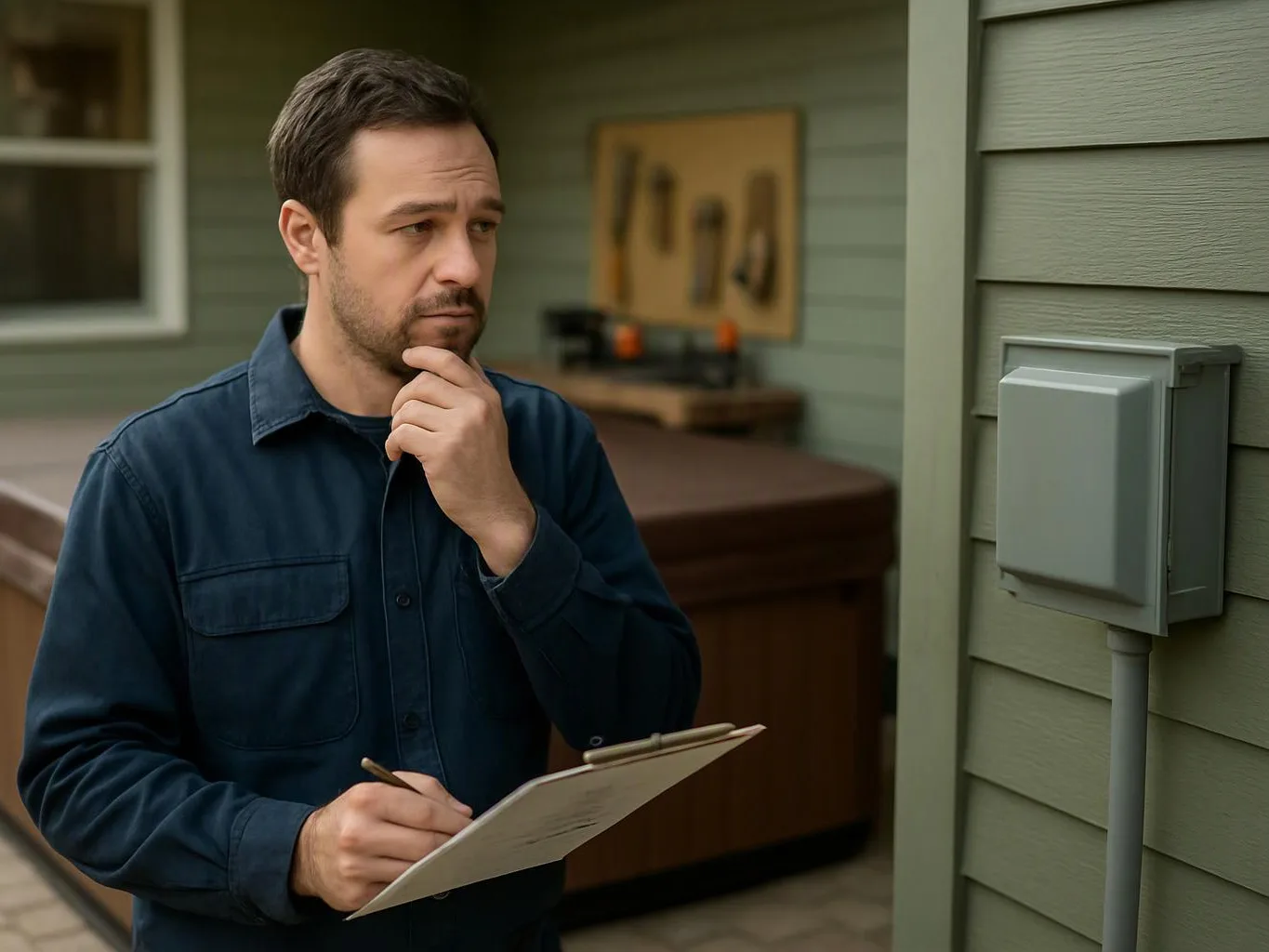
A man studies an outdoor electrical box while writing on a clipboard beside a house wall

Bidirectional charging system troubleshooting in Other Areas

(317) 608-1220