Skip to content

Bidirectional Charging System Troubleshooting in New Palestine

Authentication failure can stop bidirectional charging equipment from connecting in New Palestine. We trace the connection path and check the equipment safely.

Licensed & InsuredWarranty AvailableSame-Day ServiceUpfront, Transparent Pricing

Quick Summary: Bidirectional Charging System Troubleshooting in New Palestine, Indiana

Bidirectional charging system troubleshooting in New Palestine is provided by GMB Electric for connection faults, pilot signal issues, connector damage, and software mismatch. We serve residential and commercial properties across Indianapolis and surrounding communities with electrical service available around the clock.

  • What we do: GMB Electric diagnoses bidirectional charging system connection faults for residential and commercial properties in New Palestine, Indiana.
  • What is included: We check network settings, pilot signals, connector condition, software compatibility, and related circuit faults.
  • What you get: The charging system has a clear fault path and a defined repair or replacement decision.

Why does bidirectional charging equipment keep failing to connect?

Authentication failure often causes repeated connection loss. Network settings, pilot signal faults, connector damage, and software mismatch can also stop equipment from pairing. We check these points in order and test the connection after each relevant repair.
Working With Our Team in New Palestine

Bidirectional charging system troubleshooting focuses on equipment that stops pairing, drops its connection, or reports a charging fault. The work suits homeowners, property managers, and businesses with bidirectional charging equipment that no longer communicates with the vehicle or control system.

The key buyer decision is whether the fault sits in the network, the charging signal, the connector, or the software. We isolate those causes before recommending a repair. A damaged connector needs a different response from a software mismatch, so replacing parts without testing can waste time and money.

  • Confirm whether the equipment powers on and displays a connection warning.
  • Check network settings and the communication path between the charger and control system.
  • Test the pilot signal that coordinates charging equipment and the connected vehicle.
  • Inspect the connector for bent pins, heat marks, dirt, or visible damage.
  • Compare the equipment software versions for compatibility issues.
  • Explain whether the next step is a repair, software correction, or further electrical work.
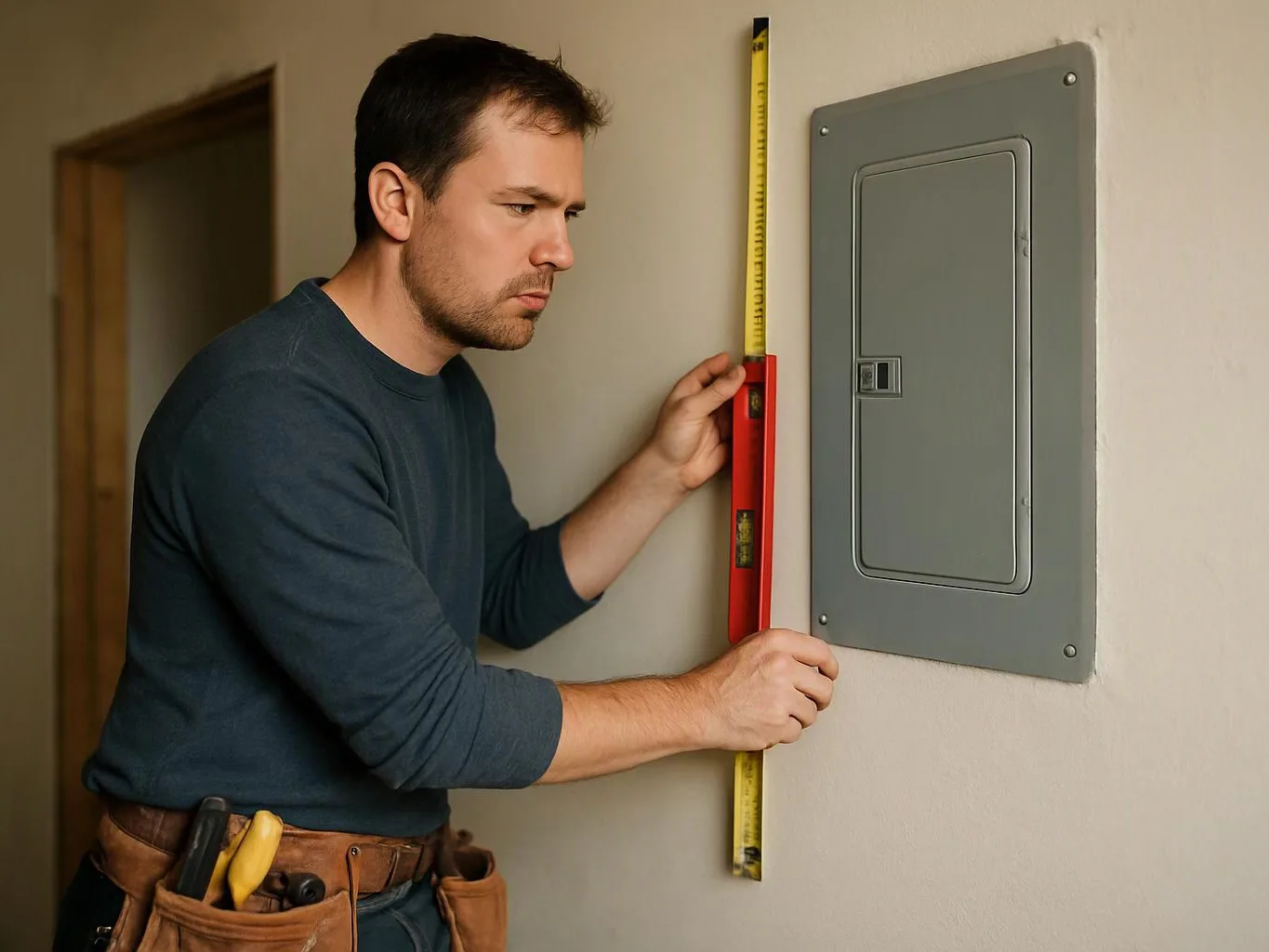
A man in a tool belt measures the wall beside a gray electrical panel with a level and tape measure

Service Overview

Bidirectional charging system troubleshooting is a diagnostic service that finds why charging equipment cannot connect or exchange power.

  • It differs from a standard EV charging installation because we trace an existing connection fault instead of designing a new circuit.
  • GMB Electric provides this service for properties in New Palestine and nearby communities.

What bidirectional charging troubleshooting includes

GMB Electric provides comprehensive Bidirectional charging system troubleshooting in New Palestine. Here's what you get:

  • We inspect the charging equipment, connection points, and visible wiring for signs of damage.
  • We check network settings that may prevent the equipment from authenticating or staying connected.
  • We test the pilot signal that helps the charger and vehicle coordinate.
  • We inspect the connector for damage that could interrupt communication or charging.
  • We look for software mismatch between connected equipment and its control system.
  • We provide a clear explanation of the fault and the next work needed.

What customers get from this charging diagnosis

A focused connection diagnosis

Customers get a check of the communication path, pilot signal, connector, and software match. This service is the wrong fit when the issue is only a utility outage with no charging equipment fault.

Electrical fault awareness

Our licensed and insured electrical professionals review related circuits when the charging fault points to electrical work. We do not treat a software warning as proof that the panel or wiring needs replacement.

Residential and commercial scope

The same diagnostic logic applies to home charging equipment and business installations, but access and operating needs shape the inspection.

Process

How we trace a bidirectional charging connection fault

1

Record the warning and connection symptom

We note the error message, connection pattern, and equipment response before changing settings or disconnecting parts.

2

Check power and network access

We confirm the equipment has power and inspect network settings that could block authentication or communication.

3

Test the pilot signal

We test the pilot signal and related connection points to find communication faults that a power check will miss.

4

Inspect the connector

We inspect the connector for bent pins, heat marks, dirt, and other visible damage that could interrupt the link.

5

Compare software versions

We check software compatibility across the connected equipment and identify whether an update or further repair is needed.

6

Explain the repair decision

We explain the fault found, the work it supports, and whether the system needs a repair, software correction, or additional electrical service.

What this charging fault check changes

You get a fault-based repair decision instead of a guess based only on the warning message.

Network and software checks help separate a communication issue from a wiring or connector problem.

Pilot signal testing helps identify faults that a basic power check will not show.

A documented diagnosis helps you decide whether repair or equipment replacement makes more sense.

The inspection helps protect connected charging equipment from continued use when a visible fault is present.

Connection fault types we check

These fault types point to different checks and repair decisions.

Fault typeWhat we checkPossible next step
Authentication failureAccount, network, and equipment communicationCorrect settings or further system testing
Pilot signal faultPilot signal and related connection pointsSignal repair or electrical diagnosis
Connector damagePins, housing, heat marks, and contact pointsConnector repair or replacement decision
Software mismatchSoftware versions across connected equipmentCompatibility correction or further testing

The GMB Electric Standard

  • Urgent Assistance
  • Issue Diagnosis
  • Careful Inspection
  • Clear Options

Questions about bidirectional charging connection faults

What causes bidirectional charging equipment to stop connecting?

Authentication failure is a leading cause of repeated connection loss. Network settings, pilot signal faults, connector damage, and software mismatch can create similar symptoms. GMB Electric checks these areas in sequence and tests the connection after relevant repairs. The warning message and the point where connection stops help guide the diagnosis.

How does a troubleshooting visit move from the first call to the last step?

The visit starts with the reported warning and ends with a repair decision.

  1. We record the symptom and equipment response.
  2. We check power, network settings, and the pilot signal.
  3. We inspect the connector and compare software versions.
  4. We explain the fault and the next work.

Customers should share warning messages before the assessment.

Which material changes how long charging fault testing takes?

Connector damage can change the testing path because we must inspect the housing, pins, and contact points closely. Network settings and software mismatch call for a different set of checks. We do not promise a fixed duration because access, equipment condition, and the fault location shape the work.

How can a customer tell whether this service fits the property?

Bidirectional charging system troubleshooting fits a property when installed charging equipment will not pair, loses communication, or reports a connection fault. It applies to residential and commercial sites. A utility outage with no equipment warning points to a different electrical concern, so we first separate the property power issue from the charger fault.

What should I check before requesting charging equipment troubleshooting?

The warning message, connector condition, and recent network or software changes provide useful starting facts.

  • Record the exact warning.
  • Note whether the equipment powers.
  • Look for visible connector damage without forcing the plug.
  • Share recent system changes.

Do not use damaged equipment until it has been assessed.

Why does the charger connect briefly and then stop?

A brief connection often points to a communication fault, pilot signal issue, connector problem, or software mismatch. We test the connection at the point where it drops and compare the equipment response with the warning message. Repeated resets can hide the pattern, so customers should record the symptom before resetting the system.

Can electrical troubleshooting address a bidirectional charger that will not pair?

Yes, electrical troubleshooting can address the circuit and connection faults that stop a charger from pairing. We also check network settings, the pilot signal, connector condition, and software compatibility because pairing is not only a power issue. If the fault is software-only, the repair scope may not require panel or wiring work.
Contact

Request a bidirectional charging troubleshooting estimate

Ask GMB Electric for an estimate on the connection fault and next repair step, urgent requests get priority scheduling.

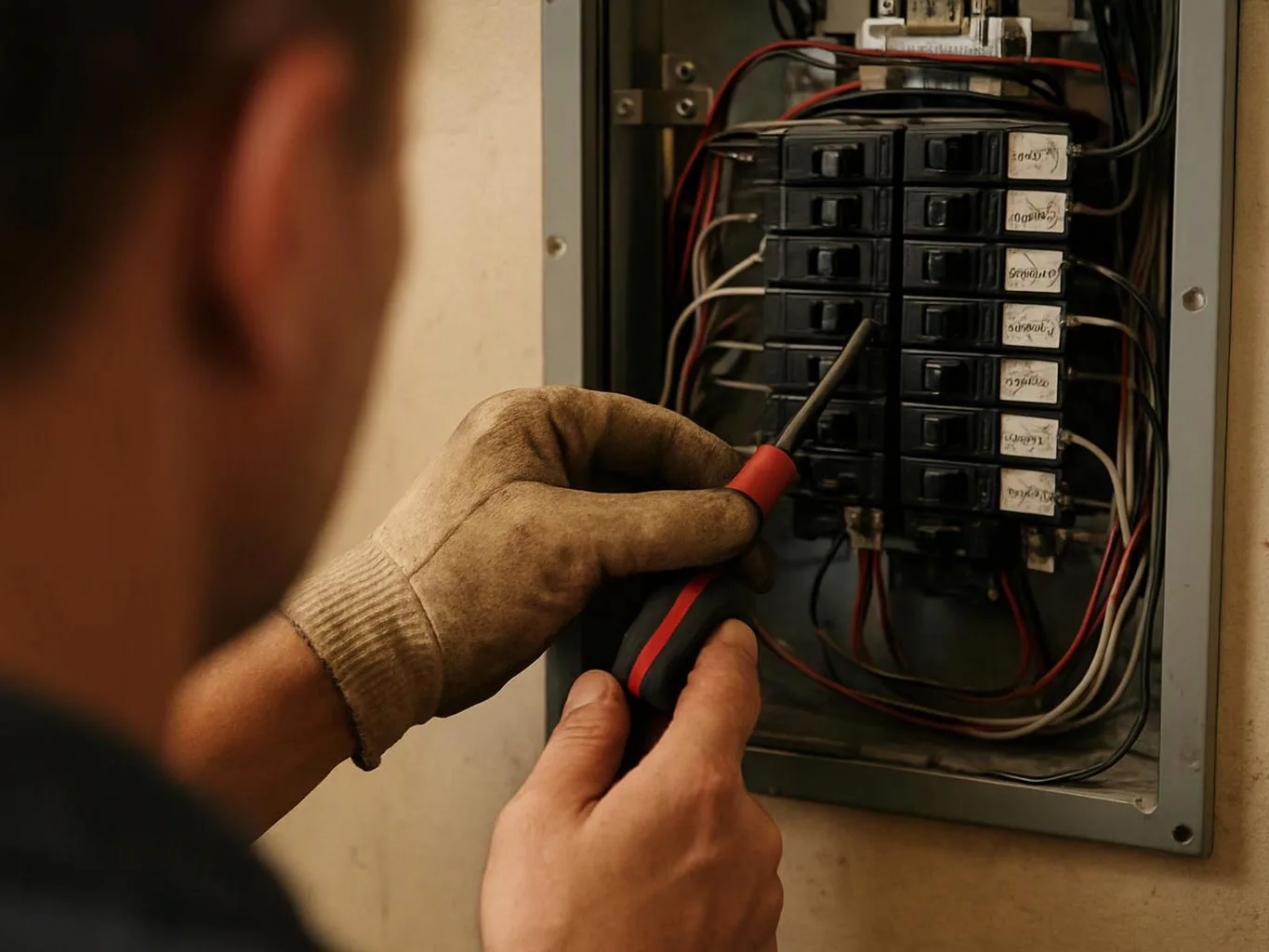
A gloved worker adjusts wiring in an open electrical breaker panel with a screwdriver

ZIP Codes We Serve in New Palestine, Indiana

46163

Bidirectional charging system troubleshooting in Other Areas

(317) 608-1220