Skip to content

Bidirectional Charging System Troubleshooting in Noblesville, Indiana

Checking an Inverter fault helps explain why a bidirectional charging system stops sending power in Noblesville. We trace the fault through the system and test the next likely cause.

Licensed & InsuredWarranty AvailableSame-Day ServiceUpfront, Transparent Pricing

Quick Summary: Bidirectional charging system checks in Noblesville, Indiana

Bidirectional charging system troubleshooting in Noblesville is provided by GMB Electric for homes and businesses with failed power transfer, charging faults, or system warnings. We also provide urgent electrical service and regular electrical repairs across Indianapolis and surrounding communities.

  • What we do: GMB Electric provides Bidirectional charging system troubleshooting for homes and businesses in Noblesville, Indiana.
  • What is included: We inspect inverter faults, trace control signals, check battery limits, test transfer switches, and verify system operation.
  • What you get: The customer receives a tested fault finding and a clear decision about repair, reset, or further electrical work.

Why is my bidirectional charging system not sending power back?

An Inverter fault is a likely cause when a bidirectional charging system will not send power back. GMB Electric checks the inverter path, grid signal, battery limits, transfer switch, and control firmware to find where power flow stops.
Dedicated Service Coverage in Noblesville

Bidirectional charging system troubleshooting focuses on the point where power flow stops. The work is for property owners who see a failed transfer, a warning message, or a battery that will not support backup power.

The diagnosis follows the system path from the charging equipment to the inverter, grid signal, battery controls, and transfer switch. Control firmware also matters because outdated or failed controls can block a transfer even when wiring looks sound.

This page serves a specific buyer decision. If the system has stopped sending power back, you need fault isolation before choosing between a reset, repair, equipment change, or separate electrical service.

  • Identify the warning, failed transfer, or power-flow change.
  • Check the inverter path and control signals.
  • Review battery limits and transfer-switch operation.
  • Test the system after the fault source is isolated.
  • Receive a clear repair or further-assessment recommendation.
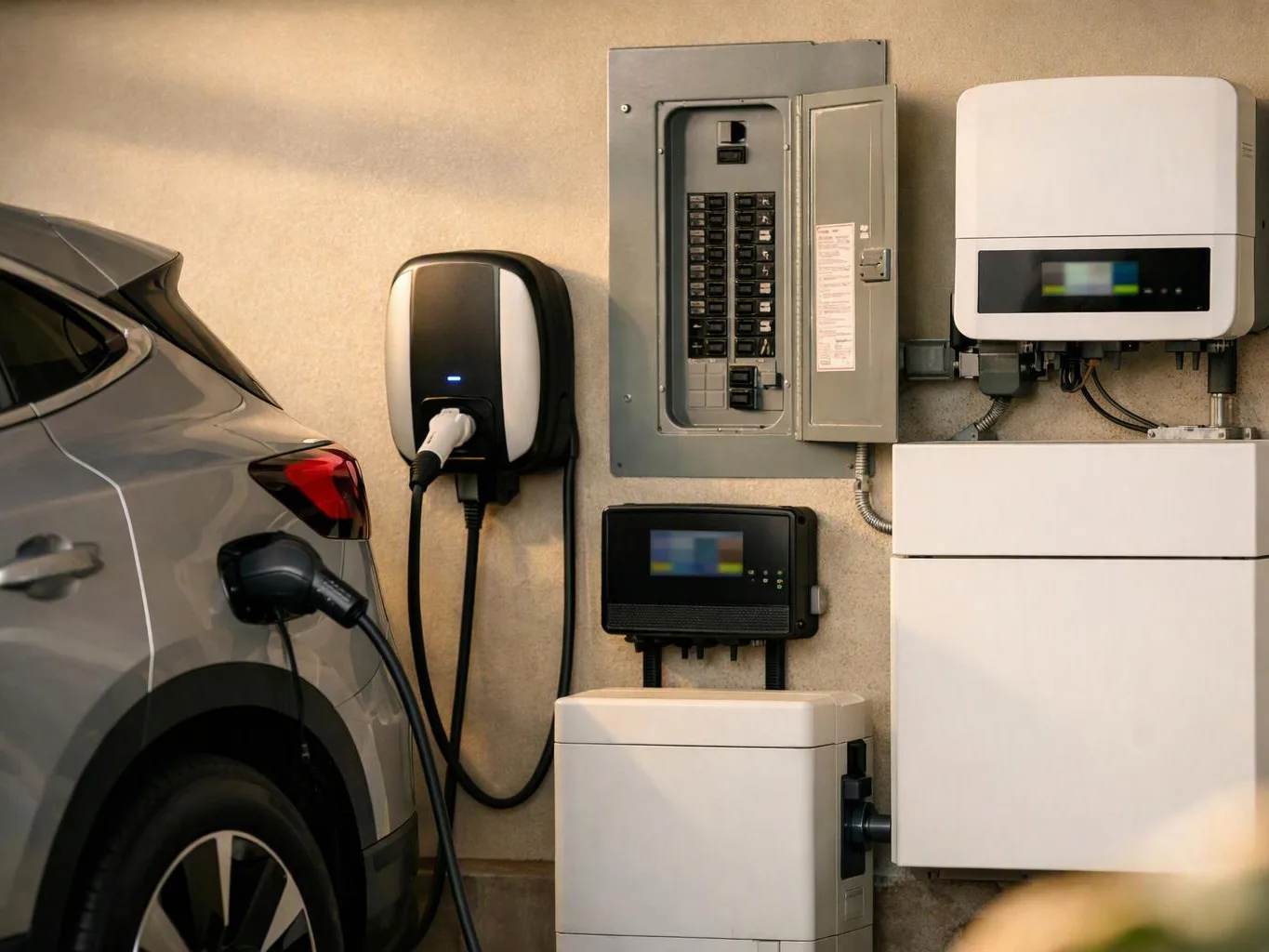
Gray electric SUV charging beside wall-mounted home power equipment and breaker boxes in a garage

Service Overview

Bidirectional charging system troubleshooting is a diagnostic service that finds why charging equipment will not send power back to a property or grid.

  • It differs from EV charging installation because it checks an existing power transfer system instead of installing a new charging circuit.
  • GMB Electric provides this service in Noblesville for residential and commercial electrical systems.

What these charging system checks help you decide

You learn where power flow stops before repair work is selected.

A system check separates an inverter problem from a battery or transfer-switch issue.

Testing helps identify control firmware problems that physical wiring checks cannot explain.

Clear findings help you decide whether the system needs repair, reset, or added electrical work.

The work supports safer use of backup power for homes and businesses.

What customers get from focused charging system troubleshooting

Fault isolation before repair

We trace the power path before setting the repair scope. The wrong job is a general outlet or panel repair when the charging system itself is not the source.

Checks across connected controls

The inverter, grid signal, battery limits, transfer switch, and control firmware can affect one transfer event. We review the connected parts that apply to the reported fault.

A clear decision after testing

We explain what the checks show and what work follows. If the issue belongs to separate equipment or a manufacturer control platform, we identify that limit.

Process

How we trace a failed bidirectional power transfer

1

Record the failed power behavior

We document the warning, failed transfer, charging state, and customer report before testing begins.

2

Inspect the inverter path

We check the inverter status and related connections for the fault condition that may stop power from moving back.

3

Check grid and battery controls

We review the grid signal and battery limits that control whether the system can discharge.

4

Test the transfer switch

We test the transfer switch and its electrical connections when the system does not move between power sources.

5

Verify operation and explain scope

We test the system after diagnosis, then explain the repair, reset, or further assessment that fits the finding.

What bidirectional charging system checks include

GMB Electric provides comprehensive Bidirectional charging system troubleshooting in Noblesville. Here's what you get:

  • We inspect the charging system and identify the reported power-flow problem.
  • We check the inverter path for fault signals and abnormal operation.
  • We trace the grid signal and review how the system receives permission to transfer power.
  • We check battery limits that can stop discharge or backup operation.
  • We test the transfer switch and related electrical connections.
  • We verify operation after the fault source is isolated and explain the next step.

Charging system faults and the next check

These fault signs point to different parts of the system that we inspect.

Reported problemMain checkPossible decision
Power will not send backInverter path and battery limitsRepair or further system assessment
Transfer does not completeGrid signal and transfer switchElectrical repair or control review
Warning returns after resetControl firmware and fault historyTargeted diagnosis before parts change

The GMB Electric Standard

  • Urgent Assistance
  • Issue Diagnosis
  • Careful Inspection
  • Clear Options

Questions about failed bidirectional power transfer

Which part of the property decides the scope of this troubleshooting?

The charging equipment and its connection to the property decide the troubleshooting scope. The panel, inverter, transfer switch, battery connection, and accessible wiring each affect the checks. We also consider whether the system serves a home or business. The final scope follows the fault location and the equipment that controls power flow.

Which material changes how long the troubleshooting takes?

The connected equipment and wiring layout affect the work time more than a single material. Enclosed wiring, limited access, damaged conductors, and equipment that needs a control check can add diagnostic steps. We inspect the system first and explain the scope before recommending repair. No duration is promised before those conditions are known.

How does a troubleshooting visit move from the first call to the last step?

A troubleshooting visit starts with the reported symptom and ends with tested findings and a repair decision. We then follow these steps:

  • Record the warning or failed transfer.
  • Inspect the inverter and connections.
  • Check the grid signal and battery limits.
  • Test the transfer switch.
  • Verify operation and explain the next step.

What should I do before the electrical assessment?

The property owner should keep access clear and record any warning shown by the charging system. Do not open energized equipment or repeatedly reset a system that shows a fault. Photos of the display, equipment labels, and transfer behavior can help us understand the report before testing begins.

When is a failed power transfer an urgent electrical concern?

A failed transfer becomes urgent when the equipment shows a burning smell, buzzing, sparking, heat, or repeated breaker trips. Stop using the affected equipment and keep people away from damaged electrical parts. GMB Electric provides emergency electrical service, and we can assess the reported condition and explain the safe next step.

Who provides this service for residential and commercial properties?

GMB Electric provides bidirectional charging system troubleshooting for residential and commercial properties. We inspect the electrical path, identify the fault that applies, and explain the repair scope. Our licensed and insured electrical professionals also handle related circuit troubleshooting, panel work, and code-compliant electrical improvements.
Contact

Request a Bidirectional Charging System Assessment in Noblesville

Tell us what the charging system is doing, and urgent requests get priority scheduling.

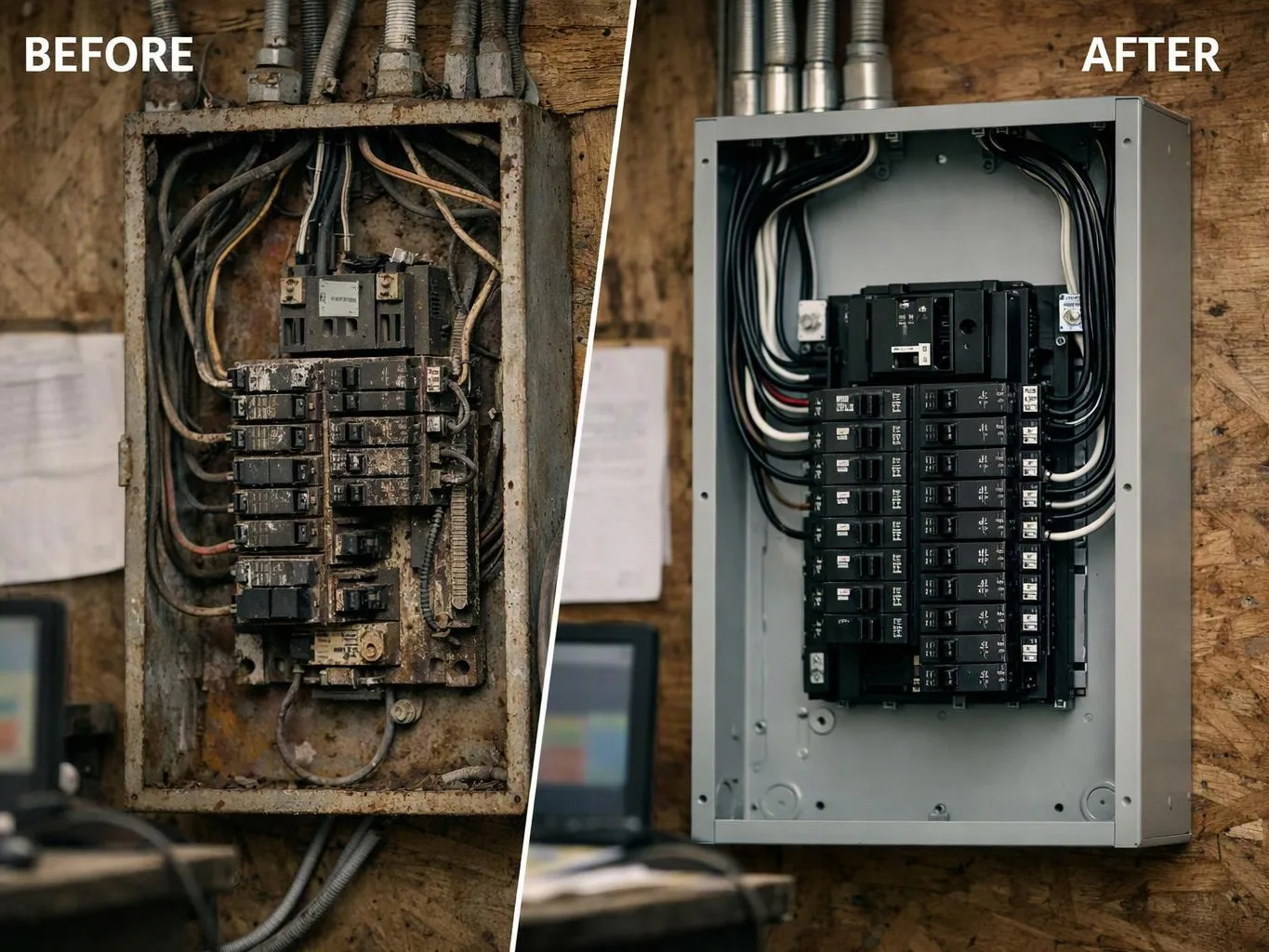
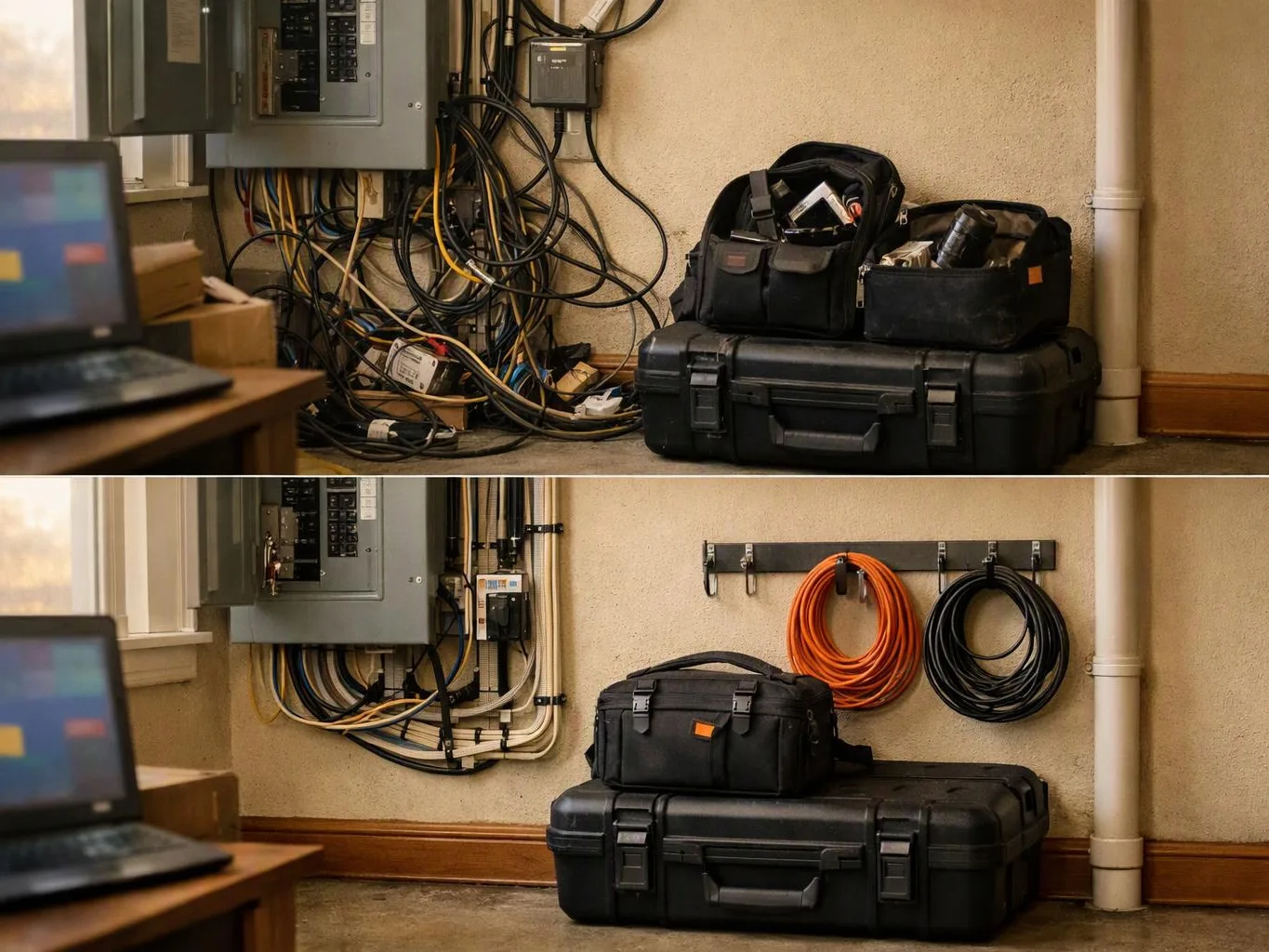
A before-and-after split view shows a messy electrical wall with loose cables above

ZIP Codes We Serve in Noblesville, Indiana

460604606146062

Bidirectional charging system troubleshooting in Other Areas

(317) 608-1220