Skip to content

Bidirectional Charging System Troubleshooting in Trafalgar, Indiana

Authentication failure that needs replacement changes the job scope from adjustment to part work in Trafalgar. We check the charging link before setting the repair path.

Licensed & InsuredWarranty AvailableSame-Day ServiceUpfront, Transparent Pricing

Quick Summary: Bidirectional charging system troubleshooting in Trafalgar, Indiana

Bidirectional charging system troubleshooting in Trafalgar is provided by GMB Electric for connection faults, network settings, pilot signals, and related charging issues. We serve Indianapolis and surrounding communities with residential and commercial electrical services available around the clock.

  • What we do: GMB Electric provides Bidirectional charging system troubleshooting for residential and commercial properties in Trafalgar, Indiana.
  • What is included: We check authentication failure, network settings, pilot signals, connector damage, and software mismatch.
  • What you get: The customer receives a confirmed fault path and a clear decision on adjustment, repair, or replacement.

Why does bidirectional charging equipment keep losing its connection?

Authentication failure is a leading cause of repeated connection loss. Network settings, pilot signals, connector damage, and software mismatch can also stop equipment from connecting. We test these points in order and identify whether the issue needs a setting change, electrical repair, or replacement part.
Bidirectional Charging System Troubleshooting in Trafalgar

Bidirectional charging equipment links a vehicle, charger, electrical panel, and control software. A connection fault can sit in the network settings, pilot signal, connector, or software match.

This page helps owners decide whether they need troubleshooting or a separate installation. We inspect the existing system, isolate the fault, and explain the next repair step. If the equipment needs a new installation or a wider panel upgrade, that becomes a different scope of work.

  • Confirm whether the equipment powers on and shows a connection warning.
  • Check the network path between the charger, vehicle, and control system.
  • Inspect the connector for visible damage or poor contact.
  • Test the pilot signal and related electrical connections.
  • Compare the system software versions for compatibility.
  • Separate an adjustment from a part replacement before quoting the work.
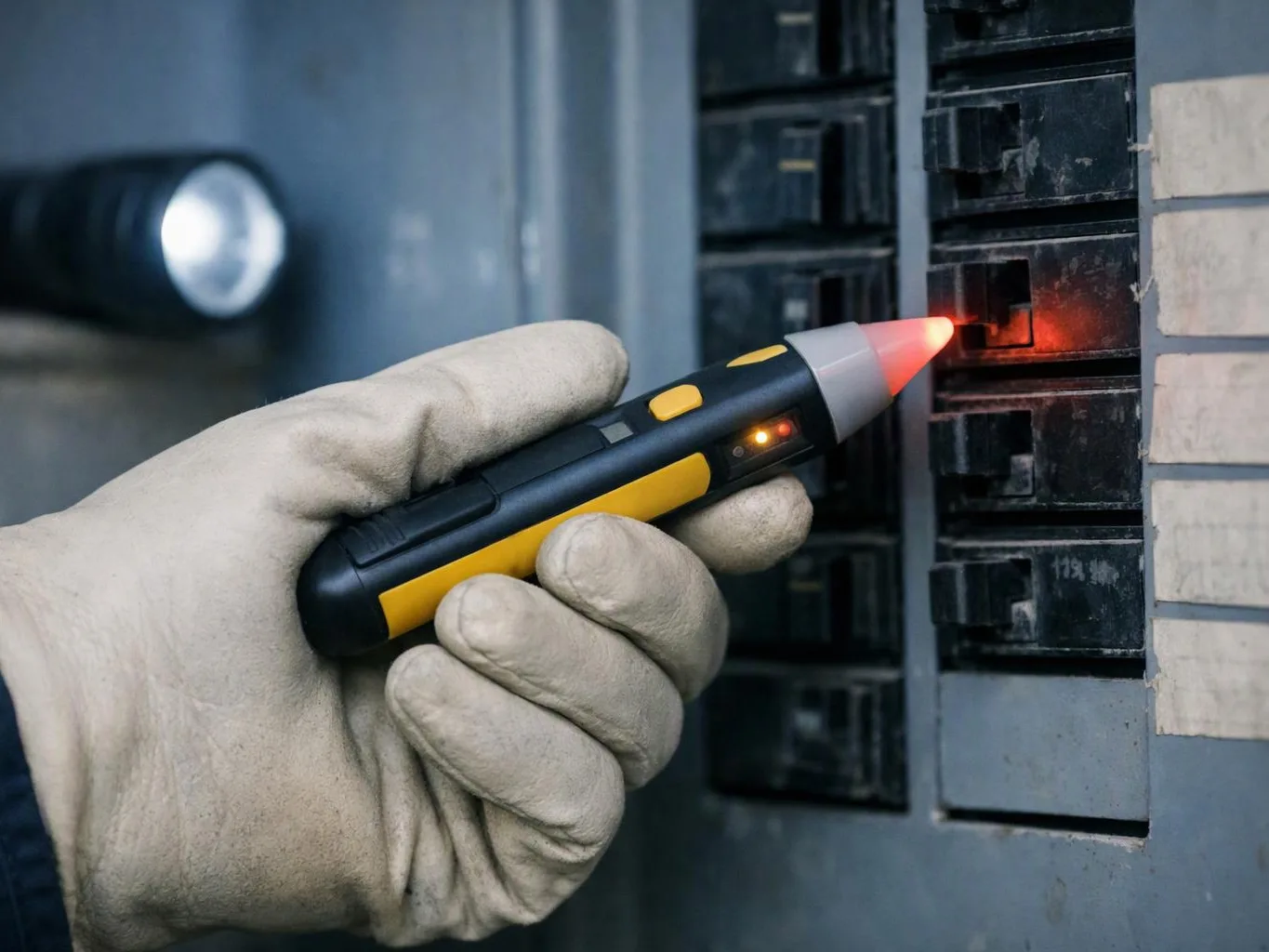
A gloved hand tests an electrical breaker with a glowing voltage pen inside a panel

Service Overview

Bidirectional charging system troubleshooting is a diagnostic service that finds why charging equipment cannot connect or exchange power.

  • The work differs from standard EV charging installation because we trace an existing connection fault instead of installing a new charger.
  • GMB Electric provides this service for homes and businesses in Trafalgar.

What Bidirectional Charging Troubleshooting Includes

GMB Electric provides comprehensive Bidirectional charging system troubleshooting in Trafalgar. Here's what you get:

  • We inspect the bidirectional charger, vehicle connection, and visible wiring.
  • We check network settings that affect equipment authentication and communication.
  • We test the pilot signal that helps the charger and vehicle coordinate.
  • We look for connector damage, loose contact, or signs of wear.
  • We review software alignment between connected charging equipment.
  • We explain whether the next step is adjustment, repair, or replacement.
Process

How We Trace A Charging Connection Fault

1

Record the connection warning

We note the equipment status, warning message, and point where communication stops.

2

Inspect the connector and inlet

We check the connector, vehicle inlet, and visible electrical condition for damage or poor contact.

3

Test the pilot signal

We test the pilot signal to confirm whether the charger and vehicle are exchanging control information.

4

Check network and software settings

We review network settings and software alignment when the physical connection appears sound.

5

Agree what the repair includes

We explain whether the fault calls for an adjustment, electrical repair, connector replacement, or separate installation work.

What This Troubleshooting Helps You Decide

Separate settings from damaged parts

Network settings and software mismatch may need adjustment, while connector damage may need repair or replacement. We test the difference before setting the work scope.

Check the full connection path

The vehicle, charger, pilot signal, and electrical supply all affect communication. Our team checks the linked parts so one visible symptom does not define the whole diagnosis.

Know when another service fits

This service fits an existing connection fault. A new charger, service entrance upgrade, or panel installation needs a separate electrical scope.

A situation this service fits

A homeowner in Trafalgar may find that the charger powers on but will not connect to the vehicle. We check the network path, pilot signal, connector, and software match, then explain whether the fault calls for an adjustment or replacement. The same approach fits a business charging setup with a connection warning.

What This Charging Troubleshooting Changes

You get a fault path based on tested connection points.

A clear diagnosis helps separate a setting issue from damaged equipment.

The repair scope focuses on the part or setting causing the connection loss.

You can decide whether the existing equipment fits the property and vehicle.

Homes and businesses can plan electrical work around the actual fault.

Adjustment Or Replacement For A Charging Connection Fault

The table compares the two main repair decisions after testing identifies the fault.

Repair pathWhat we checkWhen it fits
Setting adjustmentNetwork settings, pilot signal, or software alignmentThe equipment communicates after the setting or control issue is corrected
Part replacementDamaged connector, inlet, or related electrical partThe physical component cannot maintain a safe, reliable connection

The GMB Electric Standard

  • Urgent Assistance
  • Issue Diagnosis
  • Careful Inspection
  • Clear Options

Questions About Charging Connection Faults

What causes bidirectional charging equipment to stop connecting?

GMB Electric finds that authentication failure, network settings, pilot signals, connector damage, and software mismatch can stop the connection. We test each point and identify the fault before setting the repair scope. A failed connection does not by itself show that the charger needs replacement.

How can I tell whether this troubleshooting service fits my property?

Existing bidirectional charging equipment that powers on but will not connect fits this service. A connection warning, repeated link loss, or failed vehicle handshake gives us a useful starting point. New charger installation, panel upgrades, and service entrance work require a separate electrical assessment.

Which part of the property decides the troubleshooting scope?

The existing charger location and electrical connection decide much of the scope. Access to the charger, panel, vehicle inlet, network equipment, and visible wiring affects the checks we perform. We review those points before separating a communication adjustment from electrical repair.

Which material changes how long the connection repair takes?

Connector condition can change the work because damaged contacts may need repair or replacement. We also check wiring access, the pilot signal, and the equipment settings. Those findings decide the work needed, so we do not assign a time from the warning message alone.

When should a charging connection warning become urgent?

A burning smell, buzzing panel, sparking connector, or heat near the charger makes the issue urgent. Stop using the equipment and keep clear of damaged parts. We handle urgent electrical requests and check the affected circuit before discussing further charging work.

Why does a charger connect after a reset but fail again?

A reset may clear a temporary communication state without fixing the cause. Network settings, software mismatch, or a weak pilot signal can bring the warning back. We test the connection path after the reset and identify the condition that keeps interrupting communication.

What should I provide before requesting an assessment?

The equipment warning, charger model, vehicle model, and recent changes help us prepare for the assessment. Photos of the connector, charger display, and electrical panel can also show visible damage. Do not open the charger or handle exposed wiring before we inspect it.

Bidirectional charging system troubleshooting in Other Areas

Contact

Request A Quote For Charging System Troubleshooting In Trafalgar

Request an assessment of the connection fault, and urgent requests get priority scheduling.

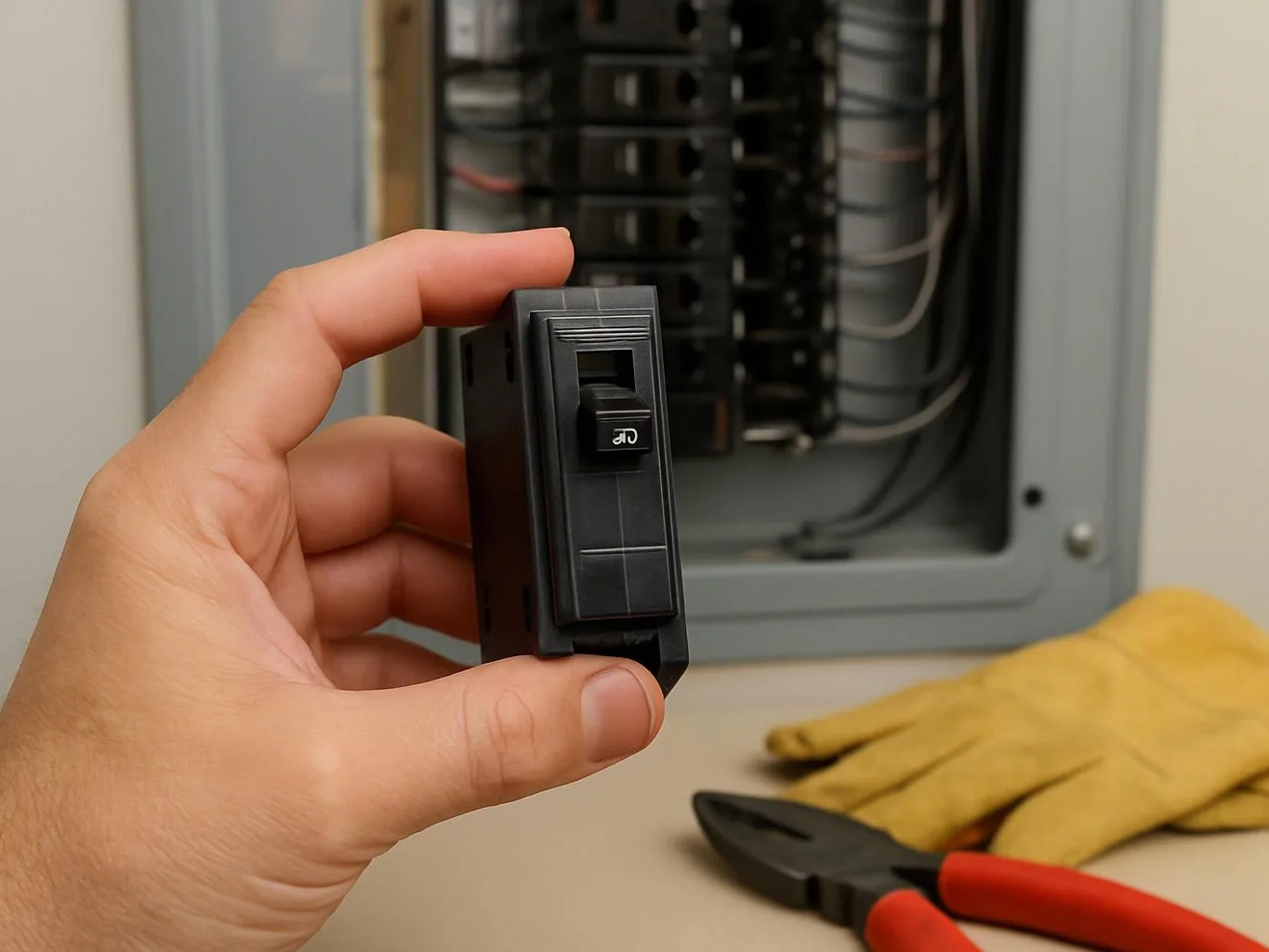
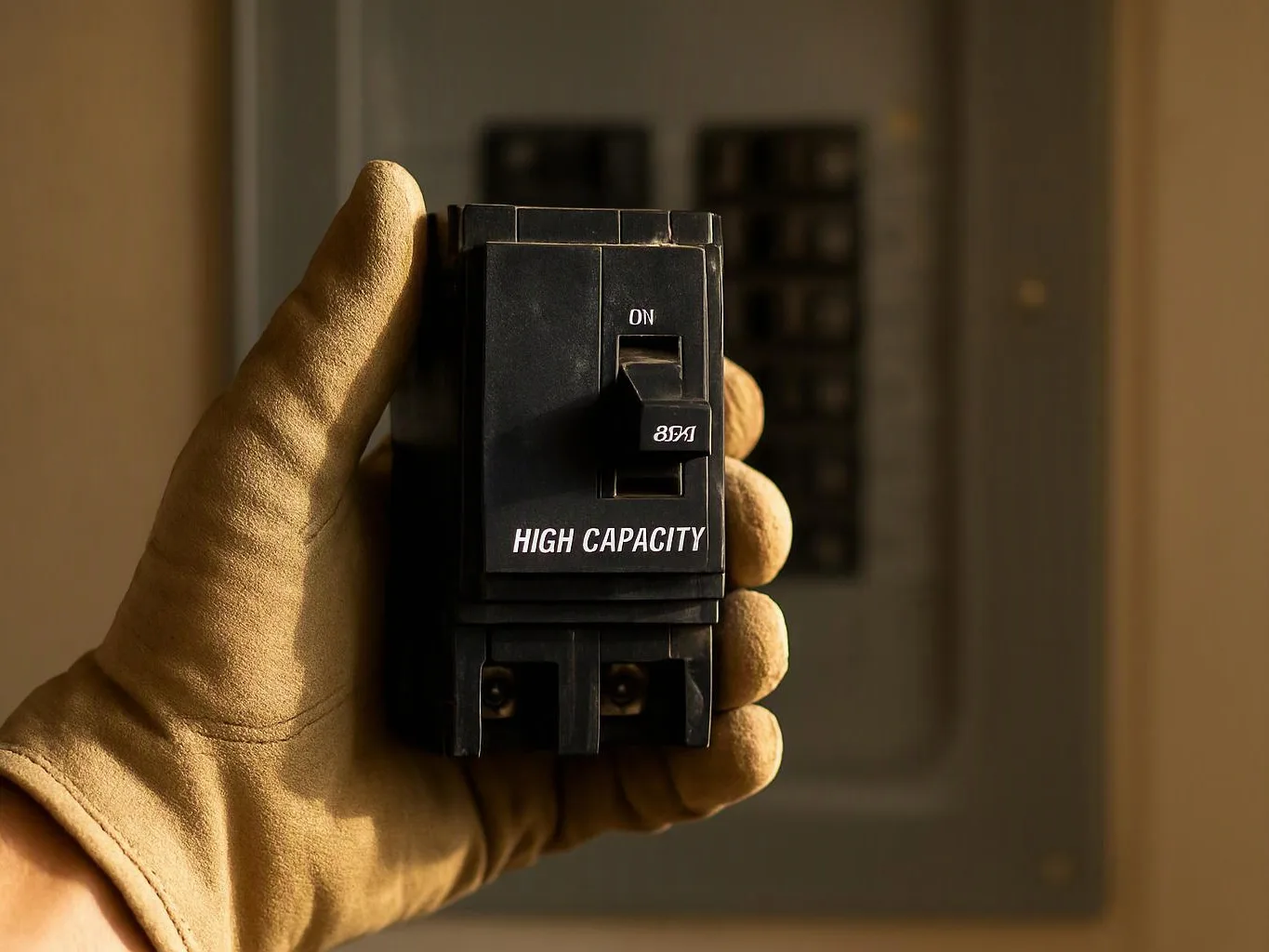
A gloved hand holds a black circuit breaker labeled “HIGH CAPACITY” in front of an electrical panel

ZIP Codes We Serve in Trafalgar, Indiana

46181
(317) 608-1220