Skip to content

Bidirectional Charging System Troubleshooting in Dale, Indiana

Authentication failure checks help restore a charging link in Dale. GMB Electric provides 24/7 emergency electrical service for urgent faults.

Licensed & InsuredWarranty AvailableSame-Day ServiceUpfront, Transparent Pricing

Quick Summary: Bidirectional Charging Troubleshooting in Dale, Indiana

Bidirectional charging system troubleshooting in Dale is provided by GMB Electric for connection faults, authentication issues, pilot signal checks, connector concerns, and software mismatches. The service supports residential and commercial properties, with electrical assistance available around the clock.

  • What we do: GMB Electric provides Bidirectional charging system troubleshooting for residential and commercial properties in Dale, Indiana.
  • What is included: Key capabilities include checking network settings, pilot signals, connector condition, authentication, software compatibility, and related circuits.
  • What you get: The customer receives a tested fault finding, a defined repair scope, and clear next steps for the charging system.

Why does bidirectional charging equipment keep losing its connection in Dale, Indiana?

Authentication failure can stop bidirectional charging equipment from connecting. Network settings, pilot signals, connector damage, and software mismatch can also break the link, so GMB Electric checks each related point before recommending repair.
How We Serve Clients in Dale

Bidirectional charging system troubleshooting focuses on the connection between charging equipment, the vehicle, and the property electrical system. The job suits customers who see failed pairing, repeated disconnects, warning messages, or charging that stops before the system can exchange power.

The key decision is whether the fault sits in the network, the pilot signal, the connector, the software, or the electrical circuit. We test those areas in a controlled order, then explain whether the next step is a repair, a compatible update, or a separate electrical service.

This page serves Dale customers who need a focused diagnosis for bidirectional equipment. A panel upgrade, EV charging installation, or service entrance upgrade may be the better fit when the system lacks the electrical capacity needed for safe operation.

  • Confirm whether the vehicle and charging equipment recognize each other.
  • Check network settings and connection status.
  • Test the pilot signal between the vehicle and charging equipment.
  • Inspect the connector for visible damage or poor contact.
  • Compare software versions and system compatibility.
  • Separate communication faults from circuit or panel problems.
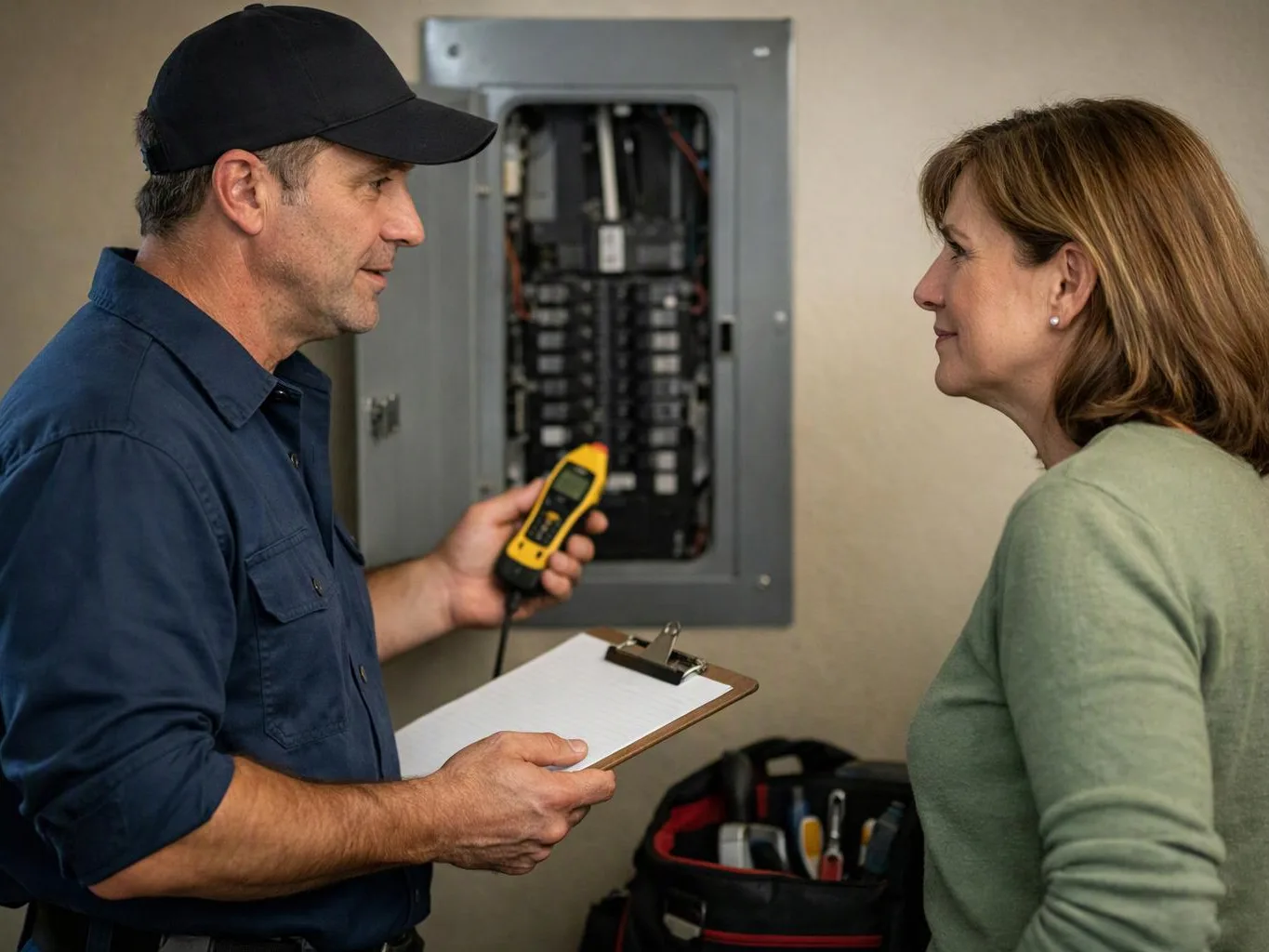
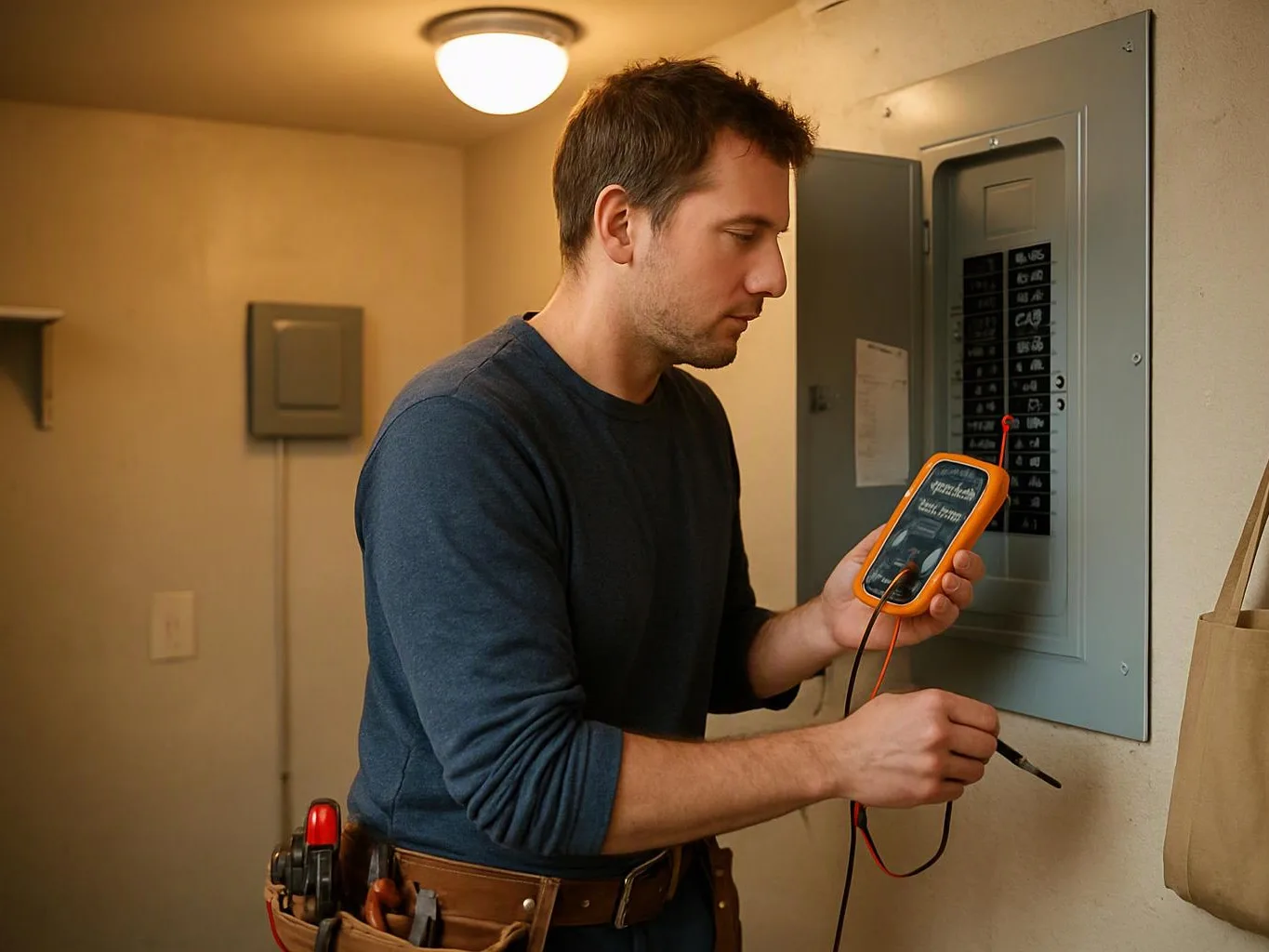
A man in a tool belt tests an electrical panel with a handheld meter inside a small room

Service Overview

Bidirectional charging system troubleshooting is a diagnostic service that finds why power equipment cannot connect, exchange data, or operate as expected.

  • It differs from a standard outlet repair because the checks include communication settings, pilot signals, connector condition, and software fit.
  • GMB Electric provides this service for homes and businesses in Dale.

A situation this service fits

A typical scenario involves a property where the vehicle once connected, then began dropping the link after a settings change or equipment update. We check the network path, pilot signal, connector, and software match before deciding whether the fault needs charging-system work or a broader circuit review.

What Customers Get From This Charging Diagnosis

A focused fault decision

Customers receive a diagnosis built around the actual connection fault, not a broad list of unrelated electrical work. This service is the wrong job when the concern is only a utility outage or a vehicle battery fault.

Electrical safety in the process

We isolate the affected equipment before testing related circuits. GMB Electric is licensed and insured, and our team explains any safety concern that affects the repair scope.

A repair path for two property types

Residential and commercial customers can use the same focused checks, while the final scope follows the equipment and electrical layout at the property.

Process

How We Trace Bidirectional Charging Faults

1

Record the charging symptom

We note when the link fails, what the vehicle displays, and whether the equipment starts or stops the session.

2

Check the communication path

We review network settings, pairing status, and system messages before testing the physical connection.

3

Test the pilot signal

We check the pilot signal between the vehicle and charging equipment to identify a control or communication fault.

4

Inspect the connector

We examine the connector and contact points for damage, poor fit, or signs that require the equipment to remain out of service.

5

Review software compatibility

We compare the equipment state and software information when a mismatch could block communication.

6

Agree what the repair includes

We explain the finding, identify related electrical work if needed, and provide a free estimate for the requested work.

What Bidirectional Charging Troubleshooting Includes

GMB Electric provides comprehensive Bidirectional charging system troubleshooting in Dale. Here's what you get:

  • We inspect the charging connection and identify the symptom that started the fault.
  • We check network settings that affect equipment communication.
  • We test the pilot signal used between the vehicle and charger.
  • We inspect the connector for damage, wear, or poor contact.
  • We review software compatibility when equipment stops pairing or disconnects.
  • We explain the repair scope and any related electrical work that may be needed.

What Better Charging Connections Change

A structured diagnosis helps separate a communication fault from a wiring or panel issue.

Customers get a clearer choice between repairing the charging link and planning related electrical work.

Testing the pilot signal can show whether the equipment is exchanging the expected control information.

Connector checks help identify physical damage before it causes a wider charging problem.

The written repair scope gives residential and commercial customers a clearer basis for requesting an estimate.

Charging Faults Compared by What We Check

The first symptom helps identify which part of the charging connection needs attention.

Fault typePrimary checkLikely next focus
Network connection faultNetwork settings and pairing statusConnection setup or related system review
Pilot signal faultControl signal between vehicle and chargerCharging communication and circuit checks
Connector condition issueCable, plug, and contact pointsSafe equipment repair or replacement scope
Software mismatchEquipment and vehicle software stateCompatibility review and related testing

The GMB Electric Standard

  • Urgent Assistance
  • Issue Diagnosis
  • Careful Inspection
  • Clear Options

Questions About Charging Connection Faults

What causes bidirectional charging equipment to stop connecting?

Authentication failure can stop bidirectional charging equipment from connecting. GMB Electric also checks network settings, the pilot signal, connector condition, and software compatibility. Each check helps separate a communication fault from a physical or electrical problem. Customers should save warning messages and avoid using a connector that shows damage.

What should be checked before this troubleshooting is scheduled?

The vehicle model, charger status, warning message, recent software change, and connector condition should be checked first. Customers can record what happens during pairing and note whether the fault affects one vehicle or more. Photos of the charger screen and connector can help us plan the assessment.

Who is a good fit for this charging diagnosis?

Customers with failed pairing, repeated disconnects, or charging warnings are good fits for this diagnosis. Our team checks the charging link and related electrical path. A utility outage, vehicle battery fault, or unrelated panel problem needs a different service focus after the symptoms are separated.

What happens at each stage of the troubleshooting visit?

The visit starts with the symptom, moves through communication checks, and ends with a defined repair scope. We review the network settings, test the pilot signal, inspect the connector, and check software compatibility. Customers receive an explanation of the finding and the electrical work that may follow.

Which part of this job changes the estimate?

The fault location changes the estimate because communication checks differ from connector, circuit, or panel repairs. Access to the equipment and the need for related electrical work also affect the scope. We review those conditions and provide a free estimate before the requested work proceeds.

When should damaged charging equipment stay off?

Damaged charging equipment should stay off when the connector, cable, or outlet shows heat, burning, cracks, or sparking. Customers should keep clear of the affected part and request an electrical assessment. We inspect the connection and related circuit before discussing repair or replacement work.

Why can a software update affect charging communication?

A software mismatch can prevent the vehicle and charging equipment from recognizing each other. We review the system state and compare the equipment response with the reported warning. Customers should record the update date and avoid repeated connection attempts if the equipment shows a fault message.
Contact

Request a Bidirectional Charging Troubleshooting Estimate in Dale

Ask GMB Electric for a free estimate on the charging connection issue, and urgent requests get priority scheduling.

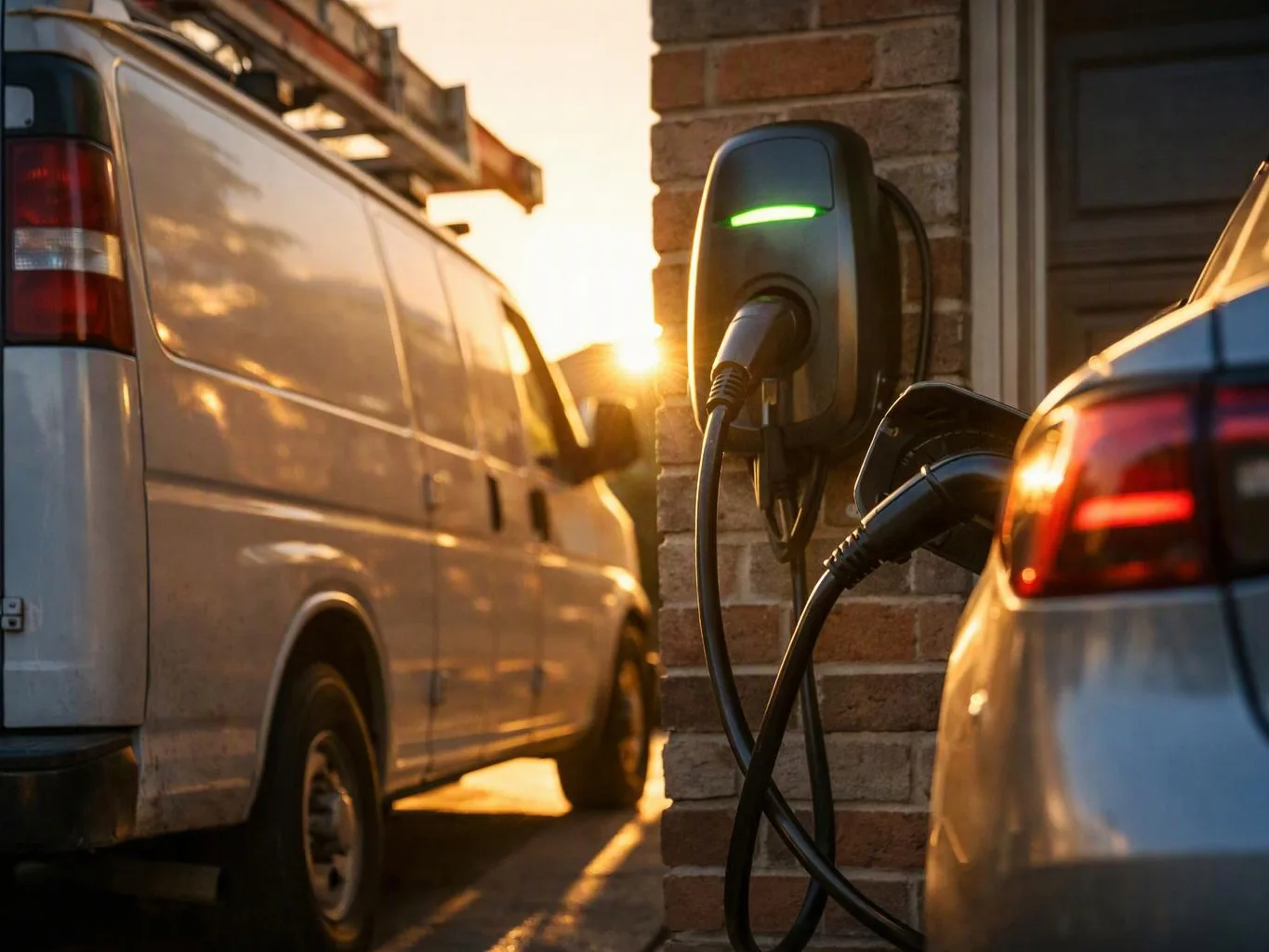
A wall-mounted electric car charger sits between a white van and a silver car at sunset

Bidirectional charging system troubleshooting in Other Areas

(317) 608-1220