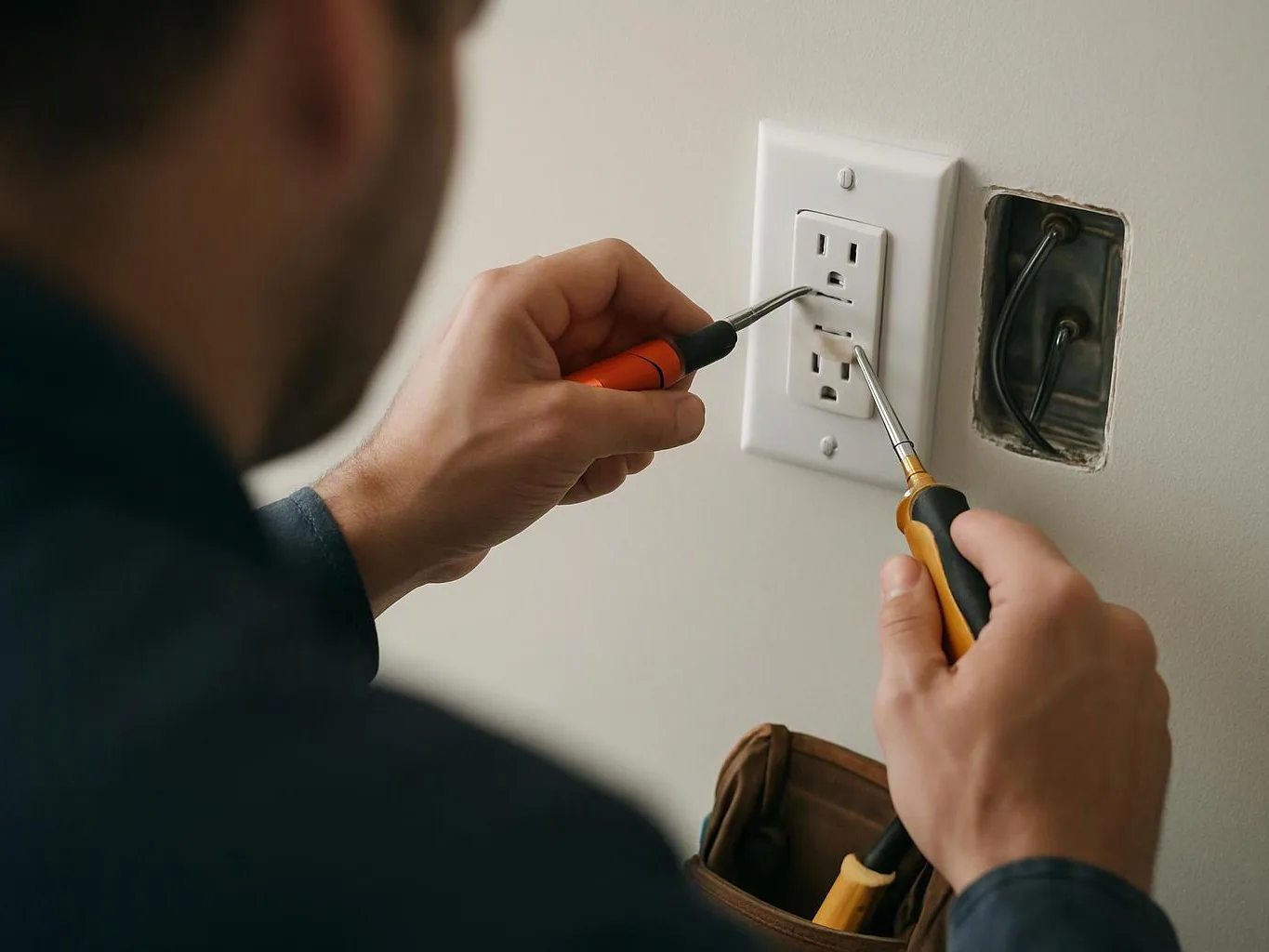
Skip to content

Bidirectional Charging System Troubleshooting in Ingalls, Indiana

Power flowing back to the property can stop after an inverter fault in Ingalls. We check the charging system and its control signals.

Licensed & InsuredWarranty AvailableSame-Day ServiceUpfront, Transparent Pricing

Quick Summary: Bidirectional charging system troubleshooting in Ingalls, Indiana

Bidirectional charging system troubleshooting in Ingalls is provided by GMB Electric for homes and businesses. The service checks power flow, inverter faults, grid signals, battery limits, transfer switches, and control firmware, with coverage for Indianapolis and surrounding communities.

  • What we do: GMB Electric provides Bidirectional charging system troubleshooting for homes and businesses in Ingalls, Indiana.
  • What is included: Key capabilities include fault checks, circuit troubleshooting, transfer switch checks, control review, and safe electrical testing.
  • What you get: The customer receives a clear diagnosis and a defined repair or further inspection path.

Why is my bidirectional charging system not sending power back?

An inverter fault, blocked grid signal, battery limit, transfer switch issue, or control firmware problem can stop power from flowing back. The system needs electrical testing to identify the active fault. We check each related part and explain whether the next step is a repair, adjustment, or further equipment review.
Bidirectional charging system troubleshooting in Ingalls for failed power return

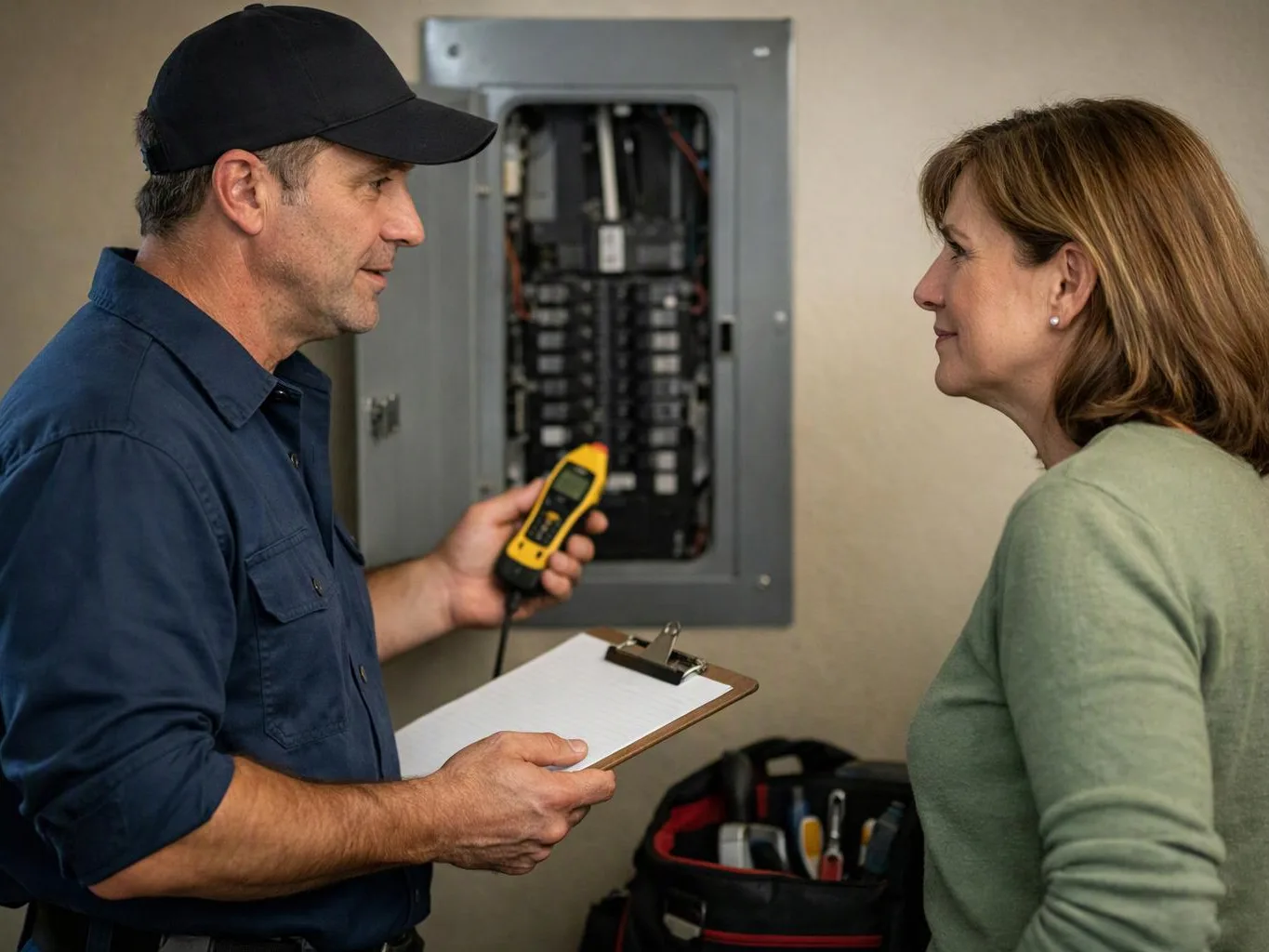
This service focuses on one buyer question: why does the system charge a vehicle or battery but fail to send power back? We trace the fault through the inverter, electrical circuits, control signal, and transfer equipment.

The right decision depends on what testing finds. A blocked signal needs a different next step than a battery limit or failed transfer switch. We explain the finding before discussing repair work, so you know whether the issue belongs to the electrical system, the charging equipment, or its controls.

This page serves property owners who need focused diagnosis, not a general panel upgrade. We also handle related circuit troubleshooting and code-compliant electrical improvements when the system connects to the building supply.

  • Confirm whether the system charges the vehicle or battery.
  • Check whether power stops before or after the transfer switch.
  • Trace the control signal between charging equipment and the property.
  • Test related circuits and explain the repair decision.
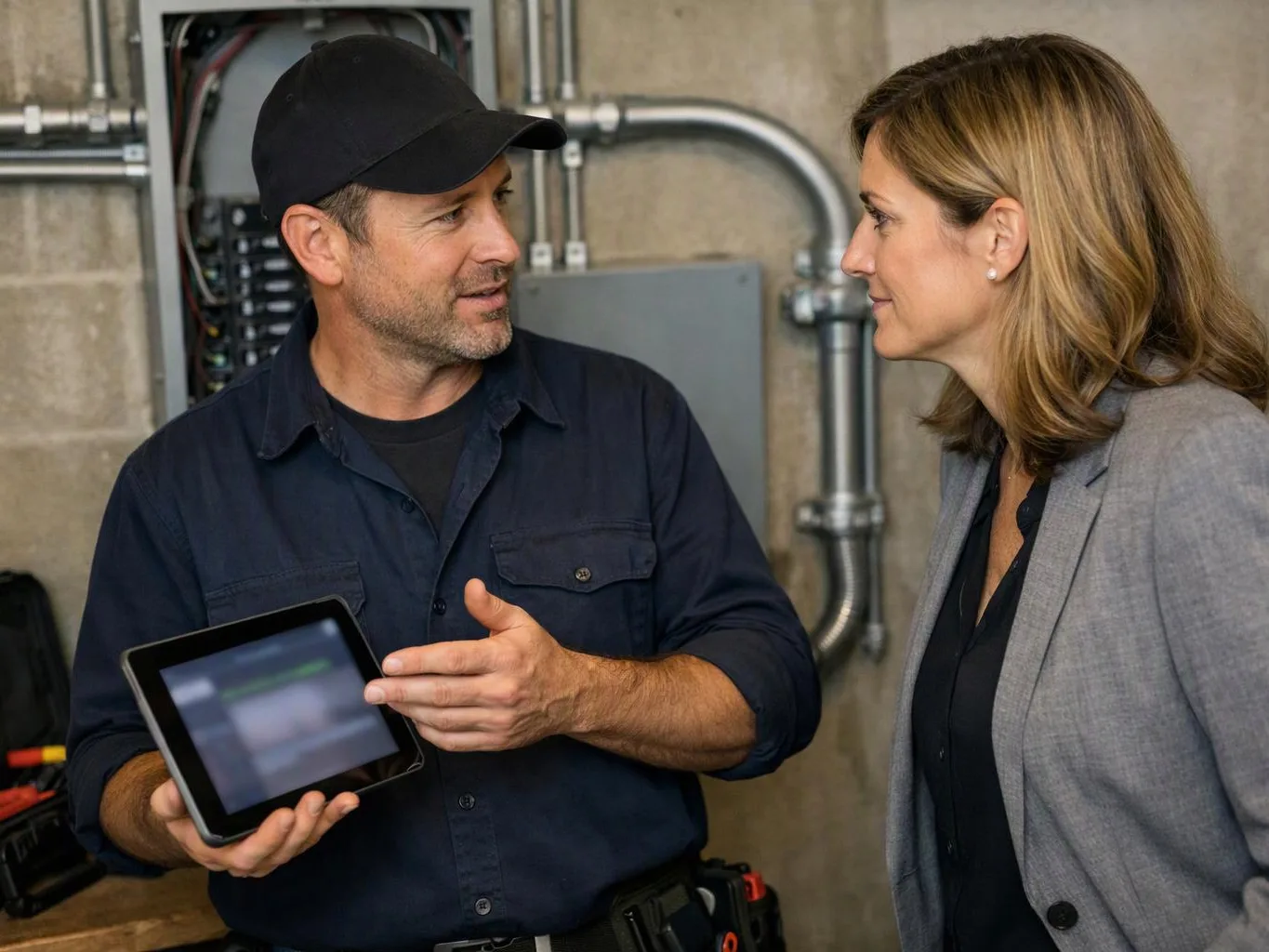
A man shows a tablet to a woman while they talk beside electrical panels and pipes

Service Overview

Bidirectional charging system troubleshooting is an electrical service that finds why a charging system cannot send stored power back to a property.

  • It differs from EV charging installation because it diagnoses power flow and control faults after equipment is in place.
  • GMB Electric provides this troubleshooting for homes and businesses in Ingalls.

What this troubleshooting changes for your property

You get a focused diagnosis for power that stops before reaching the property.

Testing separates an electrical circuit issue from an equipment control issue.

A clear finding helps you choose repair, adjustment, or further equipment review.
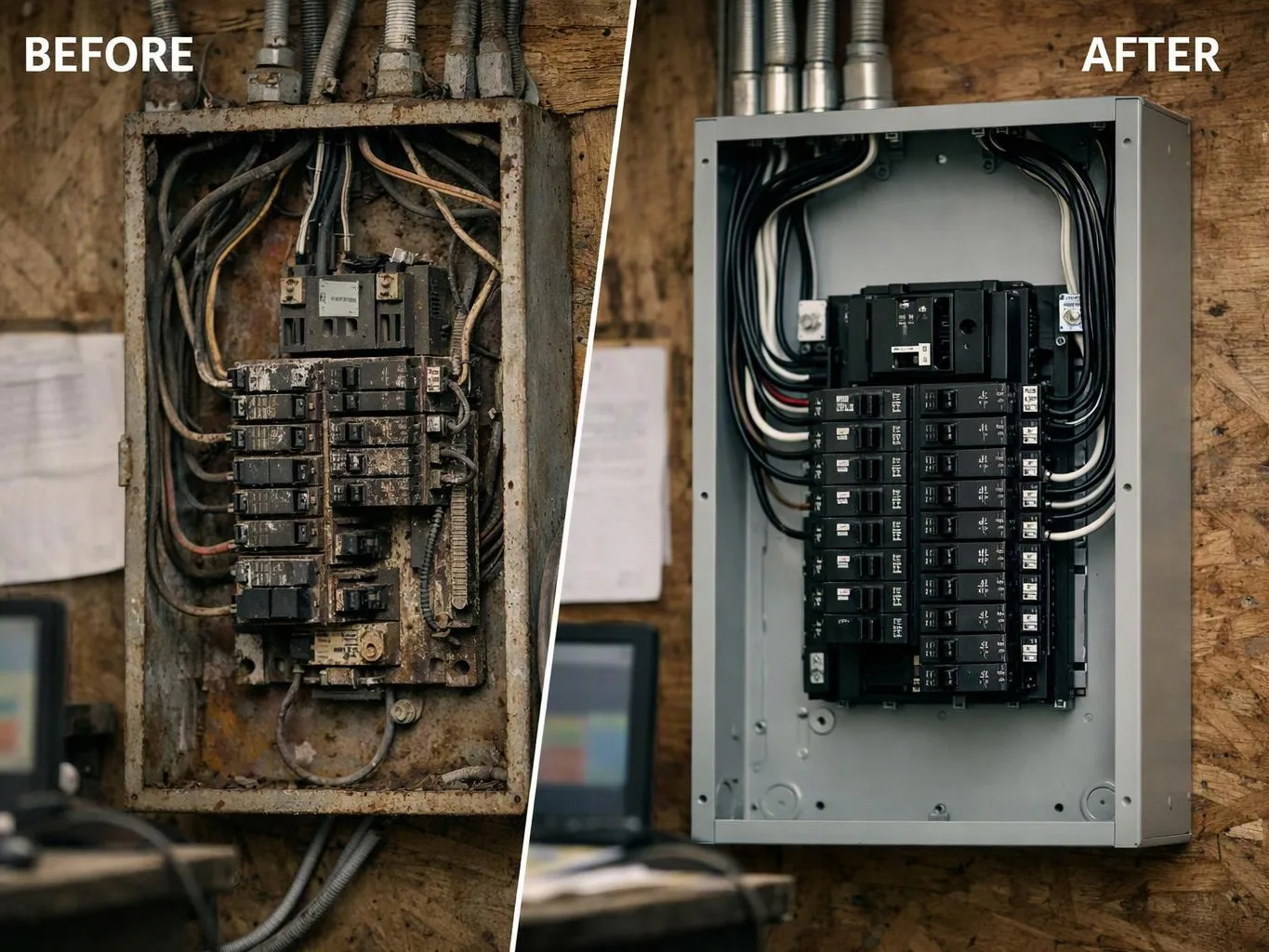
Safe testing reduces the risk of operating a faulty transfer path.

The work fits residential and commercial properties with bidirectional charging equipment.

What bidirectional charging troubleshooting includes

GMB Electric provides comprehensive Bidirectional charging system troubleshooting in Ingalls. Here's what you get:

  • We inspect the charging system and identify the reported power-flow symptom.
  • We test the inverter path and check for an inverter fault.
  • We review the grid signal and battery limits that control power return.
  • We check the transfer switch for safe switching and proper operation.
  • We review control firmware behavior when the equipment points to a control issue.
  • We explain the findings and the next electrical repair or inspection step.
Process

How we trace a failed power return

1

Record the power-flow symptom

We note whether the system charges, sends no power back, trips a breaker, or stops during transfer.

2

Inspect the connected equipment

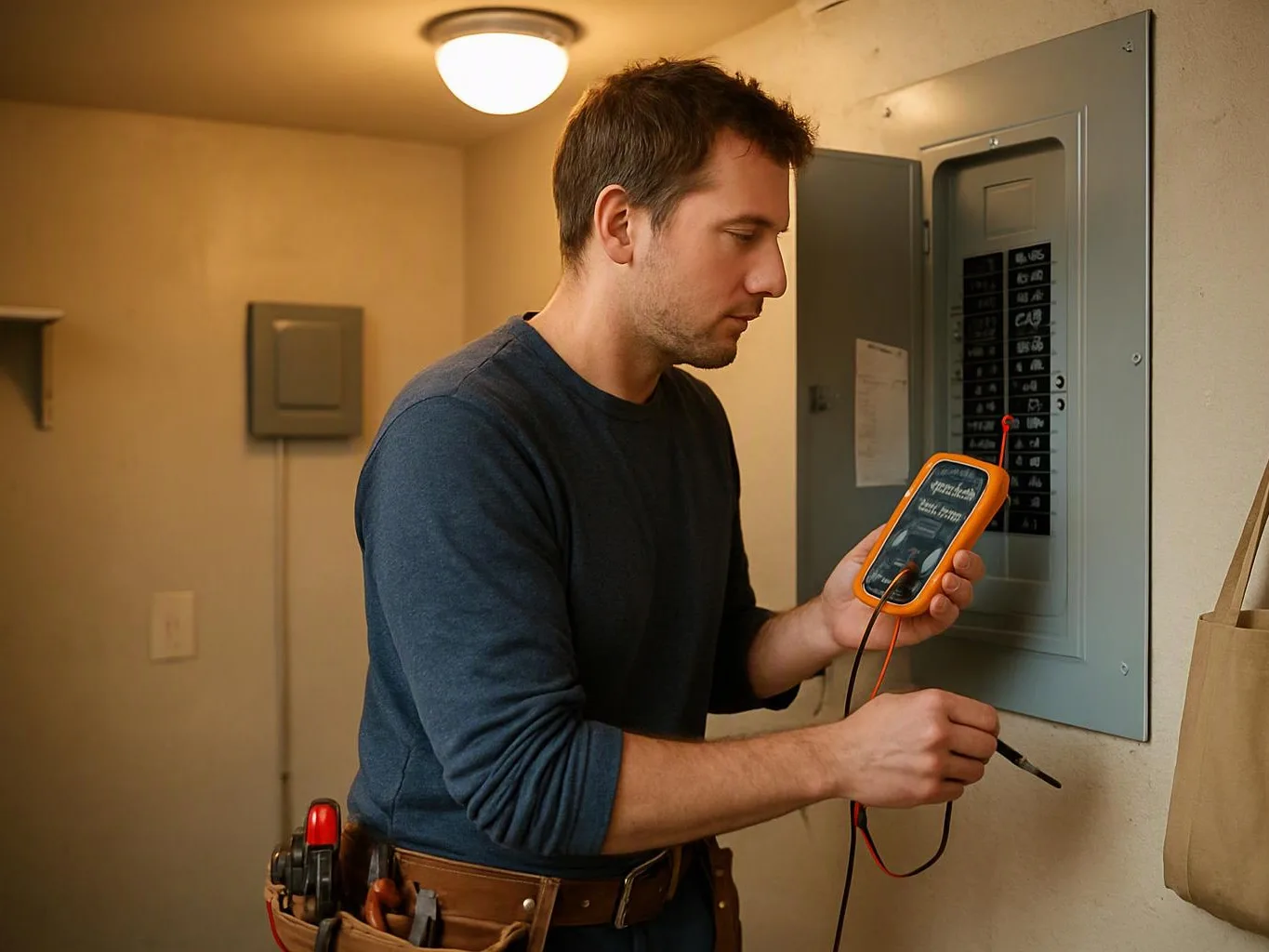
We check the inverter, transfer switch, electrical panel, and related circuits for visible faults and safe access.

3

Test the control and power path

We trace the grid signal, battery limits, control commands, and power path to locate the active fault.

4

Explain the repair decision

We identify the tested issue and explain whether the next step is electrical repair, equipment review, or further diagnosis.

What customers get from focused charging system diagnosis

A defined repair decision

The inspection links the symptom to a tested part or control path. We don't treat this as a standard outlet repair. This service is the wrong fit when the issue is only a utility outage or unrelated building wiring.

Electrical and control checks

Our team looks at both building circuits and charging controls. That matters because power return depends on more than the vehicle or battery alone.

Residential and commercial scope

We work with homes and businesses, and we explain access needs before testing begins. Licensed and insured electrical professionals handle the electrical work.

Charging fault paths we compare

The symptom helps us choose which part of the power path needs testing first.

Fault pathWhat we checkCustomer decision
Inverter pathFault messages and power outputElectrical repair or equipment review
Transfer switch pathSwitch operation and connected circuitsSwitch or circuit diagnosis
Control pathGrid signal, battery limits, and control firmwareControl review or electrical testing

The GMB Electric Standard

  • Urgent Assistance
  • Issue Diagnosis
  • Careful Inspection
  • Clear Options

Questions about failed bidirectional power flow

What should I ask before agreeing to charging system troubleshooting?

The key question is which parts will be tested before repair work begins. Ask whether the inspection covers the inverter, transfer switch, grid signal, battery limits, and connected circuits. Also ask what finding would lead to repair, equipment review, or further diagnosis. Those answers define the work more clearly than a general service label.

Which property condition changes the troubleshooting time?

Equipment access changes the time needed for a complete diagnosis. A locked panel, blocked transfer switch, unclear circuit map, or inaccessible charging equipment can limit testing. Clear access helps us trace the full power path. We explain any access issue before setting the next step.

How is the system matched to the property before work starts?

The property connection, panel, transfer switch, and charging equipment determine the inspection path. We review the system symptom and available equipment information before testing. Commercial properties may need access coordination for electrical panels and control equipment. Residential work still requires a safe path through the building connection.

What does the first inspection check?

The first inspection checks the reported symptom and the equipment that controls power return. We look at the inverter, panel connection, transfer switch, warning messages, and visible wiring. Testing then follows the point where power stops. We don't set a repair scope from the warning message alone.

When should I stop resetting a tripped breaker?

Stop resetting a breaker when it trips again, the panel buzzes, or an outlet smells hot. Repeated trips can point to a fault in the connected circuit or transfer path. We isolate the affected equipment and test the circuit safely. Keep people away from damaged equipment until it is checked.
Contact

Request a bidirectional charging system estimate in Ingalls

Share the fault message and equipment details when requesting your estimate, and urgent requests get priority scheduling.

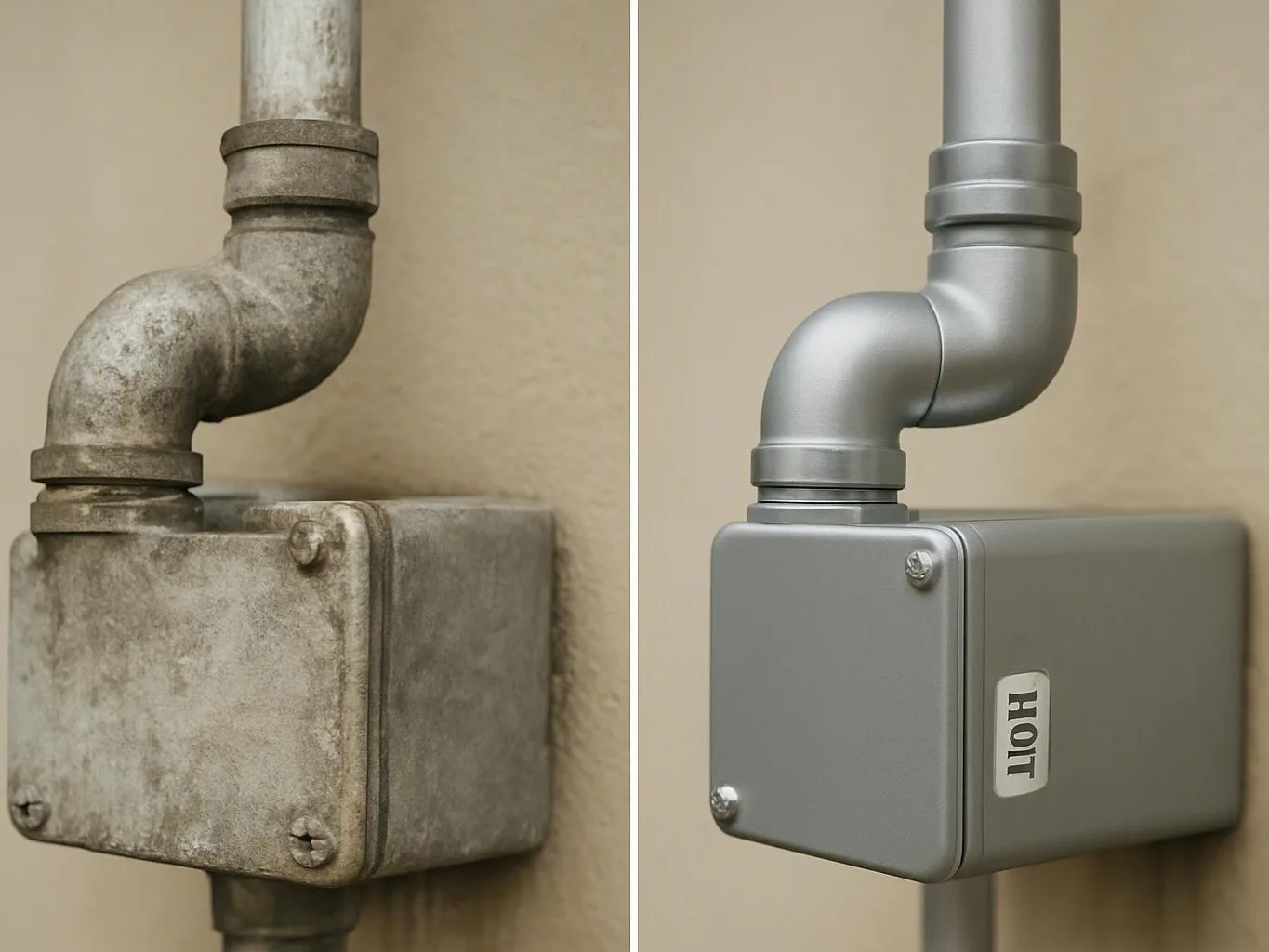
Side-by-side pipes connect to a wall box, showing a rusty version and a clean gray version

ZIP Codes We Serve in Ingalls, Indiana

46048

Bidirectional charging system troubleshooting in Other Areas

(317) 608-1220