Skip to content

Bidirectional Charging System Troubleshooting in Clermont, Indiana

An inverter fault often stops power from flowing back to your property in Clermont. We trace the fault through the charging system and explain the next repair step.

Licensed & InsuredWarranty AvailableSame-Day ServiceUpfront, Transparent Pricing

Quick Summary: Bidirectional charging system troubleshooting in Clermont, Indiana

Bidirectional charging system troubleshooting in Clermont is provided by GMB Electric for homes and businesses with power-flow faults. The work covers inverter checks, grid signals, battery limits, transfer switches, and control firmware, with emergency electrical service available around the clock.

  • What we do: GMB Electric provides Bidirectional charging system troubleshooting for homes and businesses in Clermont, Indiana.
  • What is included: We check inverter faults, grid signals, battery limits, transfer switches, control firmware, and circuit safety.
  • What you get: The system has a documented fault path and a clear decision about repair, adjustment, or further equipment work.

Why is my bidirectional charging system not sending power back?

An inverter fault can stop a bidirectional charging system from sending power back. Other causes include a missing grid signal, battery limits, a transfer switch issue, or control firmware trouble. GMB Electric checks these paths in order and explains whether the fault calls for electrical repair, equipment support, or a system setting change.

Bidirectional charging system troubleshooting for Clermont properties

Bidirectional charging system troubleshooting focuses on the part of the system that prevents power from moving in the needed direction. The work suits property owners who see a failed backup cycle, a blocked export command, or a system that charges but will not send energy back.

A charging session can look normal while the return path remains disabled. We check the inverter fault history, grid signal, battery limits, transfer switch, and control firmware before setting the repair scope. That helps you decide whether the issue belongs to the electrical system, the charging equipment, or its control settings.

The service does not replace damaged equipment by default. We first isolate the fault and explain what the system needs next. GMB Electric serves homes and businesses in Clermont with residential and commercial electrical work.

  • Check whether the inverter accepts a power-export command.
  • Trace the grid signal that permits bidirectional operation.
  • Review battery limits that can block discharge.
  • Inspect the transfer switch and related wiring.
  • Check control firmware status and system error records.
  • Explain whether repair, adjustment, or equipment support fits the fault.
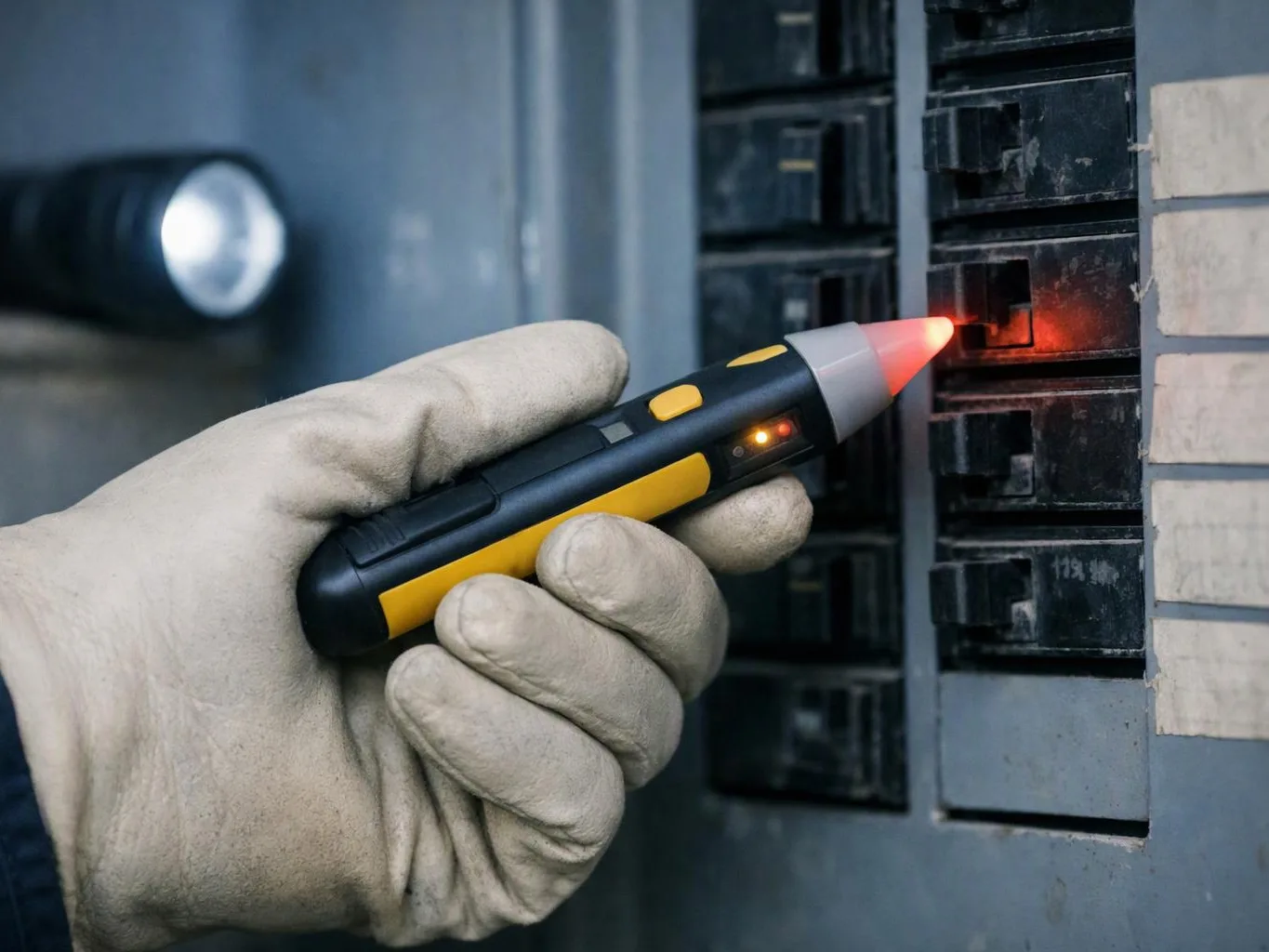
A gloved hand tests an electrical breaker with a glowing voltage pen inside a panel

Service Overview

Bidirectional charging system troubleshooting is a fault-finding service that checks why stored power will not flow back to a property.

  • The work differs from standard EV charging installation because it traces power export, control signals, battery limits, and transfer switching.
  • GMB Electric provides this service for residential and commercial properties in Clermont.
Process

How we trace a return-power charging fault

1

Record the reported system symptom

We note whether the vehicle charges, whether backup power starts, and what warning or fault message appears.

2

Check the inverter power path

We inspect the inverter fault record and test whether it accepts the command to send stored power back.

3

Trace the grid control signal

We check the signal that permits bidirectional operation and look for a break in the control path.

4

Review battery discharge limits

We check whether battery state or system limits prevent the equipment from releasing power.

5

Inspect transfer switching

We check switch position, wiring, and control behavior where the property changes between grid and backup power.

6

Explain the repair scope

We share the findings, identify the responsible system area, and provide a free estimate for supported electrical work.

What you get from this charging system diagnosis

A fault path you can follow

A return-power problem is traced from the inverter through the grid signal, battery limits, transfer switch, and control firmware. We explain each finding in plain language.

Electrical work within our scope

Licensed and insured electrical professionals handle supported wiring, circuit, and transfer-switch issues. Equipment faults that require a manufacturer or software service are identified as such.

A useful limit on the visit

This service is the wrong fit when the concern is only standard vehicle charging with no bidirectional power function. Standard EV charging repair or installation may fit that need instead.

When this service is the right fit

A property owner may report that the vehicle charges normally but the home receives no stored power during a planned backup cycle. We check the inverter command, grid signal, battery discharge limit, transfer switch, and control firmware. The result guides the repair scope without treating a charging fault as a full panel replacement.

What this charging system diagnosis changes

You get a fault path tied to a specific part or control signal.

The diagnosis separates an electrical wiring issue from an equipment setting issue.

Battery limits and transfer-switch conditions are checked before repair decisions are made.

A written explanation helps property owners choose the next safe step.

Businesses can plan around the electrical fault without guessing which part failed.

What bidirectional charging system troubleshooting includes

GMB Electric provides comprehensive Bidirectional charging system troubleshooting in Clermont. Here's what you get:

  • We inspect the inverter fault record and the connected power path.
  • We test the grid signal that controls return-power operation.
  • We check battery limits that can prevent discharge or export.
  • We inspect the transfer switch for wiring, position, and control issues.
  • We review control firmware information when settings affect system behavior.
  • We explain the findings and provide a free estimate for supported electrical work.

Return-power fault paths compared

These fault paths show what each symptom may point toward during electrical diagnosis.

Fault pathWhat the symptom suggestsWhat we check
Inverter faultThe power-export command may be blockedFault record, output path, and connected controls
Grid signalThe system may not permit return-power operationSignal path and related electrical connections
Battery limitsStored power may be unavailable for dischargeBattery state and configured discharge limits
Transfer switchThe property may not change to the backup pathSwitch position, wiring, and control behavior

The GMB Electric Standard

  • Urgent Assistance
  • Issue Diagnosis
  • Careful Inspection
  • Clear Options

Questions about return-power charging faults

Why does an inverter fault stop power from flowing back?

An inverter fault can block the command that sends stored power back to the property. The fault record may point to a grid signal, battery limit, transfer switch, or internal control issue. GMB Electric checks the connected electrical path and explains whether the next step is wiring repair, system adjustment, or equipment support.

Which part of the property decides the troubleshooting scope?

The service equipment and transfer-switch layout often decide the troubleshooting scope. Those parts show how grid power, backup power, and property circuits connect. We inspect access, wiring, disconnects, and panel connections before setting the work scope. A separate circuit problem can require electrical troubleshooting beyond the charging equipment.

What material changes how long the electrical work takes?

Existing wiring material and condition can change the work involved. Copper, aluminum, damaged insulation, and inaccessible conductors each affect testing and repair choices. We identify the wiring type during inspection and explain any added electrical work. No duration is promised before the equipment and conductors are checked.

How does a troubleshooting visit move from the first call to the last step?

The visit moves from symptom review to system testing, fault isolation, repair scope, and a written estimate. We start with the displayed warning and system behavior. Next, we check the inverter, grid signal, battery limits, transfer switch, and control firmware. The final discussion covers supported repairs and any equipment issue outside our scope.

When should I stop using the system before an assessment?

Stop using the system when you notice a burning smell, buzzing panel, sparking, or heat near electrical equipment. Those signs can indicate a fire risk. Move people away from the area and avoid opening the panel. GMB Electric can assess the electrical fault and explain the safe next step.

What information should I provide when requesting this service?

The most useful details are the system symptom, displayed fault, recent change, and whether the vehicle still charges. Photos of the exterior display and accessible equipment can also help with initial scope. Do not remove covers or change wiring. We use the information to plan the assessment and prepare a quote.

Who provides bidirectional charging system troubleshooting in Clermont?

GMB Electric provides bidirectional charging system troubleshooting in Clermont for residential and commercial properties. We handle electrical diagnosis around the inverter, grid signal, battery limits, transfer switch, and related circuits. Equipment or firmware issues outside electrical work are identified so the right next party can address them.
Contact

Request a quote for bidirectional charging system troubleshooting in Clermont

Send the system symptom and fault details to request an assessment, and urgent requests get priority scheduling.

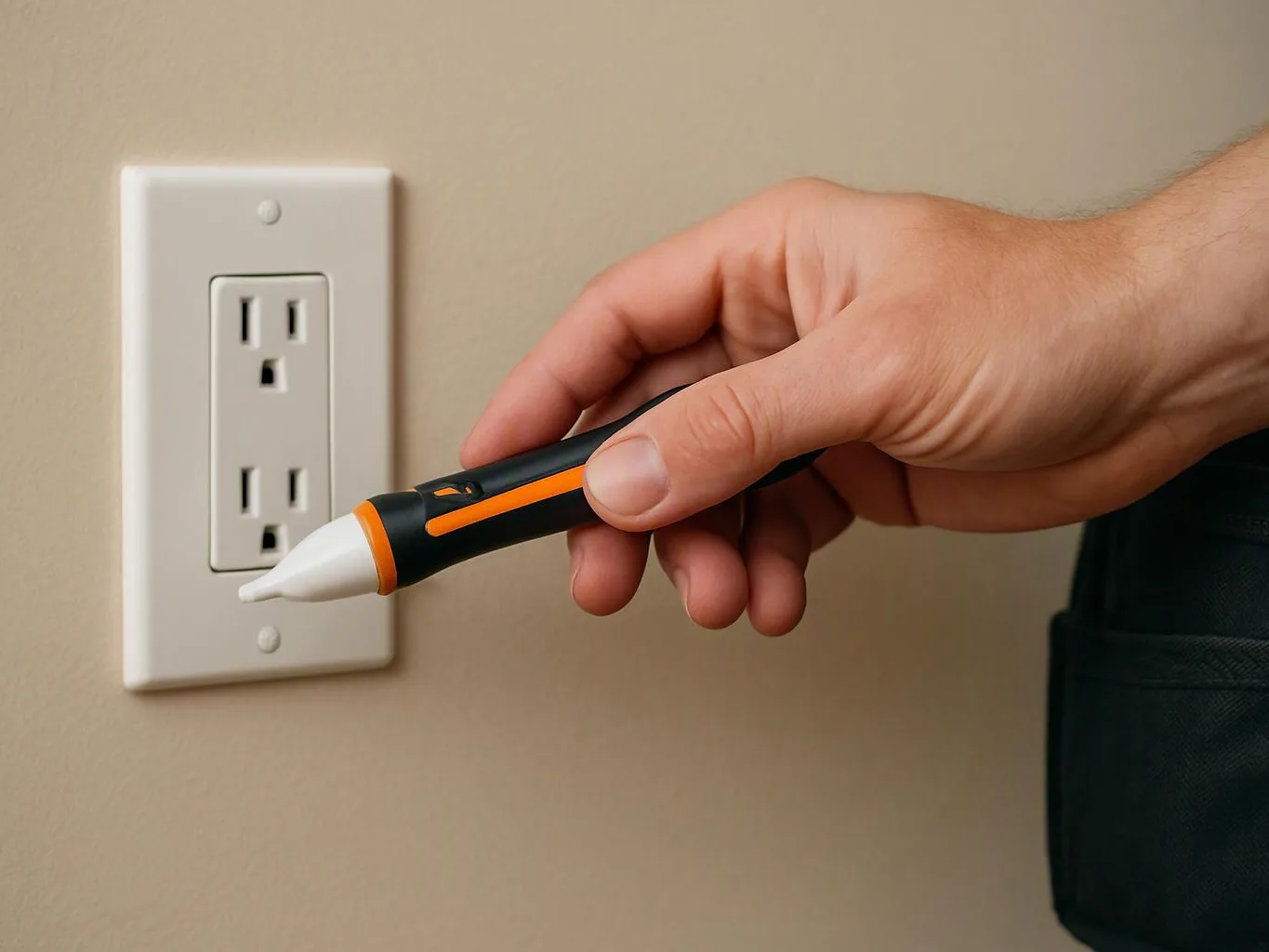
A hand holds a voltage tester near a wall outlet on a beige wall

Bidirectional charging system troubleshooting in Other Areas

(317) 608-1220