Skip to content

Bidirectional Charging System Troubleshooting in Homecroft, Indiana

Current sensors must meet safe electrical conditions in Homecroft before we test unstable charging. We trace the sensor signal through the inverter, battery controls, and grid relay.

Licensed & InsuredWarranty AvailableSame-Day ServiceUpfront, Transparent Pricing

Quick Summary: Bidirectional charging system troubleshooting in Homecroft, Indiana

Bidirectional charging system troubleshooting in Homecroft is provided by GMB Electric for homes and businesses. The service checks current sensors, inverter links, battery controls, relays, and grounding as part of our residential and commercial electrical work.

  • What we do: GMB Electric provides Bidirectional charging system troubleshooting for homes and businesses in Homecroft, Indiana.
  • What is included: We trace current signals, inspect the power inverter, check battery management, test the grid relay, and verify grounding.
  • What you get: The system has a documented fault path and a clear repair or further testing decision.

Which components should be tested when bidirectional charging is unstable?

Current sensors should be tested first because they guide power readings and control decisions. The power inverter, battery management system, grid relay, and grounding system also need checks. A fault in one part can look like a problem in another, so we trace the signal path before setting the repair scope.
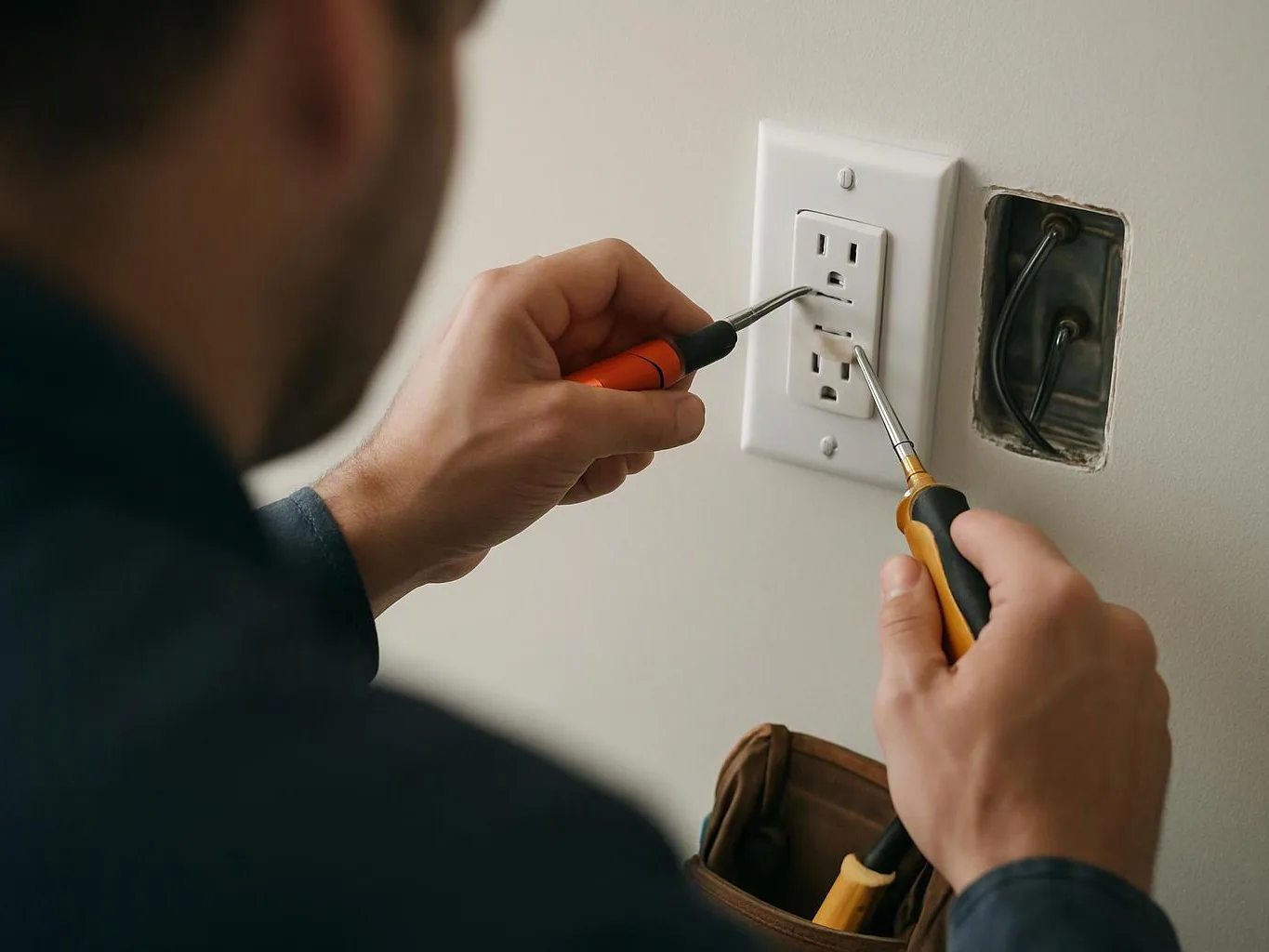
Bidirectional charging system troubleshooting for Homecroft properties

Bidirectional charging system troubleshooting focuses on unstable charging, failed power transfer, and warning signals that do not point to one part right away. The work suits property owners who need a clear diagnosis before choosing a repair or replacement.

Current sensors are the assigned focus for this job. We compare their readings with the power inverter, battery management system, grid relay, and grounding system. That comparison helps separate a sensing fault from a control, switching, or electrical connection problem.

The customer decision is simple after testing. We explain which part needs attention, whether more access or testing is needed, and which electrical service fits the property. A full installation or panel upgrade is a different scope when the charging equipment itself is not the source of the fault.

  • Check whether the current sensor reading matches the system response.
  • Trace the signal between the sensor, inverter, and battery controls.
  • Test the grid relay during the power-transfer sequence.
  • Verify grounding connections and inspect for unsafe electrical conditions.
  • Document the fault path before discussing repair scope.
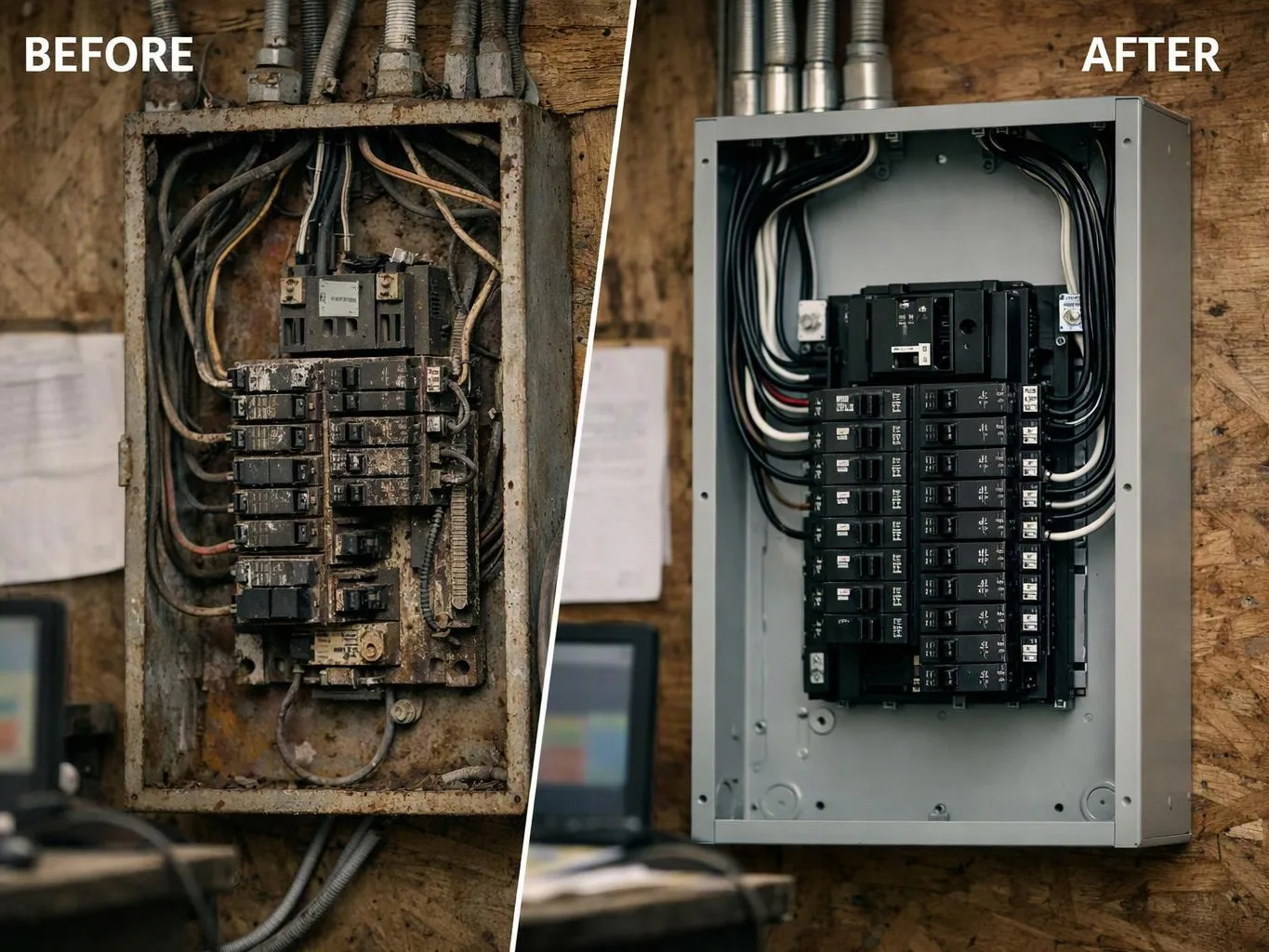
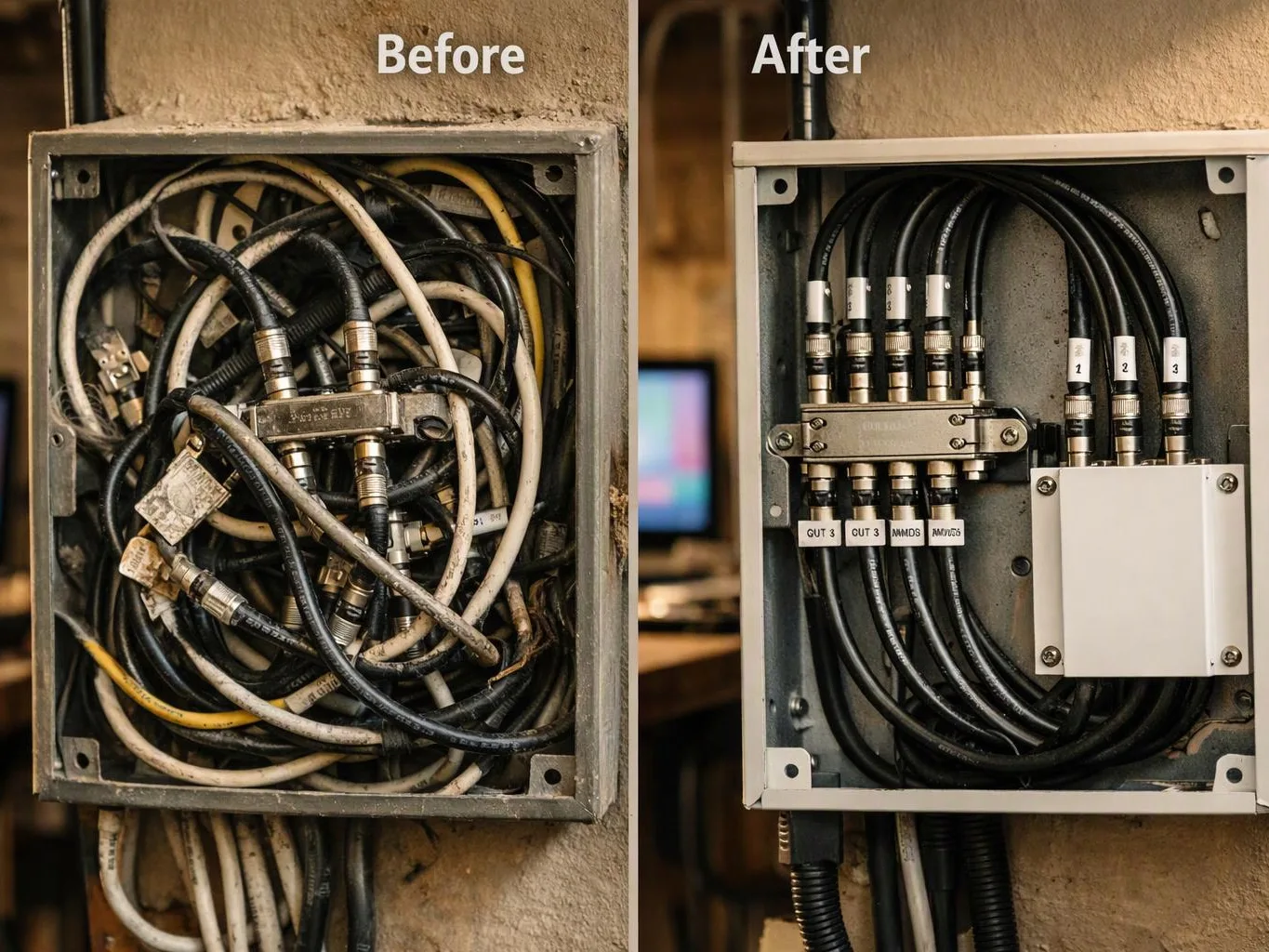
Side by side boxes show tangled cables before and neatly arranged black cables after

Service Overview

Bidirectional charging system troubleshooting is a diagnostic service that tests the parts controlling power flow into and out of a battery system.

  • It differs from EV charging installation because troubleshooting finds an unstable signal or failed part after the charging equipment is in place.
  • GMB Electric provides this service for residential and commercial properties in Homecroft.

What stable charging decisions become easier

A traced fault path helps you avoid replacing unrelated charging equipment.

Testing separates a sensor problem from inverter, battery control, relay, or grounding trouble.

You receive a clear explanation of the next electrical step.

The findings help protect safe operation for residential or commercial use.

What bidirectional charging troubleshooting includes

GMB Electric provides comprehensive Bidirectional charging system troubleshooting in Homecroft. Here's what you get:

  • We inspect current sensor connections and compare their readings with system behavior.
  • We trace the control path between the power inverter and battery management system.
  • We test the grid relay for proper switching during bidirectional operation.
  • We inspect the grounding system for connection or continuity concerns.
  • We explain whether the fault points to a repair, more testing, or a different electrical service.

What this diagnostic work gives you

A part-by-part fault decision

The inspection follows the signal from the current sensor through the power inverter and controls. This keeps the repair discussion tied to tested parts. The wrong job is a general outlet repair when the charging system has not been isolated as the source.

Electrical safety in the test plan

We check grounding and switching points as part of the diagnosis. Licensed and insured electrical professionals handle the electrical work for residential and commercial properties.

A useful boundary for scope

Troubleshooting identifies electrical and control faults. Manufacturer software issues or a failed vehicle battery may require a separate equipment or vehicle service.

Process

How we test an unstable charging system

1

Record the charging symptom

We note the warning, failed function, and operating condition before opening or testing equipment.

2

Trace the sensor signal

We inspect the current sensor connection and compare its reading with the power inverter response.

3

Check battery control behavior

The battery management system is checked for a response that matches the charging command.

4

Test relay switching

We test the grid relay and inspect related connections during the power-transfer sequence.

5

Verify grounding and explain scope

We check the grounding system, document the fault path, and explain the repair or next testing decision.

Charging fault areas we compare

These fault areas show how different system parts can create similar charging symptoms.

Fault areaWhat we checkDecision it supports
Current sensorSignal, connection, and readingSensor repair or further system testing
Power inverterPower conversion and responseInverter-related electrical scope
Battery managementControl response and charging commandBattery control or equipment referral
Grid relaySwitching and related connectionsRelay or circuit repair scope
Grounding systemConnections and fault pathGrounding correction or added testing

The GMB Electric Standard

  • Urgent Assistance
  • Issue Diagnosis
  • Careful Inspection
  • Clear Options

Questions about unstable bidirectional charging

How is the charging system matched to the property before work starts?

The property type, electrical layout, equipment access, and charging symptoms shape the testing plan. Residential and commercial systems may present different access and operating needs. We review the available system details, identify safe isolation points, and set the assessment scope before testing begins.

What should be ready before troubleshooting starts?

The charging equipment should be accessible, and the owner should have any warning messages or recent service details available. Do not remove covers or test energized parts yourself. We need the system location, the reported symptom, and any change that happened before the fault appeared.

Which property condition changes the testing time?

Equipment access and the number of connected fault points change the testing time. A clear path to the charger, inverter, relay, and grounding connections supports a direct inspection. Hidden wiring, restricted access, or a fault that crosses several controls can require more diagnostic work.

Why does a sensor warning not prove the sensor failed?

A sensor warning does not prove the sensor failed because inverter, battery control, relay, or grounding faults can produce similar symptoms. We compare the sensor signal with system response before recommending a part. That check helps keep the repair focused on the tested fault.

What makes this different from EV charging installation?

Charging installation adds or connects equipment, while troubleshooting tests equipment that is already installed. We focus on unstable readings, control signals, switching, and grounding. A new circuit, panel change, or charger installation needs a separate scope when the existing system is not the issue.
Contact

Request a bidirectional charging troubleshooting estimate

Tell us what the system is doing and request an estimate. Urgent requests get priority scheduling.

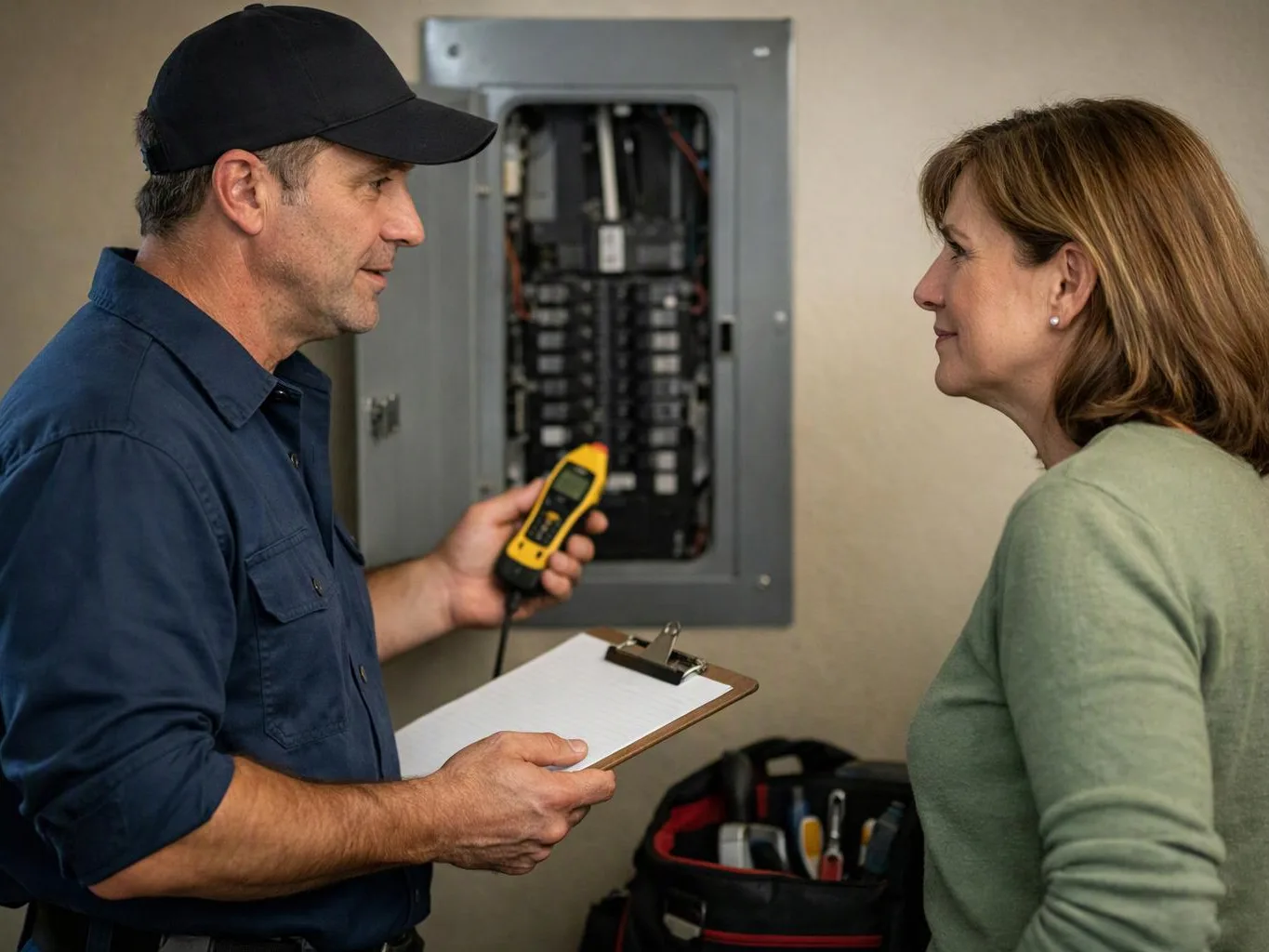
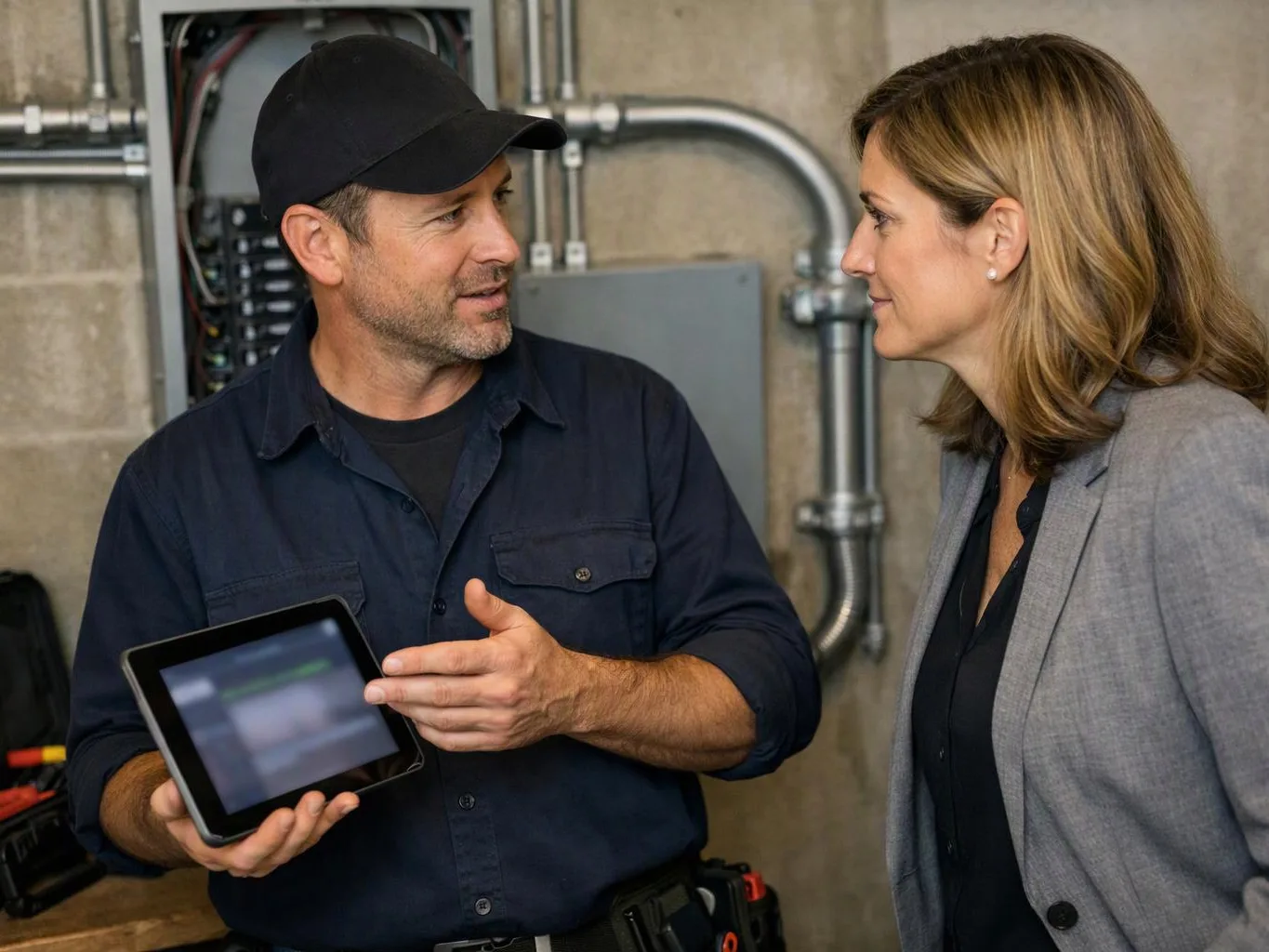
A man shows a tablet to a woman while they talk beside electrical panels and pipes

Bidirectional charging system troubleshooting in Other Areas

(317) 608-1220