Skip to content

Bidirectional Charging System Troubleshooting in New Whiteland

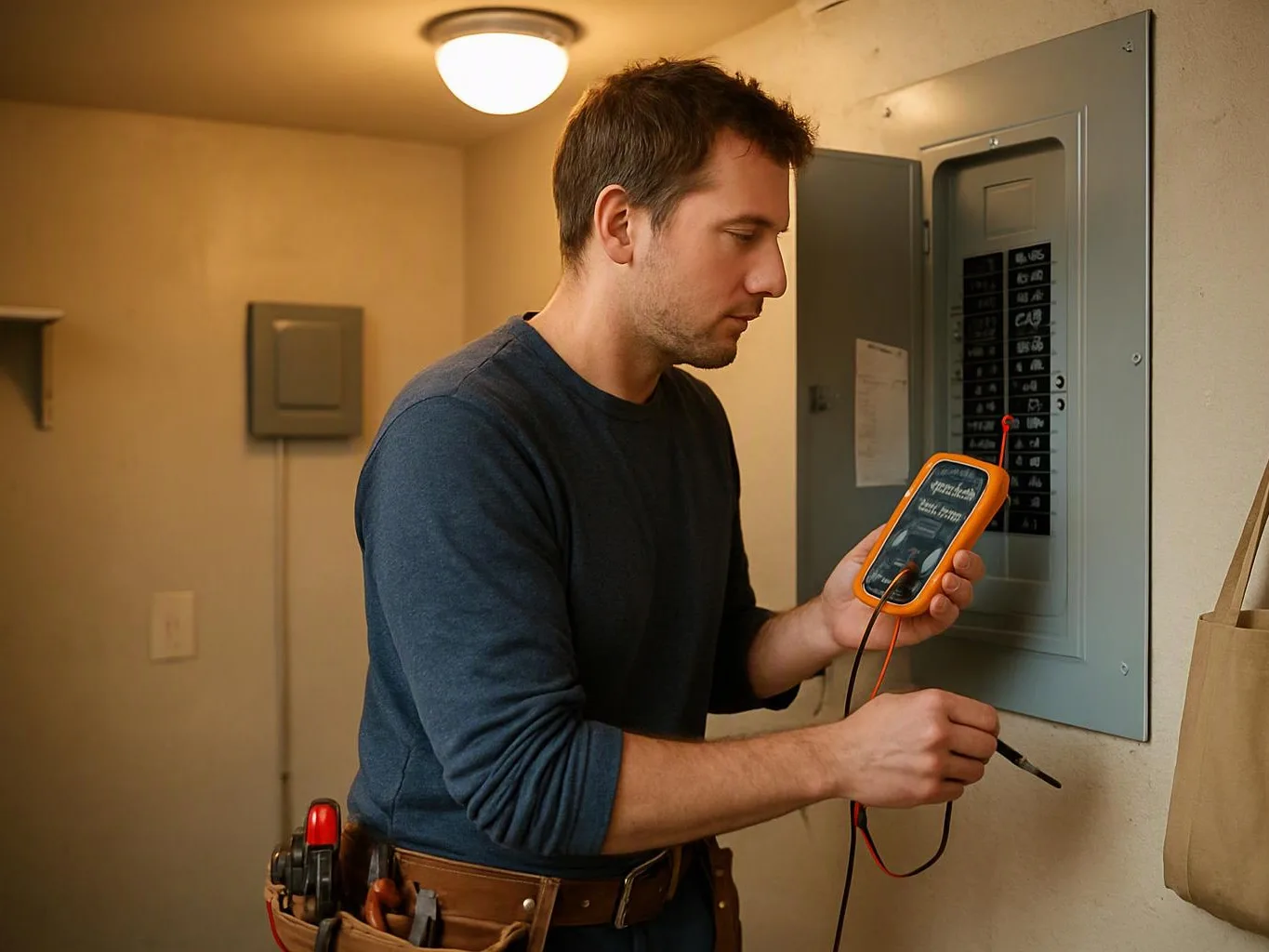
Current sensors help determine whether the system has enough load data to switch power safely in New Whiteland. We test the related controls and explain the next repair step.

Licensed & InsuredWarranty AvailableSame-Day ServiceUpfront, Transparent Pricing

Quick Summary: Bidirectional charging system troubleshooting in New Whiteland, Indiana

Bidirectional charging system troubleshooting in New Whiteland is provided by GMB Electric for unstable charging, sensor faults, inverter issues, and related electrical controls. We serve residential and commercial properties, with emergency electrical service available around the clock.

  • What we do: GMB Electric provides Bidirectional charging system troubleshooting for homes and businesses in New Whiteland, Indiana.
  • What is included: We test current sensors, trace charging circuits, check power inverters, and inspect related control parts.
  • What you get: The customer receives a tested system condition, a clear fault diagnosis, and a defined repair path.

Why do current sensors need testing when bidirectional charging becomes unstable?

Current sensors need testing because incorrect readings can disrupt charging control and power flow. GMB Electric checks sensor connections, signal behavior, and related circuit controls before setting the repair scope.
Bidirectional charging system troubleshooting for New Whiteland properties

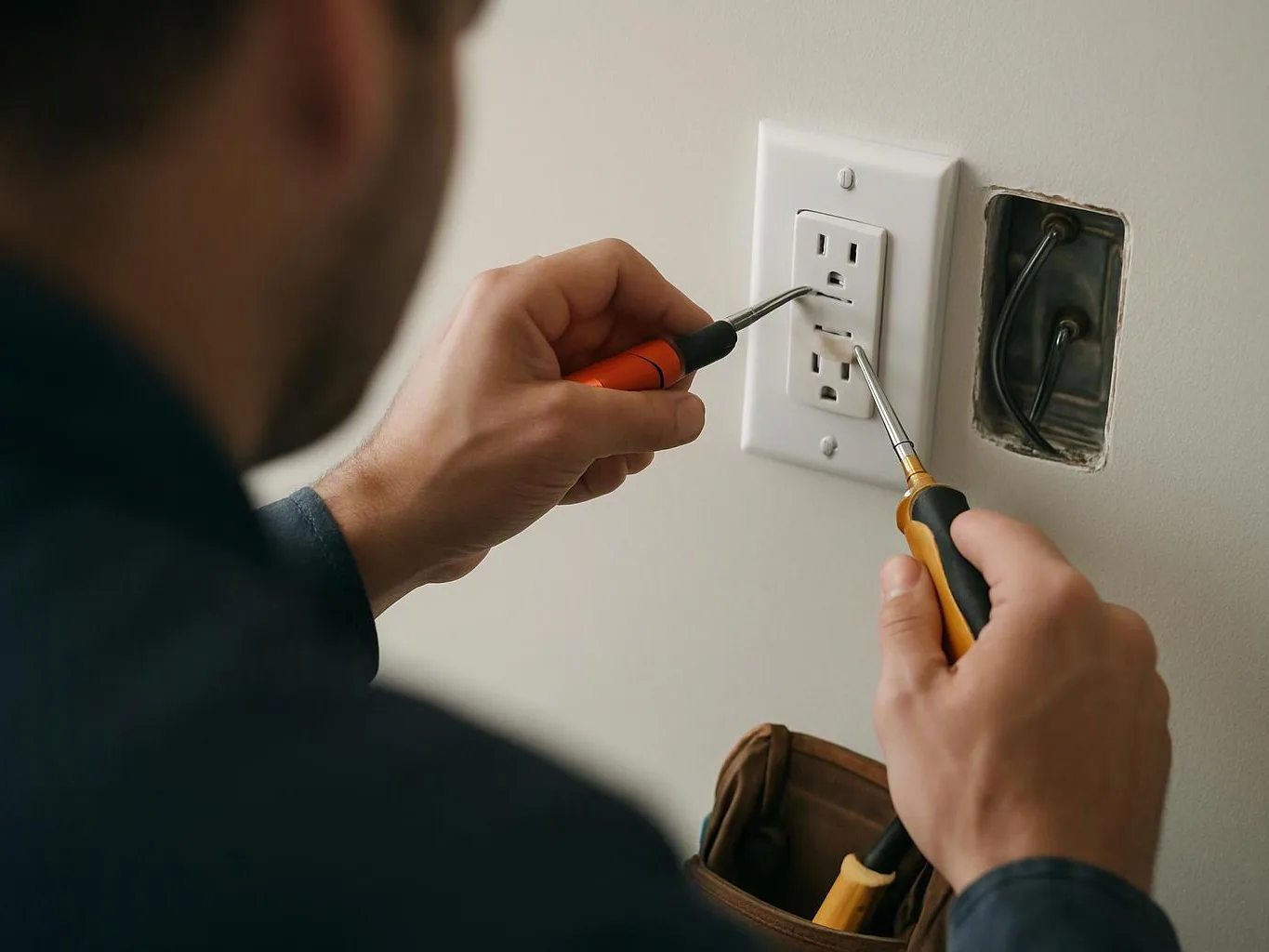
This service fits owners who see unstable charging, failed power transfer, warning messages, or repeated shutdowns. The key decision is whether the fault sits in the control signal, power path, grounding system, or connected equipment.

Current sensors receive special attention because their readings help control when power enters or leaves the system. We compare those readings with the system response, then check the power inverter, battery management, and grid relay as needed.

A diagnosis does not automatically mean every part needs replacement. We identify the affected section, explain what the checks show, and provide a quote for the work that follows.

  • Note when the system becomes unstable and whether the issue repeats during charging or discharge.
  • Keep the vehicle, battery equipment, and electrical panel accessible for testing.
  • Share warning messages or control errors before the assessment begins.
  • Ask which part failed, what testing supports that finding, and what repair work is included.
A white wall light switch plate with two screws sits on a beige painted wall

Service Overview

Bidirectional charging system troubleshooting is an electrical diagnosis that finds why power does not move correctly between a vehicle, battery, property, and grid connection.

  • The work differs from standard EV charging installation because it focuses on testing an existing two-way power system and its control path.
  • GMB Electric provides this troubleshooting service for residential and commercial properties in New Whiteland.
Process

Steps we use to diagnose charging instability

1

Record the charging symptom

We review when the fault starts, what the system displays, and whether the issue happens during charging, discharge, or both.

2

Isolate the electrical equipment

We establish safe access and isolate the affected equipment before testing energized parts or control signals.

3

Test sensor signals

We check current sensor connections and compare their readings with the system response.

4

Trace connected controls

We follow the signal through the power inverter, battery management, grid relay, and grounding system when the diagnosis requires it.

5

Explain the repair scope

We document the finding, identify the needed work, and provide a quote before repair work proceeds.

A situation this service fits

A typical property scenario involves a charging system that starts normally but stops after power begins to move in both directions. We isolate the equipment, test the current sensor signal, and follow the control path through the inverter and grid relay. If grounding or panel wiring affects the reading, we include that issue in the repair scope and explain any code review that applies.

What this troubleshooting service is suited to

Start with the control signal

Bidirectional charging system troubleshooting starts with the part that reports power flow, then follows the signal into connected controls. This work fits unstable operation and repeated control faults. It is the wrong job when the issue is only a utility outage or a vehicle fault outside the property wiring.

Test the full electrical path

The diagnosis can include the inverter, battery management, grid relay, and grounding system when those parts affect charging behavior. We separate confirmed findings from parts that still need more testing.

Receive a defined repair scope

Our team explains the failed section, the needed electrical work, and the conditions that could change the quote. Licensed and insured electrical professionals handle the electrical service.

What stable charging control helps you decide

A focused diagnosis helps separate a sensor fault from a larger power-control problem.

Testing the control path helps prevent parts from being changed without a supported reason.

Clear findings show whether the next step is repair, replacement, or further system testing.

The written scope gives homeowners and business owners a defined basis for requesting a quote.

Safe isolation reduces the chance of working on an energized fault during diagnosis.

What this charging system diagnosis includes

GMB Electric provides comprehensive Bidirectional charging system troubleshooting in New Whiteland. Here's what you get:

  • We inspect current sensor connections and check whether their readings match system behavior.
  • We trace the charging circuit from the connected equipment to the electrical panel.
  • We test the power inverter and review how it responds to charging and discharge commands.
  • We check battery management controls for fault signals that affect two-way power flow.
  • We inspect the grid relay and grounding system when the fault reaches those parts.
  • We explain the findings and prepare a quote for the recommended electrical work.

Charging fault areas we compare during diagnosis

The symptom helps determine which part of the electrical path needs the closest test.

Fault areaWhat we checkWhat the finding helps decide
Current sensorsConnections and reported currentWhether the control signal supports stable charging
Power inverterResponse to charging and discharge commandsWhether power conversion is part of the fault
Grid relayRelay operation and transfer responseWhether the grid connection needs electrical repair
Grounding systemGround path and related electrical conditionsWhether grounding work belongs in the repair scope

The GMB Electric Standard

  • Urgent Assistance
  • Issue Diagnosis
  • Careful Inspection
  • Clear Options

Questions about unstable bidirectional charging

Which components should be tested when bidirectional charging is unstable?

Current sensors should be tested first, followed by the power inverter and related control path. GMB Electric then checks battery management, the grid relay, and grounding system when the readings point to those parts. Testing follows the symptom, so we do not assume every component has failed. The findings guide the repair scope and quote.

What should be ready before this electrical diagnosis starts?

Equipment access, warning messages, and the charging history should be ready before testing starts. Keep the vehicle, battery equipment, and electrical panel accessible. Do not remove covers or test live parts yourself. A clear account of when charging stops helps our team compare the symptom with sensor and inverter behavior.

What should a customer ask before agreeing to the repair?

The customer should ask which part failed, what test supports that finding, and what the quote includes. We explain whether the scope covers diagnosis, electrical repair, replacement parts, or added testing. Customers should also ask whether the system needs to be isolated during the work and what access the repair requires.

Which property condition changes the testing time?

Limited access to the panel, vehicle equipment, battery cabinet, or control wiring can expand the testing work. We also need to account for concealed wiring and faults that appear only during power transfer. Clear access helps us trace the system safely, while blocked equipment can require a different inspection sequence.

Why can a reset fail to solve the charging fault?

A reset cannot correct a failed sensor, damaged connection, relay problem, or grounding fault. It may clear a control message without fixing the cause. Our team records the fault, isolates the affected section, and tests the signal path so the repair addresses the condition that keeps returning.

When is unstable charging an urgent electrical concern?

Unstable charging becomes urgent when the panel buzzes, an outlet smells hot, or equipment shows sparking or heat damage. Turn off the affected equipment if you can do so safely, and keep people away from damaged parts. GMB Electric provides emergency electrical service for urgent electrical problems.
Contact

Request a bidirectional charging system assessment in New Whiteland

Ask for a free estimate on the system checks and repair scope, and urgent requests get priority scheduling.

A narrow hallway with wood floors leads to a lit sitting room, with a white door and kitchen counter beside it

Bidirectional charging system troubleshooting in Other Areas

(317) 608-1220