Can an electrician identify power outage hazards?
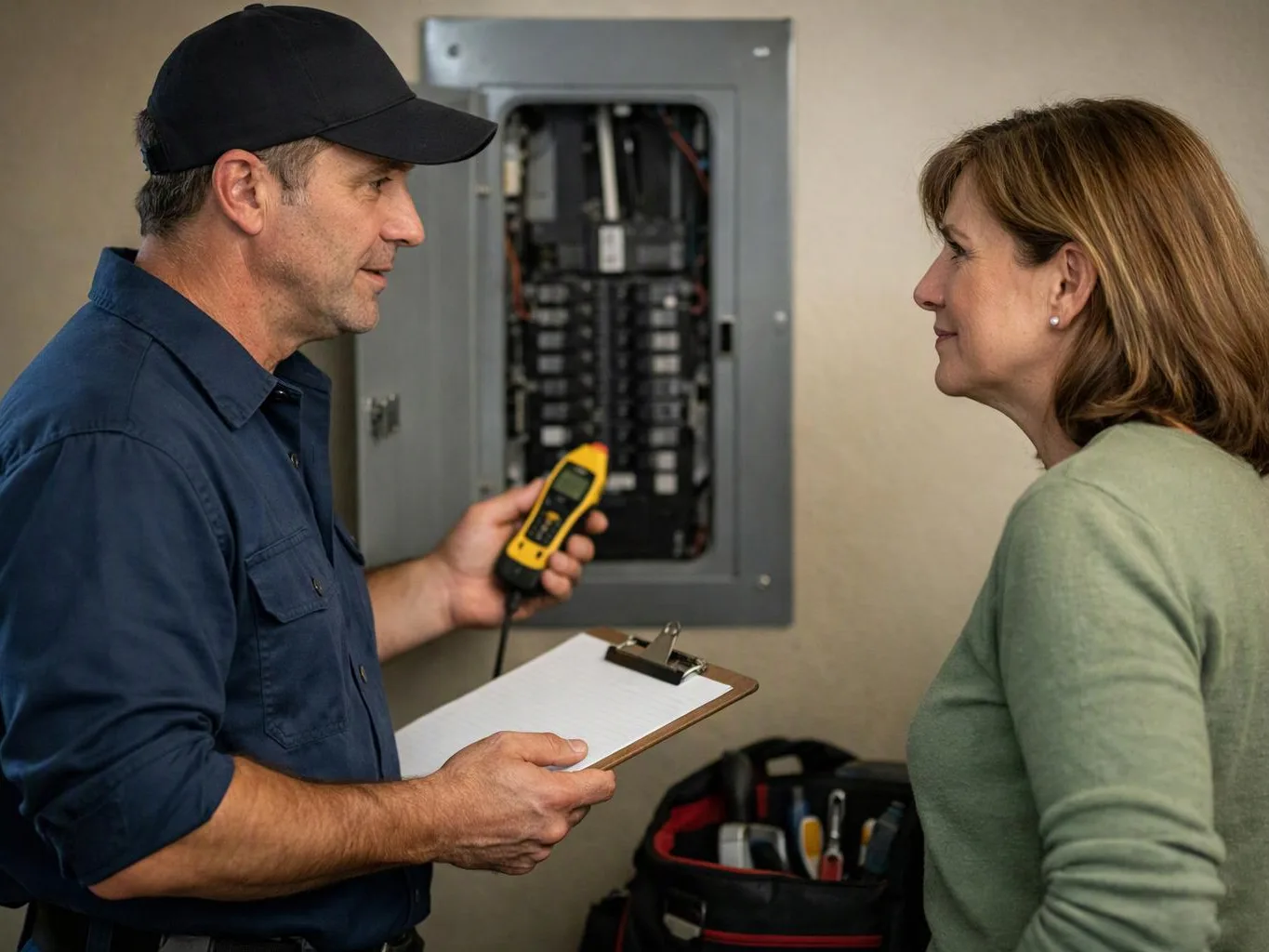
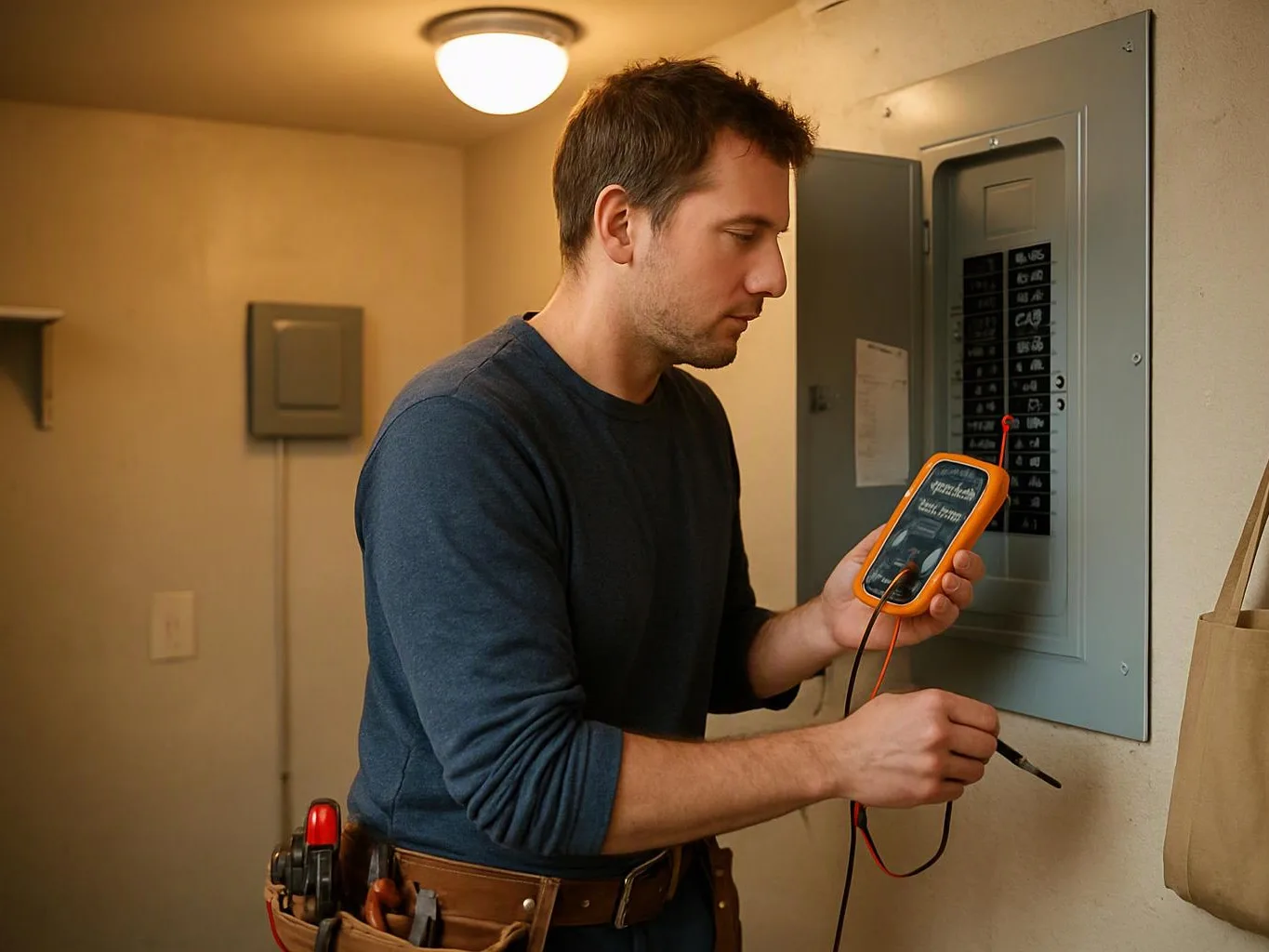
GMB Electric identifies backfeed risk, damaged wiring, burned equipment, and unsafe circuit conditions during outage troubleshooting. We inspect the panel, trace affected circuits, and test accessible outlets. Downed wires and arcing conductors require added caution because they can expose people or property to electrical danger. We explain which area needs isolation and what repair path fits the findings.
How is outage troubleshooting matched to my property?
The property layout, panel type, affected loads, and access points shape the inspection plan. Residential work often follows rooms, outlets, and lighting circuits. Commercial work also considers equipment and work areas that lost power. We use the reported symptoms and circuit tracing to decide which parts need testing first.
What should be ready before troubleshooting starts?
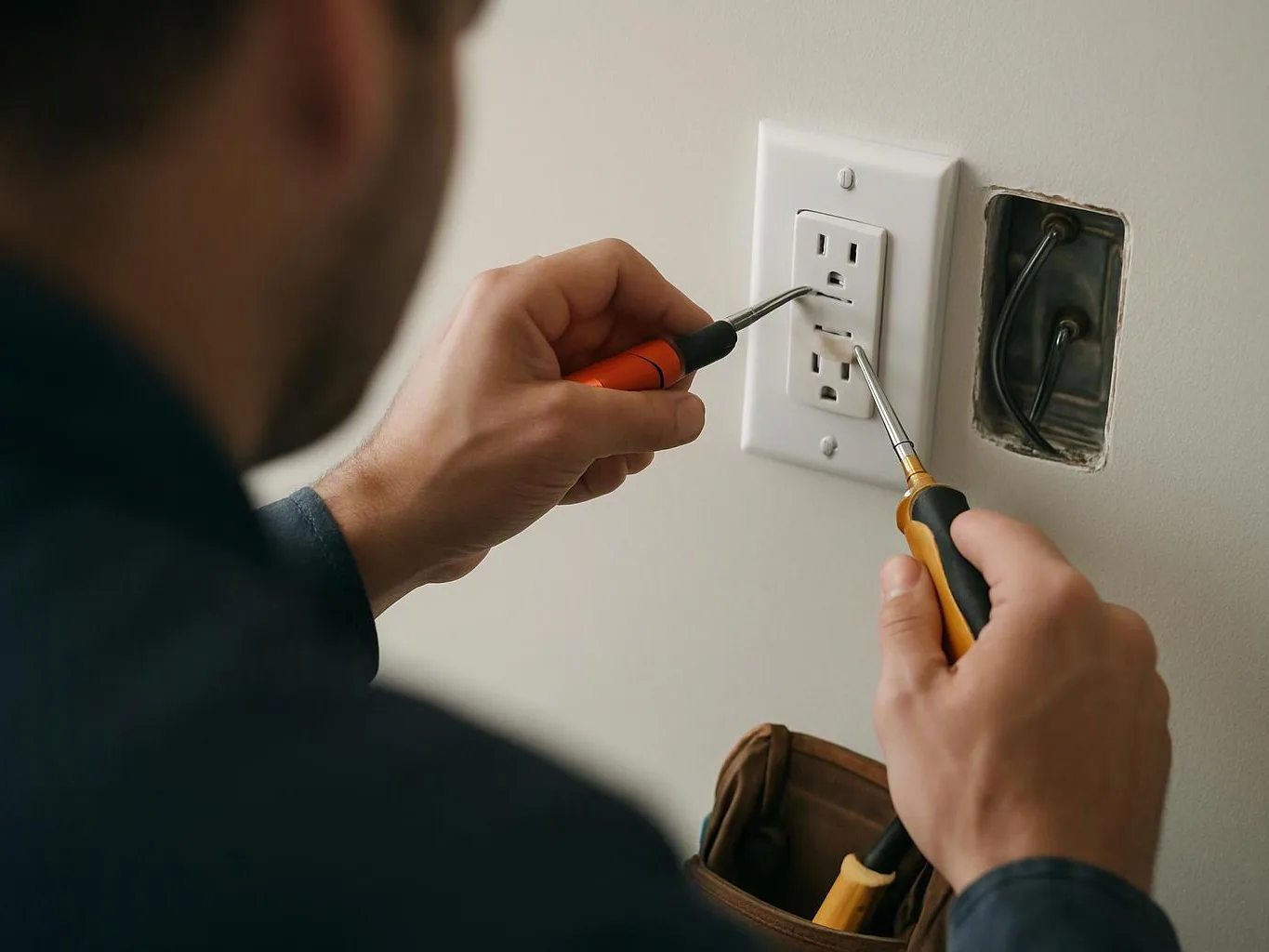
Clear access to the service panel and affected outlets helps the inspection start safely. Keep notes about rooms without power, recent electrical changes, and any breaker activity. Leave damaged outlets, warm switch plates, and sparking equipment unused. Photos can help show visible damage, but they don't replace an on-site electrical check.
Which condition changes the work needed most?
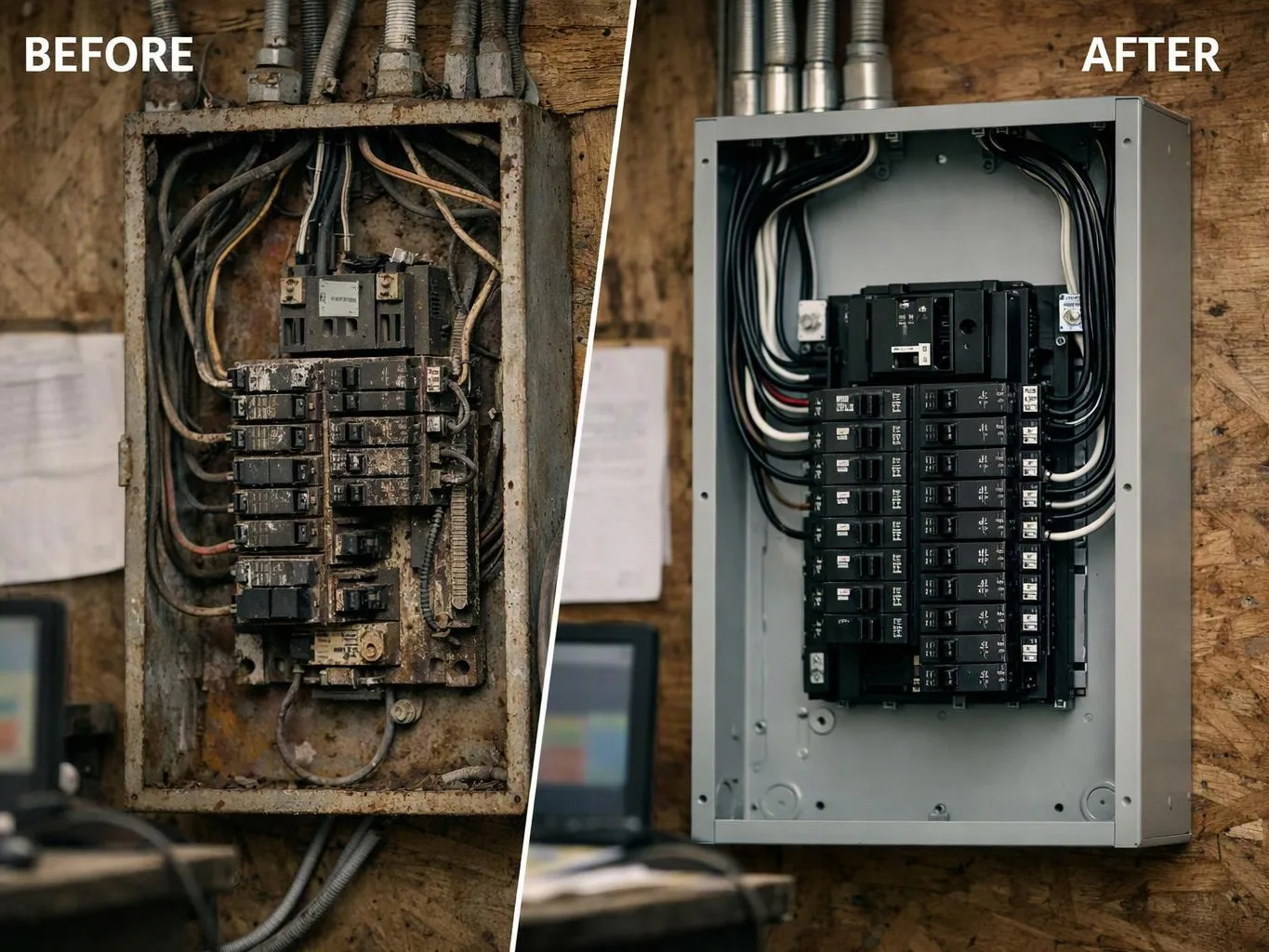
A damaged panel, burned connection, or hard-to-reach circuit can expand the work needed for diagnosis. We check the fault location, circuit path, connected load, and access conditions. A single tripped breaker may need limited testing, while heat damage or repeated trips can require repair planning after the cause is found.
When should I involve the utility company?
The utility company handles faults on its equipment and incoming supply, while we inspect electrical problems inside your property. If nearby properties also lose power, report the outage to the utility. We assess the panel and internal circuits when your property has a separate fault or when power returns with unsafe symptoms.
Why does a breaker keep tripping after power returns?
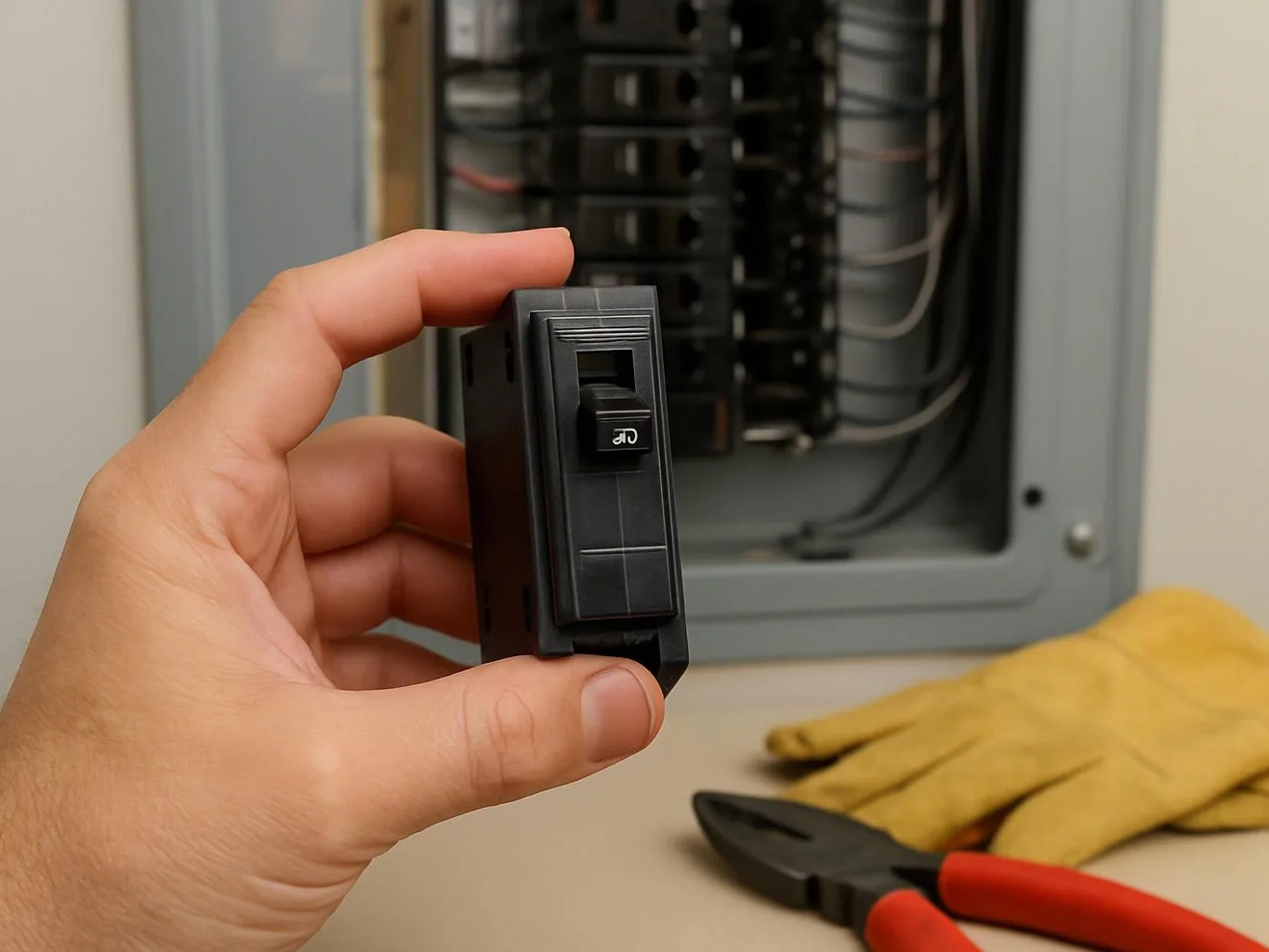
A breaker that keeps tripping often points to overload, a short circuit, damaged wiring, or a failing connected device. We identify the affected circuit and inspect its outlets, switches, and loads. Repeated resets can increase risk when the underlying fault remains. Leave the breaker off if it trips again and request an electrical assessment.
What does outage troubleshooting cost for this job?
The job cost depends on the outage area, circuit access, panel condition, damaged parts, and testing required. We review those factors before describing the repair scope and quote. The final amount also depends on whether the work stays diagnostic or includes electrical repairs, outlet replacement, wiring work, or panel service.