Can flickering lights come from an intermittent electrical failure?
GMB Electric can find intermittent failures behind flickering lights through circuit tracing and electrical testing. Loose terminals, voltage drop, and short circuits can produce changing symptoms. We inspect the affected circuit and panel connections, then test the fault path before recommending repair. Stop using the circuit if you smell burning, hear buzzing, or see sparks.
Which part of the property decides the troubleshooting scope?
The affected circuit decides the troubleshooting scope because the fault may sit at the panel, wiring, outlet, switch, fixture, or connected load. Access also matters when wiring runs behind finished walls. We map the reported symptom to the circuit, test accessible points, and explain when repair or rewiring becomes the better service.
Which material can change the troubleshooting work?
The wiring material can change the troubleshooting work because aluminum wiring, older conductors, and damaged insulation need different checks. We inspect the accessible wiring and terminals before setting the repair scope. The material, connection condition, and access help determine whether a repair, remediation, or rewiring plan fits.
How does a troubleshooting visit move from the first call to the last step?
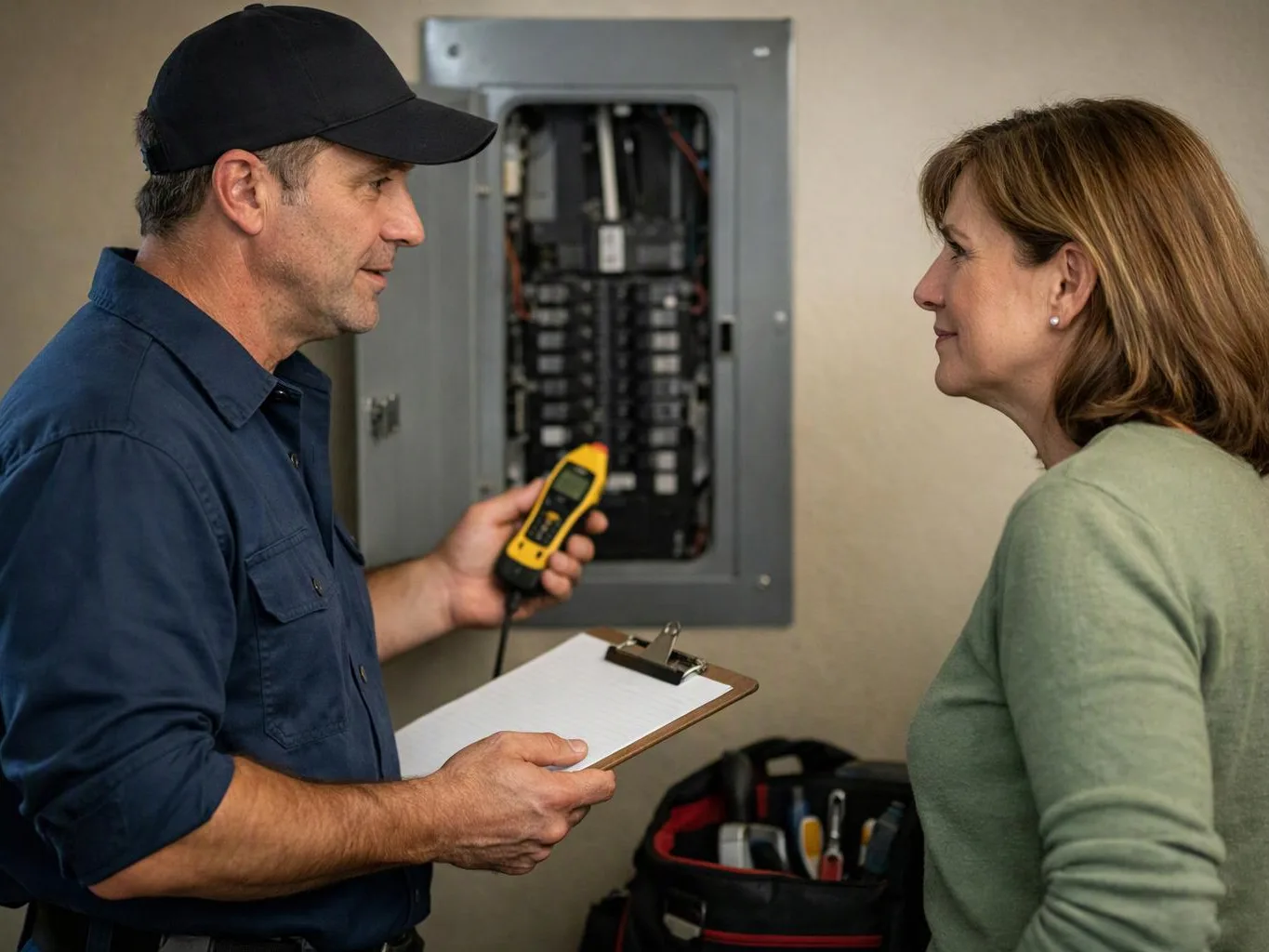
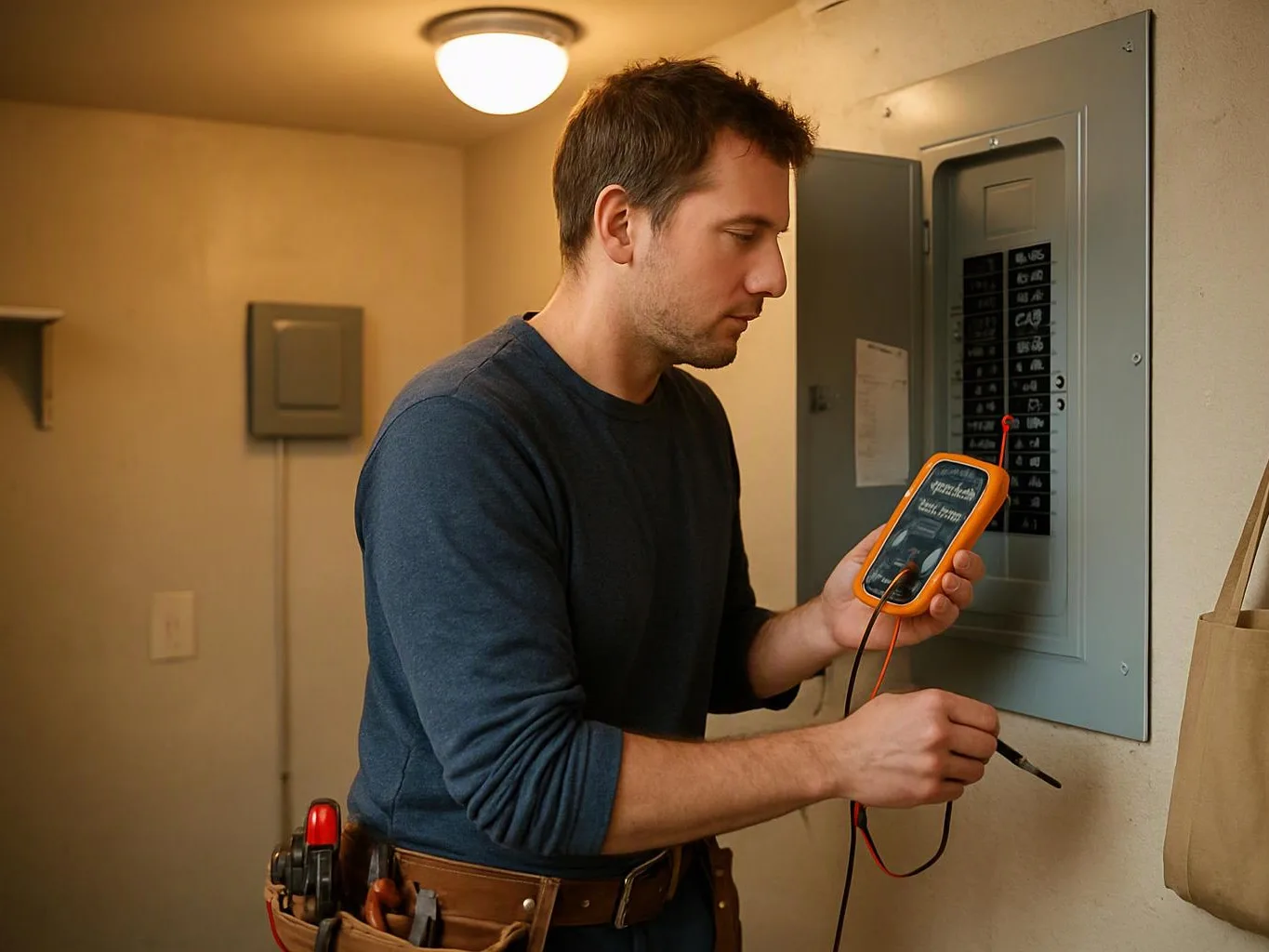
An electrical troubleshooting visit moves from symptom review to circuit inspection, fault testing, repair planning, and final verification. We record the affected device or circuit, inspect the panel and connections, then trace voltage and continuity where appropriate. The final step confirms the approved repair and explains any remaining electrical work.
What should I do before electrical troubleshooting starts?
Safe access to the panel and affected area helps electrical troubleshooting start with the right information. Note which devices lose power, what was running, and whether a breaker trips. Do not open the panel or handle damaged wiring yourself. Keep people away from outlets with heat, sparks, smoke, or a burning smell.
When should a breaker that keeps tripping become urgent?
A breaker that keeps tripping becomes urgent when it is paired with heat, smoke, a burning smell, buzzing, or visible sparking. Turn off the affected circuit if you can do so safely and leave damaged devices alone. Our emergency electrical service handles urgent faults for homes and businesses.
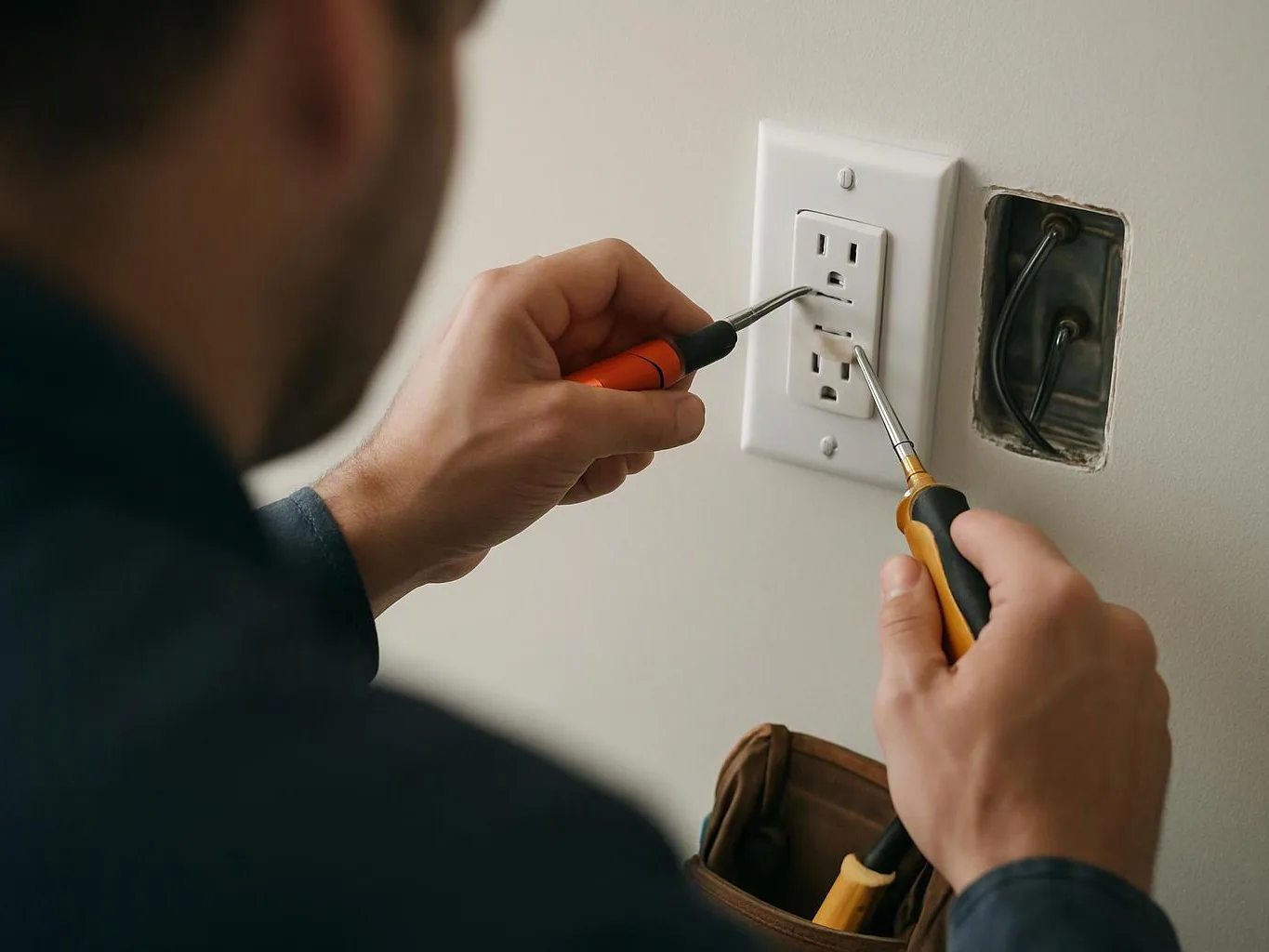
Why might an outlet fail while nearby outlets still work?
A single dead outlet can result from a failed receptacle, loose connection, tripped GFCI, or an upstream wiring fault. We test the outlet and trace power through related devices to locate the failure. Nearby working outlets do not prove that the dead outlet is safe to open or use.