What electrical problems require immediate repair?
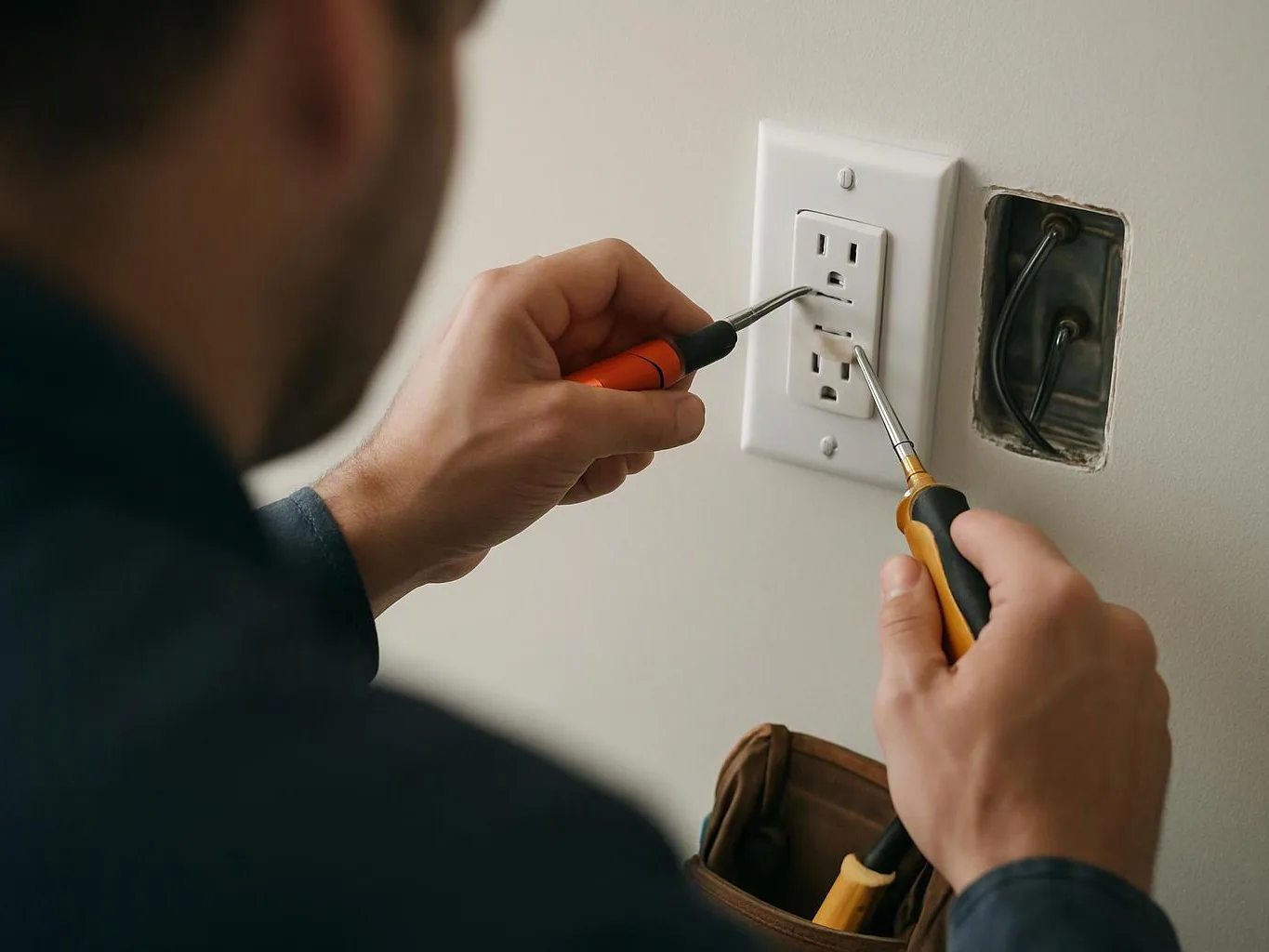
A sparking outlet, burning odor, exposed wiring, or repeated breaker trips requires immediate electrical repair. Stop using the affected area and keep clear of damaged parts. GMB Electric checks the outlet, circuit, breaker, and panel connection to identify the risk. Do not reset a breaker repeatedly when it trips again.
How should I prepare before urgent electrical service?
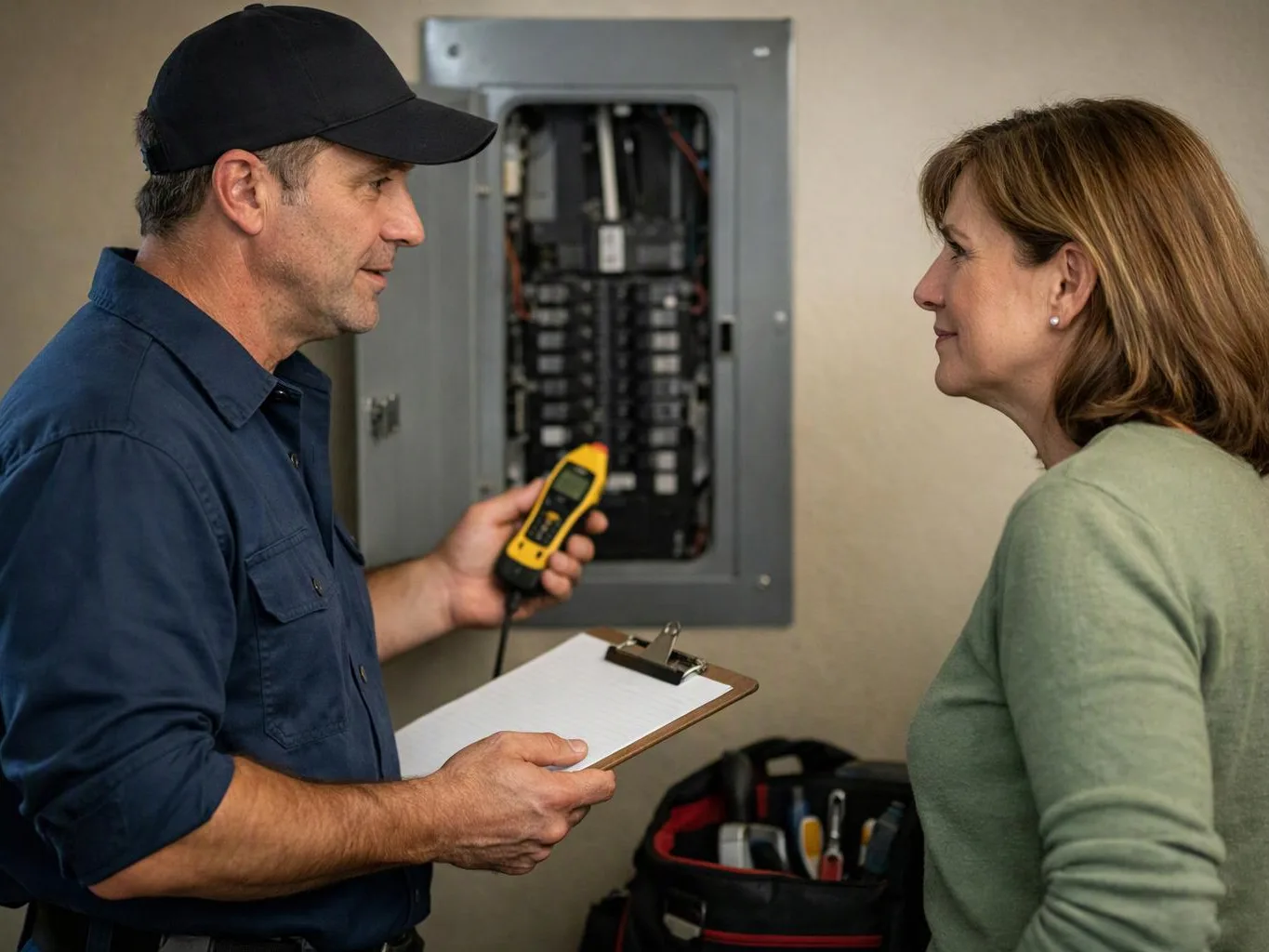
Safe access to the affected outlet, panel, and visible wiring helps the inspection start clearly. Keep people away from damaged parts and unplug equipment only when doing so is safe. Tell us what changed, which breaker moved, and whether you noticed heat, smoke, odor, or a power loss.
Which power outage needs an electrician instead of utility help?
An electrician fits an outage that affects only your property or follows a panel, breaker, outlet, or wiring fault. Check whether nearby properties also lost power before reporting the issue. Our team can troubleshoot the property-side electrical system, but utility equipment and service lines require the utility company.
When should a tripped breaker stay off?
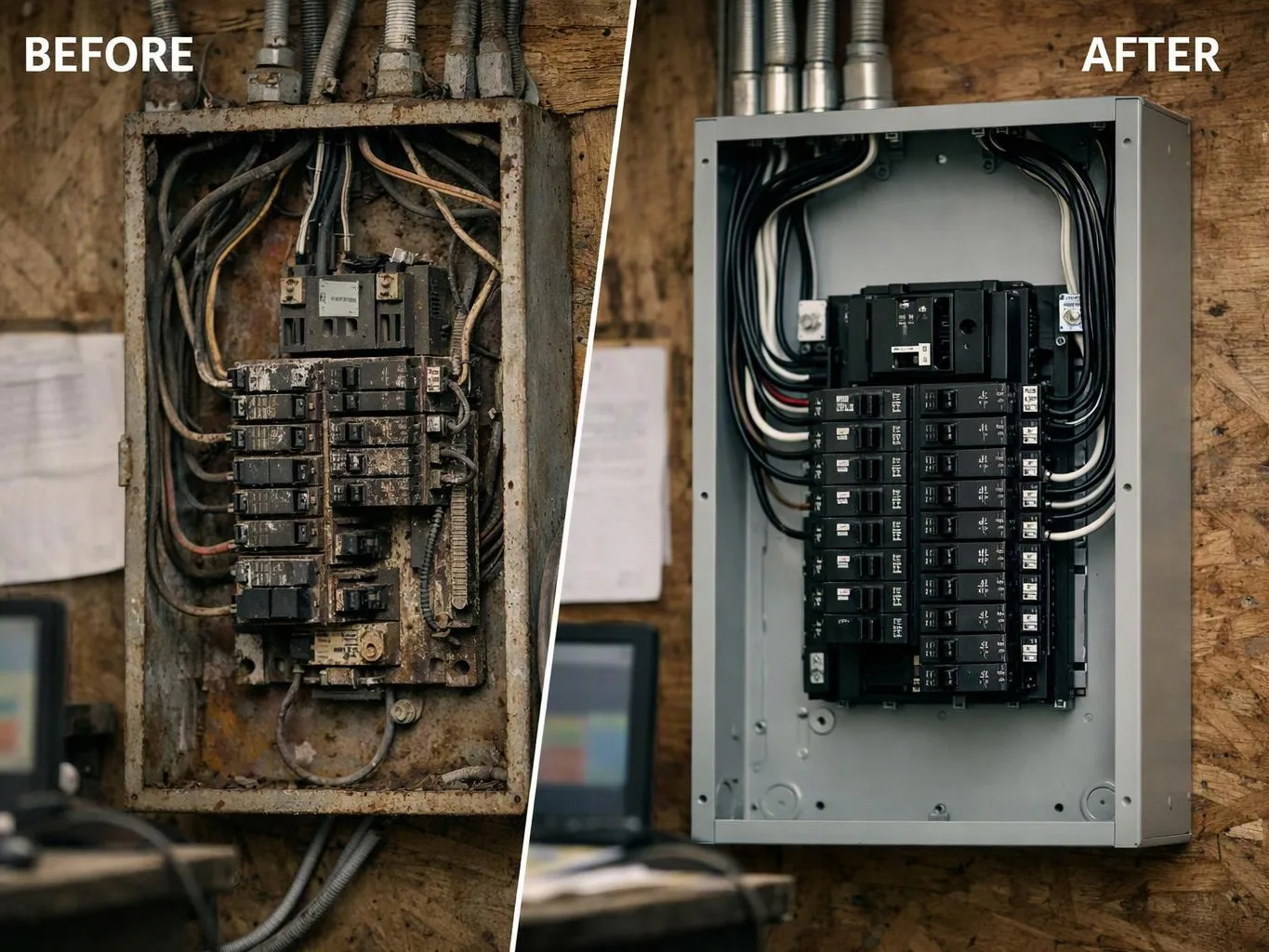
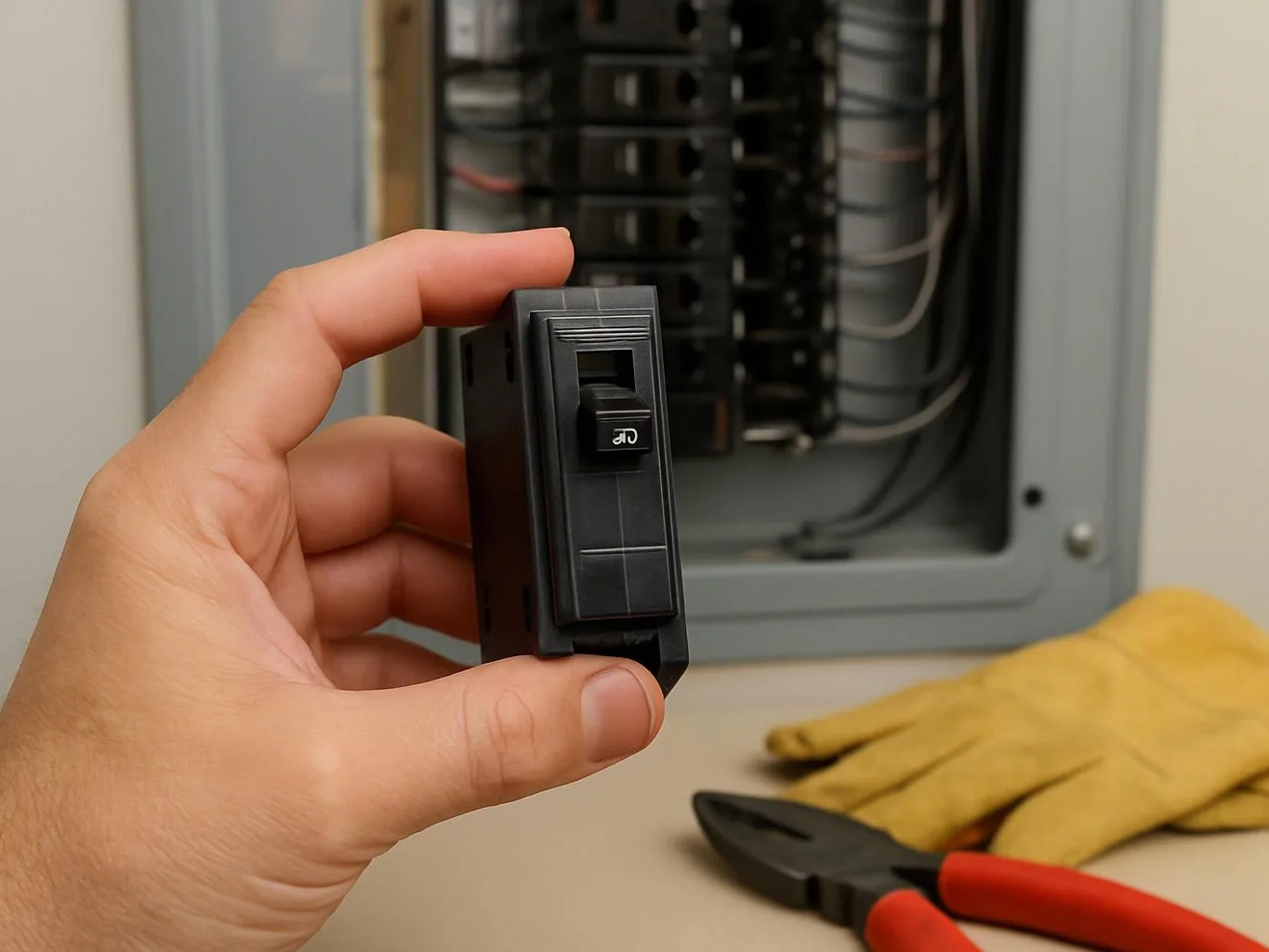
A tripped breaker should stay off when it trips again, smells hot, shows damage, or controls a circuit with a burning odor. Repeated resets can leave the underlying fault active. We inspect the breaker, connected load, wiring, and panel before deciding whether repair or replacement is needed.
Who is a good fit for emergency electrical repair?
GMB Electric serves homeowners, landlords, businesses, and property managers with active electrical faults or urgent power problems. Planned lighting, fan installation, and panel upgrades fit scheduled service when no immediate hazard exists. Our team can explain which service matches the condition found.
What happens at each stage of urgent electrical repair?
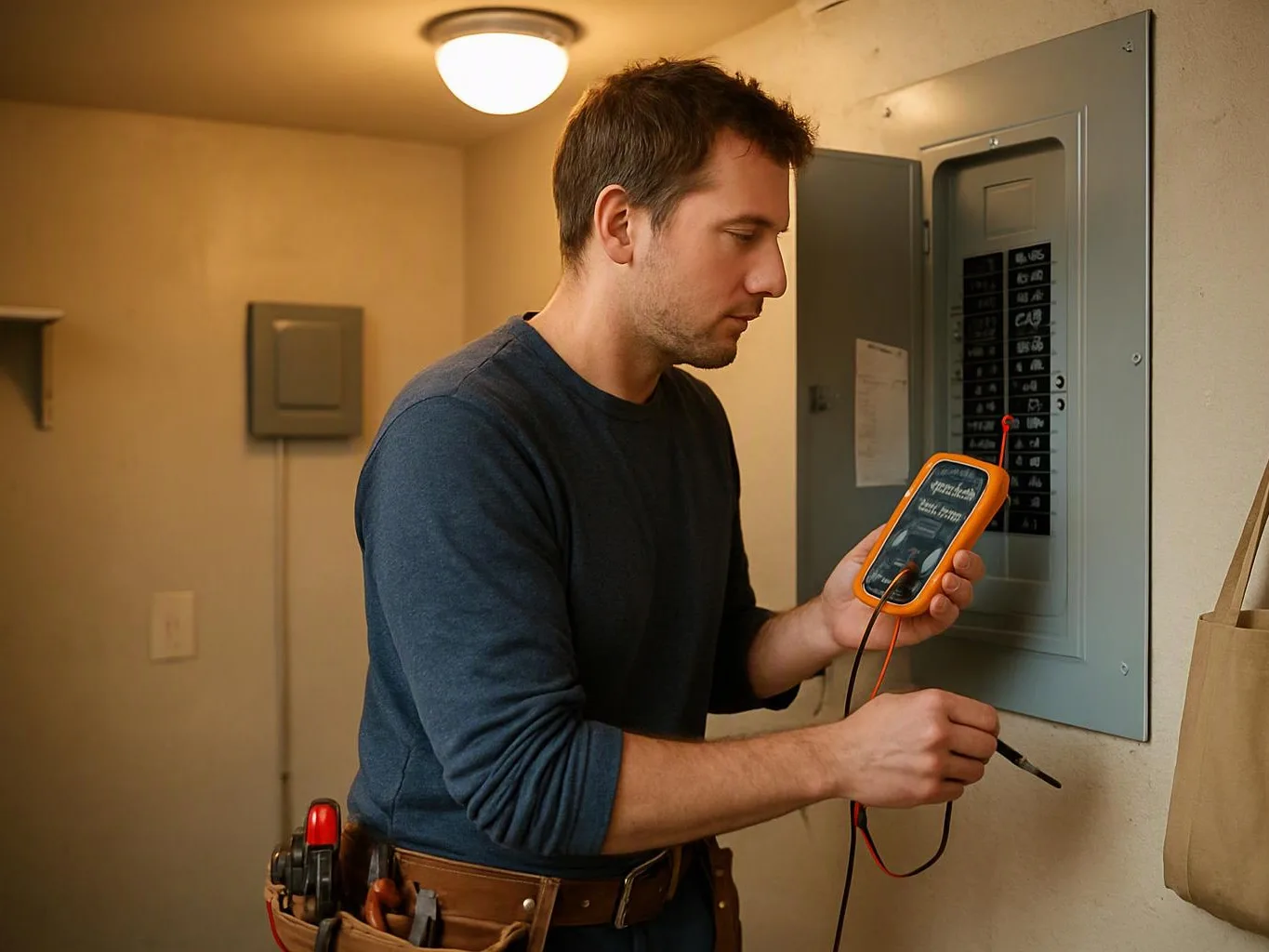
Emergency electrical repair starts with a symptom review, circuit inspection, fault isolation, repair scope, and testing. We check the affected outlet, wiring, breaker, and panel connection as the job requires. The final discussion covers the work completed and any further electrical issue found during testing.
Why can one dead outlet point to a larger fault?
A dead outlet can result from a tripped breaker, loose connection, damaged receptacle, or fault upstream in the circuit. We test the outlet and trace its circuit before replacing parts. That check helps prevent a new outlet from hiding a wiring or panel problem.