Emergency EV Charger Repair Considerations
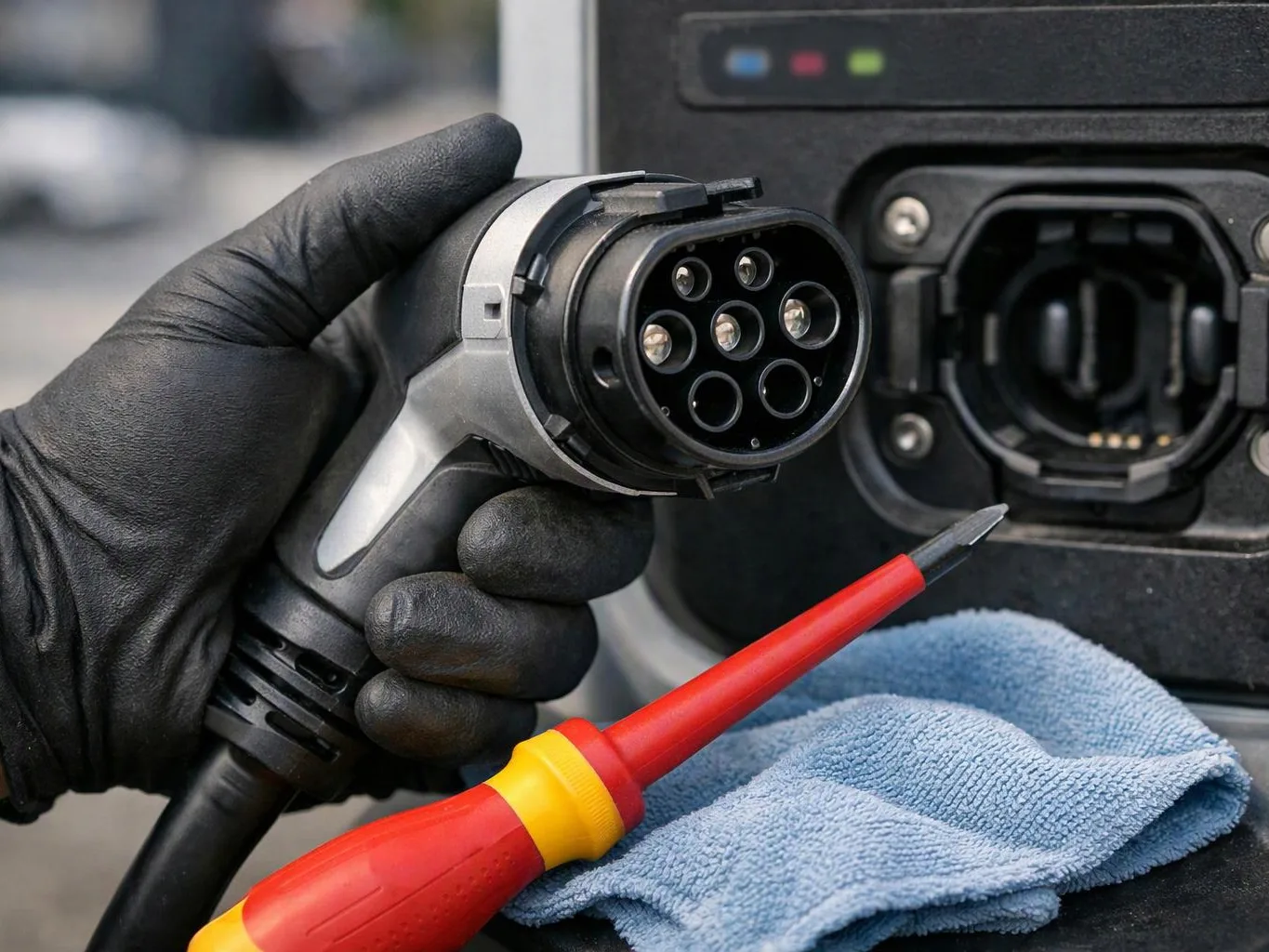
Emergency EV charger repair considerations include stopping unsafe operation, identifying fault symptoms, checking bidirectional charging controls, and resolving electrical or equipment causes; GMB Electric performs the inspection and repair work.
Request an EstimateWhen Does an EV Charger Need Emergency Repair?
An EV charger needs emergency repair when damage, overheating, electrical arcing, burning odor, water exposure, or repeated protection trips create a safety risk or stop charging.
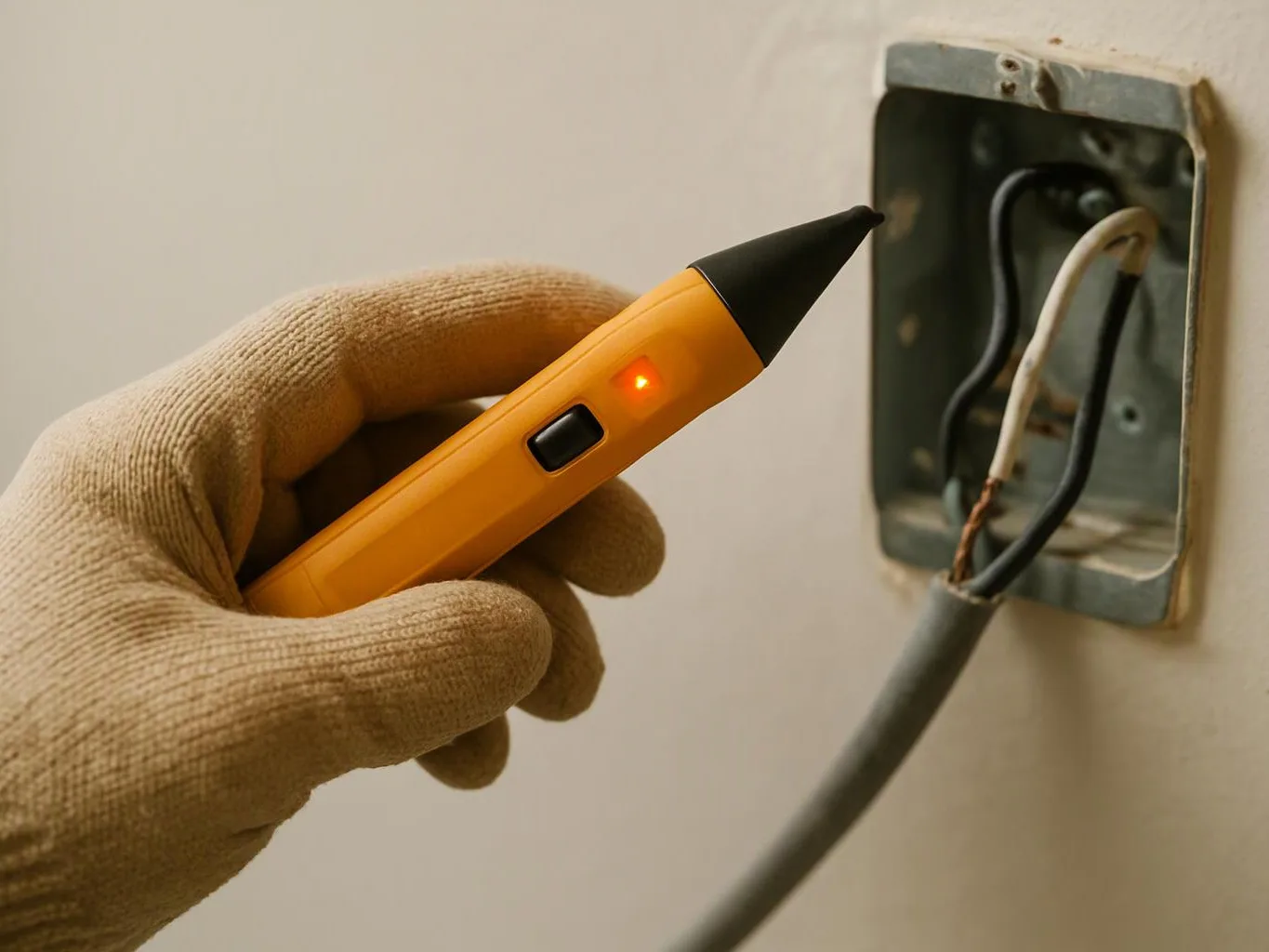
GMB Electric checks the charging station, electrical fault, and surrounding electrical safety conditions before we decide whether the equipment needs repair, isolation, or replacement. A charging interruption can come from the charger, the dedicated circuit, or the electric vehicle itself.
Signs Your EV Charger Has a Dangerous Fault
Dangerous EV charger faults often show physical, electrical, or charging-related warning signs before the equipment stops working completely.
Stop charging when a warning appears and keep the equipment isolated if doing so is safe. Our team can trace the cause without treating a visible symptom as the whole repair diagnosis.
What Causes EV Charger Failures?
EV charger failures can begin in the power supply, the charging equipment, the dedicated circuit, or the control software.
We separate the equipment fault from the home wiring fault so our repair diagnosis addresses the actual cause.
How We Diagnose an Emergency EV Charger Problem
Our emergency EV charger diagnosis identifies the unsafe condition, confirms the electrical cause, and verifies the repair before normal operation resumes.
Diagnostic testing helps us determine whether the repair involves the charger, the dedicated circuit, protective equipment, or another connected part.
How Bidirectional Charging System Troubleshooting Works
Bidirectional charging system troubleshooting checks power flow, inverter operation, battery permissions, communications, control settings, and protective shutdowns as one connected system.
A bidirectional charger manages energy moving between an electric vehicle and a building or utility connection. We evaluate the vehicle-to-home charging or vehicle-to-grid charging functions together with the energy management system, battery state of charge, inverter, and communications network.
A charging failure in one part of the two-way charging system can prevent energy export even when ordinary vehicle charging still works. Our team traces the control path and power path before we recommend a repair.
Why Bidirectional Charging Stops Exporting Power
Bidirectional charging can stop exporting power when islanding protection, transfer equipment, the grid connection, or a system interlock prevents safe energy flow.
Backup power mode may also depend on utility communication, battery permissions, and the correct transfer equipment state. We check these conditions as a connected system because one protective shutdown can affect the entire export function.
Which Bidirectional Charging Checks Are Safe for Homeowners?
Safe homeowner checks include reading the charger or vehicle error message, confirming the cable connection, reviewing system settings, and observing the electrical panel without opening energized equipment.
You can inspect the status display, note a communications error, confirm the charging cable is fully seated, and review the vehicle settings. You can also follow the manufacturer reset procedure when the instructions allow it, but do not remove covers or work inside energized equipment.
How to Reduce EV Charger Repair Problems
Routine care reduces avoidable charging interruptions and helps reveal equipment problems before they become electrical hazards.
We can review the installation and connected load when recurring faults suggest that maintenance alone will not solve the problem.
What Changes the Cost of Emergency EV Charger Repair?
Emergency EV charger repair cost depends on the fault location, equipment type, circuit condition, required parts, access, and the testing needed to verify safe operation; GMB Electric can assess the system and explain what the quote includes.
Faults inside a charging station may require different work from problems in the electrical panel, dedicated circuit, grounding, or protective devices. Bidirectional equipment can also require checks across the inverter, battery system, transfer equipment, and energy management system.
Our quote reflects the diagnostic testing, access requirements, replacement parts, circuit work, and final system verification that the repair needs. We explain the work before proceeding so you can understand what the repair addresses.
When to Stop Using an EV Charger and Call GMB Electric
Stop using an EV charger and call GMB Electric when the equipment shows smoke, burning, arcing, water intrusion, exposed conductors, severe heat, or repeated protective shutdowns.
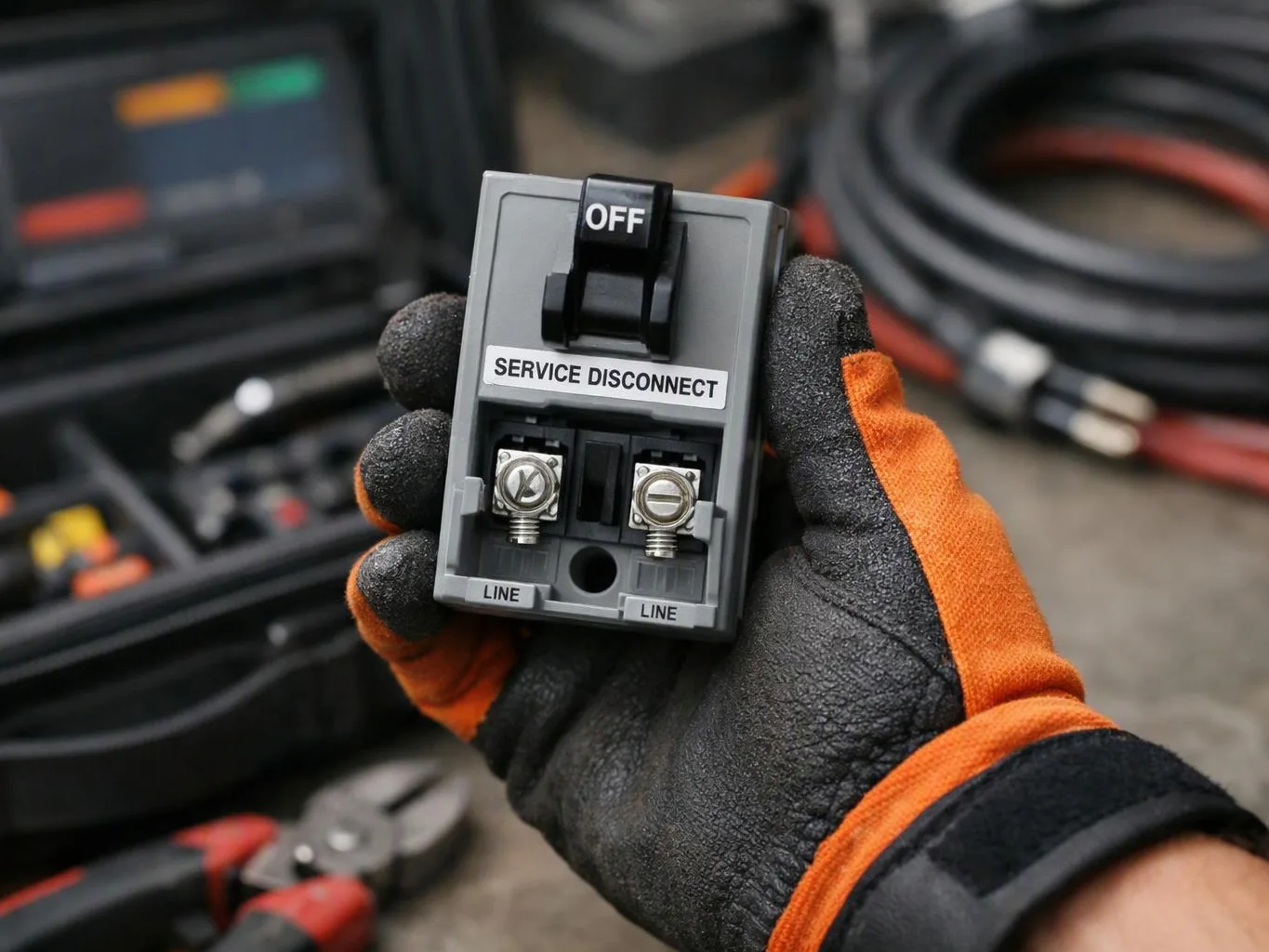
An electrical hazard can remain present even when the charger appears to work after a reset. Use emergency isolation only when you can do so safely, and do not touch wet equipment, damaged cables, exposed wiring, or energized components.
Our team performs emergency electrical repair by identifying the unsafe source, securing the affected equipment, correcting the electrical or charger fault, and completing system verification. Contact us through our emergency EV charger repair service to arrange an assessment.
Questions About Emergency EV Charger Repair
Can a tripping breaker damage an EV charger?
Yes, a tripping breaker can indicate an electrical fault that may damage an EV charger or its circuit if operation continues. GMB Electric tests the breaker, wiring, load, grounding, and charger before restoring service.
Why does my bidirectional charger stop exporting power?
A bidirectional charger can stop exporting power when islanding protection, transfer equipment, battery permissions, communications, or a system interlock prevents safe energy export.
Can I reset an EV charger that shows a fault code?
Yes, you can follow the manufacturer reset procedure when the charger instructions permit it and the equipment shows no smoke, heat, water, arcing, or visible damage. Repeated fault codes require electrical testing and repair diagnosis.
What should I do if an EV charger gets wet?
An EV charger that gets wet should remain unused until the equipment and circuit are confirmed safe. Do not touch wet components or open the enclosure; use safe isolation only when you can do so without contact with energized equipment.
Why does my vehicle charge normally but fail in backup power mode?
A vehicle can charge normally but fail in backup power mode when the inverter, transfer equipment, battery permissions, energy management system, utility communication, or system interlock does not allow backup power.