Electrical Safety Inspection and Code Correction Guide
An electrical safety inspection checklist helps identify hazards, verify installation conditions, and organize code correction priorities; GMB Electric performs the inspection, explains the findings, and completes the needed Electrical Code Correction work.
Request an EstimateWhat Does an Electrical Safety Inspection Check?
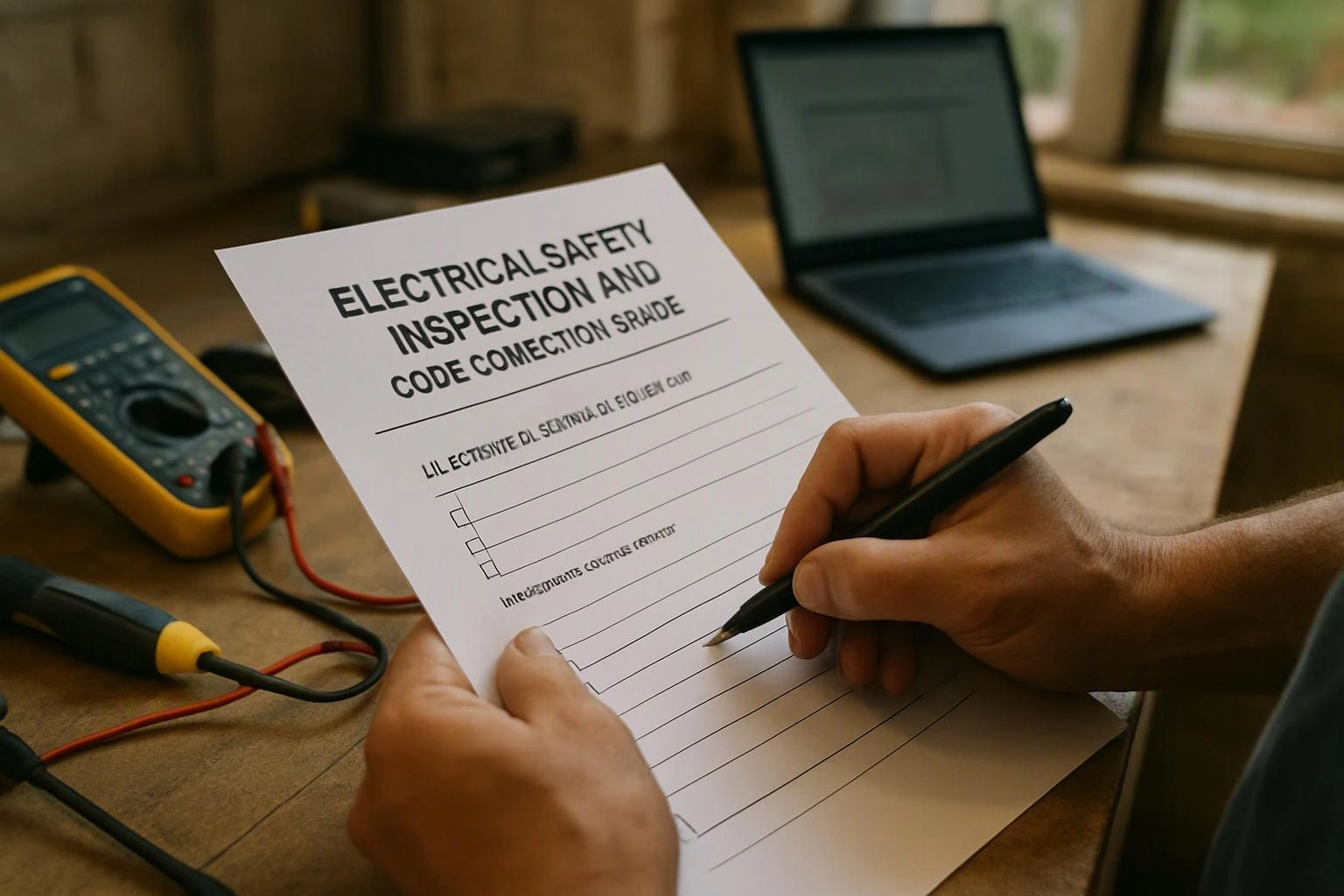
An Electrical Safety Inspection checks whether visible electrical components and installation conditions operate safely and align with applicable electrical code requirements.
An electrical system includes service equipment, an electrical panel, circuit breakers, branch circuits, electrical wiring, receptacles, and switches. We look for signs of an electrical hazard, damaged insulation, poor circuit protection, loose connections, and other conditions that may create a code violation.
GMB Electric explains what we can verify during the inspection and identifies conditions that may require further electrical testing or corrective work.
Electrical Safety Inspection Checklist
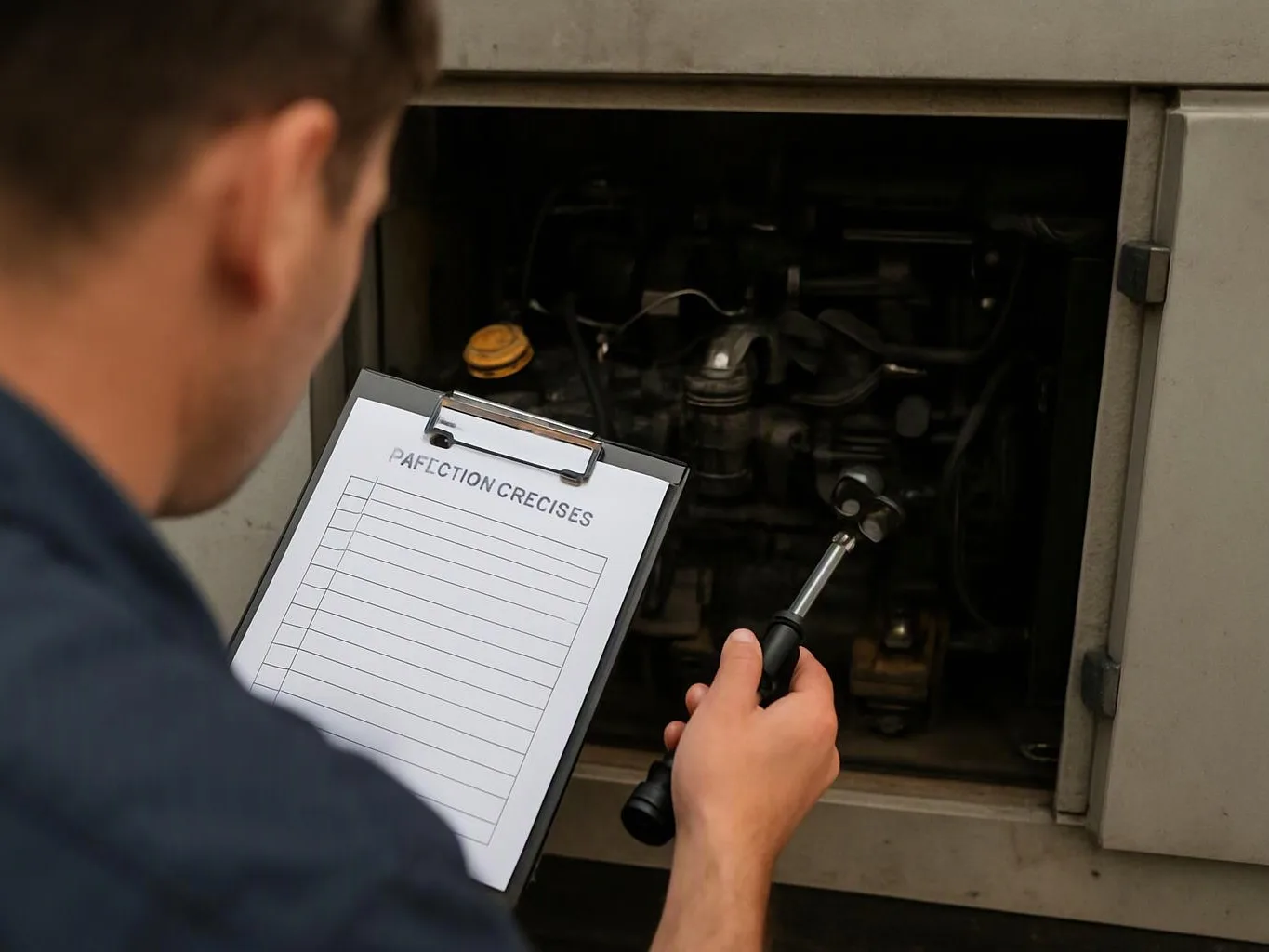
An electrical safety inspection checklist organizes the visible parts of the system so important safety conditions receive attention.
Our team reviews each area in context because one finding can affect circuit protection, grounding, bonding, or the safe operation of another component.
Signs That an Electrical System Needs Inspection
Visible or unusual electrical symptoms can indicate a safety problem that needs assessment.
Stop using a suspect component when the condition is active, and contact GMB Electric so we can assess the cause safely.
Common Causes of Electrical Safety Problems
Electrical safety problems often develop when system demand, installation condition, or past changes are not properly matched.
We trace the visible condition to its likely source before we recommend corrective work.
How to Prevent Electrical Inspection Findings
Electrical inspection findings are easier to prevent when the system is used within its design limits and maintained in safe condition.
Our team can explain which conditions need attention and what maintenance supports safer operation.
How We Prioritize Electrical Code Corrections
Electrical Code Correction prioritizes conditions that create immediate safety risks, affect circuit protection, or prevent the electrical system from operating as intended.
We first separate an active electrical hazard from a condition that needs planned repair. A loss of grounding, a serious overload, exposed wiring, or a failed protective device can require faster attention because the condition may affect life safety.
We then consider the code violation, the equipment involved, and the effect on the rest of the system. Our corrective work is scoped to address the underlying condition and restore safe operation.
What Happens After an Electrical Safety Inspection?
After an electrical safety inspection, GMB Electric explains the findings, separates urgent corrections from planned work, and prepares a quote based on the identified correction scope.
Our team reviews the inspection findings with you in clear language. We identify which items affect safety, circuit protection, code compliance, or normal system operation.
The inspection report can support a code correction plan that identifies the repair scope. We explain the work included in the quote and document the corrective work completed.
The cost of an inspection or correction depends on the number and condition of affected components, access to the work, wiring changes, circuit protection needs, and the final repair scope. Contact us for an exact quote based on the conditions we identify.
When Should You Stop Using an Electrical Component?
You should stop using an electrical component when it produces smoke, sparks, burning odors, unusual heat, or an electrical shock, and GMB Electric should assess the condition.
Turn off the circuit breaker only when you can do so safely and without touching damaged equipment. Do not handle scorched outlets, exposed wiring, smoking equipment, or a sparking circuit.
We assess the component, related wiring, circuit breaker, and surrounding connections to determine whether the problem involves an overload, arc fault, ground fault, or another electrical hazard.
How GMB Electric Handles Inspection and Code Correction
GMB Electric handles an Electrical Safety Inspection by reviewing visible conditions, performing appropriate electrical testing, explaining inspection findings, and documenting the recommended work.
We connect each finding to the affected component and explain why the condition matters. Our team then prepares an Electrical Code Correction plan that separates urgent safety needs from planned corrective maintenance.
We complete the agreed electrical repair correction work and document the corrected conditions. The final documentation helps show what was addressed and supports future electrical maintenance.
Contact GMB Electric to discuss an inspection or correction need and request a quote based on the work involved.
Questions About Electrical Safety Inspections
Can an electrical safety inspection identify hidden wiring problems?
Yes, an Electrical Safety Inspection can identify signs that suggest hidden wiring problems, but concealed wiring may require additional testing or limited access to confirm the condition. GMB Electric explains what the visible evidence shows and recommends the next safe step.
Can I complete electrical code corrections myself?
Electrical Code Correction should be completed by GMB Electric when the work involves wiring, circuit protection, grounding, bonding, panel changes, or other electrical installation tasks. You can report symptoms and keep clear of unsafe equipment, but do not modify energized or damaged components.
What should I do if an inspection finds an overloaded circuit?
An overloaded circuit should be taken out of demanding use until GMB Electric assesses the circuit load, wiring, circuit breaker, and connected equipment. We determine whether the correction requires load changes, circuit protection work, wiring changes, or another repair.
Does an electrical safety inspection include outdoor electrical equipment?
Yes, an Electrical Safety Inspection includes visible outdoor electrical equipment when that equipment is part of the inspection scope. We check accessible conditions such as weather exposure, damage, connections, and protection.