Electrical Wiring Repair Warning Signs and Planning
Electrical wiring repair warning signs include burning odors, warm outlets, flickering lights, buzzing, shocks, damaged insulation, and repeated breaker trips; GMB Electric checks the wiring, identifies the cause, and plans the safest repair or replacement.
Request an Estimate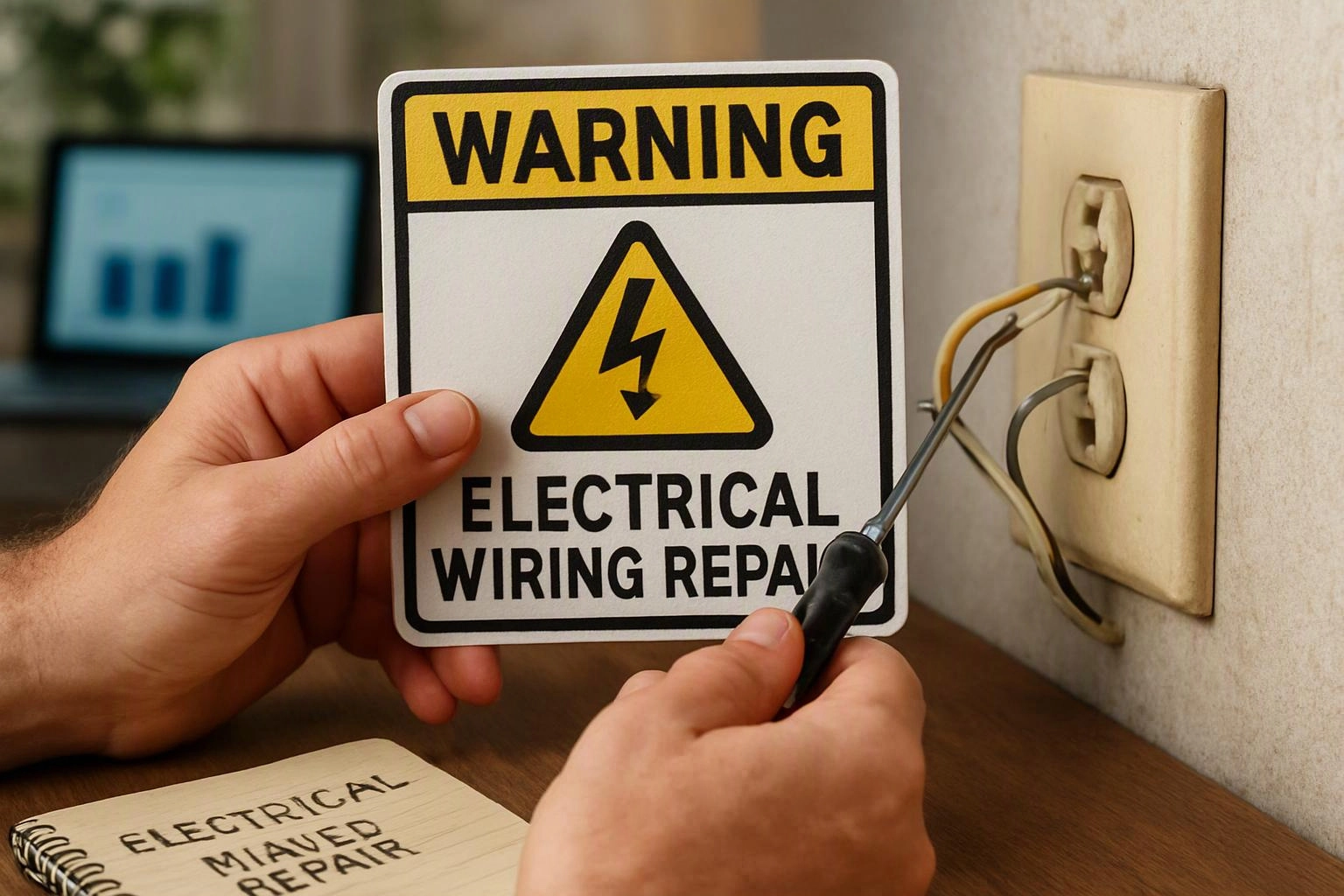
Electrical wiring repair warning signs indicate wiring faults that may require repair, replacement, or further inspection. Our team uses the symptoms, visible conditions, and circuit behavior to guide the next safe step.
Which Electrical Wiring Warning Signs Need Attention?
Electrical wiring warning signs need attention when wiring shows heat, damage, noise, arcing symptoms, or repeated circuit protection problems. A single sign can point to a fault, while several signs together may show a broader electrical hazard.
We inspect the affected circuit instead of treating the visible symptom alone. That approach helps us separate outlet wiring repair, switch wiring repair, and broader circuit wiring repair needs.
What Should You Do When Wiring Shows a Warning Sign?
Electrical wiring with a burning smell, smoke, visible arcing, or unusual heat requires immediate power isolation when safe and prompt contact with GMB Electric.
Move away from smoke, flames, or active electrical arcing. Do not touch a damaged outlet, switch, exposed wire, or wet electrical device.
If you can reach the circuit breaker without entering danger, turn off the affected circuit. Do not repeatedly reset a tripped breaker because the underlying fault may still be present.
We can inspect the electrical wiring, identify the source of the fire risk or shock hazard, and explain the safest repair path. Never use water on an electrical fire; leave the area and contact emergency services when fire is present.
What Commonly Causes Electrical Wiring Problems?
Electrical wiring problems commonly come from overloads, loose connections, insulation damage, aging materials, and unapproved alterations. Our inspection looks for the condition that caused the symptom, not only the component that first showed it.
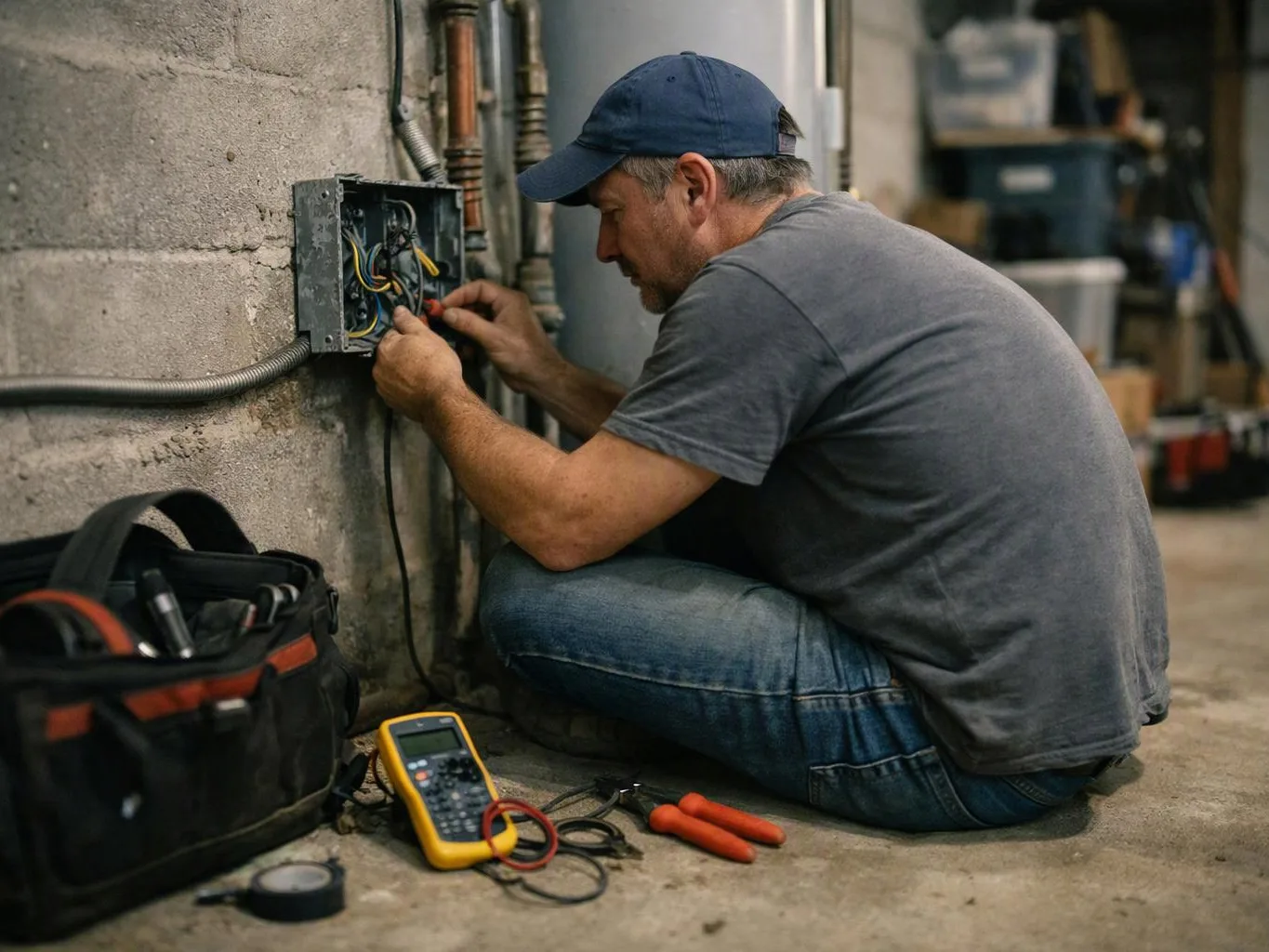
We trace the affected circuit and review connected devices before deciding whether the wiring fault needs a localized repair or rewiring.
How Can You Reduce Electrical Wiring Risks?
Electrical wiring risks can be reduced by keeping circuits within their intended use, replacing damaged accessories, avoiding unsafe cord practices, and arranging inspections when warning signs appear.
We can review outlet condition, circuit loading, grounding, and moisture exposure during an electrical wiring inspection. Our findings help determine whether maintenance, repair, or replacement planning is appropriate.
How Does GMB Electric Plan an Electrical Wiring Repair?
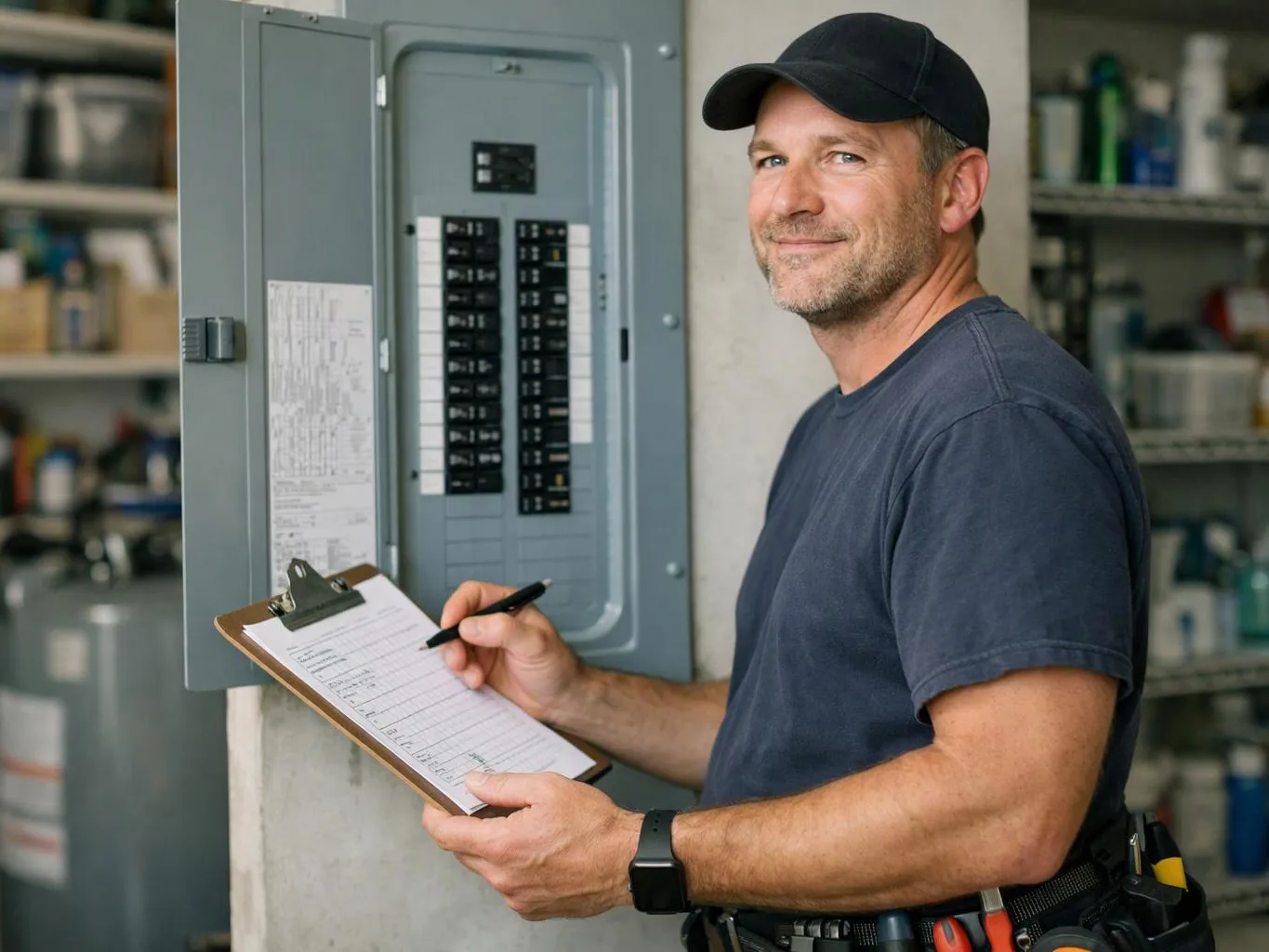
GMB Electric plans an electrical wiring repair by reviewing the symptoms, inspecting accessible wiring and devices, tracing the affected circuit, identifying hazards, and explaining the repair scope before work begins.
We document the conditions that affect the repair estimate, including circuit access, wire condition, and the need for localized repair or rewiring. This process gives you a clear basis for the work we recommend.
What Should You Know About Knob-and-Tube Wiring Replacement?
Knob-and-tube wiring replacement requires an assessment of the existing conductors, insulation condition, grounding, connected devices, and the portions of the electrical system that need modern wiring.
Knob-and-tube wiring uses open-air conductors supported by knobs and passing through tubes. Older systems may include cloth insulation and may not provide the grounding expected by many modern devices.
We inspect accessible conductors, junction boxes, connections, and connected equipment. Our team then explains whether the condition supports a limited repair, partial rewiring, or broader knob-and-tube wiring replacement.
Replacement planning also considers circuit access and how new wiring will connect to the electrical panel and existing parts of the system. Grounding and safe junction box arrangements are part of that review.
How Should You Plan Aluminum Wiring Replacement?
Aluminum wiring replacement planning starts with identifying where aluminum conductors are present, checking terminations and connected devices, and selecting a compatible repair or rewiring approach.
Aluminum wiring can be affected by oxidation and thermal expansion at connections. These conditions can loosen or heat a termination when the connection or device is not compatible.
We inspect aluminum-to-copper connections, wire terminations, device compatibility, and signs of heat damage. Our team determines whether the affected section needs a compatible connection method, device replacement, or aluminum wiring replacement.
Copper wiring may be part of a replacement plan, but the correct approach depends on the existing conductors, circuit access, panel compatibility, and the condition of connected devices.
What Changes the Scope of an Electrical Wiring Repair?
Electrical wiring repair scope changes with the fault location, accessibility, wiring condition, panel compatibility, affected circuits, and whether localized repair or broader replacement is appropriate.
A fault inside an accessible outlet box may require a different repair approach from damage located behind finished walls. We inspect the available circuit path before deciding how much wiring can be reached safely.
Wire condition also matters. Brittle insulation, repeated faults, heat damage, or unsafe grounding can expand the work beyond a single device.
We review the electrical panel, circuit protection, connected devices, wall access, and code compliance needs. Our repair estimate describes the work needed for the identified condition.
When Is Electrical Wiring Replacement Safer Than Repair?
Electrical wiring replacement is safer than localized repair when the wiring has widespread deterioration, recurring overheating, unsafe grounding, or conditions that make isolated repairs unreliable.
Obsolete wiring with brittle insulation can continue to create problems after one visible defect is repaired. Repeated faults can also show that the affected circuit has a broader weakness.
We assess whether partial rewiring can correct the hazard or whether whole-system rewiring provides a more dependable safety outcome. The decision accounts for circuit access, panel compatibility, grounding, and the condition of connected devices.
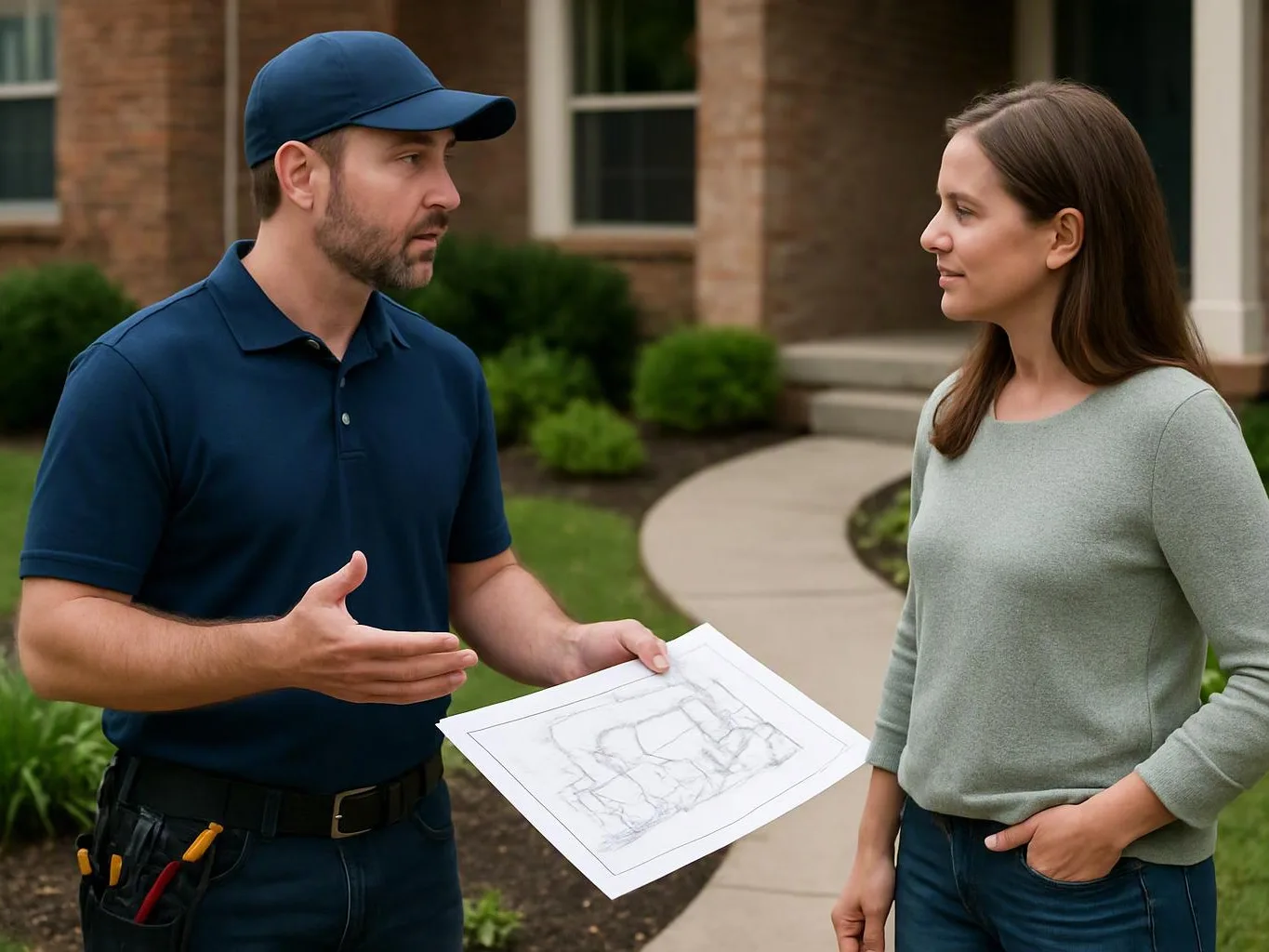
Our team explains the reason for the recommended repair or replacement scope before work begins. That explanation helps you plan the electrical work around the actual condition of the system.
Questions About Electrical Wiring Repair Planning
Can flickering lights be caused by faulty wiring?
Yes, flickering lights can be caused by faulty wiring, loose connections, overloaded circuits, or problems with connected devices. GMB Electric traces the affected circuit and tests the wiring before recommending a repair.
Is aluminum wiring always unsafe?
No, aluminum wiring is not always unsafe, but its terminations, connected devices, oxidation, and signs of heat must be assessed. We check compatibility and connection condition before selecting repair or replacement planning.
Can knob-and-tube wiring be repaired?
Yes, knob-and-tube wiring can sometimes be repaired when the affected condition is limited and the existing system can be made safe. We assess the conductors, cloth insulation, grounding, junction boxes, and connected devices before recommending repair or rewiring.
Should I turn off the breaker if an outlet smells burnt?
Yes, turn off the circuit breaker if you can do so safely without approaching smoke, flames, or active arcing. Do not touch the outlet or reset the breaker, and contact GMB Electric for an electrical wiring inspection.
What information should I provide when requesting an electrical wiring repair quote?
Provide the affected outlet, switch, light, or circuit, the warning signs you noticed, when the issue occurs, and whether a circuit breaker has tripped. Photos of safe, accessible damage can also help us understand the repair scope before our inspection.
Electrical wiring repair begins with identifying the hazard and defining the work needed to correct it. Contact GMB Electric to discuss the warning signs and plan the next safe step.
Request Electrical Wiring Repair