Electrical Troubleshooting Checklist for Homeowners
Electrical troubleshooting starts with safe visual checks, identifying the affected circuit, and resetting only accessible controls; GMB Electric diagnoses and repairs faults that remain unresolved or unsafe.
Request an Estimate
What Electrical Problems Can Homeowners Safely Check?
Homeowners can safely observe symptoms, unplug affected devices, check for a tripped breaker, and reset an accessible GFCI outlet when no danger signs are present.
Electrical troubleshooting begins with a safe inspection, not with removing covers or handling exposed wiring. You can note which outlet, light switch, or light fixture is affected and whether nearby devices still work.
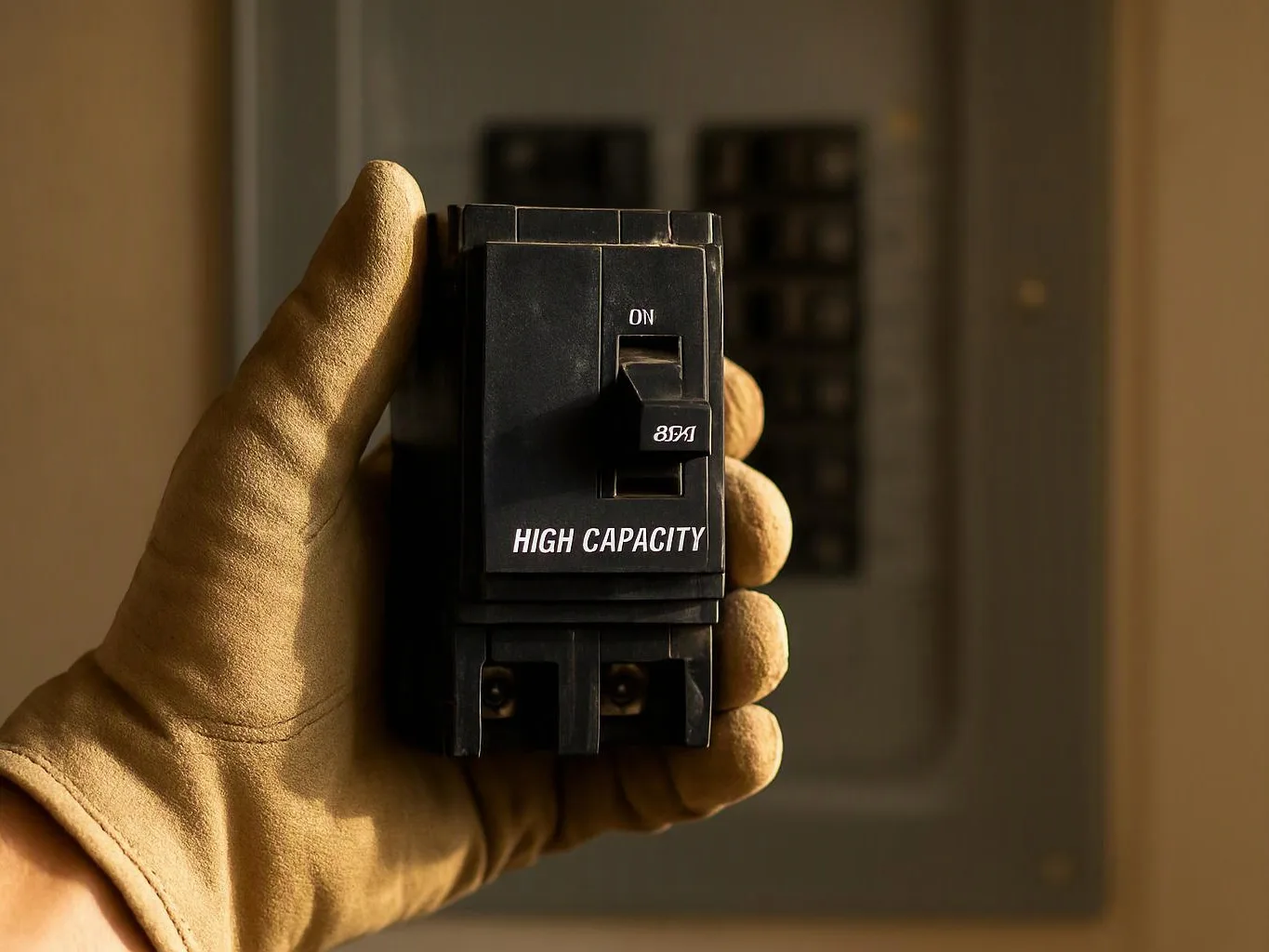
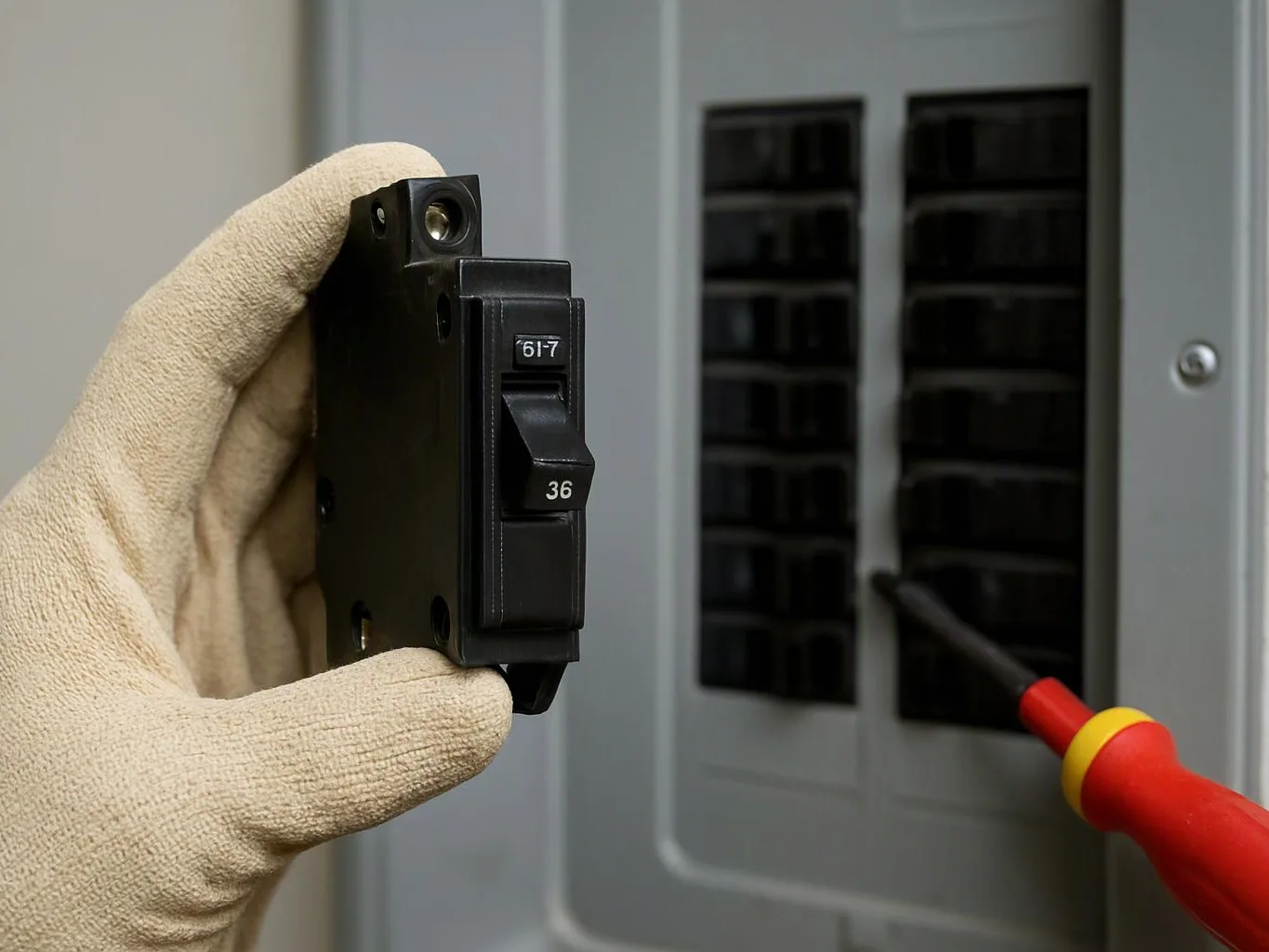
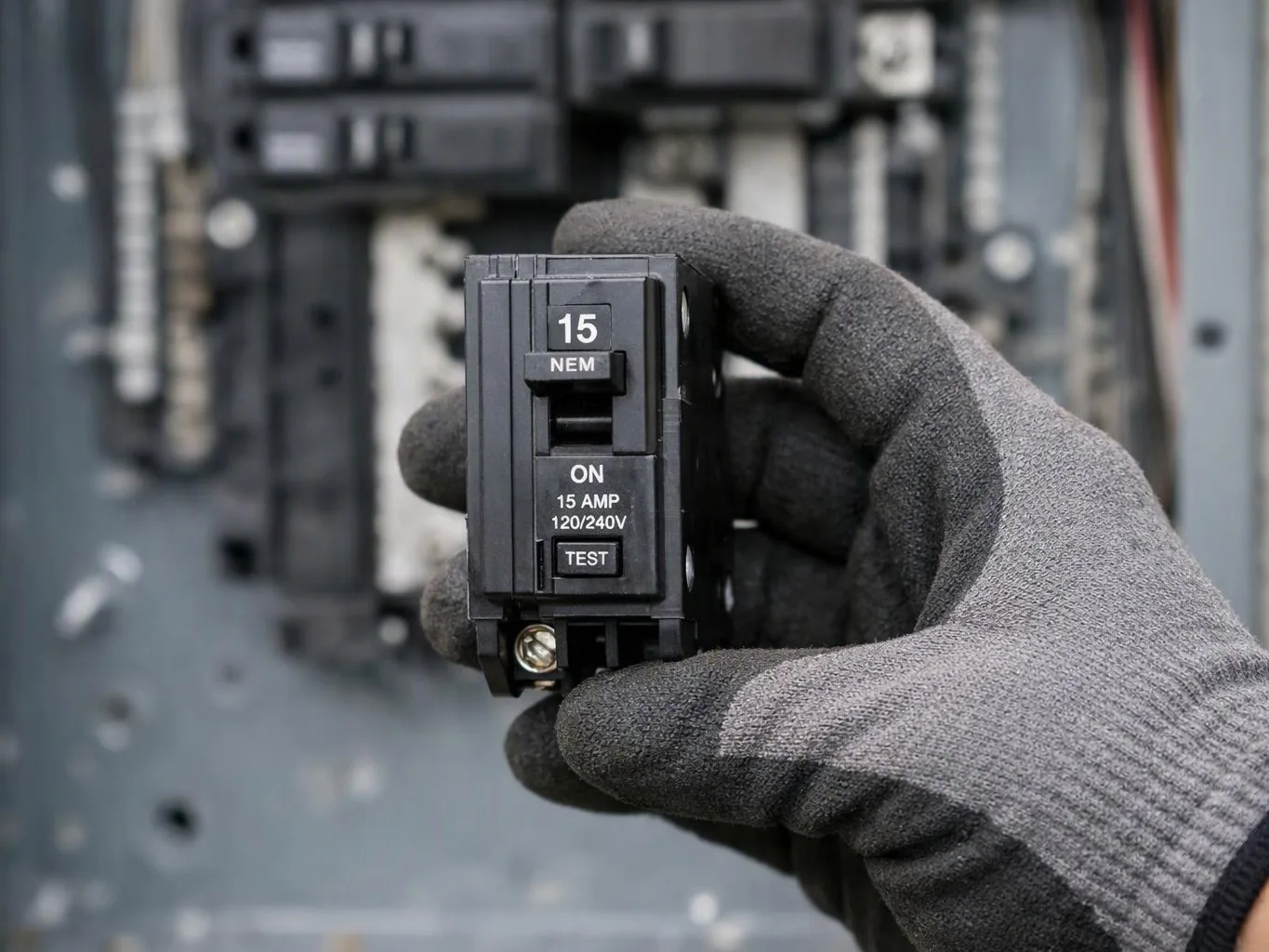
Homeowner safety comes first around the electrical panel. You can reset a breaker or reset a GFCI outlet only when the control is accessible and there is no burning smell, warm outlet, buzzing sound, or visible damage. GMB Electric handles the electrical diagnosis when the cause is not clear.
Signs Your Home Has an Electrical Problem
These symptoms can point to an electrical issue that needs more than a simple reset. Stop using the affected device or circuit when a warning sign appears.
These signs may involve a loose connection, faulty receptacle, damaged wiring, or a short circuit. We trace the fault before completing electrical repair.
What to Do Before Calling GMB Electric
Before contacting GMB Electric, stop using the affected electrical device, record what happened, check only accessible controls, and avoid opening outlets, switches, or panels.
Do not turn off power as a substitute for diagnosis when you see smoke, sparks, or damaged electrical wiring. Move away from the hazard and contact GMB Electric so our team can assess the condition safely.
Common Causes of Electrical Troubleshooting Problems
Common electrical troubleshooting problems come from circuit demand, failed components, or damaged connections. Our team identifies the cause before recommending the repair.
A circuit overload may stop when a device is unplugged, but repeated trips can signal a deeper electrical fault. We test the circuit load and related components to separate a simple overload from a wiring problem.
How to Troubleshoot a Single Dead Outlet
A single dead outlet may be connected to a tripped GFCI outlet or breaker, but GMB Electric should inspect the receptacle and wiring when resets do not restore power.
Start by checking whether nearby outlets work and whether an accessible GFCI outlet needs a reset. You can also check the circuit breaker without opening the electrical panel or removing its cover.
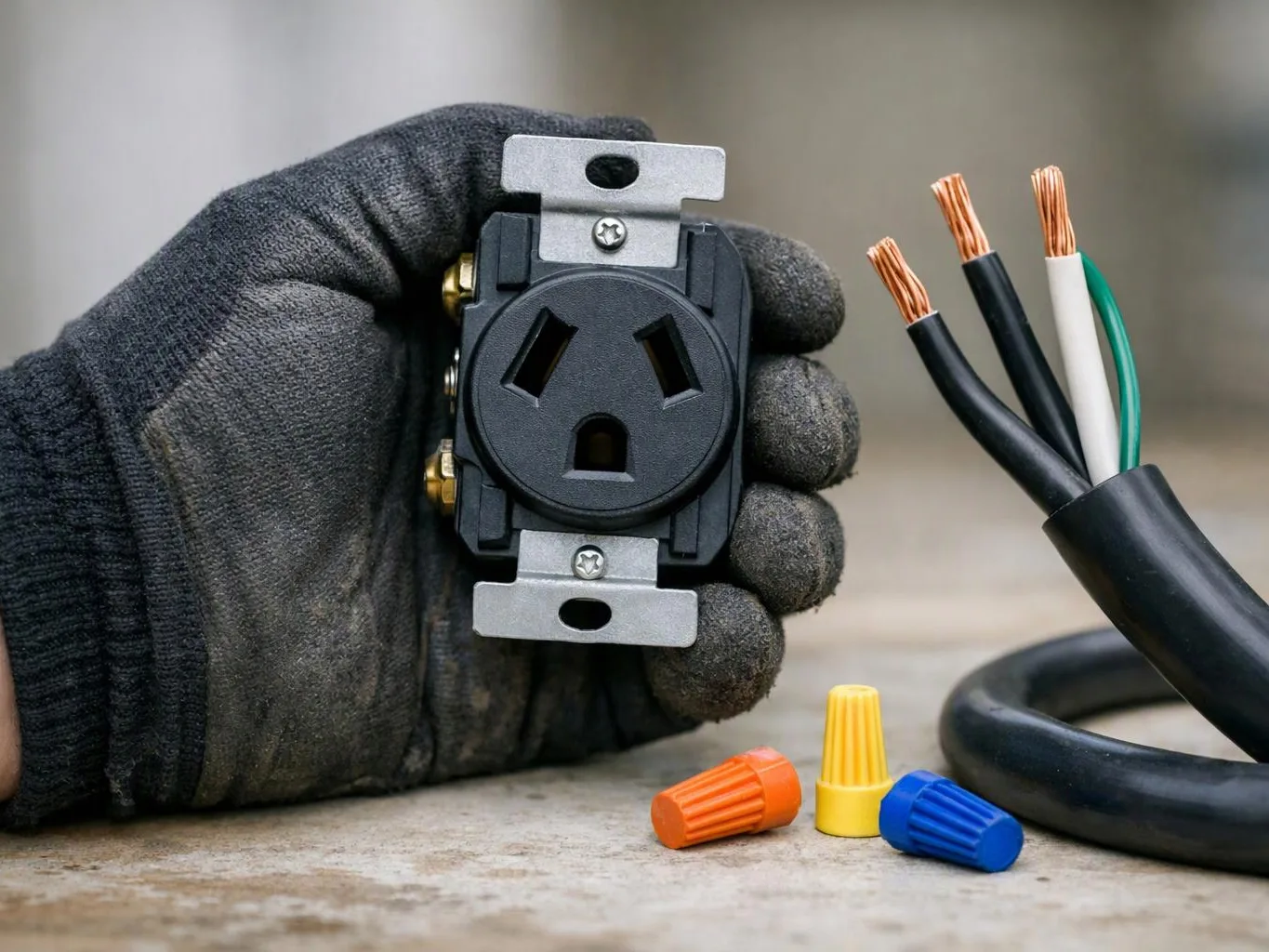
A dead outlet can result from a failed receptacle, loose outlet wiring, or a problem farther along the circuit. We test the outlet and circuit to determine whether Outlet Repair is appropriate.
How to Troubleshoot Flickering Lights and an Unresponsive Switch
Flickering lights or an unresponsive switch can indicate a failing bulb, switch, fixture, connection, or circuit, so GMB Electric traces the fault before replacing components.
Check whether the flicker affects one light fixture or several lights. You can stop using the light when the switch feels warm, makes a buzzing sound, or shows discoloration.
A faulty bulb may be simple to replace, but flickering that continues can point to a loose connection or worn switch wiring. We test the switch and fixture before completing Light Switch Repair or related electrical work.
What to Do About a Tripped Breaker or Intermittent Power
A tripped breaker can result from an overload or electrical fault, while intermittent power requires diagnosis when the circuit does not remain stable after safe checks.
Unplug devices on the affected circuit and check for heat, burning odor, sparks, or visible damage. You can reset a breaker once when the panel and surrounding area appear safe.
A breaker that trips again may be responding to a short circuit, damaged wiring, or excessive circuit load. We test the electrical panel and circuit to find the source before restoring stable power.
How to Prevent Recurring Electrical Problems
Electrical maintenance reduces avoidable strain and helps you notice developing problems early. These habits do not replace an inspection when warning signs are present.
Older wiring can make an electrical issue harder to isolate because several symptoms may share one circuit. We inspect the affected circuit and explain whether Electrical Wiring Repair is needed.
When Electrical Troubleshooting Becomes Electrical Repair
Electrical troubleshooting identifies the source of a problem, while electrical repair corrects the failed outlet, switch, connection, or wiring that GMB Electric finds.
| Situation | What it may require | How we respond |
|---|---|---|
| One outlet has no power | Outlet testing or Outlet Repair | We test the receptacle, GFCI path, breaker, and outlet wiring. |
| A switch does not respond | Switch testing or Light Switch Repair | We trace the switch, fixture, and connected wiring. |
| Power remains unstable | Circuit diagnosis or Electrical Wiring Repair | We test the circuit load, connections, and electrical panel. |
Diagnosis is the point where safe observation ends and electrical work begins. We explain the failed part and the repair needed before completing the applicable service.
How GMB Electric Handles Electrical Troubleshooting
GMB Electric evaluates the reported symptom, checks the related circuit and components, explains the repair needed, and completes the applicable electrical service.
Our team begins with the symptom and the affected circuit. We use outlet testing, switch testing, and circuit testing to narrow the electrical diagnosis.
When the fault involves damaged or loose electrical wiring, we explain the scope of Electrical Wiring Repair. We also identify unsafe conditions that should remain out of service until the repair is complete.
Contact GMB Electric through our service request page when a reset does not solve the problem or when the condition feels unsafe.
Questions About Home Electrical Troubleshooting
Can I reset a tripped breaker myself?
Yes, you can reset a tripped breaker once when the panel is accessible and there are no signs of heat, smoke, sparks, or a burning smell. GMB Electric diagnoses the circuit when the breaker trips again or will not stay reset.
Why is one outlet not working when others have power?
One outlet may be disconnected from power by a tripped GFCI outlet, a breaker, a failed receptacle, or a loose connection. We test the outlet and its circuit when a safe reset does not restore power.
Why do my lights flicker when an appliance turns on?
Lights may flicker when an appliance changes the circuit load or when a connection, fixture, switch, or wire has a fault. We test the affected circuit to determine why the flicker occurs.
What does a warm or buzzing outlet mean?
A warm or buzzing outlet can indicate a loose connection, overload, damaged receptacle, or wiring fault. Stop using the outlet and contact GMB Electric for a safe inspection.
When should older home wiring be inspected?
Older home wiring should be inspected when the home has recurring breaker trips, flickering lights, warm outlets, damaged insulation, or unexplained power interruptions. We evaluate the affected circuits and explain any Electrical Wiring Repair that may be needed.