
What Is Islanding?
Islanding is a condition in which a distributed energy system continues supplying power to a section of an electrical grid that has been separated from the utility source. The isolated section may include an inverter, battery, vehicle, or local loads. Islanding can be intentional during backup operation or unintended during a grid interruption.
Quick Facts About Islanding
Category
Power system condition
Used for
Grid separation and backup operation
Common confusion
Confused with battery charging
Often discussed with
Bidirectional charging system troubleshooting
Key Takeaways About Islanding
- The local circuit becomes electrically separate from the utility source.
- Bidirectional chargers may create or detect an island during backup operation.
- Islanding is not the same as ordinary battery charging.
How Islanding Works
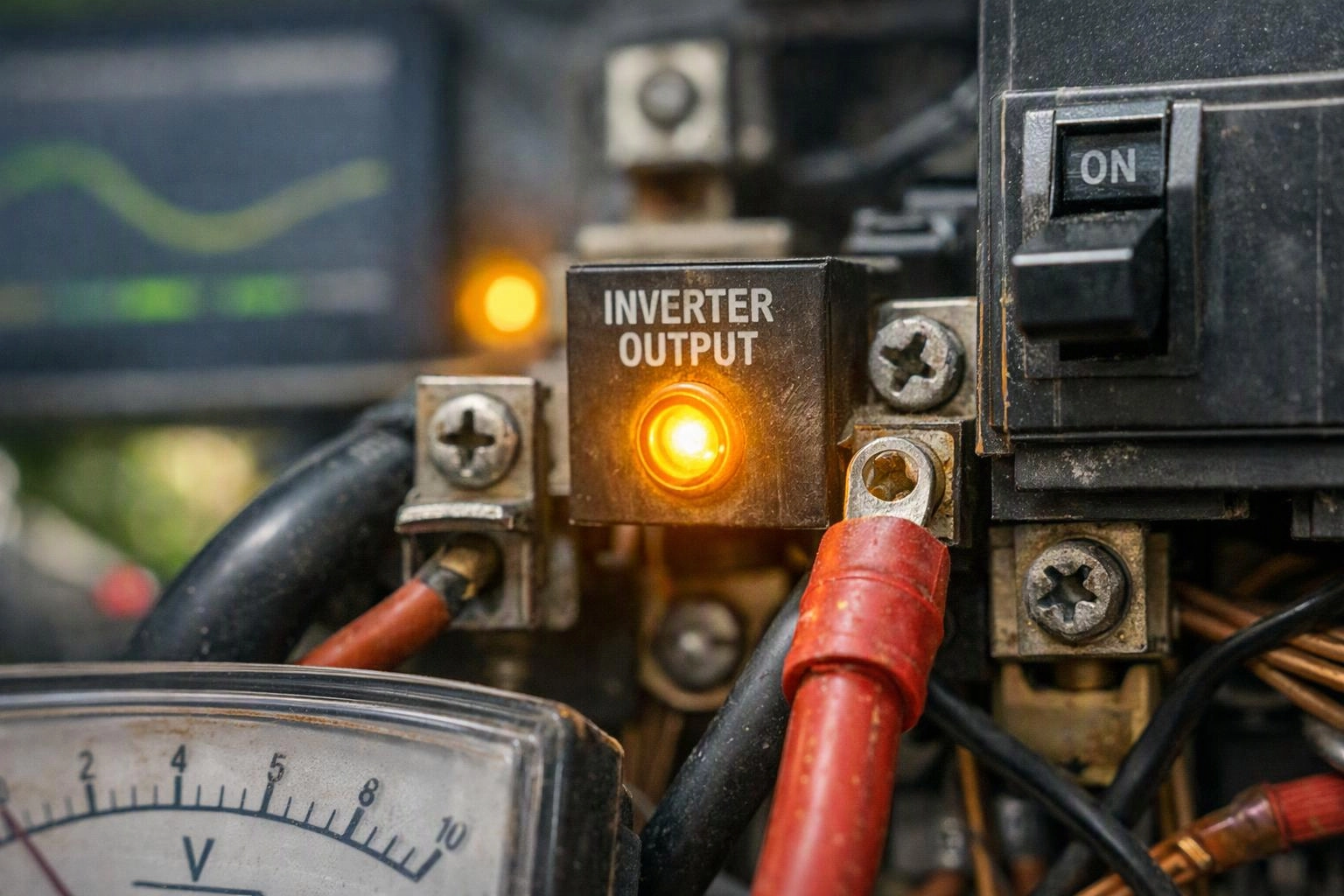
Islanding occurs when local equipment keeps producing or supplying electricity after the utility connection has opened. An inverter may sense changes in voltage, frequency, or other electrical conditions and decide whether the local circuit remains connected to the wider grid. The result is a separated electrical section that can contain selected loads.
Related glossary terms: Backfeed, Bidirectional Inverter, Inverter.
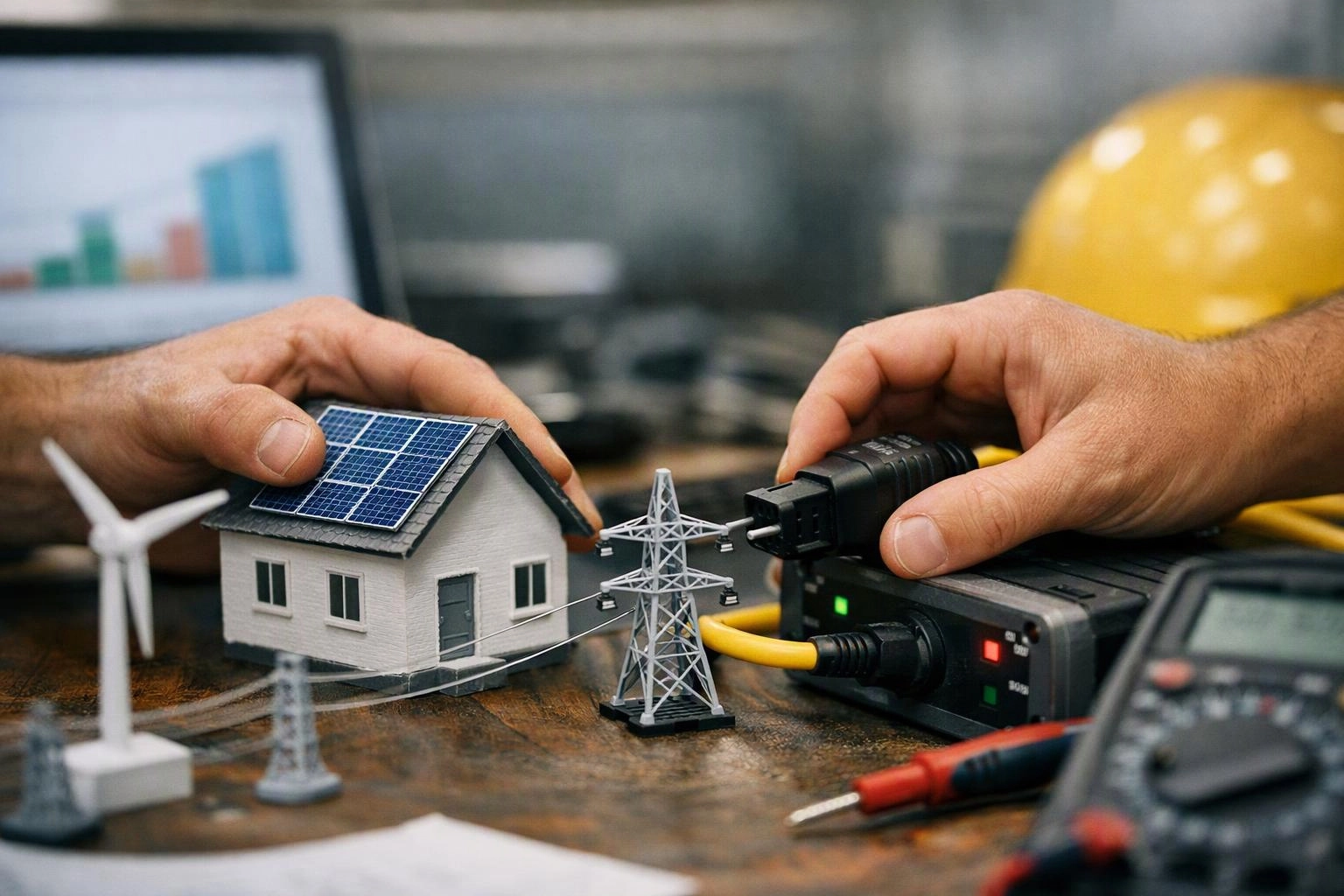
Bidirectional charging systems can support intentional islanding when their controls separate backup loads from the utility source. The same systems must also identify an unintended island during an outage. Anti-islanding protection manages that transition by stopping power transfer, opening a connection, or following the system's approved operating sequence. Troubleshooting focuses on whether the equipment detects the grid condition and responds as designed.
From the GMB Electric team
When we troubleshoot bidirectional charging systems, we check the equipment's operating mode, grid connection, control signals, and recorded fault information. We also verify that the charger, inverter, transfer equipment, and connected loads respond consistently during a controlled system check.
Islanding in Practice: A Real-World Example
A homeowner uses a bidirectional charger to support selected circuits during a utility outage. Islanding begins when the charging system separates those circuits from the utility connection while the vehicle or battery continues supplying local power.
Related Services
Related Terms
Backfeed
Backfeed is the unintended flow of electrical power from a generator, solar system, battery, or another…
Bidirectional Inverter
A Bidirectional Inverter is a power conversion device that sends direct-current energy to an alternating-current system…
Inverter
An inverter is an electrical device that changes direct current into alternating current for equipment designed…
Load Shedding
Load Shedding is a power management process that disconnects selected electrical loads to keep a generator…
GMB Electric
Have Questions About Islanding?
Contact GMB Electric for practical guidance on Islanding and related 24 hour electrician work in Indianapolis.