
What Is Load Shedding?
Load Shedding is a power management process that disconnects selected electrical loads to keep a generator, electrical system, or utility network within its available capacity. The process gives priority to essential equipment, such as refrigeration or medical devices, while temporarily turning off lower-priority loads, such as electric heating or water heating.
Quick Facts About Load Shedding
Category
Power management process
Used for
Managing generator and electrical system capacity
Common confusion
Not the same as a complete power failure
Also called
Load Management
Often discussed with
Generator Installation
Key Takeaways About Load Shedding
- Load shedding controls demand instead of creating additional power.
- Priority circuits stay powered while selected loads disconnect.
- Load shedding is not the same as a utility power outage.
How Load Shedding Works
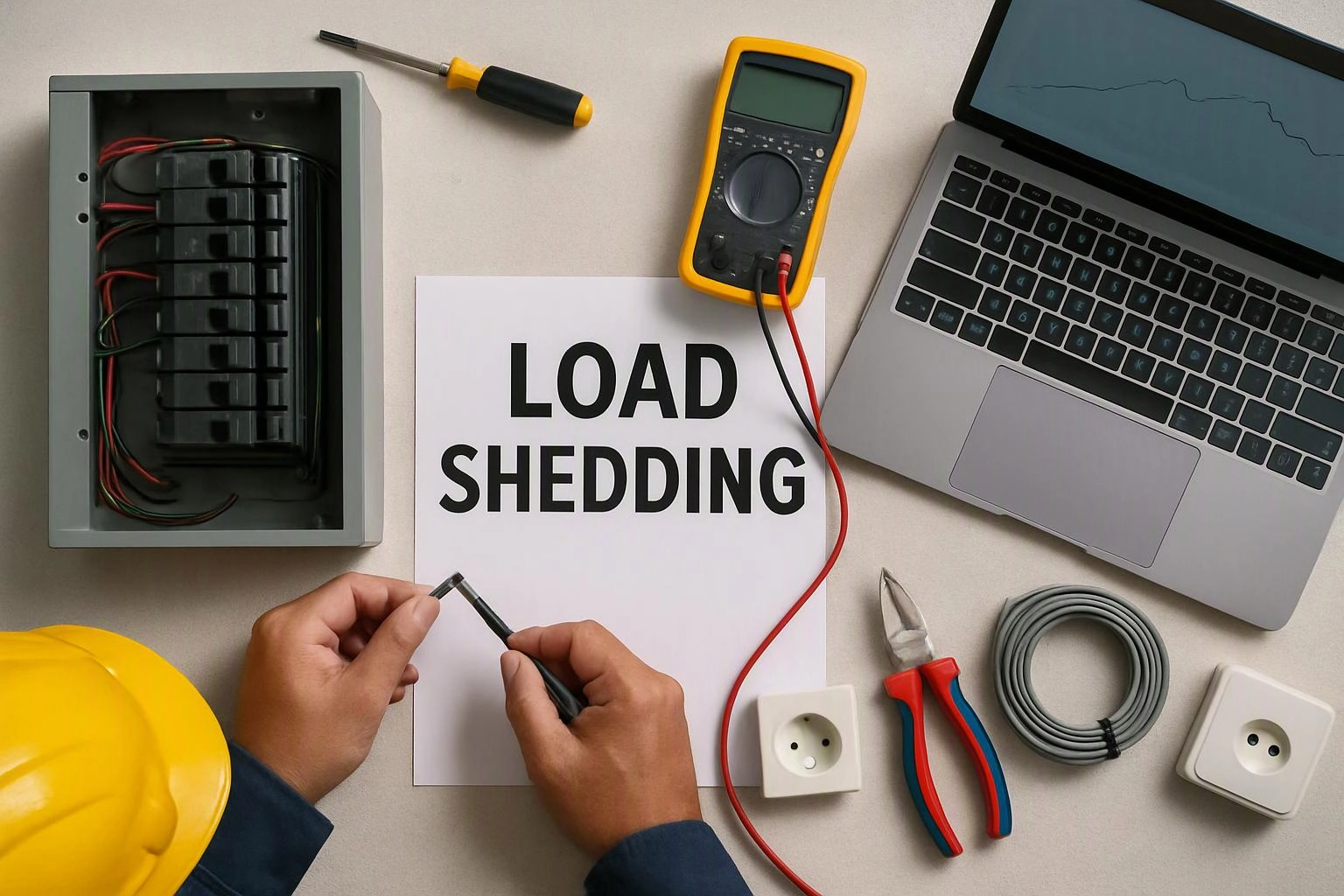
Load shedding monitors available power and disconnects selected circuits when demand reaches a preset operating limit. A control device receives information from the generator or electrical system, then signals designated loads to turn off. Priority circuits remain active while lower-priority circuits wait.
Related glossary terms: Load Management, Standby Generator, Transfer Switch.
Generator installations often use load shedding to balance competing equipment during an outage. For example, a system may keep lighting, refrigeration, and a sump pump operating while pausing an electric water heater. The control sequence can reconnect a selected load when capacity becomes available. Proper setup depends on the electrical load calculation, generator capacity, transfer equipment, and circuit priorities. Load management describes the broader planning process, while a transfer switch directs power between sources.
From the GMB Electric team
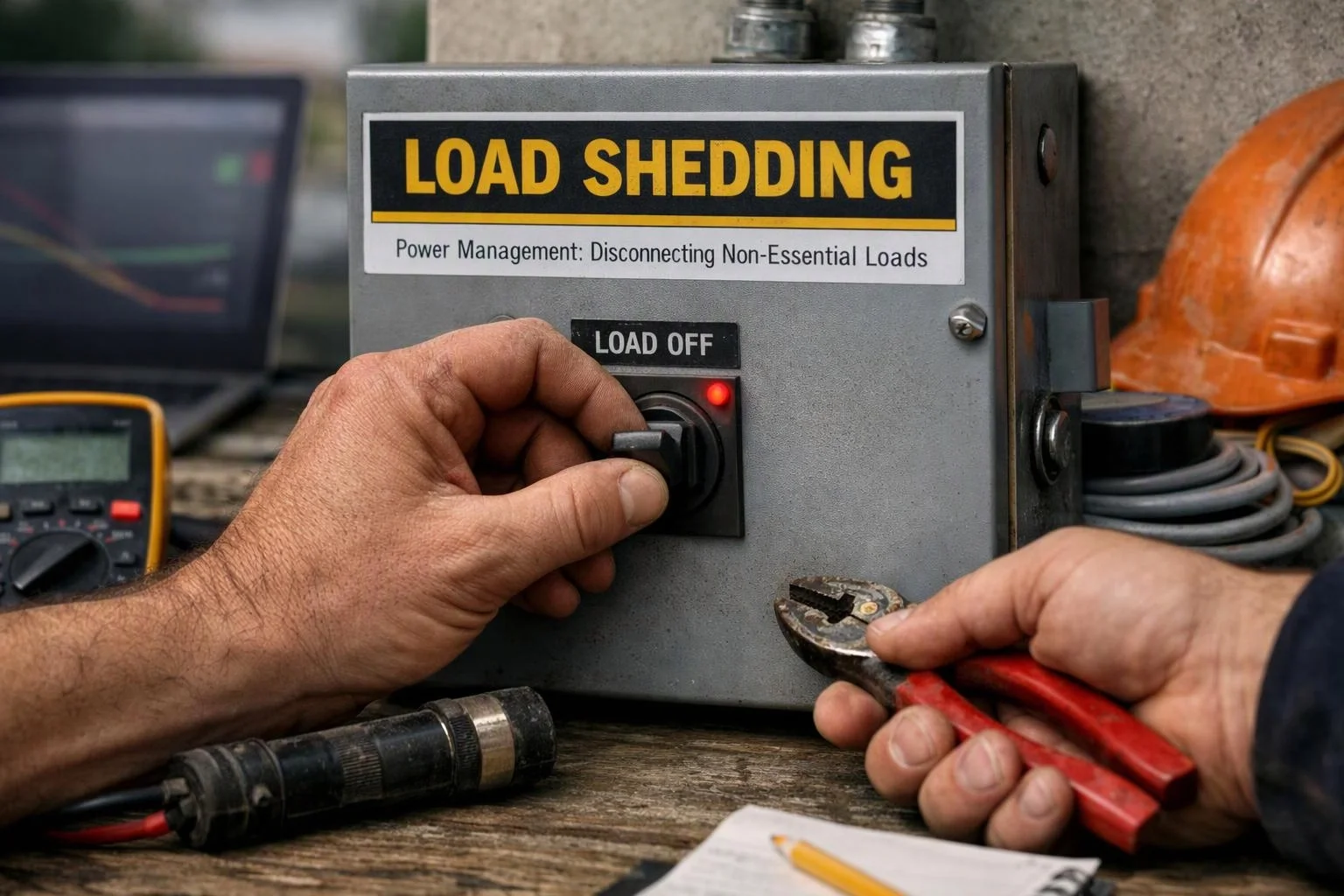
When we plan generator installation work, we review the connected loads and identify equipment that must remain powered. We then check the control wiring, transfer equipment, and circuit priorities so load shedding operates in the intended sequence. Our team also verifies that selected loads do not return unexpectedly during limited generator capacity.
Load Shedding in Practice: A Real-World Example
A homeowner wants backup power for lighting, refrigeration, and a sump pump, but the generator cannot support every electric appliance at once. Load shedding disconnects the water heater during the outage and restores it when the system has enough available capacity.
Related Services
Related Terms
Load Management
Load Management is the planned control of electrical demand across connected equipment. The system monitors available…
Standby Generator
A standby generator is a permanently installed backup power system that supplies electricity when utility power…
Transfer Switch
A Transfer Switch is a switching device that moves electrical loads between a utility source and…
Electrical Load Calculation
Electrical Load Calculation is a structured estimate of the electrical demand created by a building’s circuits…
GMB Electric
Have Questions About Load Shedding?
Contact GMB Electric for practical guidance on Load Shedding and related 24 hour electrician work in Indianapolis.