What Is an Inverter?
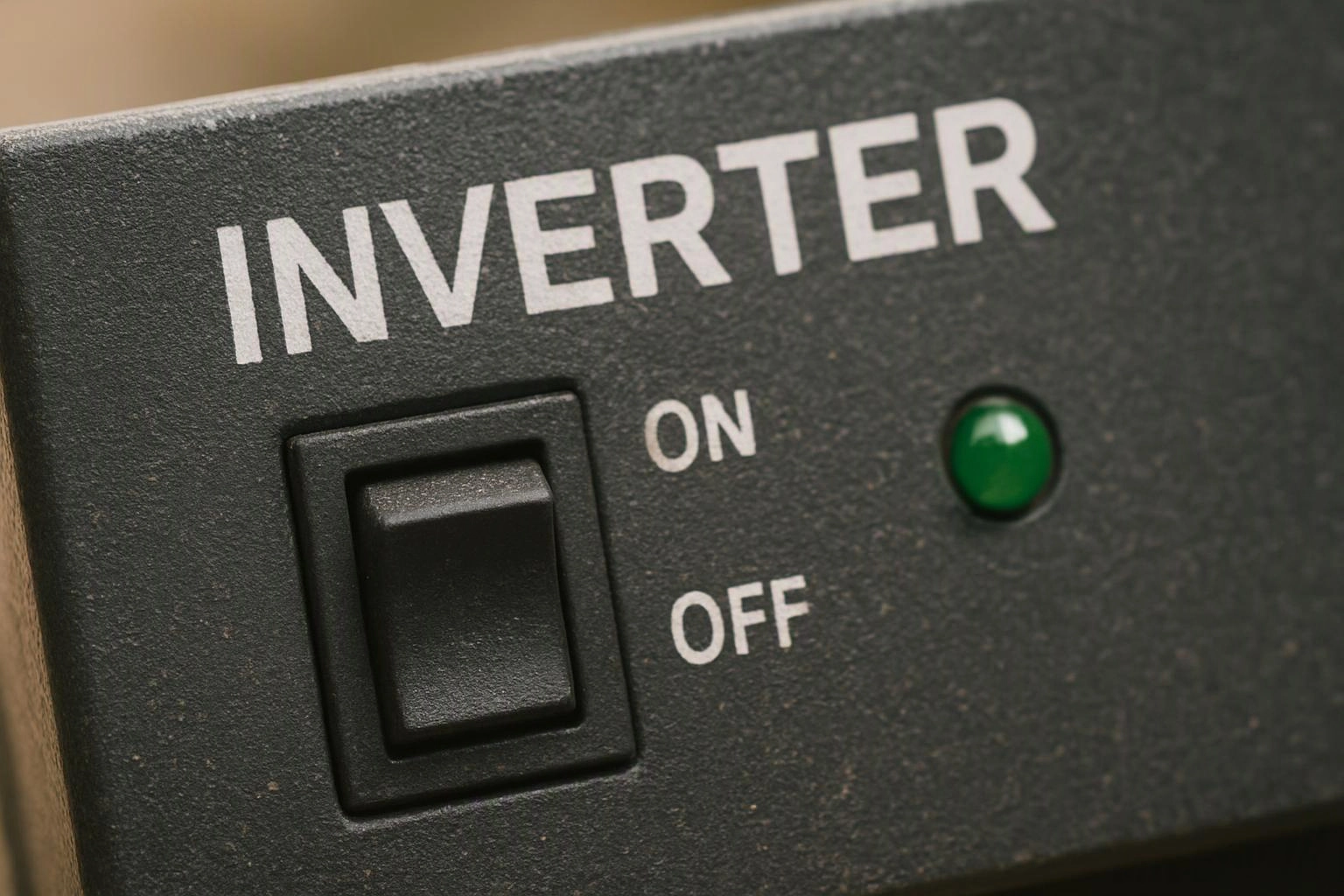
An inverter is an electrical device that changes direct current into alternating current for equipment designed to run on household-style power. In generator systems, the inverter helps produce a controlled output from stored or generated energy. Its design can support stable power for sensitive electronics, depending on the generator and system configuration.
Quick Facts About Inverter
Category
Power conversion device
Used for
Converting generator or battery power
Common confusion
Often confused with a transfer switch
Also called
DC to AC converter
Often discussed with
Generator Repair
Key Takeaways About Inverter
- An inverter changes direct current into alternating current.
- Generator inverters help control the power delivered to connected equipment.
- An inverter is not the same as a transfer switch.
How Inverter Works
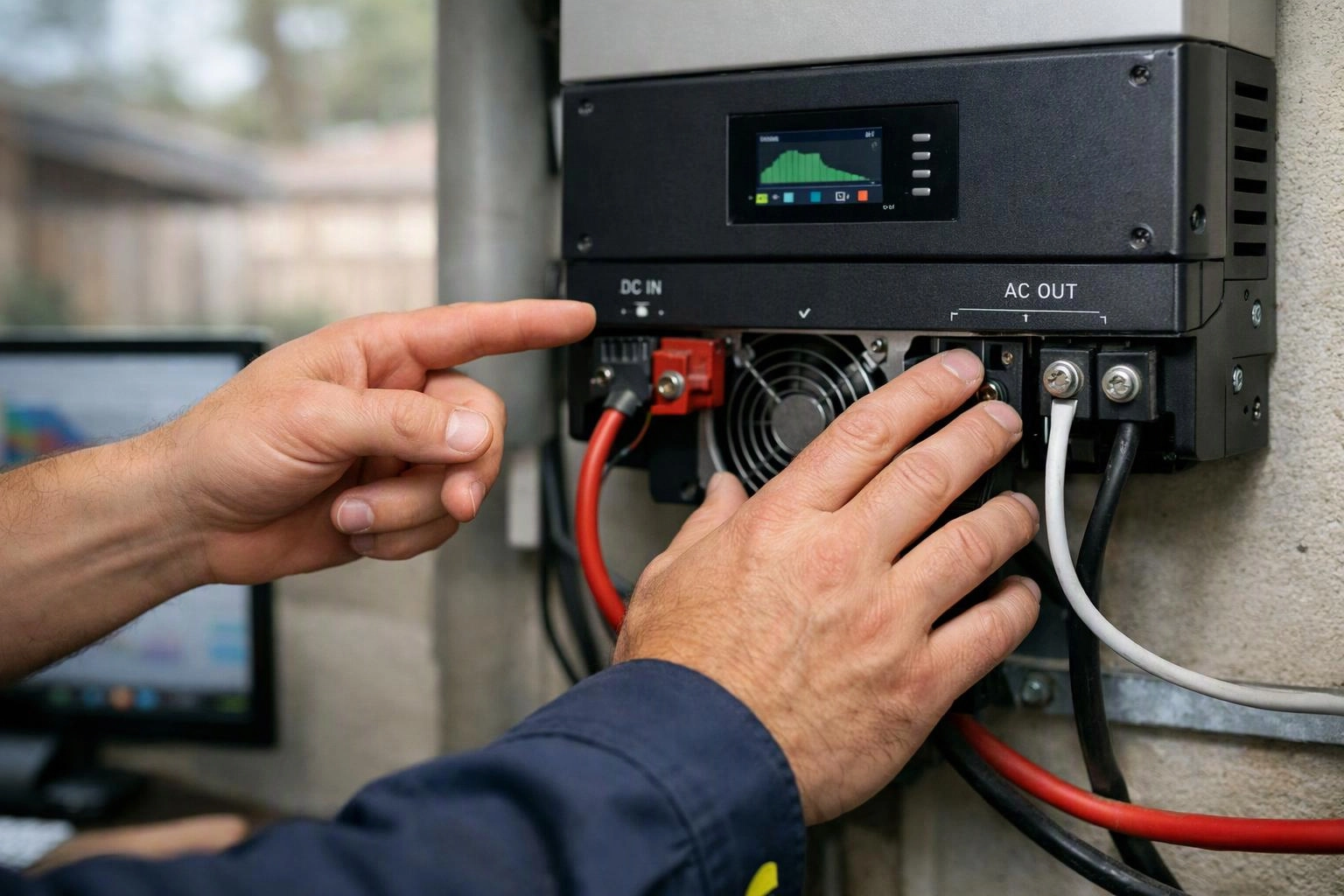
An inverter receives direct current from a battery, generator section, or another source and switches that energy into alternating current. Electronic control circuits shape the output so compatible equipment can receive power in a usable form. The inverter design also influences how closely the output follows the expected electrical waveform.
Related glossary terms: Bidirectional Inverter, Standby Generator, Transfer Switch.
In a generator system, the inverter works with the engine, controls, and output connections. The engine may produce energy that the inverter conditions before it reaches the receptacles or connected circuits. A transfer switch performs a different task by directing a circuit between power sources. A generator may include an inverter, but not every generator uses this design.
From the GMB Electric team
When we inspect an inverter on a generator repair call, we check its connections, input, output, and fault indicators. We also compare the inverter’s behavior with the generator controls and connected load. This approach helps separate an inverter problem from a battery, wiring, or transfer equipment problem.
Inverter in Practice: A Real-World Example
A home generator may receive energy from its engine and pass that energy through an inverter before supplying selected household circuits. If the inverter develops a fault, the generator may run while connected equipment receives no usable power.
Related Services
Related Terms
Bidirectional Inverter
A Bidirectional Inverter is a power conversion device that sends direct-current energy to an alternating-current system…
Standby Generator
A standby generator is a permanently installed backup power system that supplies electricity when utility power…
Transfer Switch
A Transfer Switch is a switching device that moves electrical loads between a utility source and…
Load Management
Load Management is the planned control of electrical demand across connected equipment. The system monitors available…
GMB Electric
Have Questions About Inverter?
Contact GMB Electric for practical guidance on Inverter and related 24 hour electrician work in Indianapolis.