Skip to content

Electrical Troubleshooting in Brownsburg, Indiana

Faulty switch checks help trace lost power in Brownsburg. We inspect the switch, wiring, breaker, and connected circuit before setting the repair scope.

Licensed & InsuredWarranty AvailableSame-Day ServiceUpfront, Transparent Pricing

Quick Summary: electrical troubleshooting in Brownsburg, Indiana

Electrical Troubleshooting in Brownsburg is handled by GMB Electric for homes and businesses. The service covers faulty switches, tripped breakers, loose wiring, open circuits, outlets, panels, and lighting, with service available around the clock.

  • What we do: GMB Electric provides Electrical Troubleshooting for residential and commercial properties in Brownsburg, Indiana.
  • What is included: We trace circuits, inspect switches and outlets, check breakers, test wiring, and identify open circuits.
  • What you get: Electrical Troubleshooting leaves you with a tested circuit and a clear repair decision.

Why does a faulty switch keep stopping my lights or outlets?

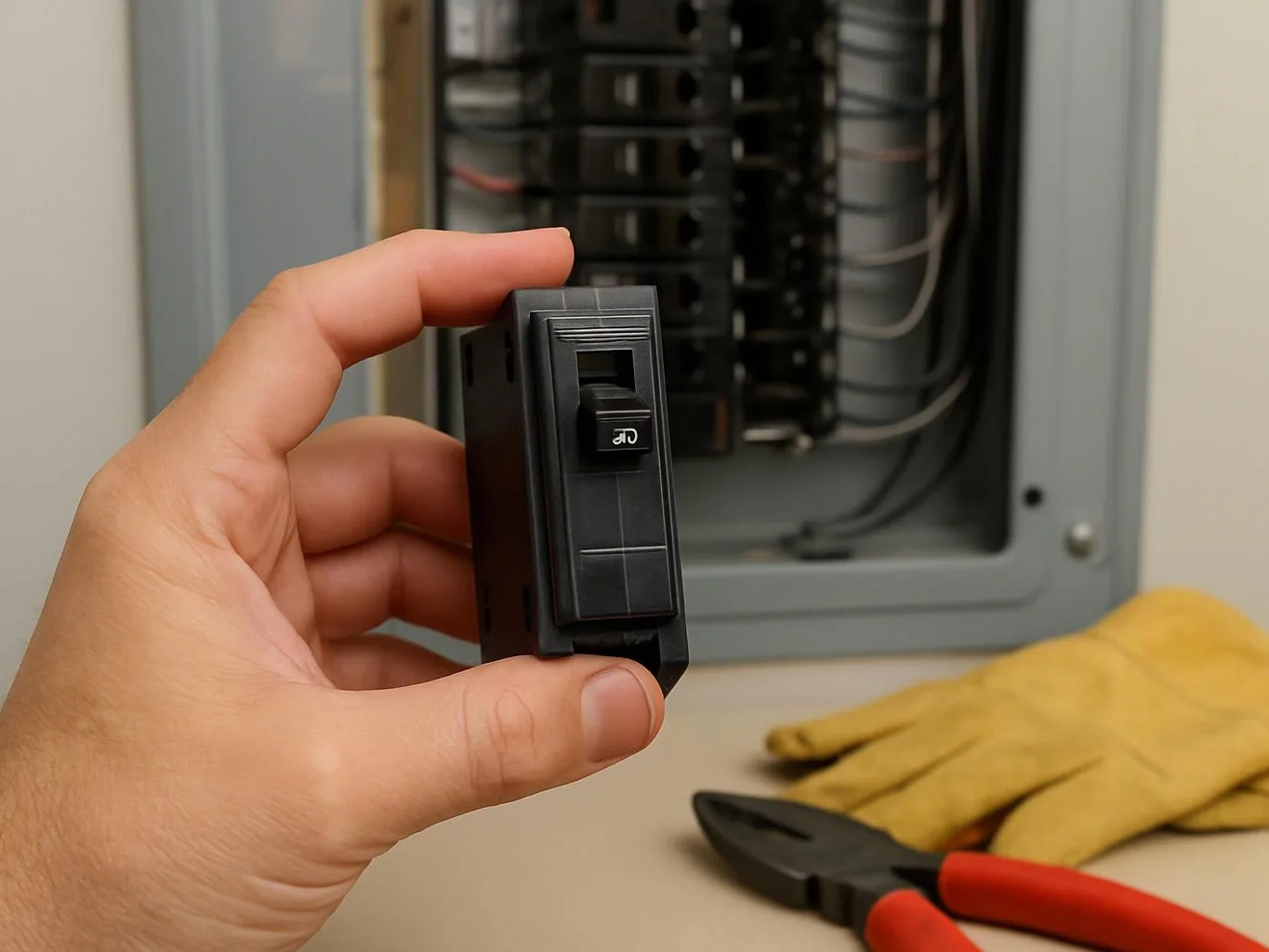
A faulty switch can stop power when its contacts wear out or its wiring loosens. A tripped breaker, open circuit, or damaged connection can create the same symptom, so testing must cover the switch and the circuit.

Electrical Troubleshooting for Faults in Brownsburg

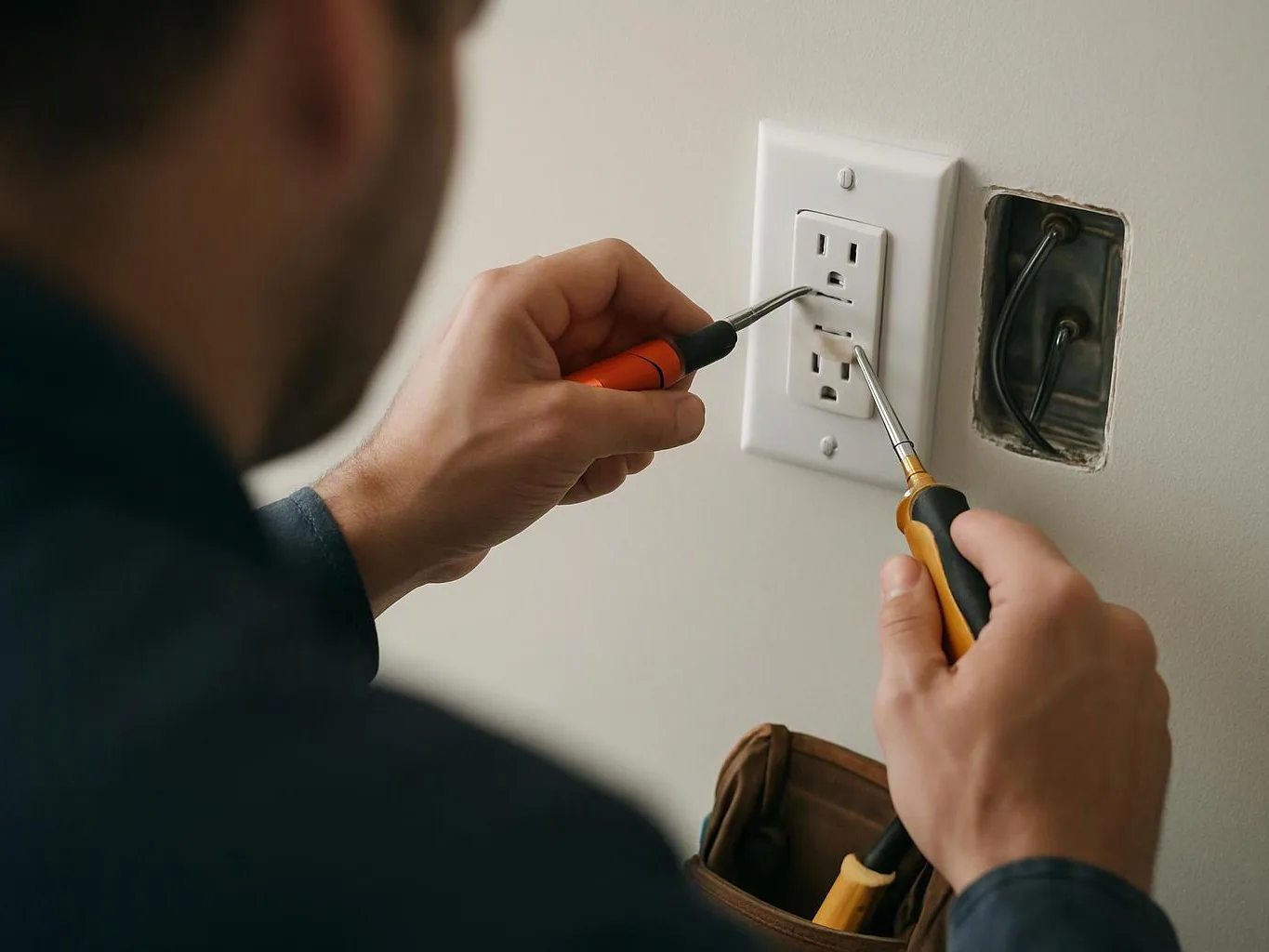
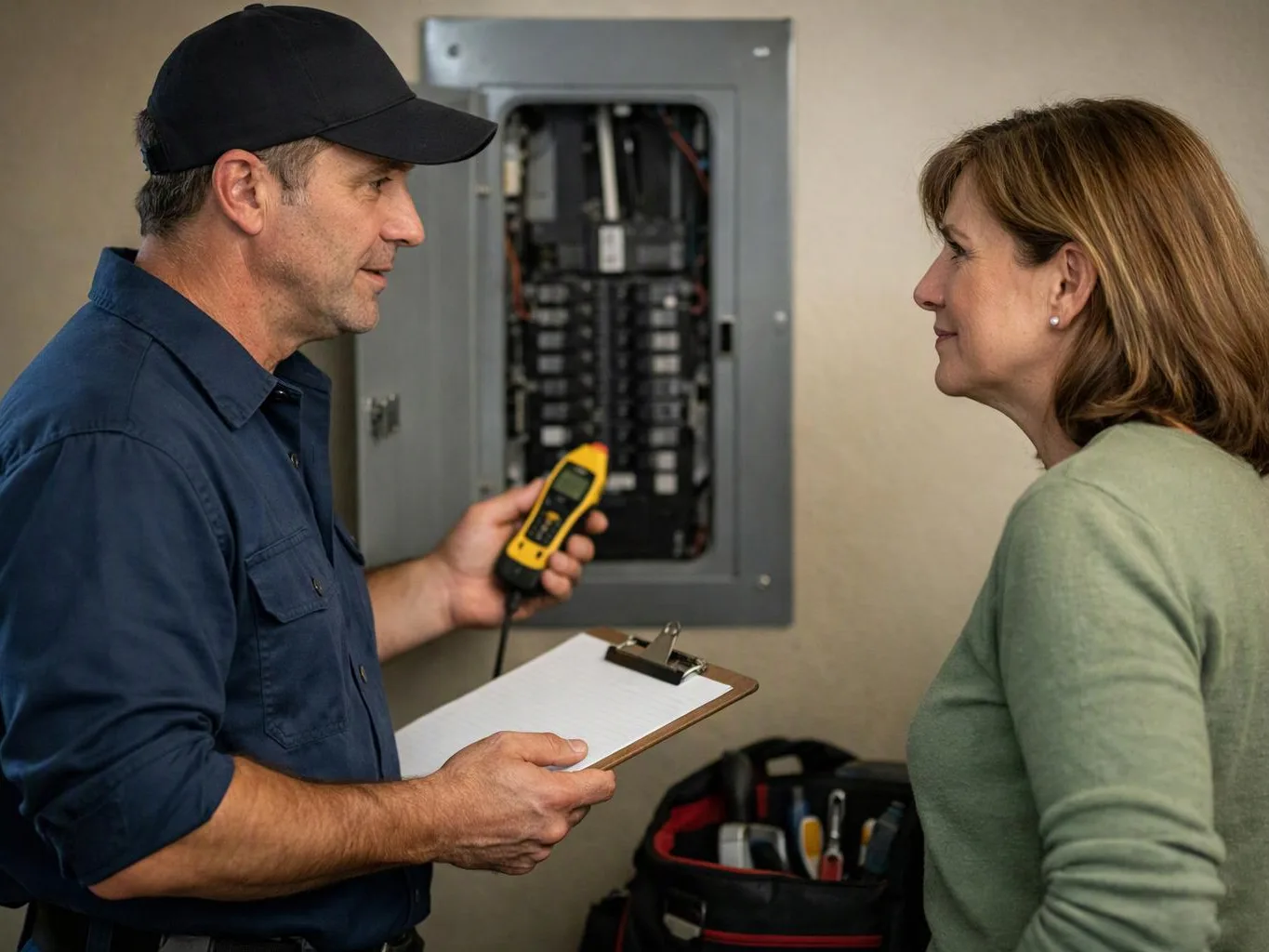
Electrical troubleshooting focuses on a specific symptom and the circuit behind it. It fits owners who see dead outlets, flickering lights, repeated breaker trips, buzzing panels, or lights that stop working after a switch is used.

The key decision is whether the fault sits in one switch or points to a wider circuit issue. We trace the circuit, inspect accessible connections, and test the panel and device before recommending a repair. A service call is not the right fit when the utility owns the outage outside the property.

This page serves buyers who need the cause identified before choosing a repair. That detail matters when the same light or outlet keeps failing after a reset.

  • Note which lights, outlets, or appliances lose power.
  • Check whether the breaker has tripped without opening the panel.
  • Record burning smells, buzzing sounds, warm plates, or sparks.
  • Keep access clear around the affected switch, outlet, and panel.
  • Avoid using a damaged outlet until the circuit is checked.
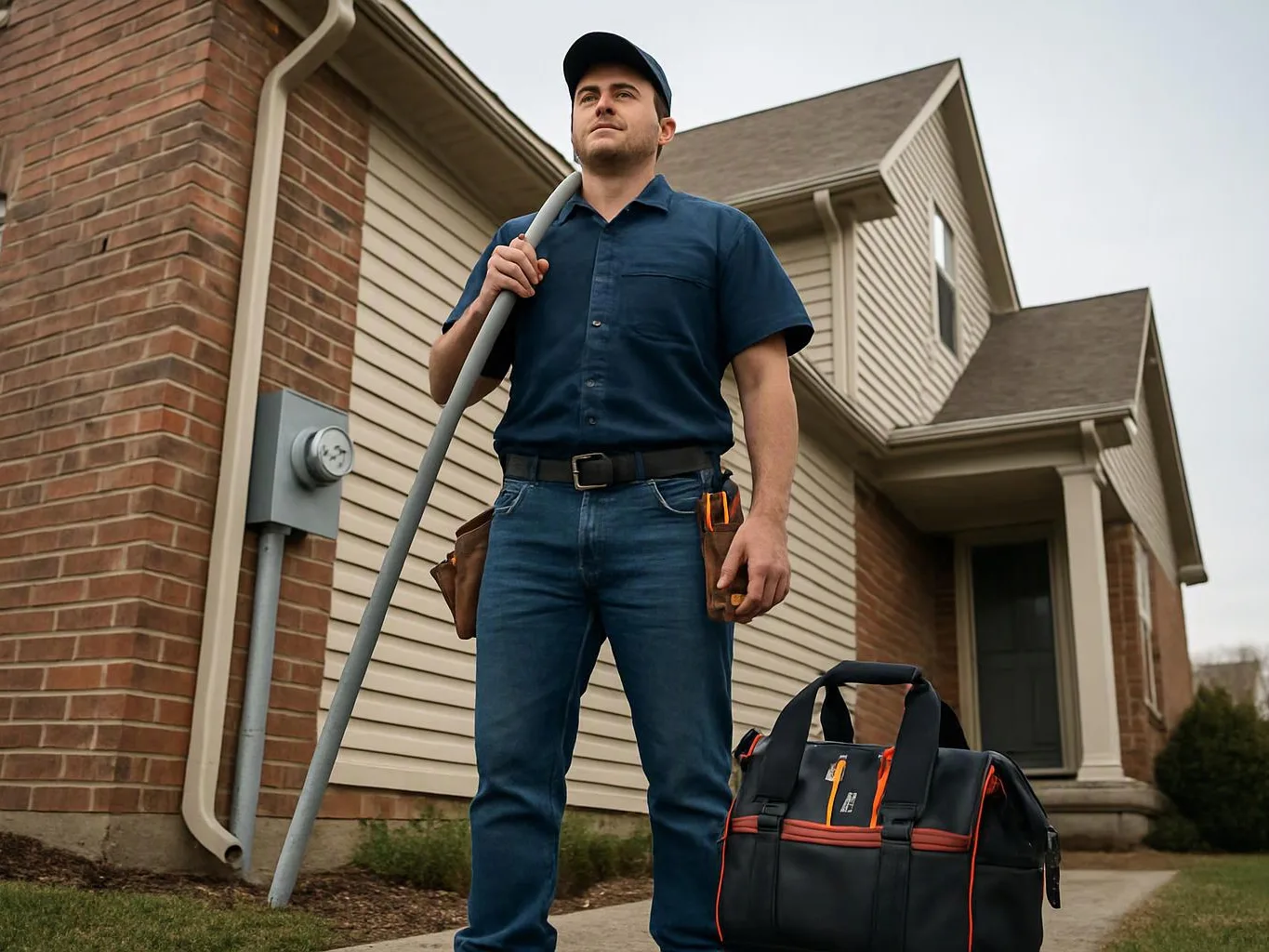
A utility worker stands by a house holding a long pipe, with a tool bag on the walkway

Service Overview

Electrical troubleshooting is a diagnostic service that finds why a circuit, outlet, switch, or light has lost safe power.

  • Troubleshooting identifies the fault, while electrical repair replaces or corrects the failed part after testing confirms the cause.
  • GMB Electric provides this service for homes and businesses in Brownsburg.

What electrical troubleshooting includes for a faulty circuit

GMB Electric provides comprehensive Electrical Troubleshooting in Brownsburg. Here's what you get:

  • We inspect the reported switch, outlet, light, or panel for visible damage.
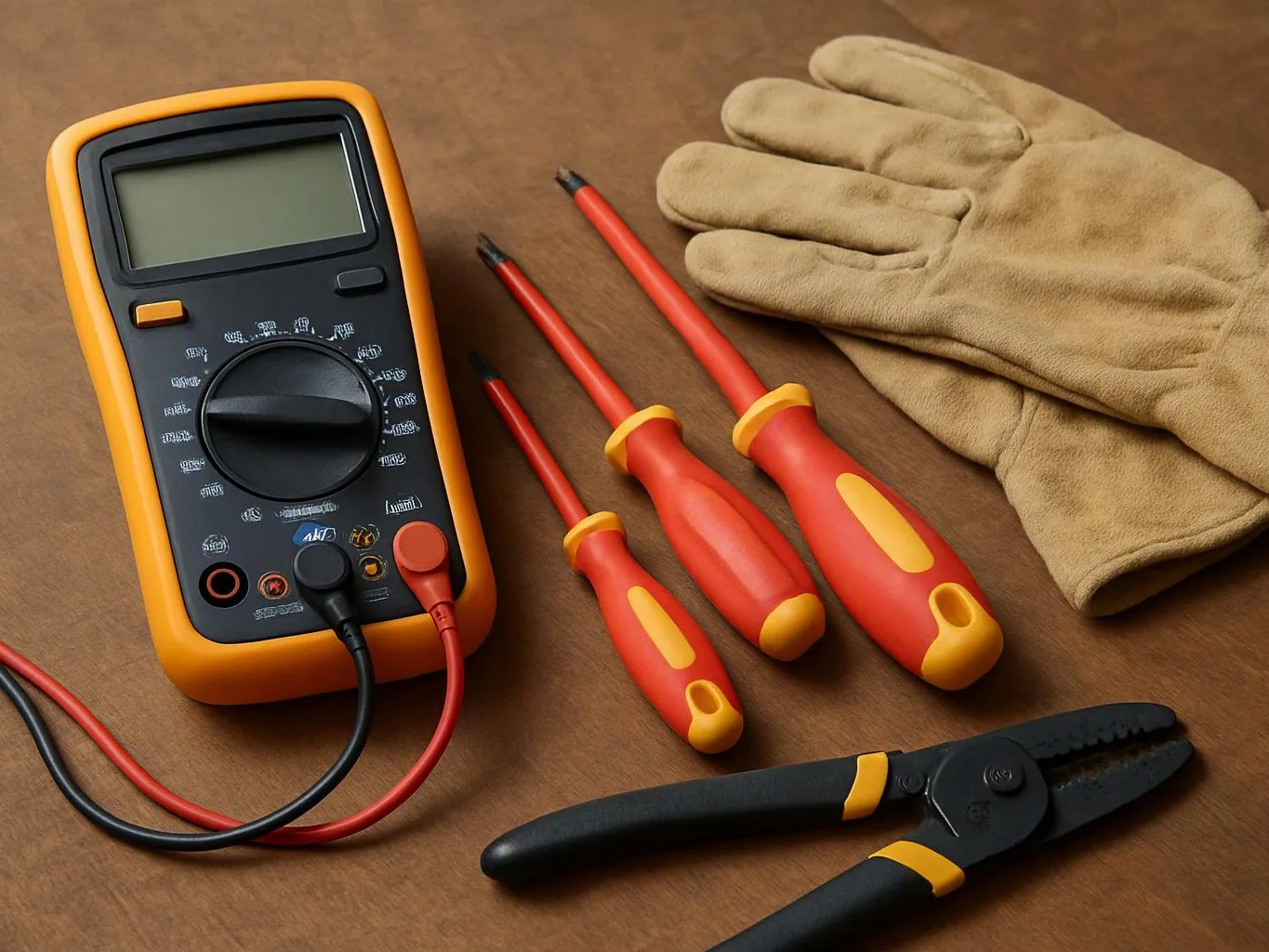
  • We test the affected circuit and trace power through the connected devices.
  • We check for a tripped breaker, loose wiring, or an open circuit.
  • We identify whether the fault affects one device or more of the circuit.
  • We explain the repair scope and any code-compliant electrical improvement that fits the property.

What you get from a focused electrical fault check

A diagnosis tied to the symptom

The inspection follows the dead outlet, flickering light, or tripped breaker back to its source. We explain what the test found before discussing repair work.

Residential and commercial coverage

Our team works on electrical faults in homes and businesses. The approach changes with the panel, circuit layout, equipment, and access available at the property.

A clear limit on the service

Troubleshooting is the wrong job when the outage is outside your property or the utility controls the failed equipment. We focus on wiring, devices, circuits, and panels within the electrical system.

Process

How we check a switch, outlet, or circuit

1

Record the reported symptom

We note which light, outlet, appliance, or switch stopped working and whether nearby devices still have power.

2

Inspect the device and panel

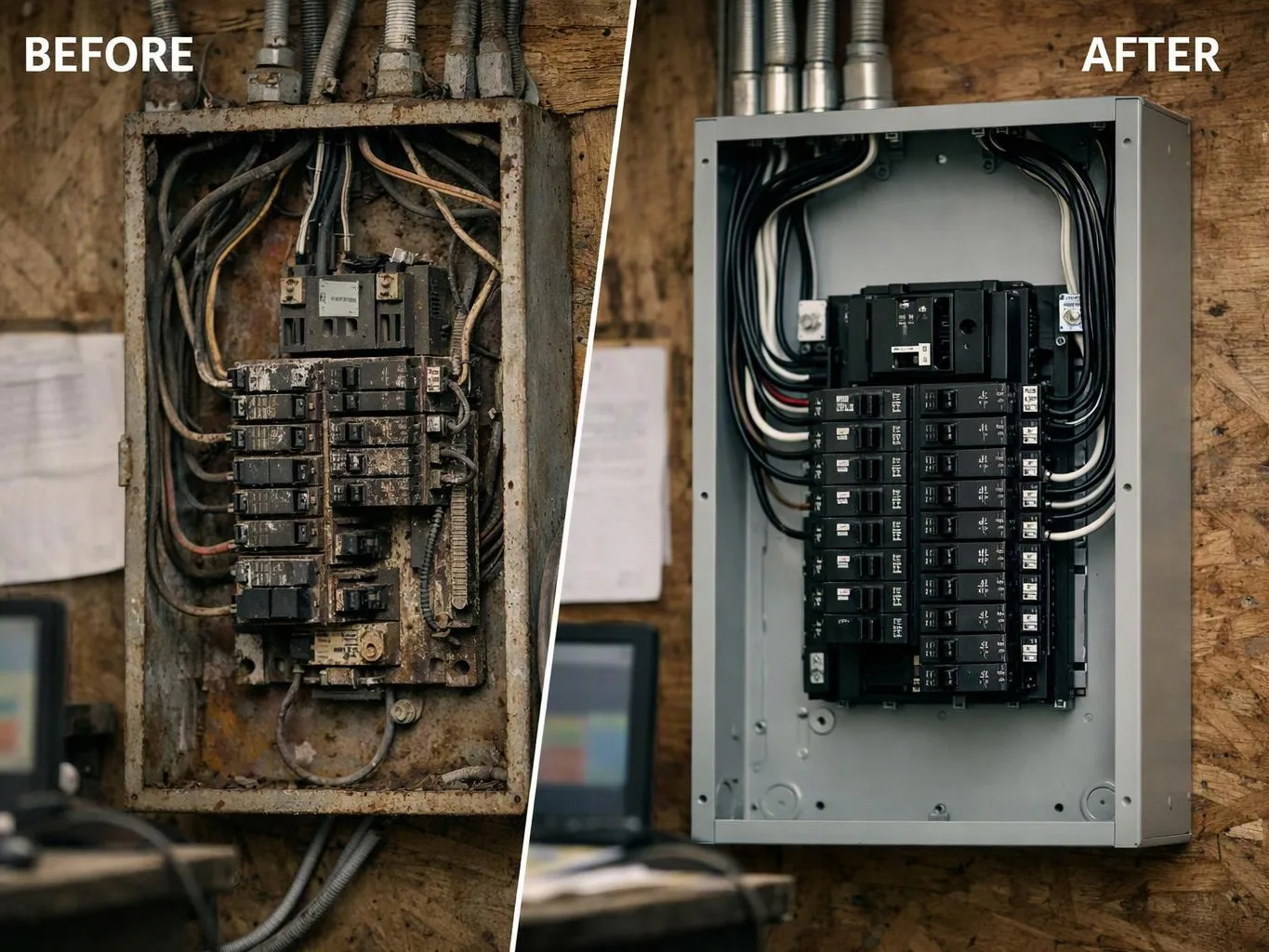
The inspection covers visible damage, warm plates, buzzing sounds, breaker position, and accessible wiring.

3

Trace the affected circuit

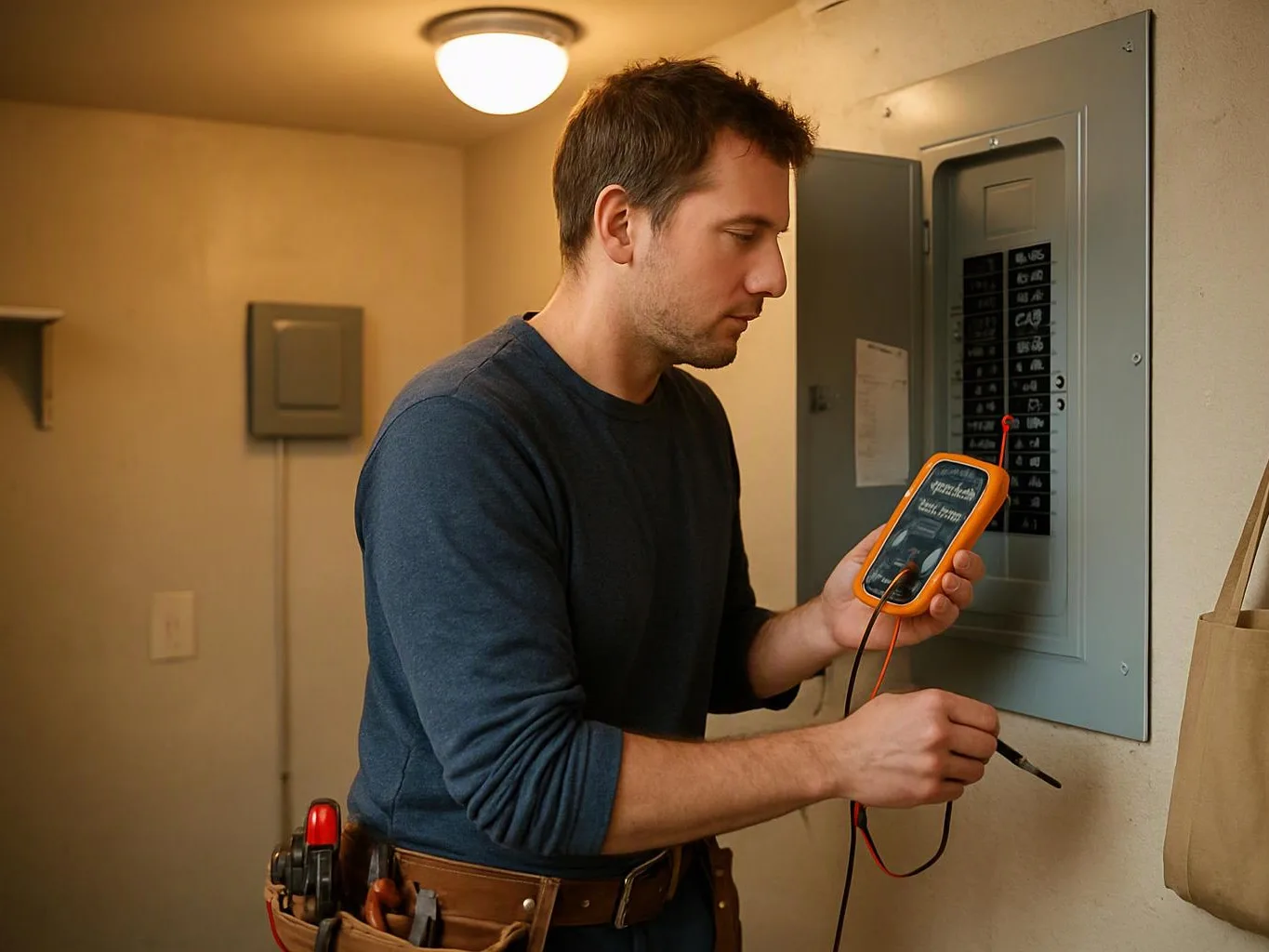
Circuit tracing follows power from the panel through connected devices to find a loose connection or open circuit.

4

Test and verify the fault

We test the circuit and compare the readings with the reported symptom before setting the repair scope.

5

Explain the repair decision

We outline whether the property needs a switch or outlet repair, wiring work, breaker attention, or a broader electrical improvement.

What this circuit check changes for you

You get a cause-based repair decision instead of replacing parts without testing.

Circuit tracing helps show where power stops and which connection needs attention.

Testing can separate a switch fault from a panel, outlet, or wiring problem.

A documented diagnosis helps you plan a repair for a home or business.

Safety checks can identify warning signs before the fault affects more equipment.

Electrical fault types and the first check

These fault types point to different starting checks, so the symptom alone does not set the repair scope.

Reported electrical faultWhat we check firstPossible next step
Faulty switchSwitch contacts, box, and connected wiringSwitch repair or wiring work
Tripped breakerBreaker position and connected circuitCircuit testing and repair planning
Loose wiringAccessible connections and heat marksConnection repair or rewiring
Open circuitWhere power stops along the circuitCircuit repair after the break is located

The GMB Electric Standard

  • Urgent Assistance
  • Issue Diagnosis
  • Careful Inspection
  • Clear Options

Questions about electrical faults and circuit checks

What causes lights or outlets to stop working?

A faulty switch, tripped breaker, loose wiring, or open circuit can stop lights or outlets from working. GMB Electric checks the device, circuit path, and panel to find the cause. A burning smell, buzzing panel, or warm plate needs prompt attention because heat can signal a dangerous connection. Avoid using the affected device until testing is complete.

Who is a good fit for electrical troubleshooting, and who needs a different service?

Homeowners and business operators with a suspected circuit fault are good fits for electrical troubleshooting. The service covers dead outlets, flickering lights, breaker trips, and failed switches. Utility-owned outages need the utility company, while confirmed damaged wiring or equipment moves into electrical repair after the fault is identified.

What should be checked before electrical troubleshooting is scheduled?

The reported symptom, affected devices, breaker position, and warning signs should be noted first. Useful details include when the fault began and whether other lights or outlets lost power. Do not remove panel covers or handle exposed wiring. Photos of the switch, outlet, or panel can help us understand access needs.

What happens at each stage of the electrical fault check?

The work starts with the reported symptom, then moves through inspection, circuit tracing, testing, and repair planning. We check the device and panel, follow the circuit, and verify the fault before explaining the scope. This sequence helps separate a single device problem from loose wiring or an open circuit.

When should a tripped breaker be treated as urgent?

A breaker that trips with a burning smell, buzzing sound, heat, or visible damage needs urgent electrical attention. Leave the breaker off if it trips again after one safe reset. We inspect the connected circuit, panel, and wiring to identify the source before discussing repair.

Which part of a faulty switch job changes the price?

The fault location, access, wiring condition, and repair scope change the price of a faulty switch job. A worn switch may need different work from a damaged box or open circuit behind the device. We inspect the circuit first and explain the quote from the findings.

Why might one outlet fail while nearby outlets still work?

One outlet can fail when its connection opens or when power stops at an upstream device. Our team checks the outlet, connected circuit, breaker, and nearby devices to locate the break. The pattern of working and dead outlets helps guide circuit tracing, but testing confirms the cause.
Contact

Request an Electrical Troubleshooting Estimate in Brownsburg

Are lights, outlets, or breakers acting up? Request an electrical troubleshooting estimate, and urgent requests get priority scheduling.

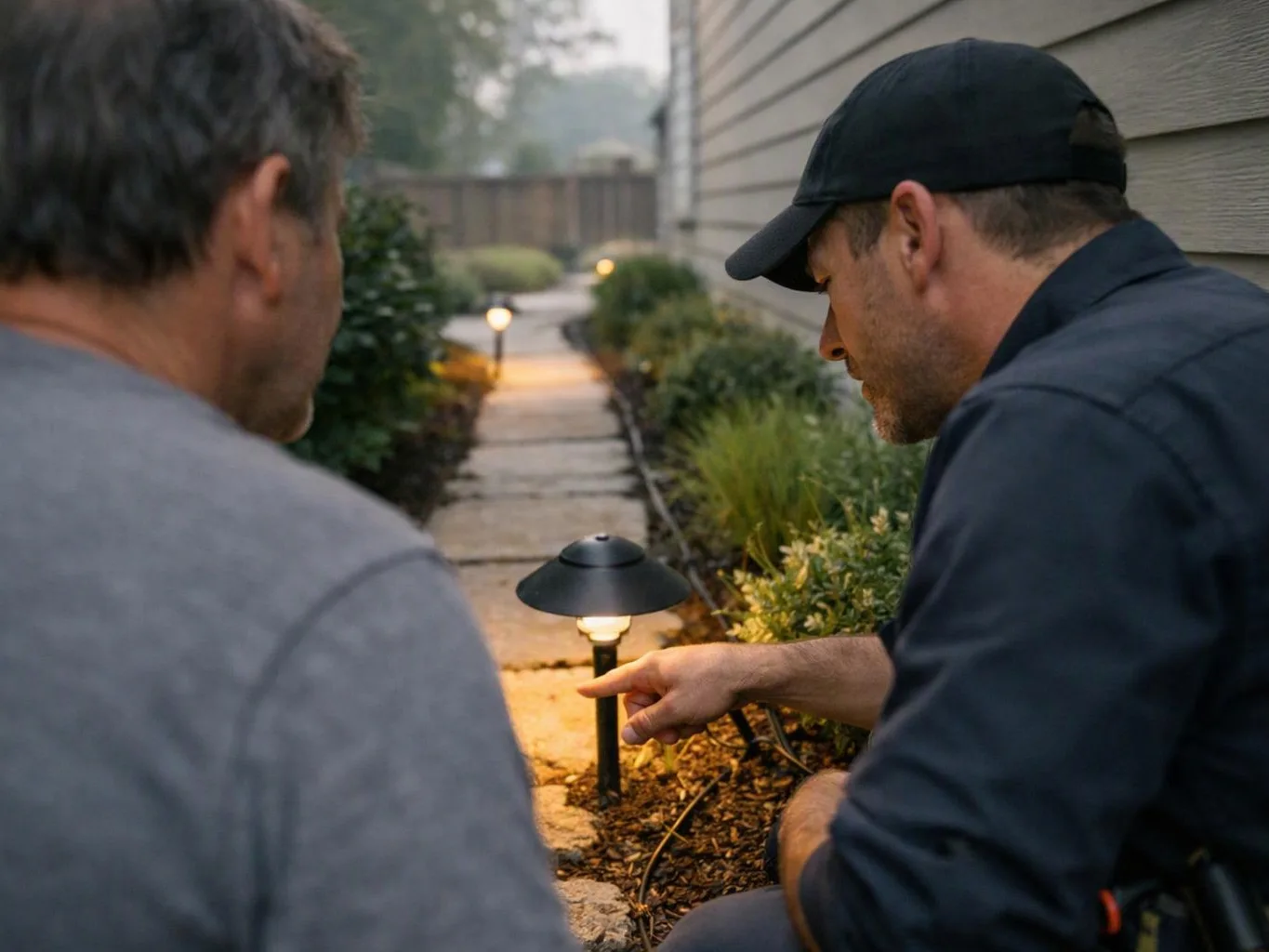
Two men inspect a lit pathway lamp beside a house and garden beds in the evening

ZIP Codes We Serve in Brownsburg, Indiana

46112

Electrical Troubleshooting in Other Areas

(317) 608-1220