Can you repair loose connections safely during an emergency?
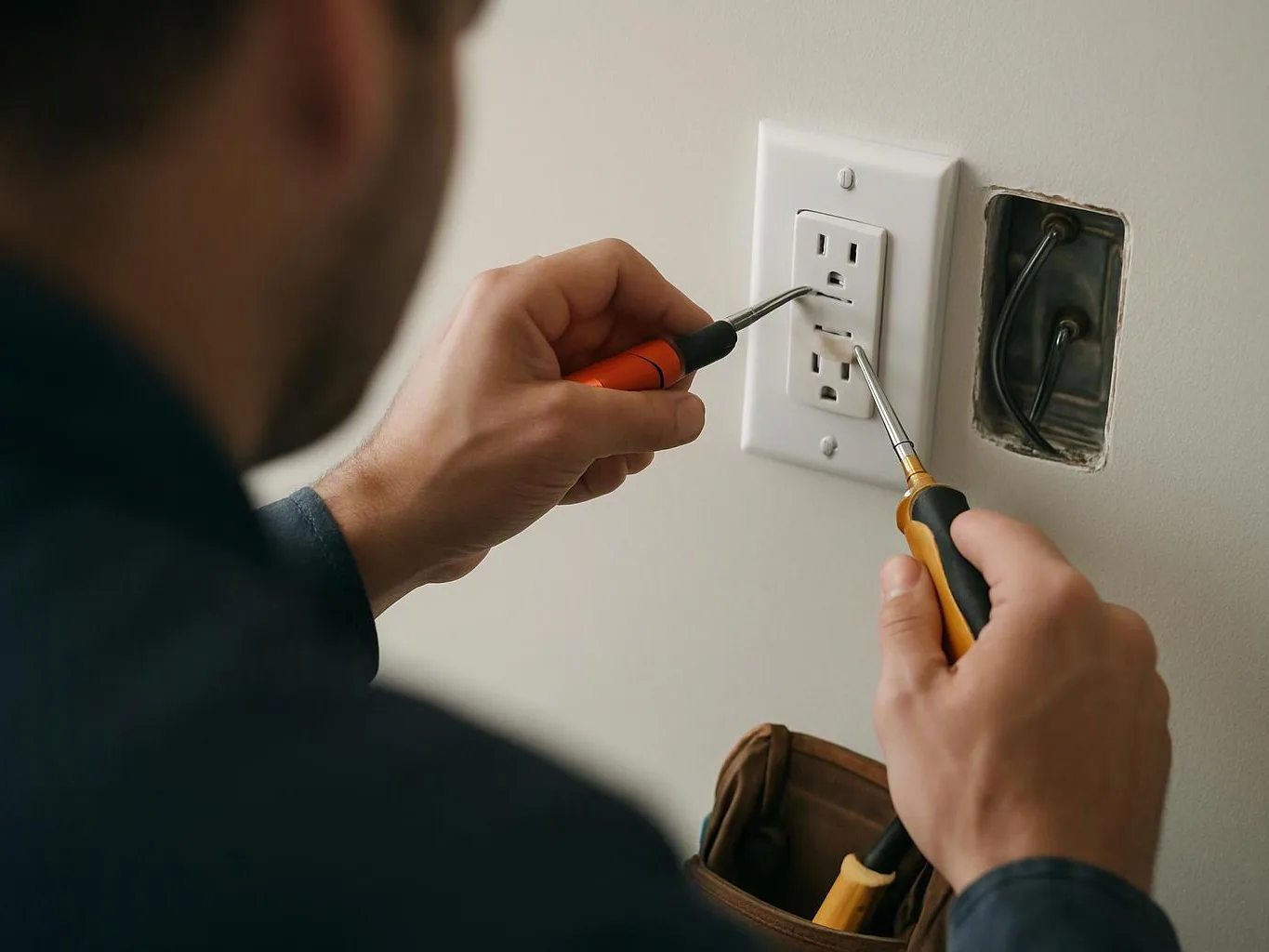
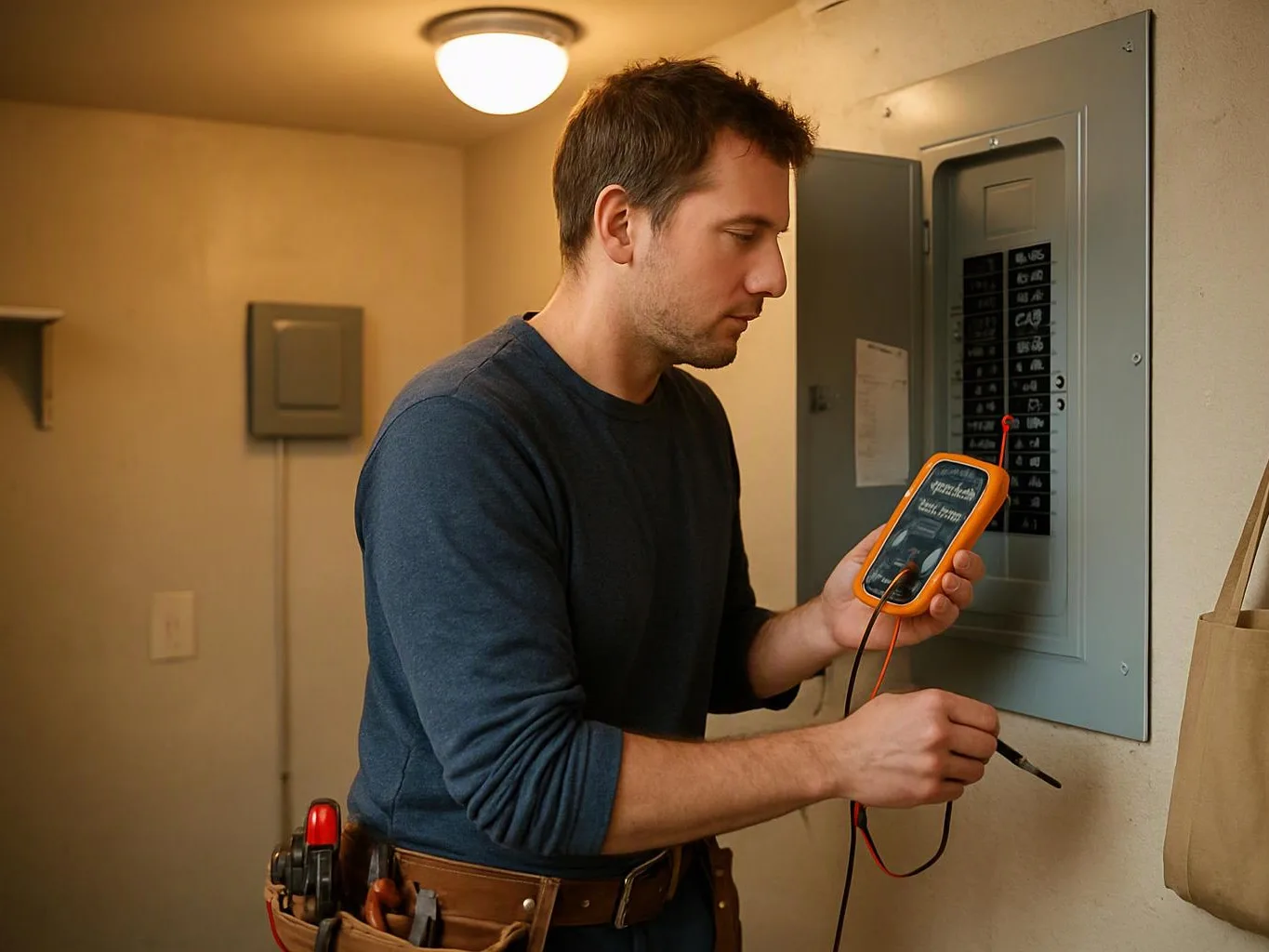
Loose connections can be repaired safely after the affected circuit is isolated and tested. GMB Electric checks the connection, conductor, insulation, breaker, and surrounding parts before tightening or replacing damaged components. The repair scope changes if heat or arcing has harmed the wire or terminal. Keep the circuit off when it shows heat, sparks, or a burning smell.
How can I tell whether emergency electrical repair fits my property?
Emergency electrical repair fits a property with an active fault, unsafe electrical symptom, or sudden loss of power inside the building. Flickering lights, dead outlets, repeated breaker trips, buzzing panels, and burning smells all justify an assessment. Planned lighting, remodeling, and routine upgrades need a separate project scope.
Which part of the property decides the repair scope?
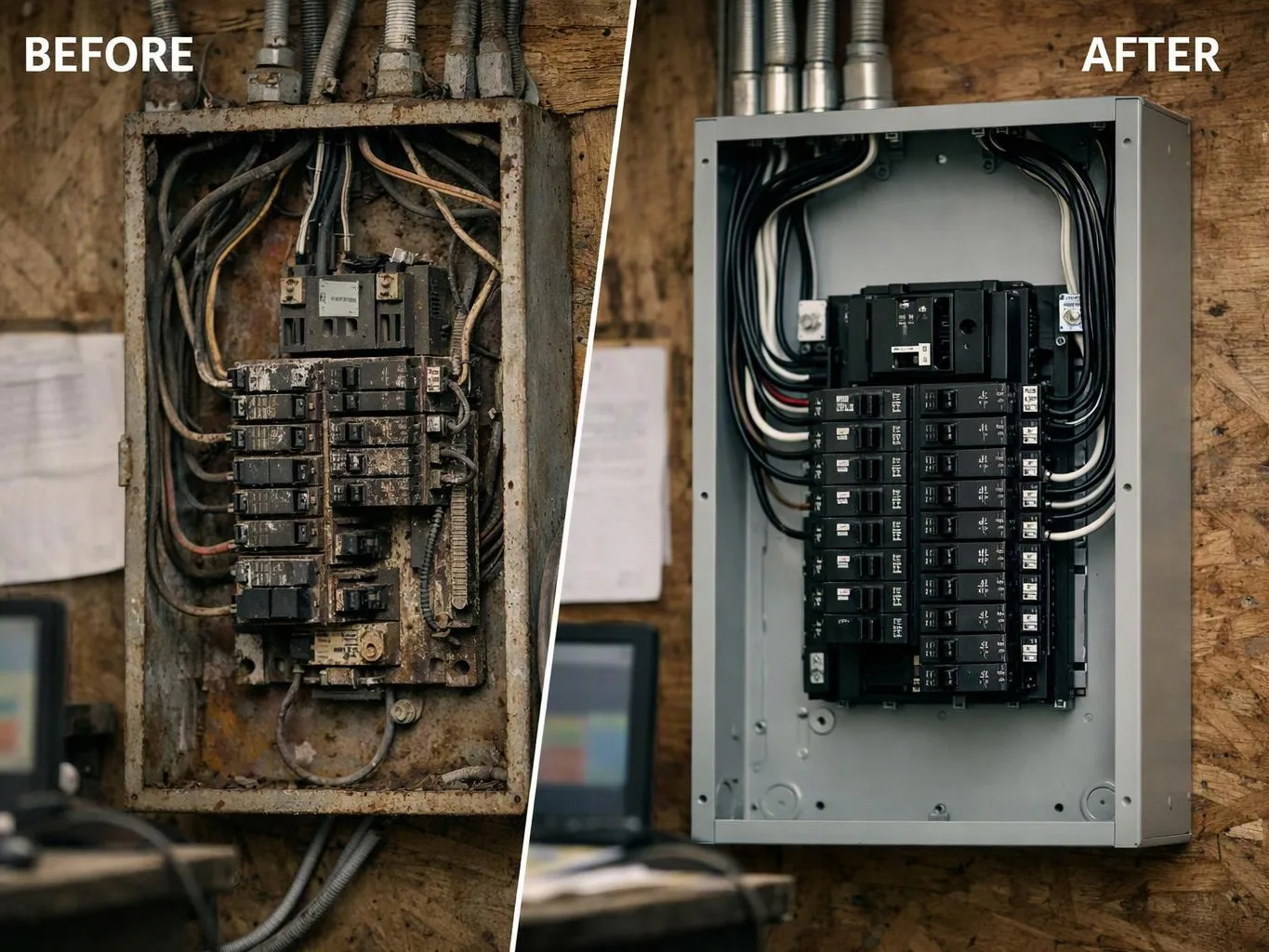
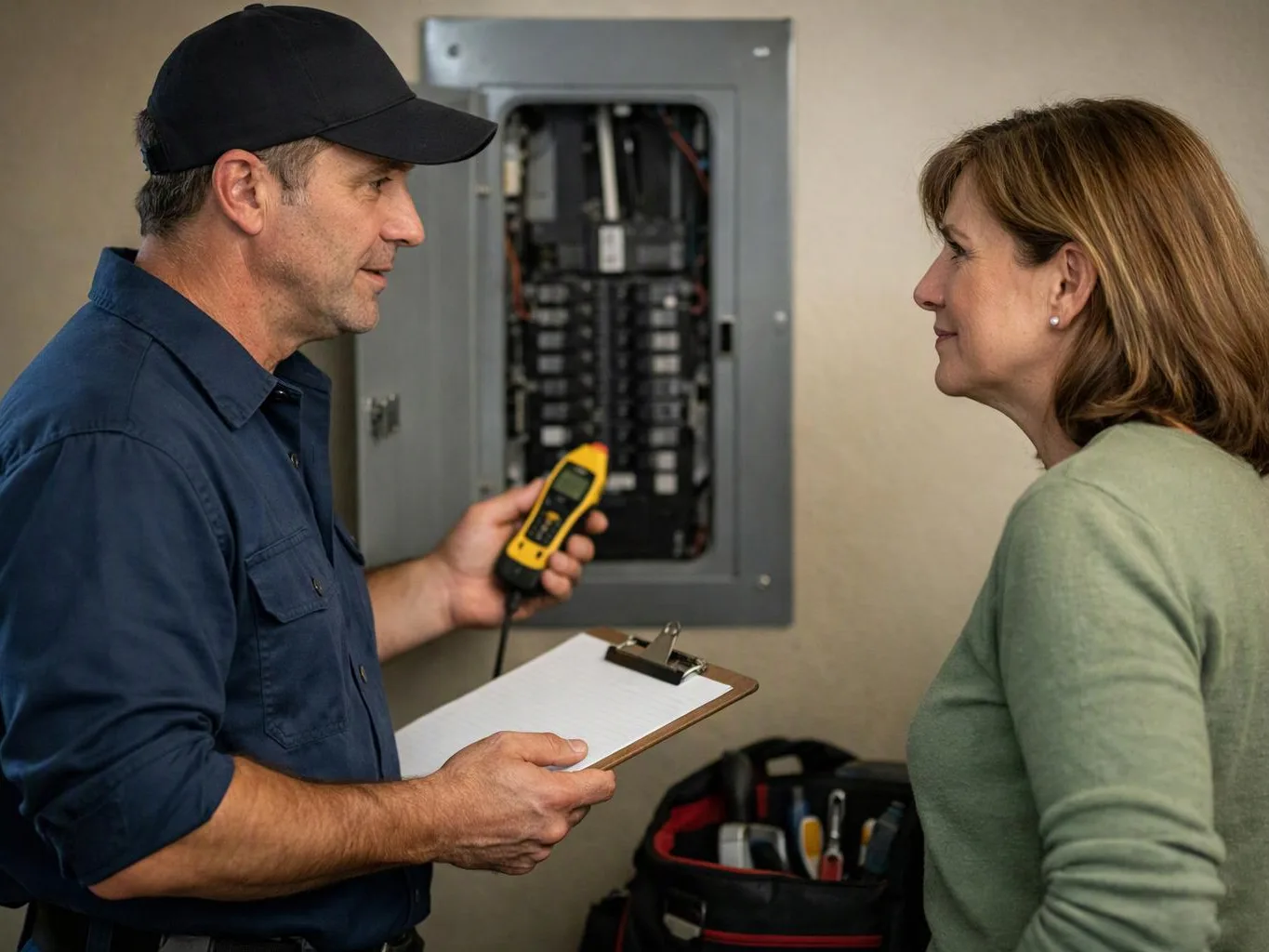
The affected circuit usually decides the repair scope. We check the panel, breaker, wiring run, outlets, switches, fixtures, and connected equipment to find the fault. A single damaged outlet may need a focused repair, while heat or arc damage across a circuit can require wiring replacement or panel work.
Which material changes how long the repair takes?
Damaged insulation can expand the repair because the conductor may need replacement beyond the visible fault. We check wire condition, access, connection points, and the affected circuit before setting the work scope. Aluminum wiring, older cable, or heat-damaged conductors can call for different repair steps than an intact copper connection.
What should I do before requesting urgent electrical help?
Turn off the affected circuit only if you can do so safely, and keep people away from damaged equipment. Note which outlets, lights, or appliances lost power and whether you saw sparks, smoke, heat, or a burning smell. Do not remove the panel cover or handle exposed wiring.
How does a power outage differ from an internal electrical fault?
A property-wide outage may involve the utility supply, while one dead circuit usually points to an internal fault. Check whether neighboring properties also lost power, then note which breakers and areas are affected. We troubleshoot the building-side system when the fault is inside the property.
Why does a panel buzz during an electrical emergency?
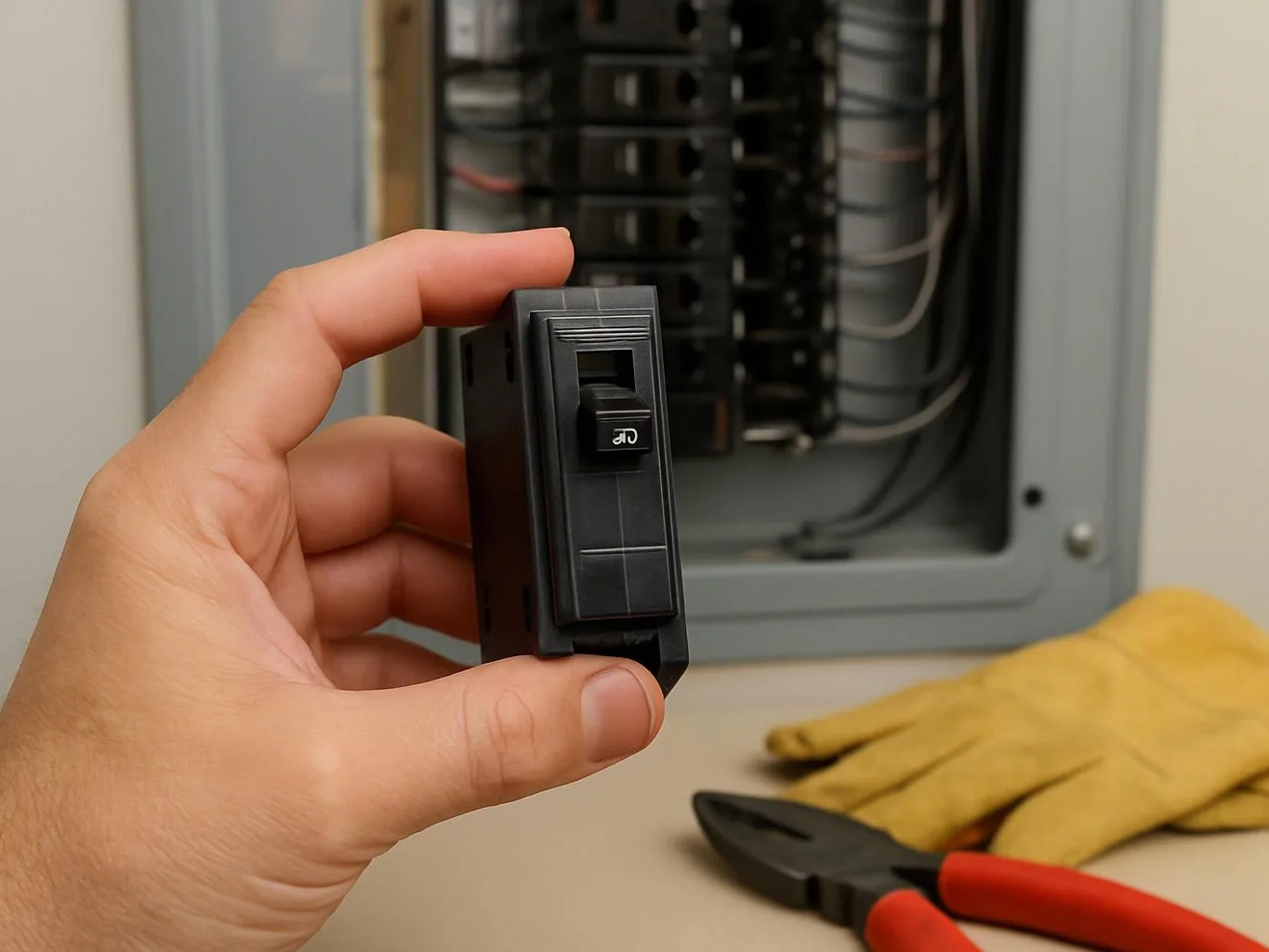
A buzzing panel can signal a loose connection, failing breaker, overload, or damaged component. Stop using equipment on the affected circuit and avoid opening the panel. We inspect the panel, connections, conductors, and breaker before deciding whether the repair needs a part replacement or broader electrical work.