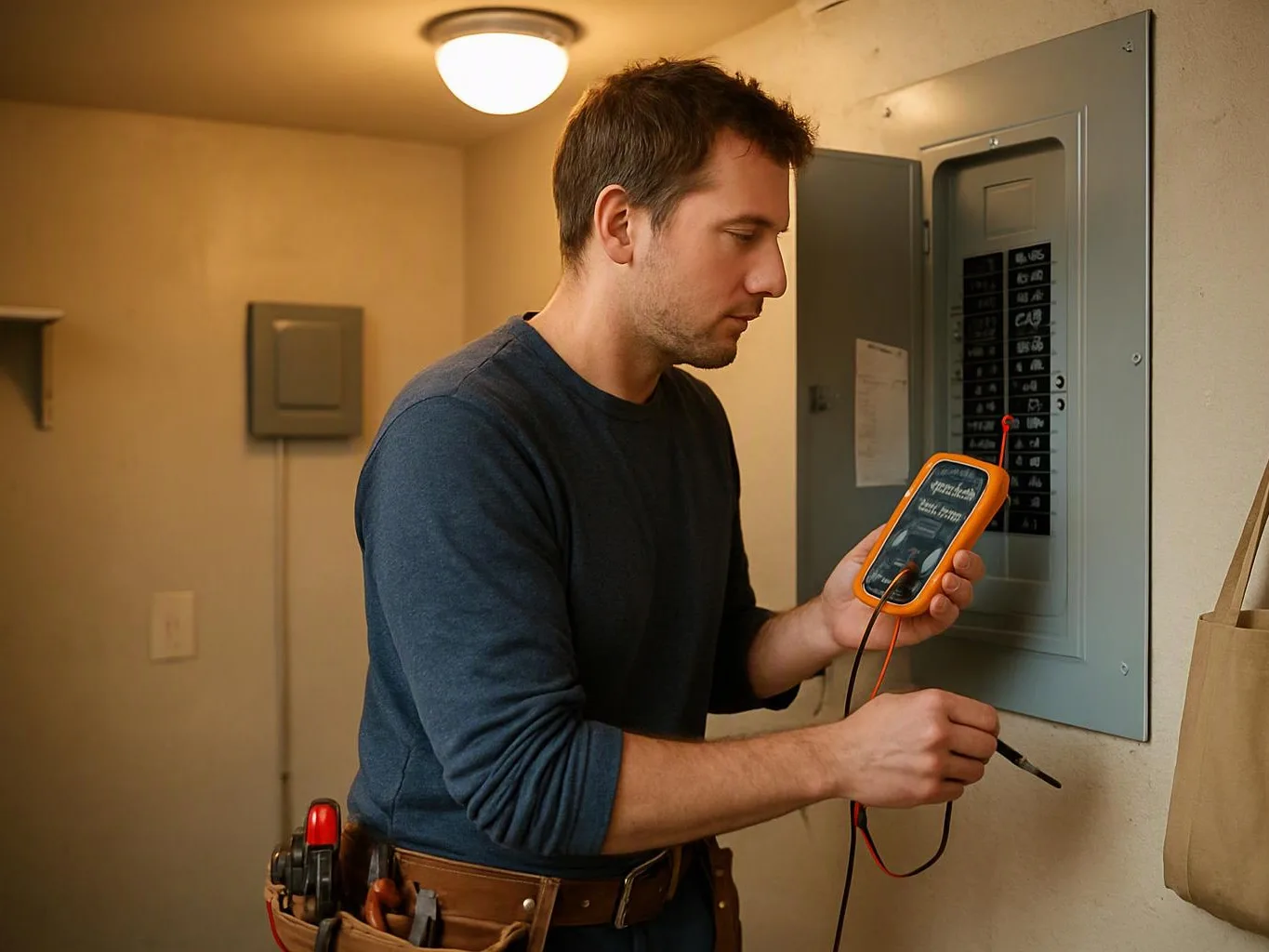
Can electrical troubleshooting find intermittent electrical failures?
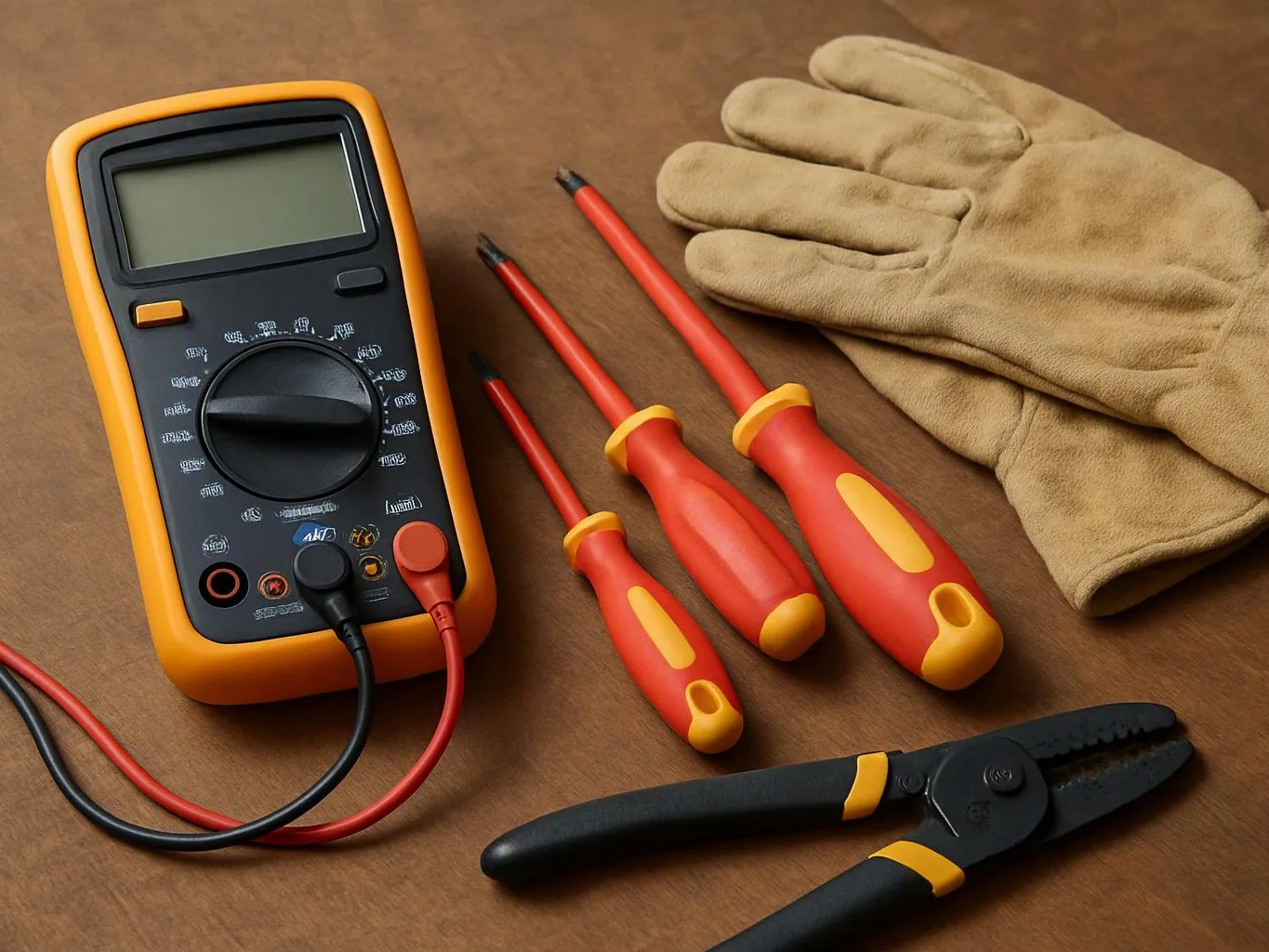
Yes, loose terminals can cause intermittent electrical failures, and testing can trace the affected circuit. GMB Electric checks when the fault appears, tests voltage, and inspects the panel, outlets, switches, and wiring path. Bring notes about what was running when power failed. Turn off the affected circuit if you notice heat, smoke, sparking, or a burning smell.
How does a troubleshooting visit move from the first call to the last step?
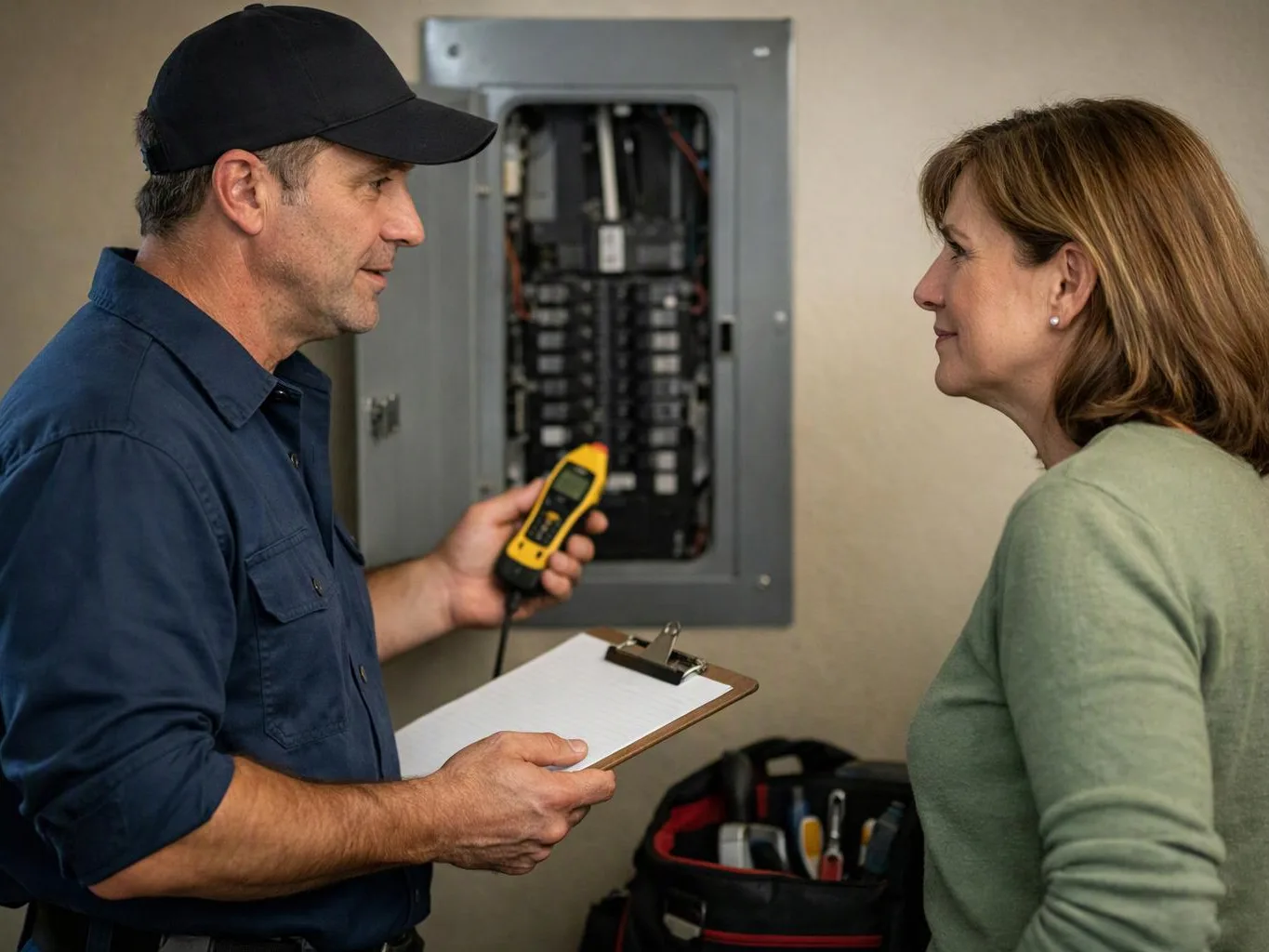
The visit moves from symptom review to inspection, circuit tracing, testing, and a defined repair scope. We first record the affected devices and recent changes. Next, we check the panel and circuit path. Testing then isolates the fault, and we explain the repair or related electrical work needed.
Which material changes how long electrical troubleshooting takes?
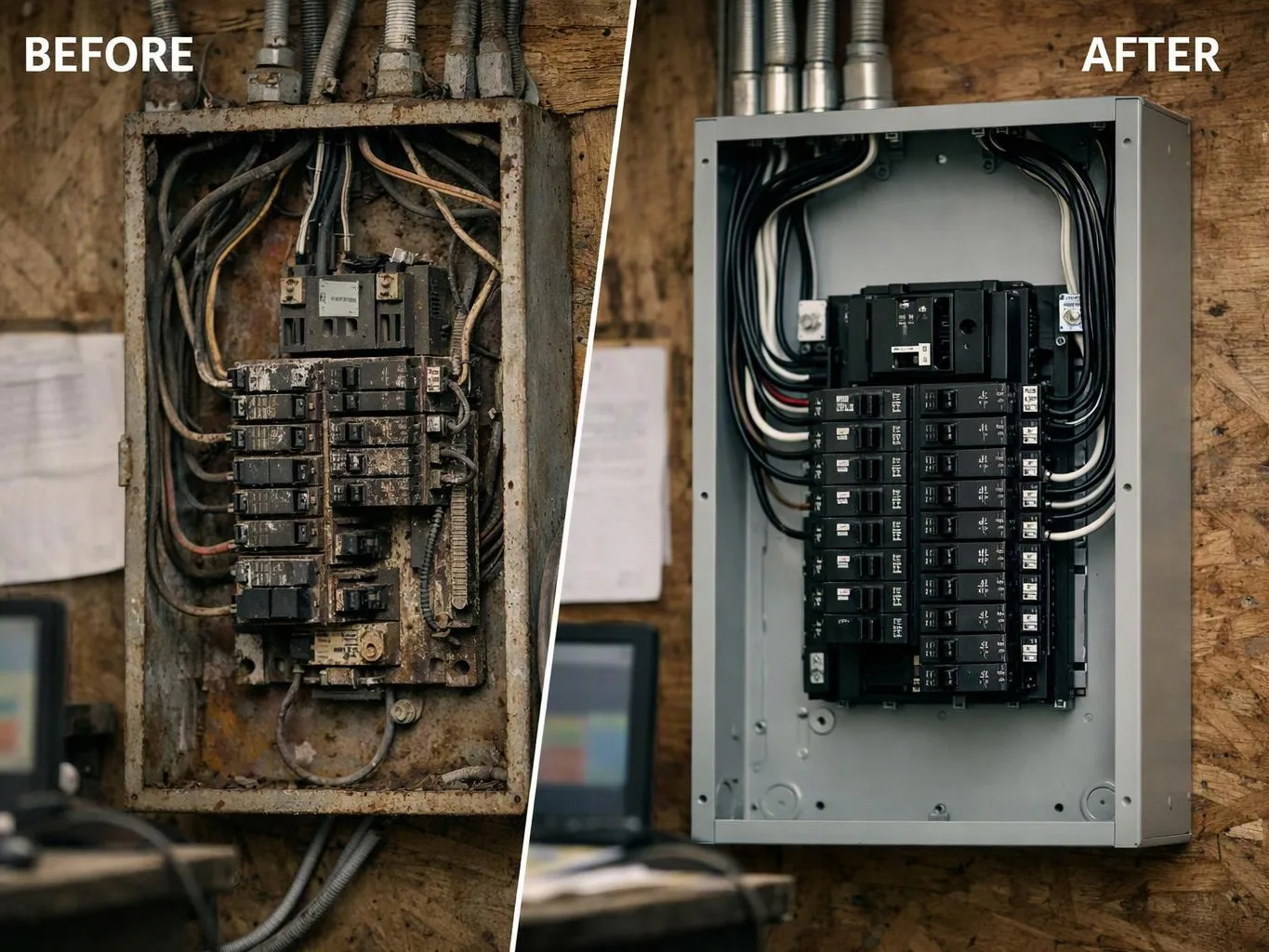
Wiring condition changes the work needed because damaged insulation, aluminum wiring, or old connections can extend the fault path. We inspect the conductors, terminals, devices, and panel before defining the scope. Access also matters when circuits run through finished walls or crowded equipment areas.
How can I tell whether electrical troubleshooting fits my property?
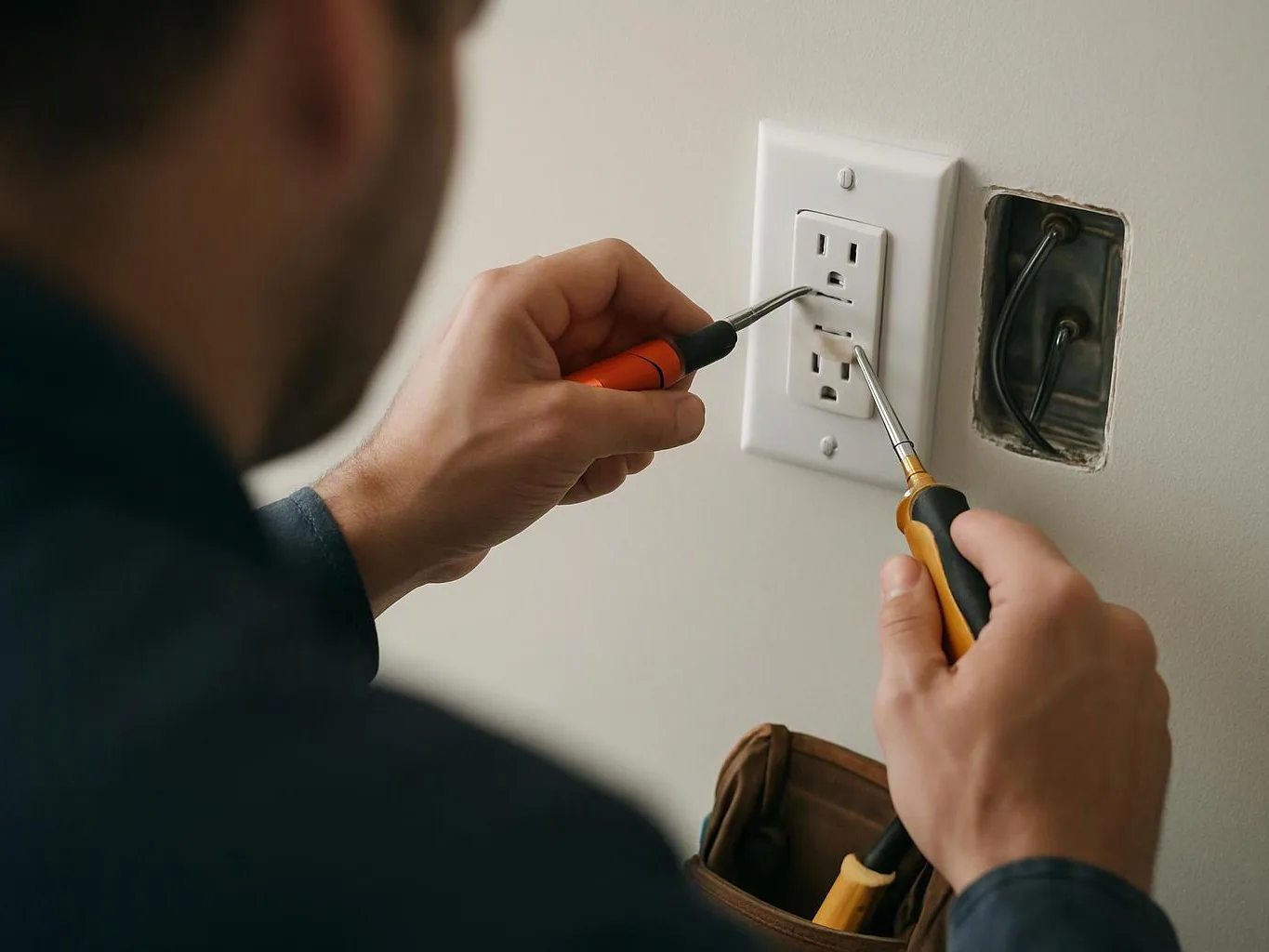
Electrical troubleshooting fits when power problems affect a specific circuit, device, room, or panel. Flickering lights, dead outlets, repeated breaker trips, and buzzing equipment are useful starting symptoms. A wider outage may involve the utility, while a property-wide fault needs an electrical system assessment.
What should I do before requesting an electrical fault check?
Record the affected fixtures and keep unsafe equipment switched off before requesting an assessment. Do not open the panel or remove outlet covers. Note any breaker position, burning smell, warm plate, buzzing sound, or recent installation, and keep clear access to the panel.
When does a breaker problem need urgent attention?
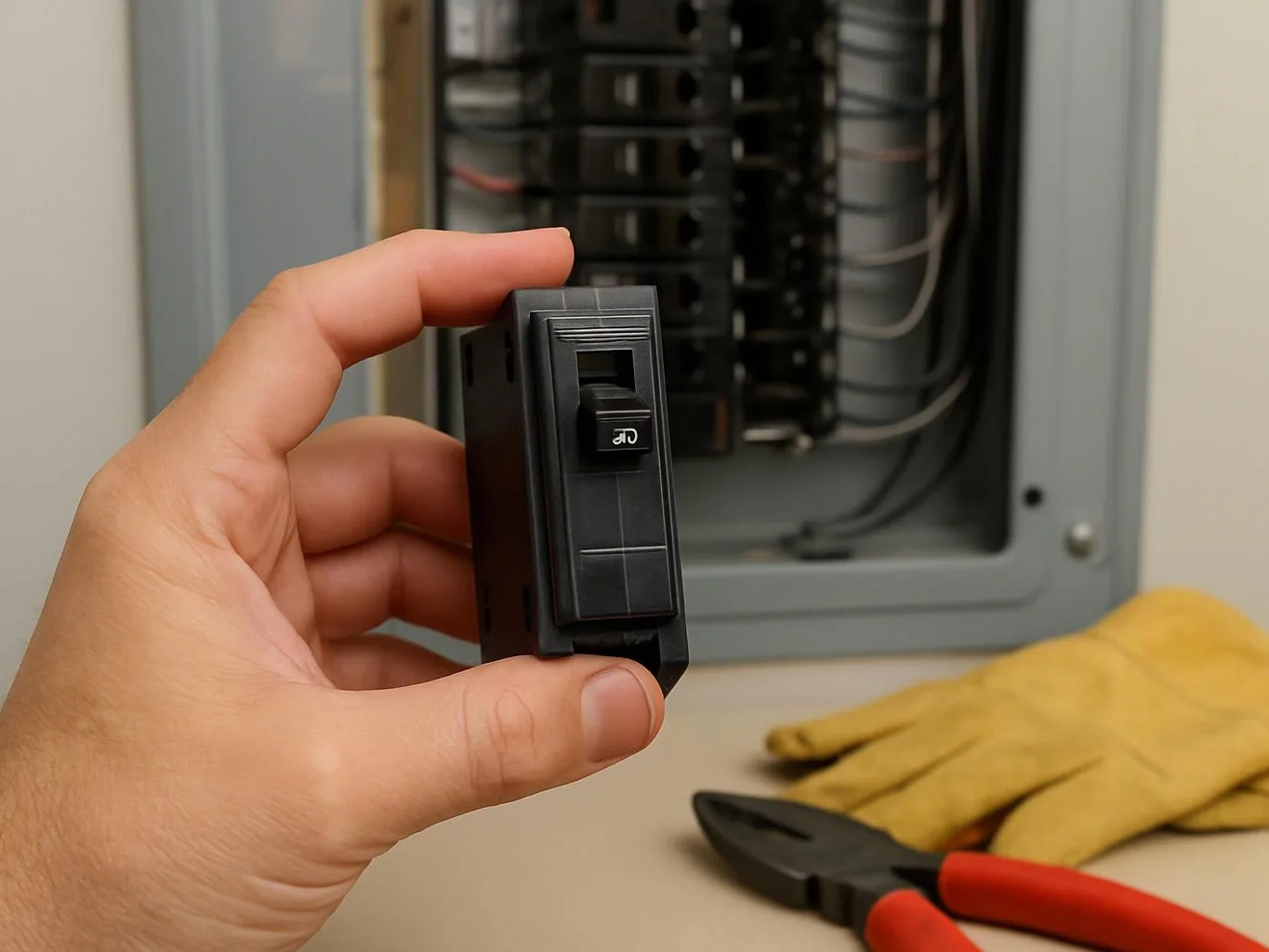
A breaker problem needs urgent attention when it comes with heat, smoke, sparking, a burning smell, or repeated trips. Stop using the affected circuit if it is safe to do so. We inspect the panel, wiring, connected devices, and fault path to set the next repair step.