What to Do Before an Electrician Arrives
Before an electrician arrives, protect people from electrical hazards, avoid unsafe repairs, document what happened, clear access to affected areas, and give GMB Electric the relevant details so our team can troubleshoot safely.
Request an EstimateWhat Should You Do First During an Electrical Emergency?
Electrical emergencies require immediate attention to people and safety, and GMB Electric can handle the electrical troubleshooting after the area is secure.
Move people away from smoke, fire, sparking, exposed conductors, or water near electrical equipment. Contact emergency services when there is an immediate threat, such as an active fire, heavy smoke, or an electric shock.
Do not touch an injured person who may still be in contact with electricity. Do not enter an area with water near electricity until emergency responders or our team confirms that it is safe.
How to Make the Electrical Area Safe Before We Arrive
Safe preparation gives our crew room to inspect the electrical equipment without exposing you to added risk. Use only actions that you can complete without touching damaged wiring or standing near water.
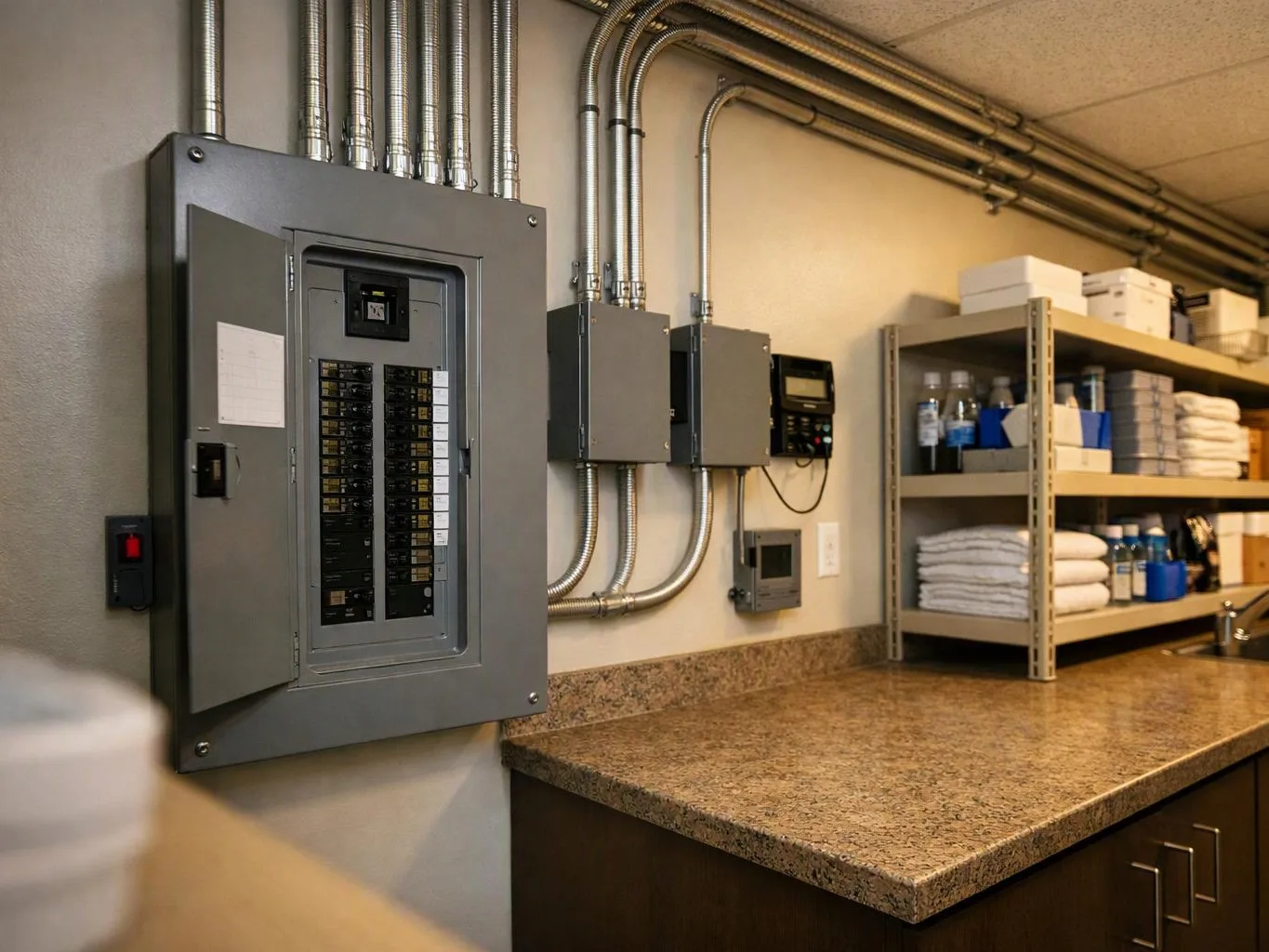
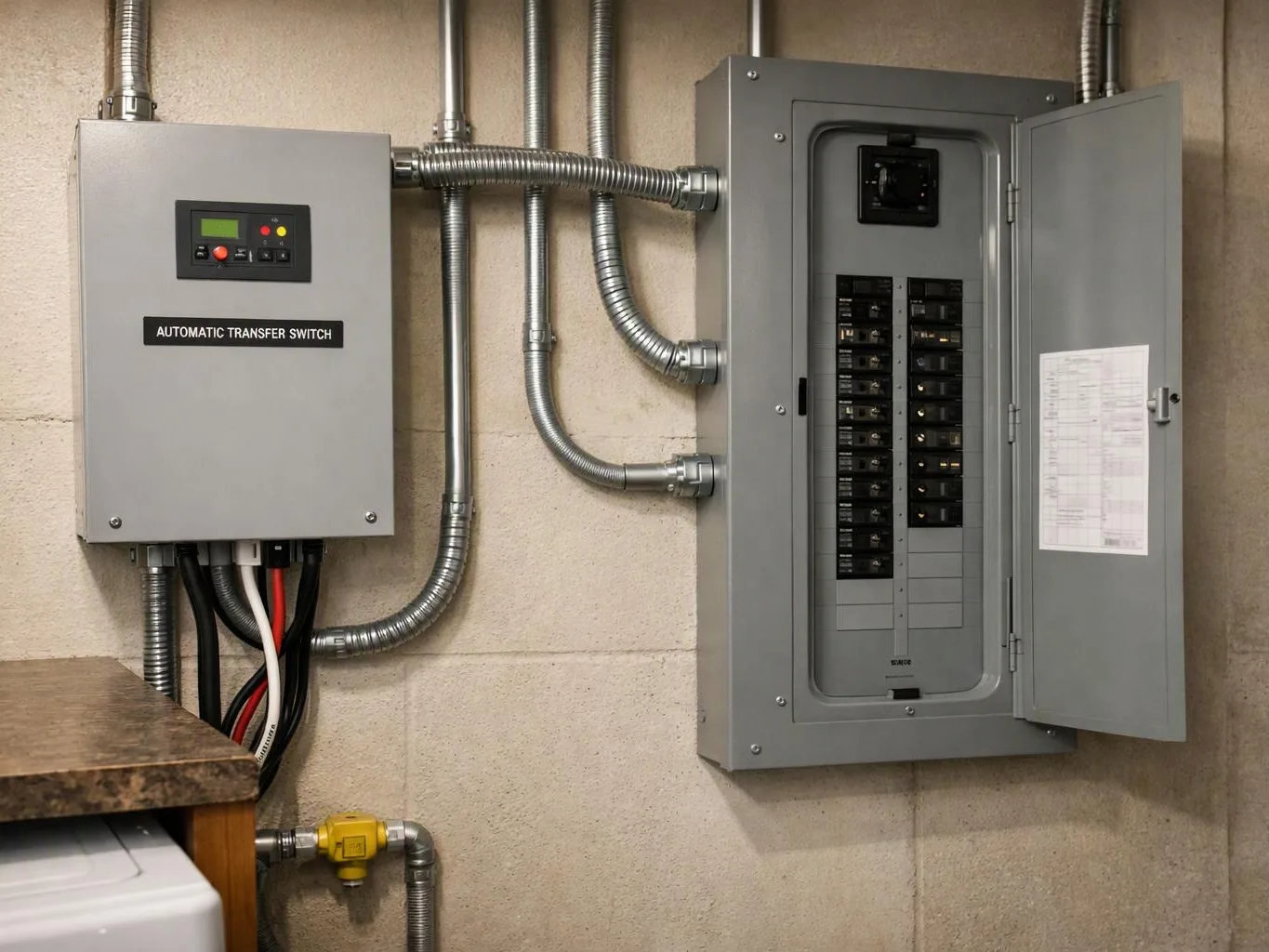
Our crew will decide whether the electrical panel or circuit breaker can be safely operated when conditions are unclear. A water leak, burning smell, smoke, or active sparking requires greater caution.
What Information Should You Give GMB Electric by Phone?
Electrical symptoms help GMB Electric prepare for troubleshooting, so describe the affected location, what changed before the problem began, and any immediate safety concern.
Tell us whether the issue involves a power outage, power loss in part of the home, a tripped breaker, a burning smell, a buzzing sound, flickering lights, or a sparking outlet. Mention the appliance, switch, light fixture, or outlet connected to the problem.
Share whether anyone noticed smoke, heat, visible damage, or an exposed wire. Recent electrical work, a new appliance, water intrusion, or unusual weather can also help our team narrow the fault diagnosis.
For urgent electrical service, describe what is happening now and what has already been switched off. We use that symptom history to plan the electrical inspection and protect the access area.
What Should You Photograph or Write Down?
Photos and notes give our team useful context before we begin testing. Take pictures only from a safe position, and never remove a cover or move damaged equipment to get a clearer image.
Our team compares these details with the conditions we find during diagnostic testing. A clear timeline can help separate a single equipment fault from a wider branch circuit problem.
How Should You Prepare Your Home for the Electrical Visit?
Safe access starts with a clear path to the electrical panel and the affected fixtures, while children and pets stay away from the work area.
Move storage, furniture, or other obstacles away from the panel, outlet, switch, light fixture, or appliance involved in the electrical issue. Keep relevant appliances accessible without operating equipment that smells hot, sparks, buzzes, or shows visible damage.
Secure pets and supervise children in another area of the home. Tell our team about water leaks, recent repairs, unusual sounds, or equipment that cannot be safely moved.
We may need room to perform an electrical inspection and test related parts of the system. Clear access helps us examine the fault without creating new hazards.
What Happens When GMB Electric Arrives?
Electrical inspection begins with our review of the reported symptoms and a visual check of the affected components.
Our team performs appropriate electrical testing to trace the fault and identify whether the issue involves a circuit breaker, branch circuit, outlet, switch, wire, appliance, or light fixture. We use the findings to complete a fault diagnosis and explain the available repair options.
We discuss the repair path with you before work proceeds. Electrical safety remains part of every decision, including whether equipment should remain disconnected while we complete the electrical repair.
For a power-loss diagnosis or emergency electrical repair, you can contact Emergency Electrical Repair and share the details you recorded.
What Should You Do After the Electrical Repair?
After an electrical repair, confirm the affected area is safe and follow the instructions our team gives you for normal use.
Our team can explain what signs require another inspection and what routine care supports electrical safety. Do not continue using equipment that becomes hot, noisy, discolored, or damaged.
Questions About Preparing for an Electrician
Should I reset a tripped breaker before the electrician arrives?
GMB Electric recommends resetting a tripped breaker only when the panel is dry, accessible, and free from smoke, heat, visible damage, or unusual sounds. Leave the breaker off and keep away from the panel if the cause is unclear or the area is unsafe.
Can I use an outlet that is warm, discolored, or making noise?
No, stop using an outlet that is warm, discolored, buzzing, sparking, or visibly damaged. Keep people away from it and contact us for inspection and safe repair.
What should I do if water reaches an electrical outlet?
Move people away from the area and do not touch the outlet, nearby switches, or electrical equipment. Contact emergency services if there is an immediate threat, and contact us after the area is secure so we can inspect the electrical system.
Should I unplug appliances before electrical troubleshooting?
Yes, unplug an appliance only when the plug and outlet are dry, cool, undamaged, and safe to reach. Leave the appliance connected if unplugging it would expose you to sparks, heat, water, or damaged wiring.
What should I have ready for an emergency electrical repair visit?
Have the symptom history, photos taken from a safe position, information about recent electrical work, and access to the affected area ready. Keep children and pets away, and tell our team about smoke, sparks, water, heat, or exposed wires when you contact us.
Contact GMB Electric with the affected location, the symptoms you observed, and any immediate safety concern. Our team will use those details to plan the next step for electrical troubleshooting or emergency electrical repair.