Emergency Electrical Repair Mistakes That Can Make the Problem Worse
Emergency electrical repair mistakes include resetting a repeatedly tripping breaker, touching damaged wiring, using the wrong replacement part, and hiding warning signs; GMB Electric identifies the hazard, isolates the affected circuit, and explains the repair needed.
Request an EstimateWhy Emergency Electrical Repair Mistakes Make Problems Worse
Emergency electrical repair mistakes make problems worse when they bypass circuit protection, disturb damaged components, or delay identifying the source of the fault. GMB Electric makes the area safe, checks the electrical hazard, and protects the circuit before we decide on a repair.
Improvised work can turn a small wiring problem into property damage or a wider circuit failure. Our team uses circuit isolation and diagnostic testing to separate the fault from equipment that may still be safe to use.
Which Mistakes Increase Electrical Repair Risk and Cost?
Electrical repair risk and cost increase when an action expands the damaged area, conceals the original fault, or creates additional troubleshooting work. The repair scope depends on what failed and what the attempted fix changed.
| Mistake | Why it increases risk | How we correct it |
|---|---|---|
| Resetting a breaker repeatedly | The fault remains active and may damage equipment. | We test the circuit and locate the overload, short circuit, or ground fault. |
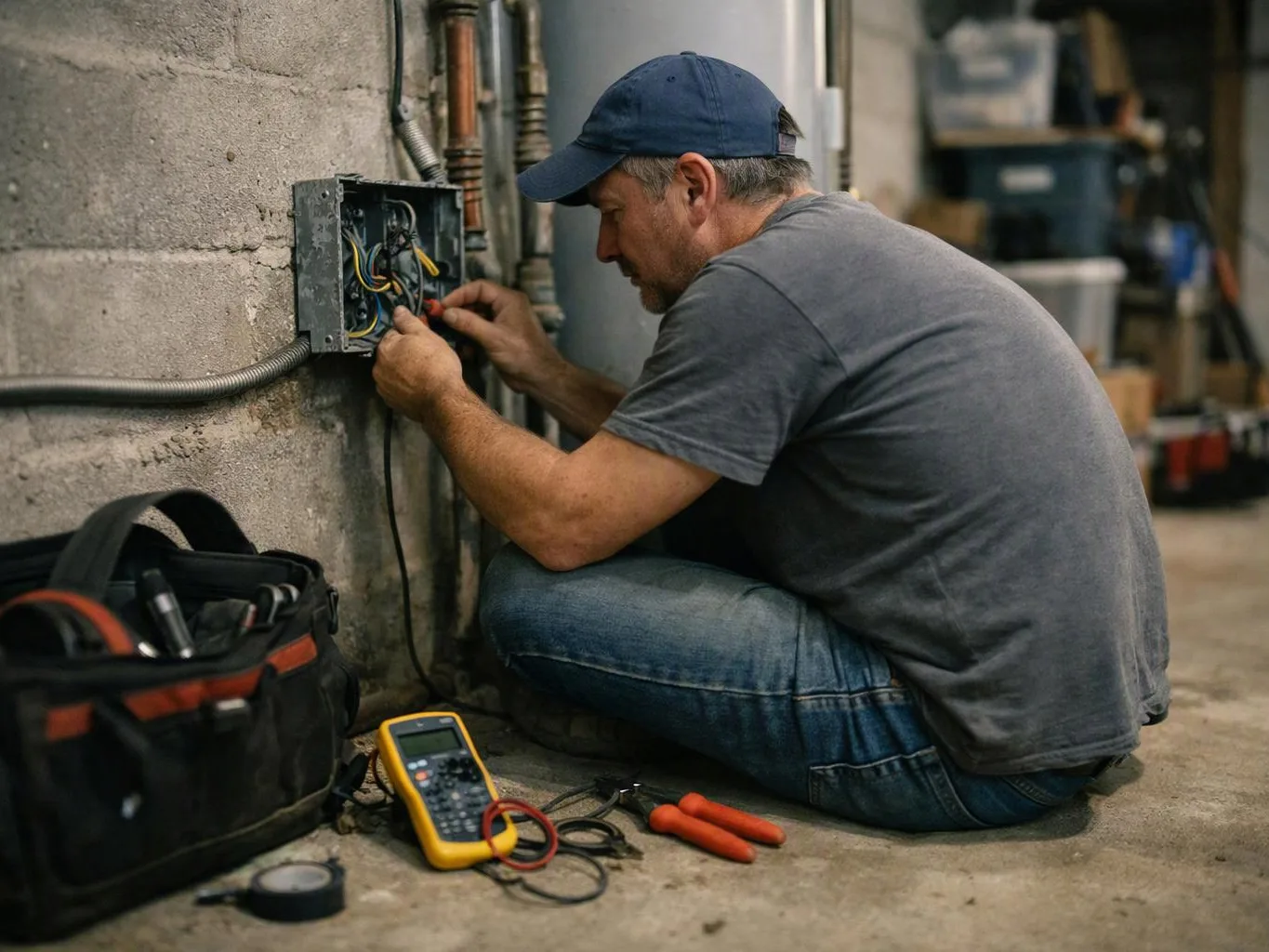
| Touching damaged wiring | Contact with an energized conductor can cause shock or a short. | We isolate power and inspect the damaged wiring. |
| Replacing a part without finding the fault | The replacement may fail while the original problem continues. | We trace the circuit and verify the replacement component. |
| Covering water-damaged equipment | Moisture and corrosion can remain hidden inside the equipment. | We assess the water damage before restoring power. |
Resetting a Breaker That Keeps Tripping
A circuit breaker that trips again is warning of an overload, short circuit, or ground fault. Repeated resetting can keep a dangerous fault energized and add stress to electrical equipment.
We stop the repeated breaker trip by isolating the circuit and testing connected loads. Our team traces the fault source before we recommend a safe reset or repair.
Touching Exposed or Damaged Wiring
Exposed wire and damaged insulation can place an energized circuit within reach. Touching the conductor or moving the damaged cable creates an electric shock risk and may worsen the fault.
You should keep people away from the area and avoid contact with the wiring. We isolate the circuit, inspect the damage, and repair or replace affected electrical wiring as the condition requires.
Removing a Panel Cover Without Isolating Power
Removing an electrical panel cover without isolating power can expose you to an energized component and arc flash. The service disconnect may not remove power from every part of the panel.
We identify the boundaries of the energized equipment before opening or testing the panel. Our crew uses circuit isolation and controlled voltage testing to reduce shock and arc flash risk.
Installing the Wrong Fuse or Breaker
A fuse or circuit breaker must match the circuit design and required amperage. Installing a larger protective device can defeat overcurrent protection and allow wiring to overheat.
We check the conductor size, circuit condition, and replacement component before restoring protection. We also investigate why the original fuse or breaker operated.
Using Extension Cords as Permanent Wiring
An extension cord is intended for temporary power, not permanent wiring. A cord can overheat when its electrical load exceeds its design or when it is damaged, covered, or poorly connected.
We inspect the circuit supplying the equipment and identify a safer wiring solution. Our team checks connections, load demands, and the condition of the receptacle.
Ignoring Burning Odors, Heat, or Discoloration
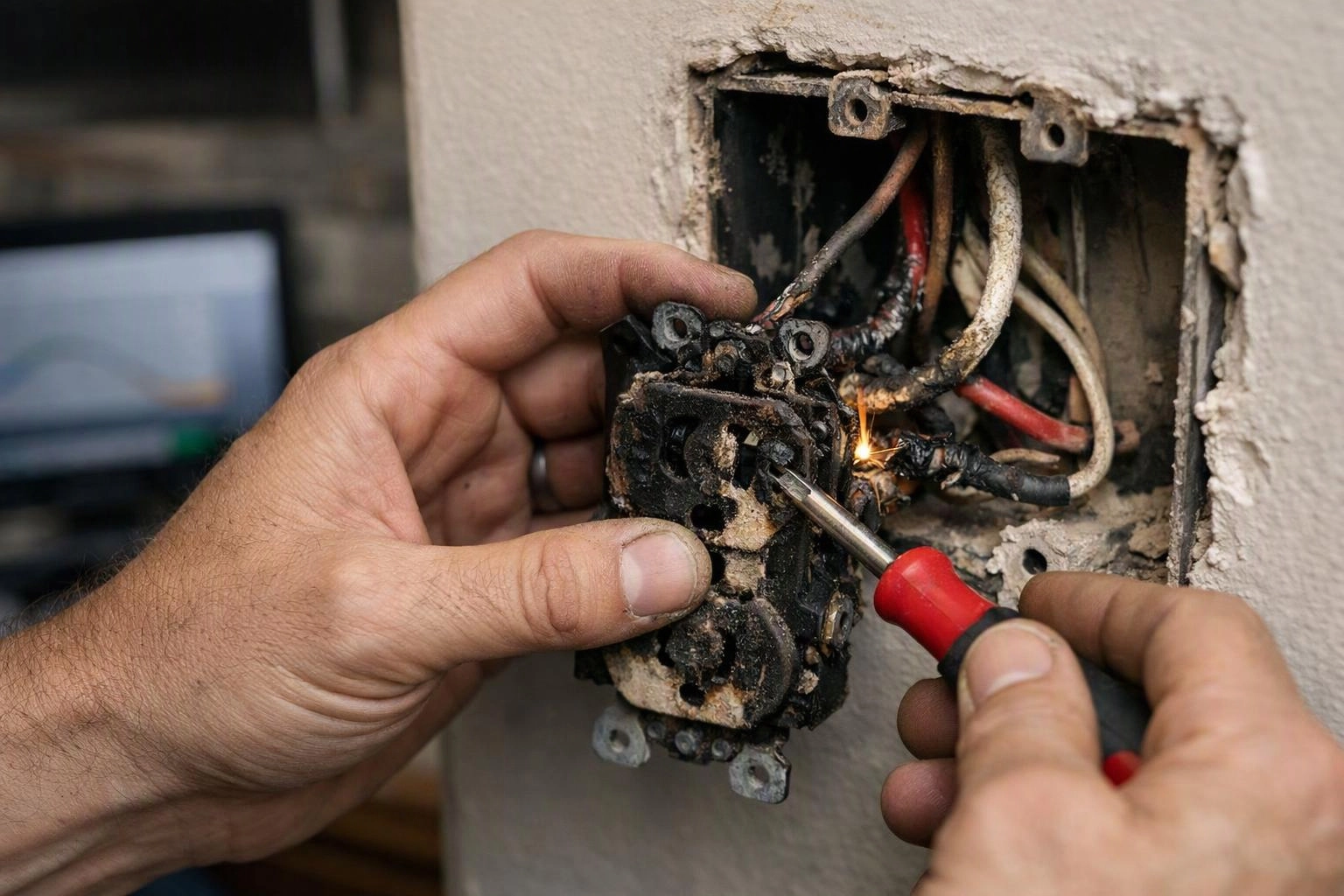
A burning smell, warm outlet, or discolored receptacle can signal overheating or a loose connection. Continuing to use the circuit can increase the fire hazard and damage nearby materials.
Turn off the affected equipment if you can do so safely and keep away from signs of smoke or sparking. We inspect the outlet, connections, and upstream wiring to locate the heat source.
Replacing an Outlet Without Finding the Fault
Replacing an electrical outlet does not correct a loose connection or downstream circuit fault by itself. The new receptacle may fail if the wiring problem remains.
We test the receptacle and trace the circuit beyond the outlet. Our team checks connections and protective devices before installing a suitable replacement.
Covering Water-Damaged Electrical Equipment
Water-damaged wiring and electrical panels can contain moisture intrusion and corrosion after the surface appears dry. Covering the damage can hide a continuing shock, short circuit, or fire risk.
Do not turn wet electrical equipment back on. We isolate the affected area, inspect the panel and wiring, and determine whether damaged components can be safely repaired or need replacement.
Guessing at a Power Outage Cause
A power outage may result from a utility interruption, a service panel fault, or a problem within the property. Guessing can lead to unsafe resets and delay accurate electrical troubleshooting.
We separate a utility-related power interruption from an internal fault by checking the service panel and affected circuits. Our team records what changed and tests the likely failure points.
What Should You Do Before Electrical Help Arrives?
Before electrical help arrives, protect people from the hazard, avoid contact with damaged equipment, isolate power only when it is safe, and record what changed. These steps help preserve evidence of the fault without creating new danger.
When Should You Call GMB Electric Instead of Repairing It Yourself?
Call GMB Electric when an electrical emergency involves exposed conductors, smoke or burning, water near electrical equipment, or a fault that returns after a safe reset. These conditions can involve electrical fire risk or electric shock risk.
How GMB Electric Diagnoses an Emergency Electrical Problem
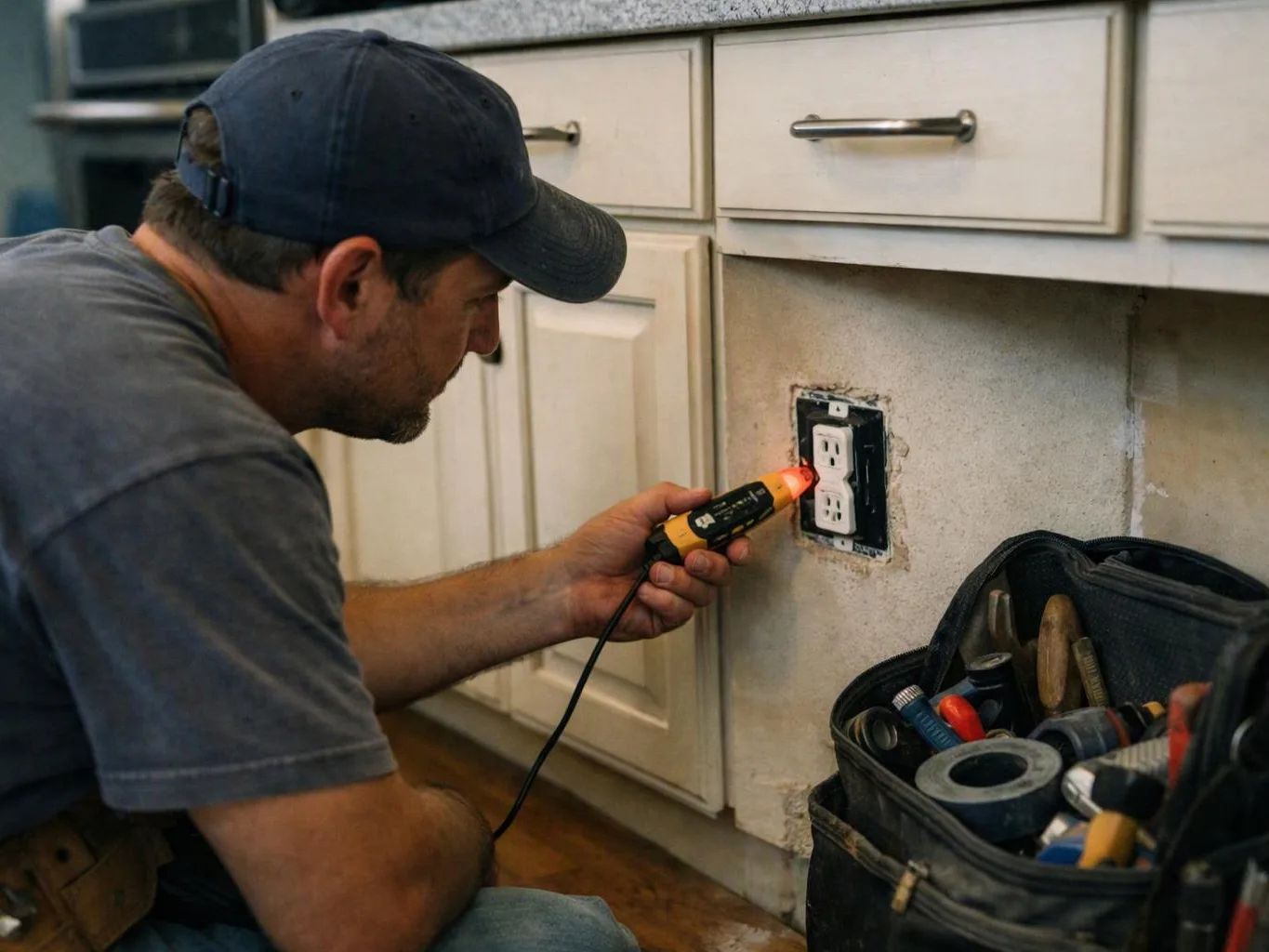
GMB Electric diagnoses an emergency electrical problem by making the area safe, tracing the affected circuit, testing likely failure points, and explaining the repair scope before work proceeds. We begin with an electrical inspection that focuses on immediate hazards.
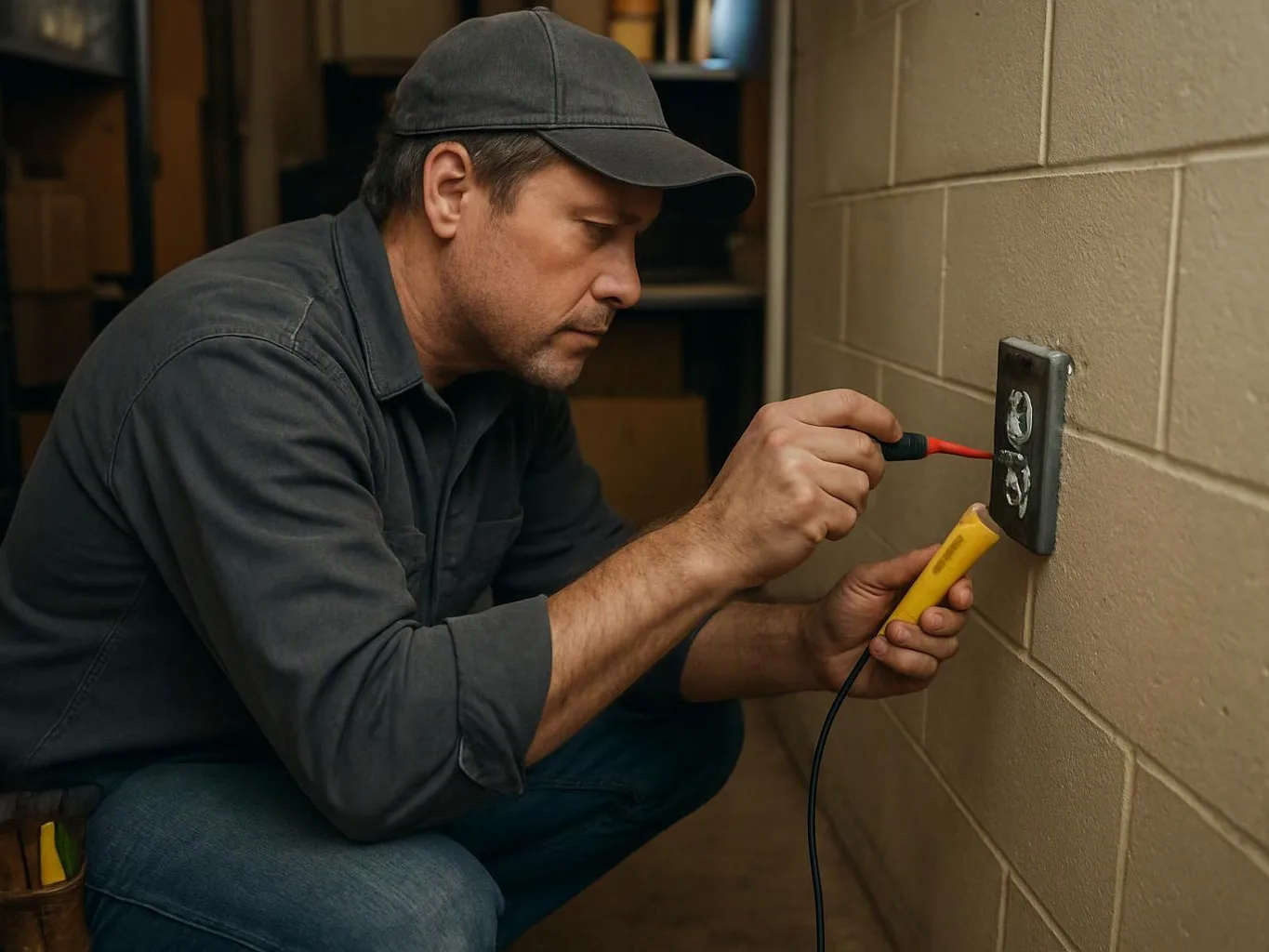
Our team uses voltage testing and circuit tracing to follow the fault from the panel toward the affected equipment. We identify the failed component, check related connections, and explain the repair estimate before the work proceeds.
Electrical Troubleshooting can involve a breaker, fuse, receptacle, appliance connection, or damaged wiring. We base the repair decision on the condition we find, not on a guessed fault.
What Changes the Cost of Correcting an Electrical Repair Mistake?
The cost of correcting an electrical repair mistake depends on the original fault, the additional damage, the parts involved, and how much wiring access the repair requires. Circuit condition also affects whether the work stays limited to one component or extends into connected wiring.
Our repair estimate explains the damaged components, access needs, testing, and repair scope. We inspect the fault before giving you a clear path to correction.
How Can You Prevent the Same Electrical Problem From Returning?
You can help prevent a recurring electrical problem by avoiding improvised repairs, reducing unsafe loads, documenting warning signs, and having the underlying circuit fault checked. A recurring breaker trip usually needs diagnosis instead of repeated resets.
We check circuit load, wiring condition, connections, and overcurrent protection when a problem returns. Our team can also explain maintenance steps that support electrical safety and help the circuit operate as intended.
Questions About Emergency Electrical Repair Mistakes
Is it safe to keep resetting a tripped breaker?
No, repeated breaker resets are not safe when the circuit keeps tripping. GMB Electric checks for an overload, short circuit, ground fault, or damaged equipment before restoring the circuit.
Can a power outage damage household wiring?
Yes, a power interruption or its return can reveal or worsen an existing wiring or equipment fault. We inspect the service panel and affected circuits when power returns with tripping, burning smells, unusual sounds, or damaged equipment.
What should you do if an electrical outlet smells burnt?
Stop using the outlet, keep away from smoke or heat, and isolate the circuit only when it is safe to do so. We inspect the receptacle, loose connections, and downstream circuit fault before the outlet is used again.
Can water-damaged electrical equipment be turned back on?
No, water-damaged electrical equipment should not be turned back on until it has been isolated and inspected. We check for moisture intrusion, corrosion, damaged insulation, and unsafe components.
Why does a circuit breaker trip again after being reset?
A circuit breaker trips again when an overload, short circuit, ground fault, damaged wiring, or faulty equipment remains on the circuit. We use voltage testing and circuit tracing to identify the fault source before recommending the repair.
GMB Electric provides emergency electrical repair with a safety-first approach to fault diagnosis, circuit isolation, and repair planning. Contact us when a wiring problem, panel fault, outlet failure, or power loss creates a hazard.
Contact GMB Electric for help with the affected circuit and the repair estimate.