Electrical Panel Repair Warning Signs and What to Expect
Electrical panel repair warning signs include repeated breaker trips, hot or noisy components, burning odors, rust, moisture, and visible damage. GMB Electric checks the panel, identifies the electrical fault, explains the repair, and completes the needed work safely.
Request an EstimateWhich Electrical Panel Warning Signs Need Attention?
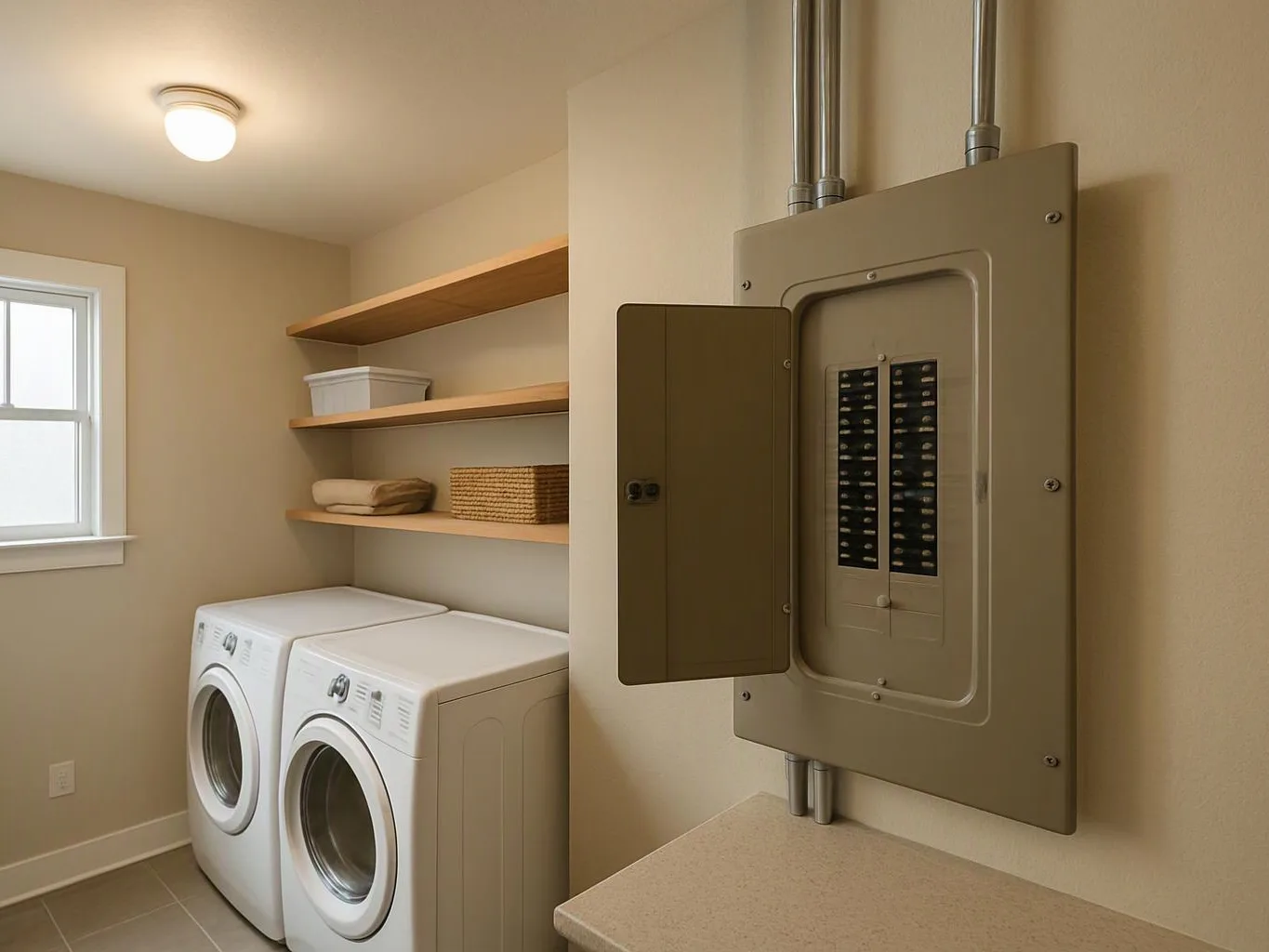
Electrical panel warning signs need attention when the panel shows heat, unusual sounds, burning odors, visible damage, moisture, rust, or repeated breaker trips.
Our team uses these symptoms to guide a safe inspection. Do not remove the electrical panel cover or touch damaged components.
What Should You Do When a Breaker Keeps Tripping?
Repeated breaker trips indicate an electrical problem that resetting the breaker may not solve, so stop repeated resets and arrange electrical troubleshooting with GMB Electric.
A breaker keeps tripping when a circuit may be overloaded or when a short circuit or ground fault is present. We trace the symptom, check the protective device, and determine whether the problem extends into the electrical wiring.
Keep affected equipment switched off until we complete the repair diagnosis. Repeated resets can allow a continuing fault to produce heat or additional damage.
Why Are Heat, Noise, or Odors Serious Panel Warning Signs?
Heat, noise, or burning odors from an electrical panel indicate abnormal electrical activity that requires prompt safety assessment.
Overheating can result from a loose electrical connection, damaged breaker, overloaded circuit, or arc fault. A buzzing breaker or burning smell can increase fire risk when the fault remains active.
We inspect the affected circuit and panel components to identify the source. If you see smoke or active sparking, move away from the panel and contact us for guidance.
How Do Rust and Moisture Affect an Electrical Panel?
Rust and moisture damage can weaken panel components and create unsafe electrical conditions, so the source of the moisture and the condition of the panel must be checked.
Water intrusion can affect the electrical enclosure, bus bar, breaker connections, and wiring. Corrosion may continue even after the visible moisture dries.
We identify the source of moisture, assess the damaged parts, and explain whether repair or panel replacement is appropriate. We do not energize components that cannot be safely tested.
How We Diagnose Electrical Panel Problems
GMB Electric diagnoses electrical panel problems by inspecting the panel, tracing the symptom, checking connections and protective devices, and identifying whether the fault extends into the wiring.
Our electrical inspection follows the symptom instead of assuming that the breaker itself is the cause.
What to Expect During Electrical Panel Repair
Electrical panel repair begins with diagnosis, continues with an explanation of the repair scope, and ends with testing the repaired circuit and panel components.
We explain whether the work involves a circuit breaker, panel connection, bus bar, or related wiring. Replacement components are selected to match the electrical system and the identified fault.
After completing the electrical connections, we perform circuit testing and verify that the repaired components operate as intended. Our team also explains any remaining condition that may require additional electrical work.
When Is Electrical Panel Repair Connected to Wiring Repair?
Electrical panel repair is connected to electrical wiring repair when the panel symptom comes from damaged, loose, incorrectly connected, or overloaded wiring.
A loose wire, damaged conductor, overloaded circuit, or short circuit can make a panel component appear to be the problem. We test the circuit path before deciding whether the repair belongs at the panel, in the wiring, or in both locations.
Our Electrical Panel Repair service addresses the panel and related electrical wiring when the diagnosis connects them.
Can You Check an Electrical Panel Yourself?
Yes, you can make a cautious visual check and note symptoms, but GMB Electric should handle panel covers, live components, wiring faults, and repair work.
Homeowner safety starts with observation from outside the enclosure. Do not remove the electrical panel cover because exposed parts can cause electrical shock even when a breaker appears off.
| Safe observation | Avoid |
|---|---|
| Note burning odors, buzzing, heat, rust, moisture, scorch marks, and breaker operation from outside the cover. | Do not remove the cover, touch wiring, tighten connections, or test live components. |
| Switch off affected equipment and record what happens when the circuit trips. | Do not keep resetting a breaker that trips repeatedly. |
DIY Checks Compared With Electrical Panel Repair
DIY checks are limited to safe observations and basic information gathering. Electrical panel repair requires electrical troubleshooting, controlled testing, and work on equipment that may remain energized.
Our team uses the information you provide to focus the inspection and determine whether electrical wiring repair is also needed.
| Factor | What you can do yourself | What we do |
|---|---|---|
| Visual inspection | Observe the enclosure and note symptoms. | Inspect components, connections, and related wiring. |
| Breaker operation | Avoid repeated resets and switch off affected equipment. | Test protective devices and trace the circuit fault. |
| Electrical troubleshooting | Share symptoms, recent changes, and affected equipment. | Complete diagnosis, repair, and circuit testing. |
What Changes the Cost of Electrical Panel Repair?
The cost of electrical panel repair depends on the fault location, panel condition, parts required, wiring damage, and access needed for the work; GMB Electric can explain the repair scope and provide an exact quote.
A simple component issue may require a different scope from corrosion, damaged conductors, an overloaded circuit, or a panel replacement. Access can also affect the work because we must reach the panel and related wiring safely.
We review the diagnosis, replacement parts, electrical connections, and testing included in the repair quote before work begins.
Electrical Panel Warning Signs in Older Homes
Electrical panel warning signs in older homes can reflect aging components, outdated wiring, inadequate grounding, or electrical capacity that no longer suits the home.
An older home may have obsolete breakers, aluminum wiring, worn connections, or grounding conditions that need closer review. We assess the panel and wiring together so the repair addresses the actual electrical system.
Our inspection can show whether the existing panel remains suitable or whether panel replacement is connected to broader electrical work.
When Should You Stop Using a Circuit?
Stop using a circuit when you notice smoke, sparking, a burning odor, unusual heat, or visible panel damage, and contact GMB Electric for electrical troubleshooting.
Switch off affected equipment if you can do so safely, and keep people away from the damaged area. Do not touch a hot breaker, wet panel, loose wire, or scorched enclosure.
These conditions can signal an active fire hazard or electrical shock risk. Our team can assess the panel and determine the safest next step.
How to Arrange Electrical Panel Repair
GMB Electric arranges electrical panel repair by reviewing the warning signs, assessing the panel and related wiring, explaining the recommended work, and providing an exact quote.
When you contact us, describe the affected circuit, breaker behavior, odors, sounds, heat, moisture, and visible damage. We use those details to plan the repair assessment and identify immediate safety concerns.
Our team then completes electrical troubleshooting, explains the repair scope, and performs the needed electrical panel repair or electrical wiring repair. Contact us through our contact page to request an assessment.
Questions About Electrical Panel Repair Warning Signs
Can a tripped breaker be a sign of a bad electrical panel?
Yes, a tripped breaker can signal a panel problem, but GMB Electric also checks for an overloaded circuit, short circuit, ground fault, or wiring fault.
Is a buzzing electrical panel dangerous?
Yes, a buzzing electrical panel can indicate overheating, an arc fault, or a loose connection that requires safety assessment.
What does a burning smell from an electrical panel mean?
A burning smell from an electrical panel can mean that a connection, breaker, conductor, or other component is overheating.
Can moisture damage be repaired in an electrical panel?
Moisture damage may be repairable when the source is corrected and the affected components remain safe, but GMB Electric must inspect the enclosure, wiring, and protective devices first.
Does an old electrical panel always need to be replaced?
No, an old electrical panel does not always need replacement; we assess its condition, capacity, grounding, breakers, and related wiring before recommending repair or replacement.
What information should I provide when requesting electrical panel repair?
Provide the affected breaker, repeated trips, burning smell, heat, buzzing, crackling, moisture, rust, scorch marks, and any recent electrical changes.