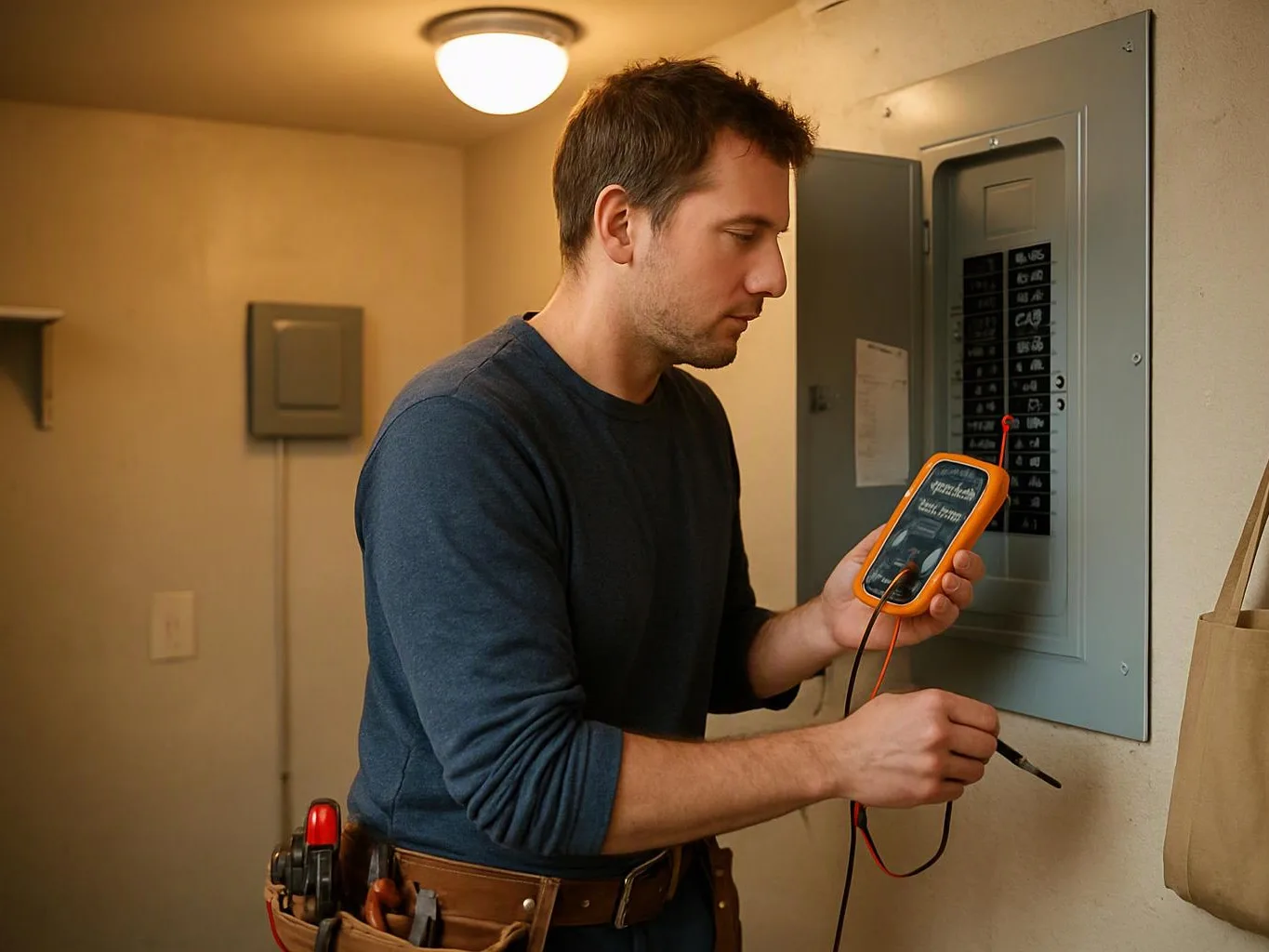
How do you diagnose an electrical problem?
Circuit testing diagnoses an electrical problem by tracing the affected path and checking voltage, continuity, and load behavior. GMB Electric starts with the reported symptom, then tests the related breaker, wiring, outlets, switches, or panel. The findings show whether the next step is a repair, replacement, or separate installation.
What should I do before electrical troubleshooting starts?
Safe access to the affected area helps electrical troubleshooting begin with fewer delays. Note which outlets, lights, or rooms are affected, and avoid using a damaged or warm device. Keep access clear to the panel if it is safe to do so, and share any recent resets or burning smells.
Which part of the property decides the troubleshooting scope?
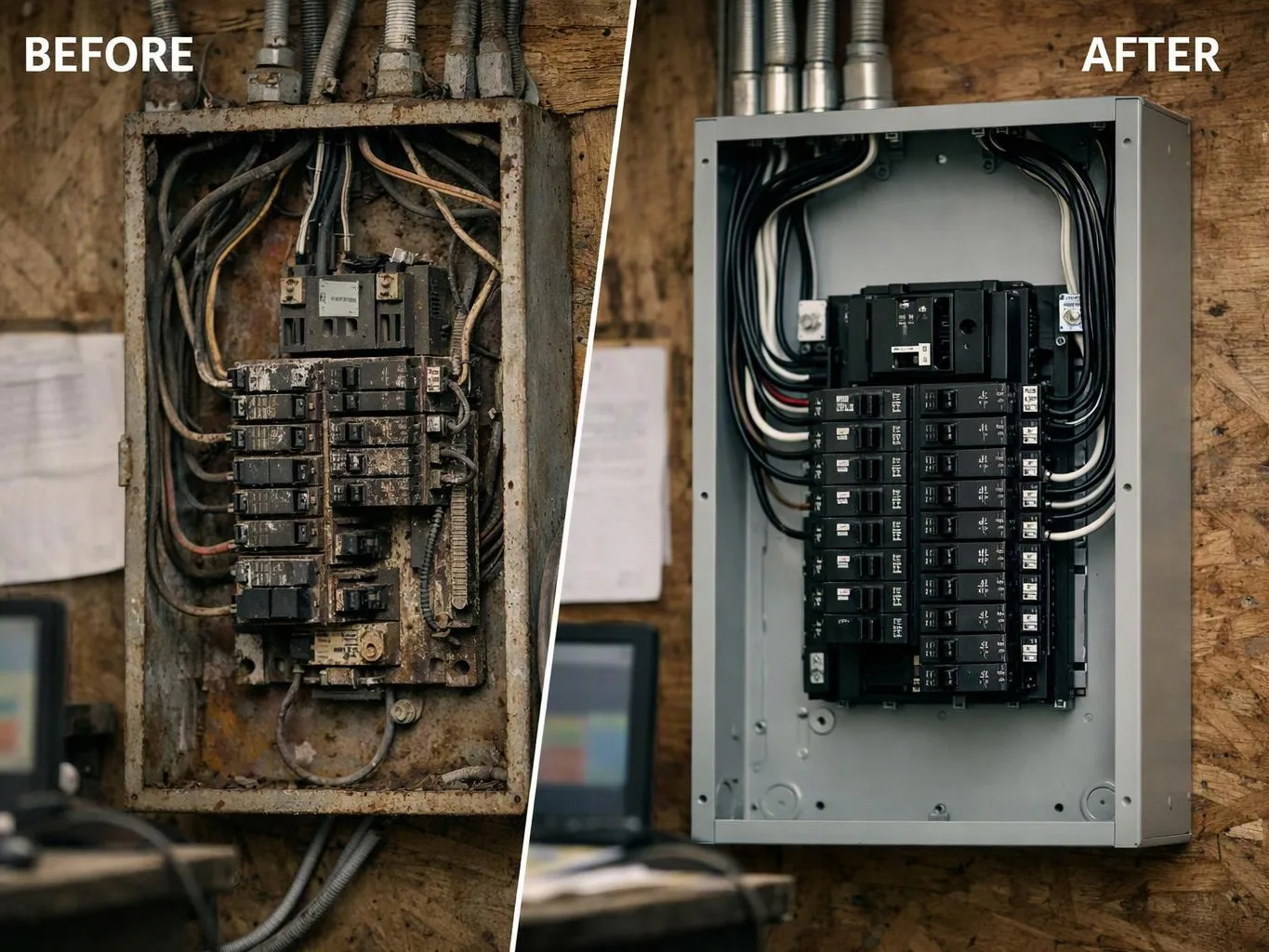
The affected circuit usually decides the troubleshooting scope. A single outlet may need a focused check, while repeated breaker trips can require testing from the panel through connected loads. Access to panels, outlets, switches, and equipment also affects which points we can inspect.
When does a power outage need an electrician?
A property-side outage needs an electrician when the utility supply is present but breakers, panels, wiring, or outlets do not work. Check whether nearby areas also lost power before requesting service. GMB Electric can diagnose faults inside the property, while utility-side problems belong with the utility company.
Why does a breaker keep tripping after I reset it?
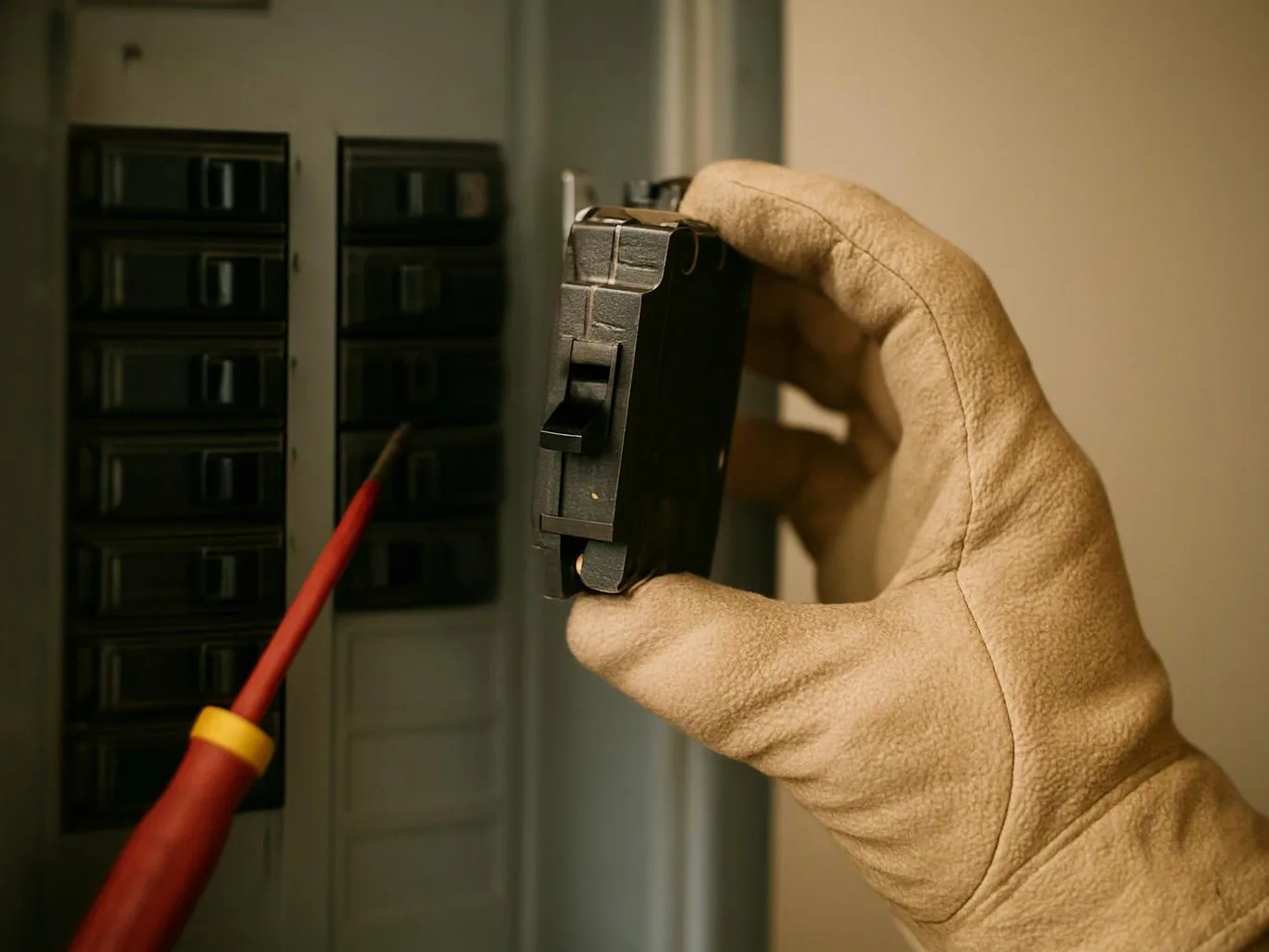
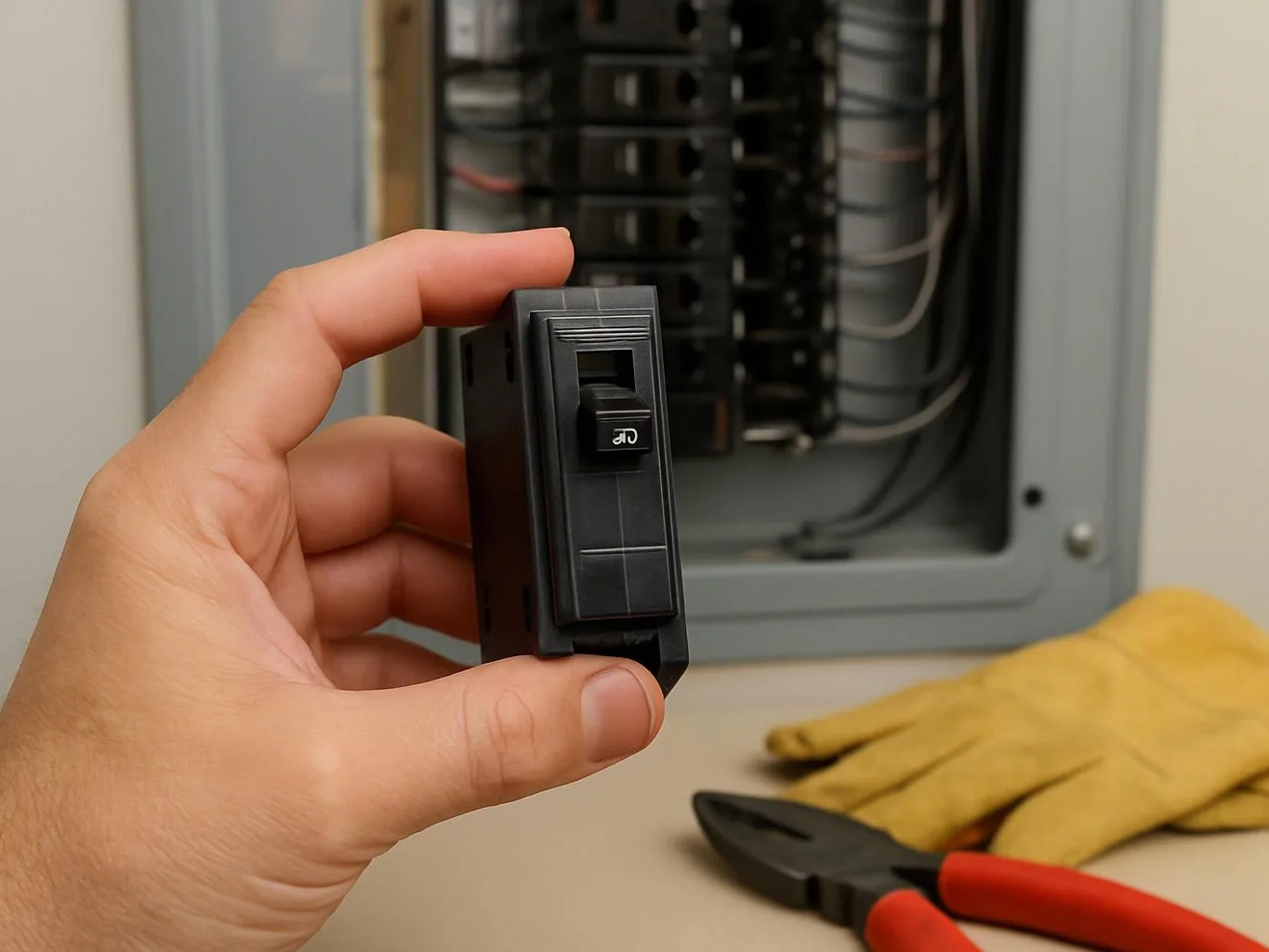
A breaker that keeps tripping signals a circuit condition that needs diagnosis. The cause may involve the connected load, wiring, a loose connection, or the breaker itself. Stop resetting it repeatedly, especially if you notice heat, buzzing, sparks, or a burning smell, and request electrical troubleshooting.
How does a troubleshooting visit move from the first call to the last step?
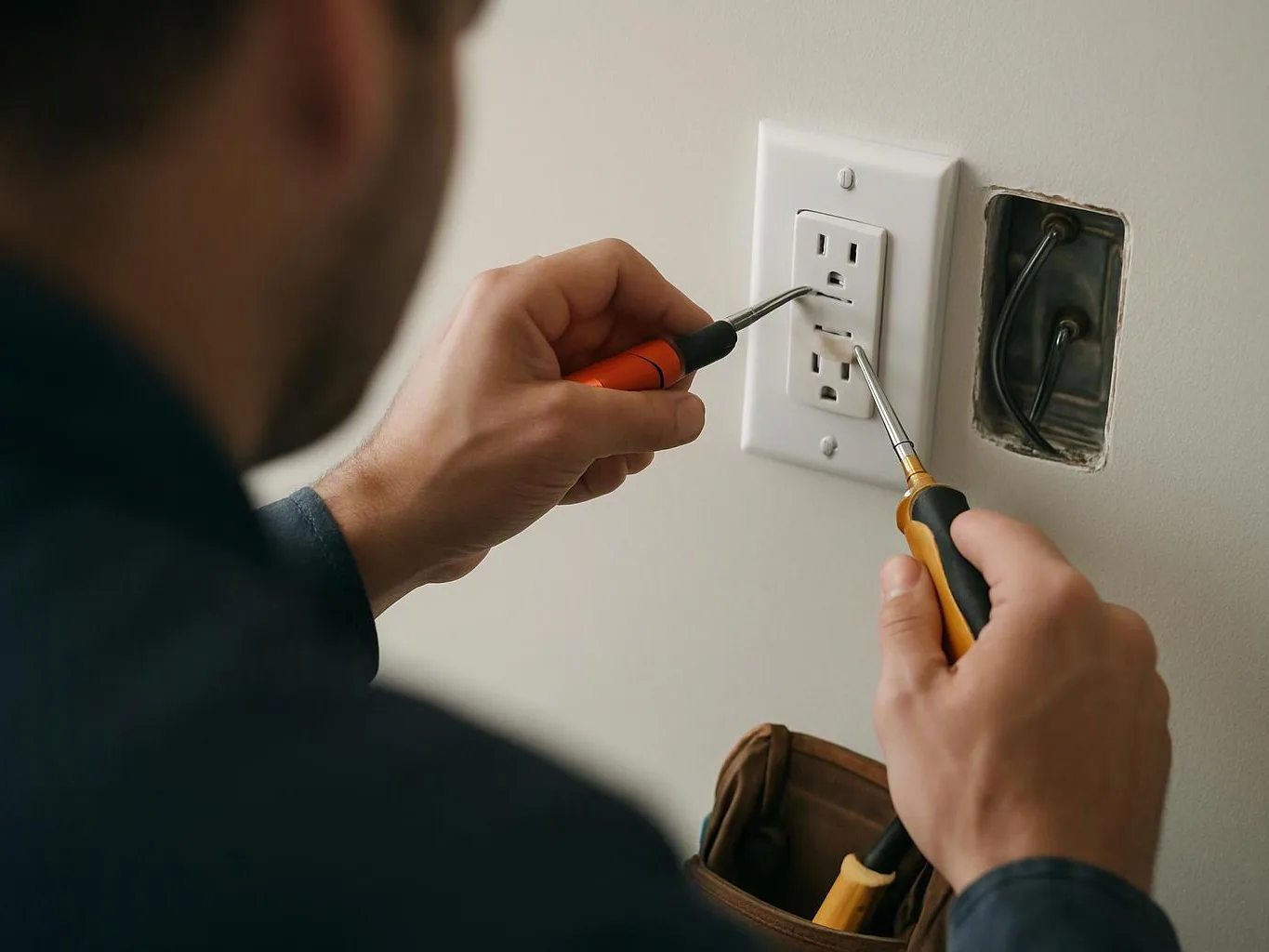
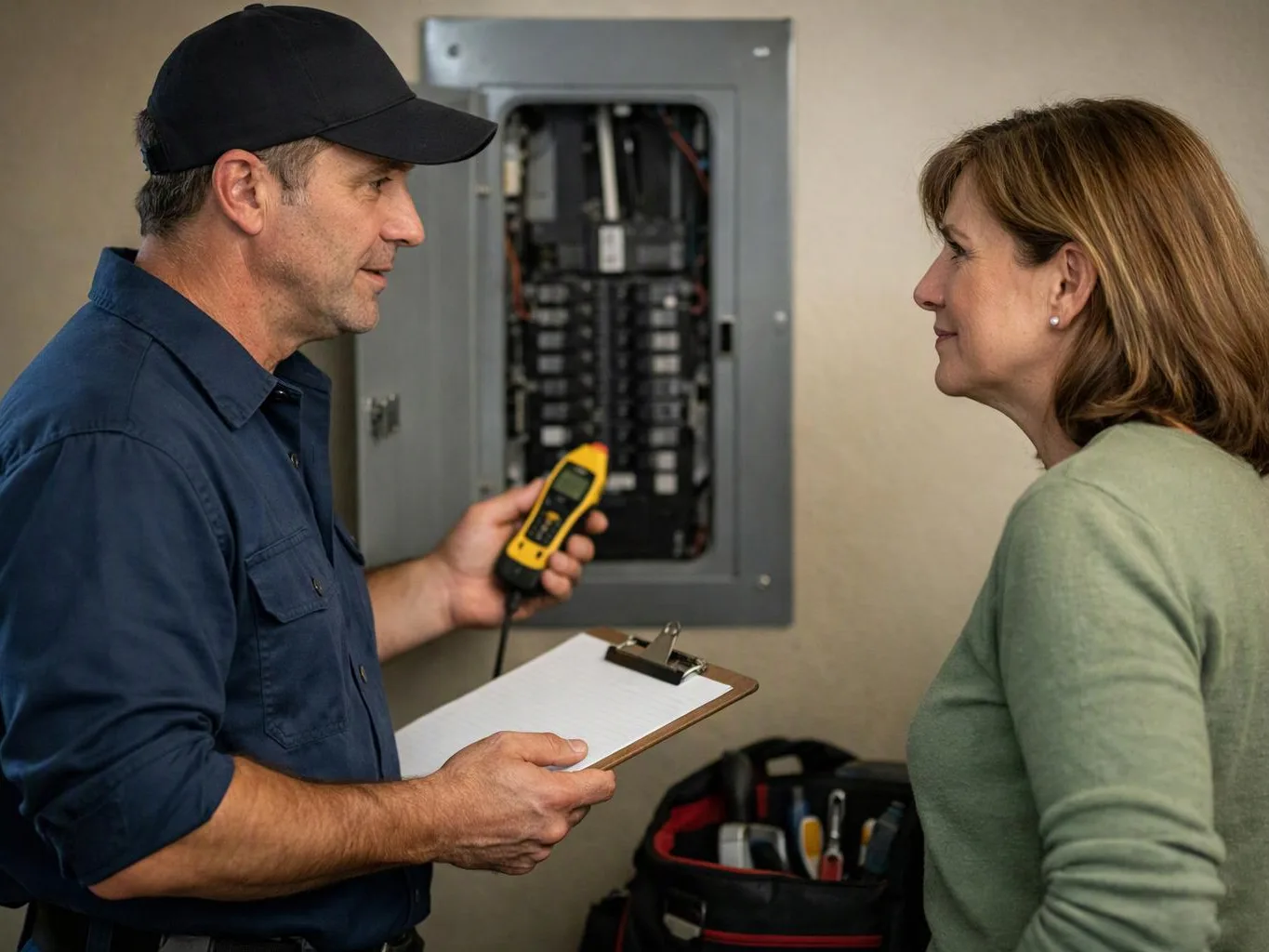
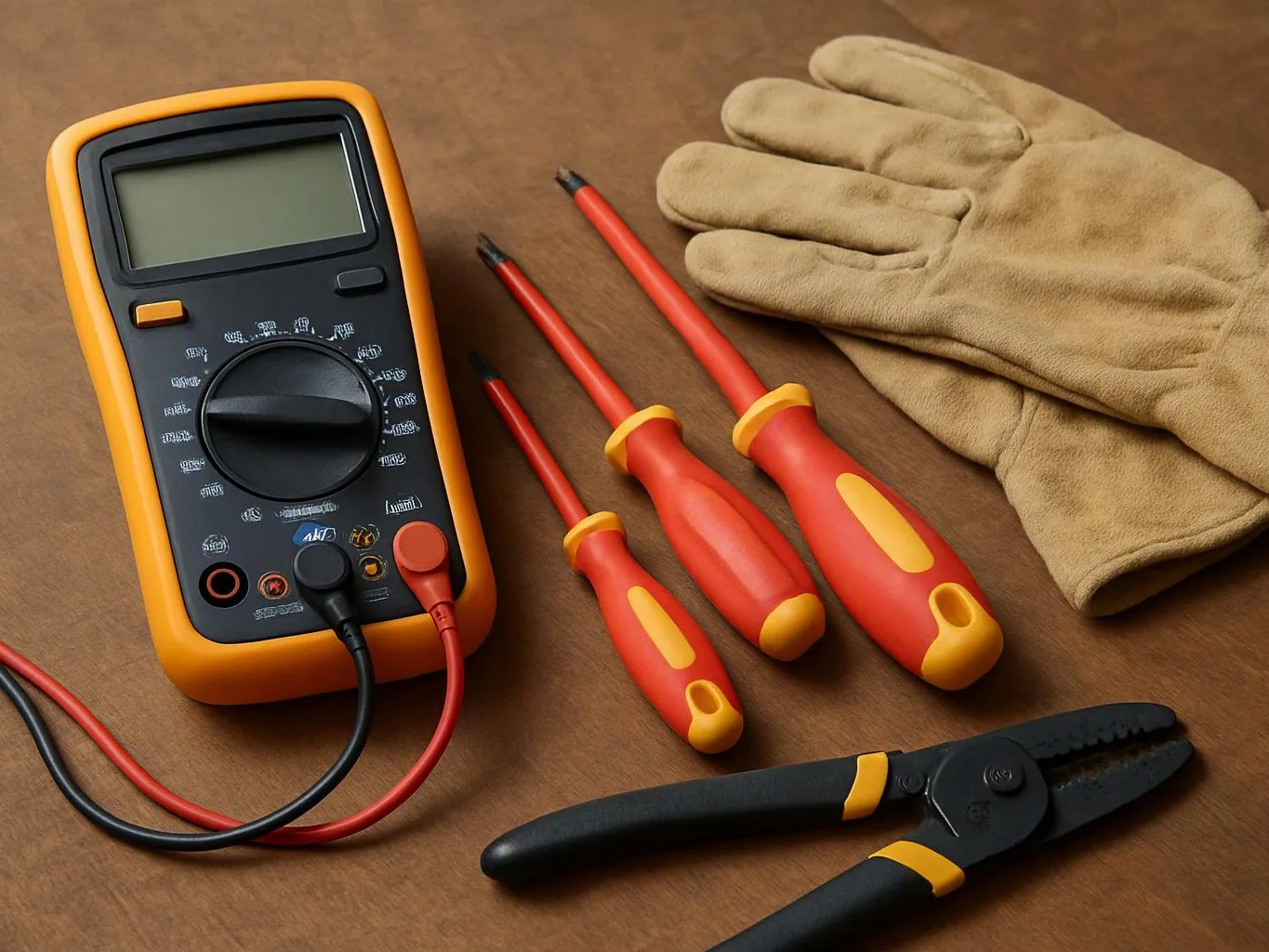
An electrical troubleshooting visit moves from symptom review to circuit testing, fault identification, and a repair decision. We record the issue, inspect accessible parts, test voltage and continuity, then explain the findings. Customers receive a clear scope for repair, replacement, or further electrical work.
Can troubleshooting fit both homes and commercial properties?
Electrical troubleshooting fits homes and commercial properties when a fault interrupts power or creates an unsafe electrical symptom. The property type affects access and the number of circuits involved. We diagnose the affected system and explain whether the issue needs a focused repair, panel work, or a broader improvement.