Skip to content

New Construction Electrical Installation in Broad Ripple, Indiana

Fire alarm wiring helps prevent missed safety coverage in Broad Ripple projects. We plan rough wiring, receptacle boxes, and service equipment before finishes hide the work.

Licensed & InsuredWarranty AvailableSame-Day ServiceUpfront, Transparent Pricing

Client Support and Delivery in Broad Ripple

New construction electrical installation in Broad Ripple is completed by GMB Electric for residential and commercial properties. The work covers rough wiring, fire alarm wiring, receptacle boxes, low voltage cabling, and service equipment, with free estimates available.

  • What we do: GMB Electric provides New Construction Electrical Installation for residential and commercial properties in Broad Ripple, Indiana.
  • What is included: rough wiring, fire alarm wiring, receptacle boxes, low voltage cabling, service equipment, and code-focused testing.
  • What you get: The finished property receives an organized electrical system that is ready for later fixtures, devices, and interior finishes.

Which electrical installations should be completed before interior finishes?

Fire alarm wiring, rough wiring, receptacle boxes, low voltage cabling, and service equipment should be planned before interior finishes cover the walls.
New Construction Electrical Installation for Broad Ripple Properties

New construction electrical installation is for a property being built, expanded, or fully rewired. The buyer needs a clear plan for circuits, outlets, lighting, fire alarm wiring, low voltage cabling, and the service equipment that supplies the building.

The key decision is timing. Wiring that sits behind drywall, cabinets, or ceilings must be placed and checked before those finishes go in. We review the plans, mark circuit paths, set boxes, and prepare the work for testing before the next trade closes the space.

This page focuses on the rough-in stage and the handoff to interior finishes. A panel repair or isolated outlet replacement is a different job because it addresses an existing electrical system, not a new layout.

  • Confirm the room layout and planned use before circuit paths are set.
  • Plan receptacle boxes, lighting points, and service equipment around the building needs.
  • Place fire alarm wiring and low voltage cabling before walls and ceilings close.
  • Check rough wiring before interior finishes cover the work.
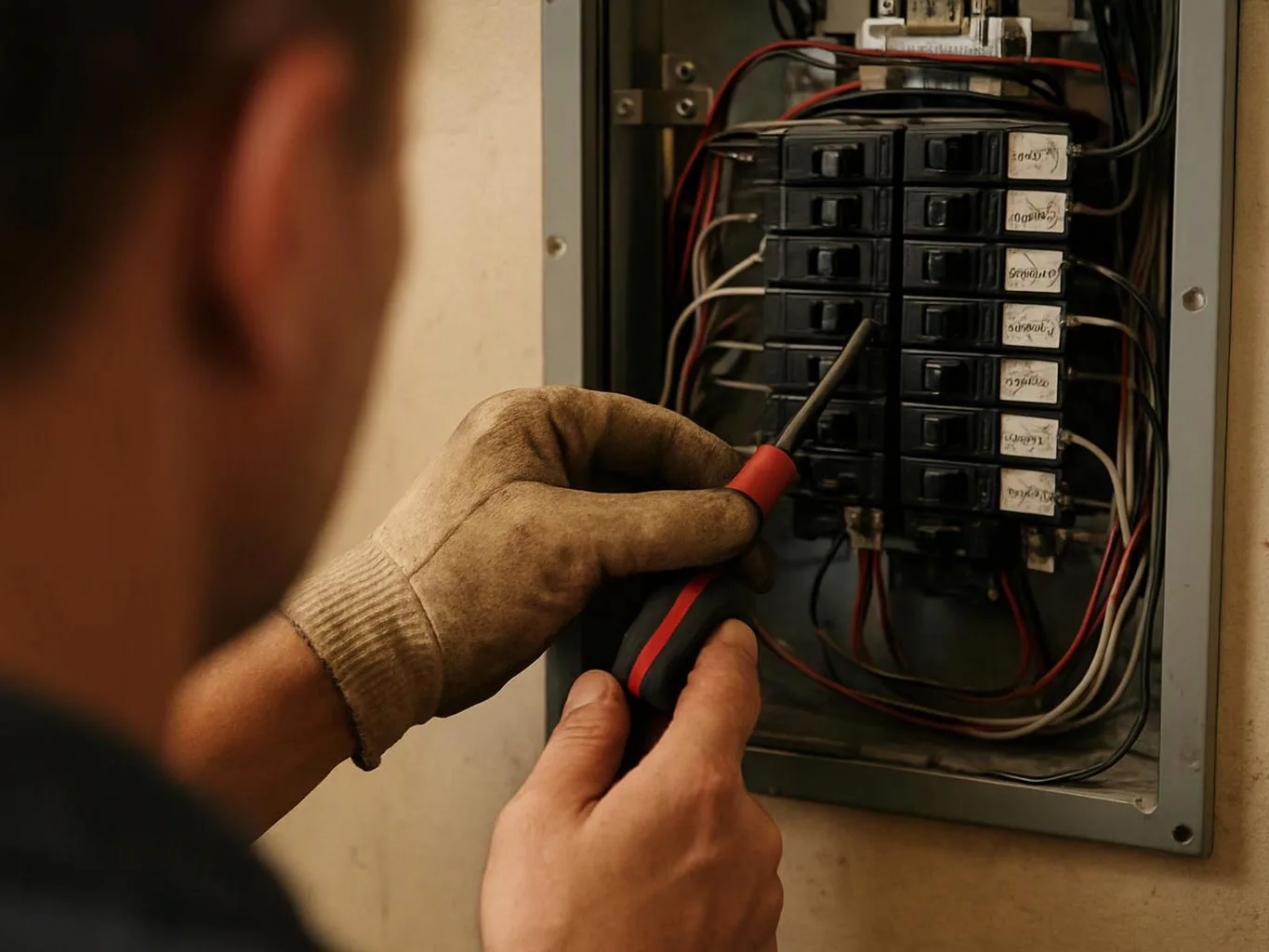
A gloved worker adjusts wiring in an open electrical breaker panel with a screwdriver

Service Overview

New construction electrical installation is a planned wiring service that builds the electrical system into a new property before finishes are installed.

  • It differs from repair work because the layout, circuits, boxes, cabling, and service equipment are coordinated before the space is closed.
  • GMB Electric provides this work for homes and businesses in Broad Ripple.

What New Construction Electrical Work Includes

GMB Electric provides comprehensive New Construction Electrical Installation in Broad Ripple. Here's what you get:

  • We install rough wiring for planned circuits, lighting, switches, and receptacles.
  • We place receptacle boxes where the approved room layout calls for them.
  • We install fire alarm wiring before interior finishes cover the cable paths.
  • We route low voltage cabling for supported communication and control needs.
  • We connect service equipment that supplies the new electrical system.
  • We test and verify the installed work before the next construction stage.

A client scenario this service addresses

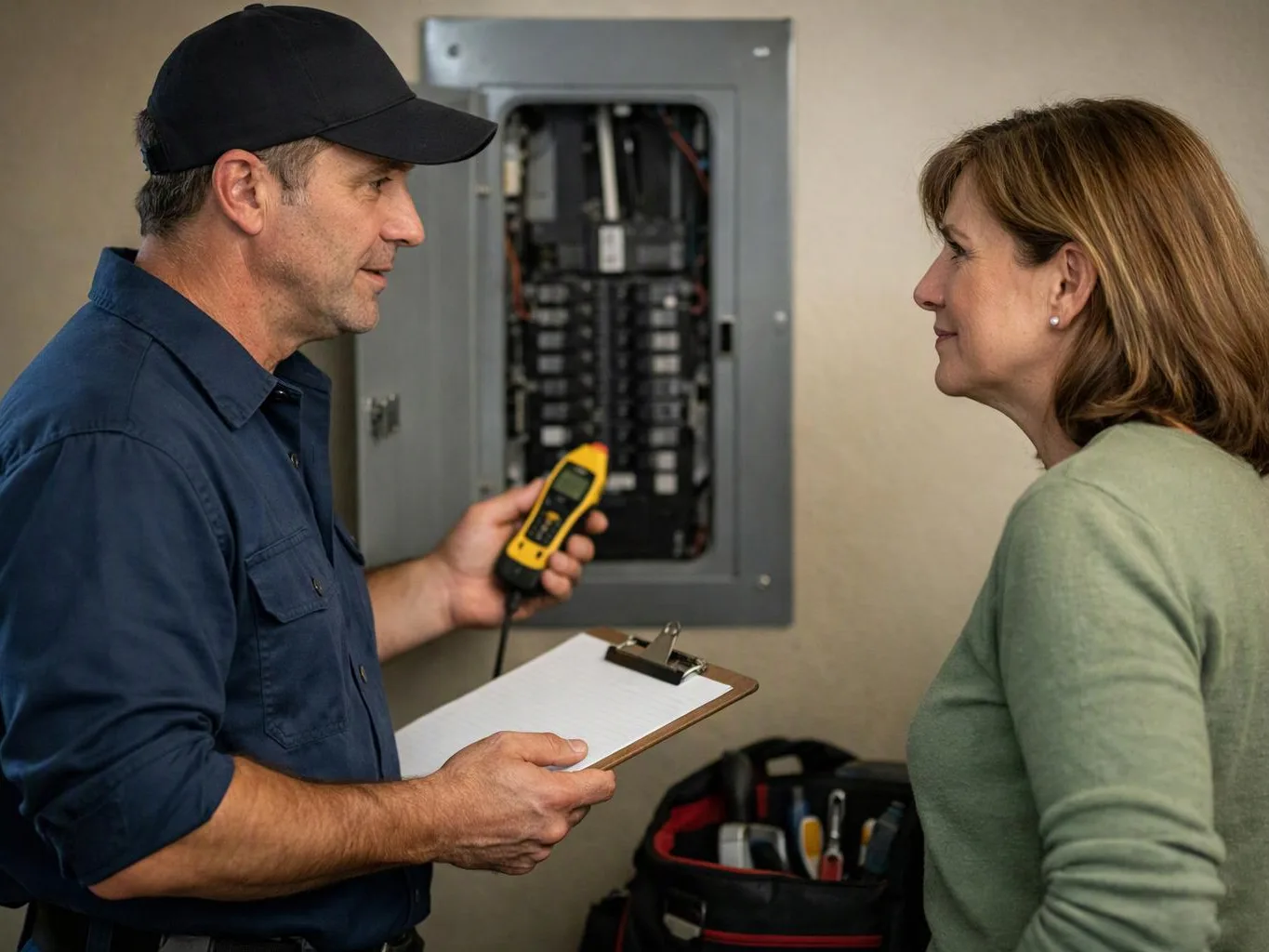
A typical Broad Ripple build may involve a homeowner, builder, or business owner deciding whether the rough electrical work is ready for interior finishes. We check visible cable paths, box placement, service equipment, and fire alarm wiring before the space closes. The practical decision is whether the current stage is ready for the next trade or needs electrical work first.

How We Approach New Construction Electrical Work

Plan around the finished layout

The room use and fixture locations guide each circuit path. We are licensed and insured electrical professionals, and we explain the work before installation. This service is the wrong fit for a single existing outlet or breaker repair.

Protect access before close-in

Rough wiring, boxes, and cabling are easiest to inspect while framing remains open. We identify the work that must be completed before drywall or other interior finishes limit access.

Separate power and low voltage

Power wiring and low voltage cabling serve different systems. We plan their paths as separate parts of the build so the finished space has an orderly installation.

Process

How We Complete New Construction Electrical Installation

1

Review the building layout

We review the room use, plans, fixture locations, equipment needs, and service equipment location before setting the electrical scope.

2

Set circuit paths and boxes

Rough wiring and receptacle boxes are placed while framing remains open. We coordinate outlet, switch, lighting, and equipment locations with the planned layout.

3

Install hidden cabling

Fire alarm wiring and low voltage cabling are routed before walls and ceilings close. We keep the paths organized with the power wiring.

4

Check the rough-in

We inspect visible wiring, box placement, cable routes, and service equipment before interior finishes cover the work.

5

Provide the estimate and next scope

We explain the work that fits the project and provide a free estimate. The final scope follows the property layout and requested electrical needs.

What This Electrical Installation Changes for the Build

Early circuit planning reduces changes after drywall, cabinets, or ceilings are installed.

Placed receptacle boxes give the finish crew fixed points for outlets and switches.

Coordinated low voltage cabling keeps separate system wiring planned before access is limited.

A checked rough-in gives the owner a clearer handoff before interior finishes begin.

Service equipment planning helps match the electrical supply to the property's intended use.

Choosing the Right Electrical Work for the Build

These options differ by the stage and condition of the property.

Work typeBest fitMain work focus
New construction electrical installationNew builds, additions, or major new layoutsRough wiring, boxes, cabling, and service equipment
Electrical repairAn existing fault or damaged deviceDiagnosis and repair of an installed system
Panel upgradeAn existing property needing changed service capacityPanel and service equipment work

The GMB Electric Standard

  • Urgent Assistance
  • Issue Diagnosis
  • Careful Inspection
  • Clear Options

Questions About New Construction Electrical Work

How is the electrical layout matched to the property before work starts?

The electrical layout is matched to the room use, plans, fixture locations, equipment needs, and service equipment. We review those details before setting circuit paths or boxes. Changes are easier while framing remains open, so the approved layout should be ready before rough wiring begins.

What should be ready before electrical installation starts?

Building plans, room use, fixture locations, and known equipment needs should be ready before electrical installation starts. We use that information to plan circuits, receptacle boxes, cable paths, and service equipment. A change in the layout can change the work after wiring has been placed.

Why must low voltage cabling be planned before drywall?

Low voltage cabling needs open access because drywall can hide its planned paths and device locations. We coordinate the cable route with rough wiring before the walls close. The owner should identify communication, control, or signal needs early so the scope reflects the finished space.

What changes the price of this electrical installation?

The building layout, circuit count, service equipment, cable types, fixture locations, and access change the project price. GMB Electric reviews those details before preparing a free estimate. A clear equipment list helps us define the work without assigning a price before the scope is known.

When should a buyer request an electrical assessment?

An electrical assessment should be requested before framing is closed or interior finishes begin. We can then review rough wiring, receptacle boxes, low voltage cabling, and service equipment while access remains available. The assessment is also useful when a builder changes room layouts or adds equipment.

What should a customer ask before agreeing to the work?

A customer should ask which circuits, boxes, cable paths, service equipment, and checks the scope includes. We explain the planned work, access needs, and estimate before installation begins. The customer should also confirm that the current room and equipment plans match the requested electrical layout.
Contact

Request a New Construction Electrical Installation Estimate

Are your rough wiring and interior finish dates approaching? Request a free estimate from GMB Electric, and urgent requests get priority scheduling.

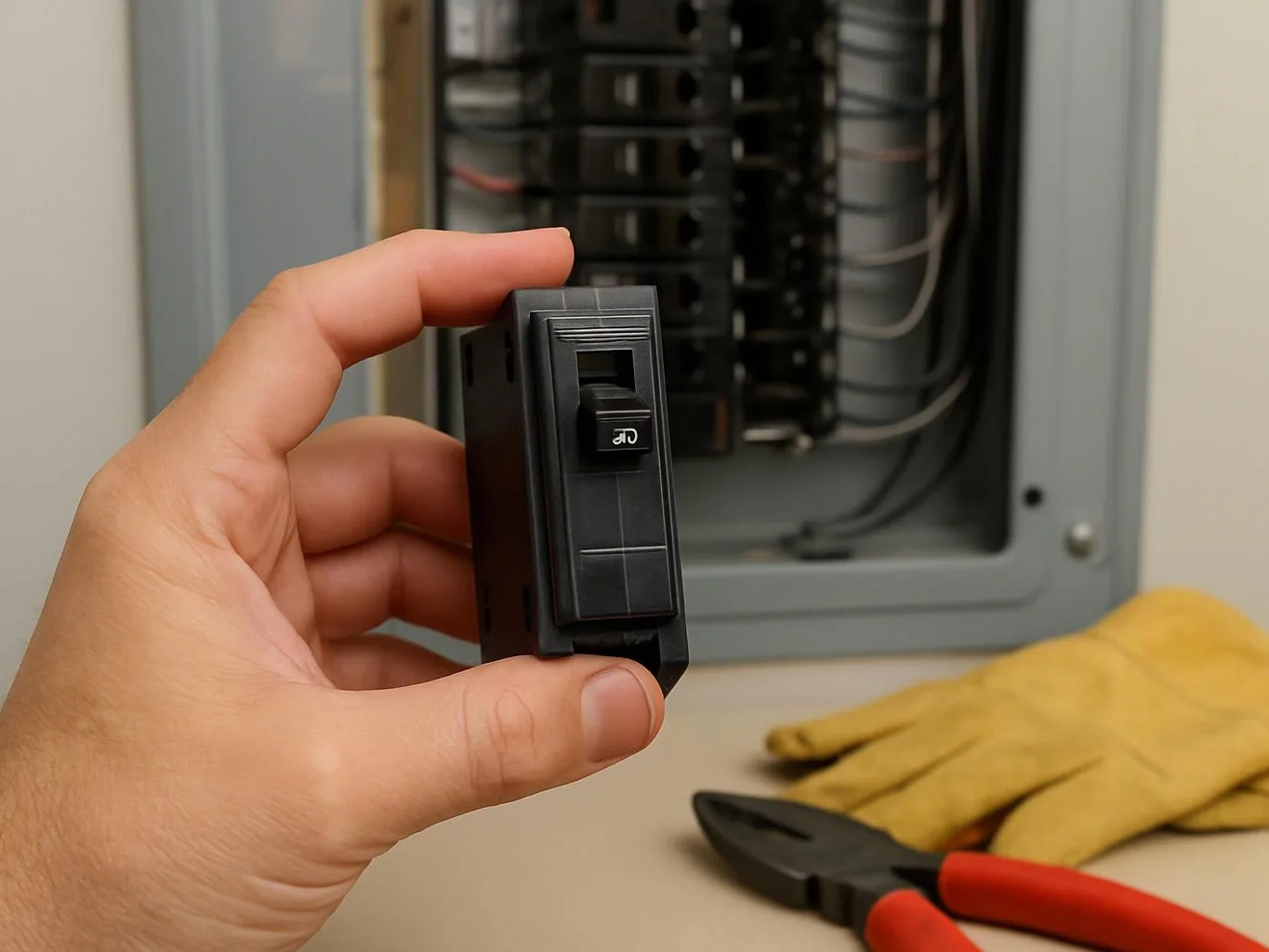
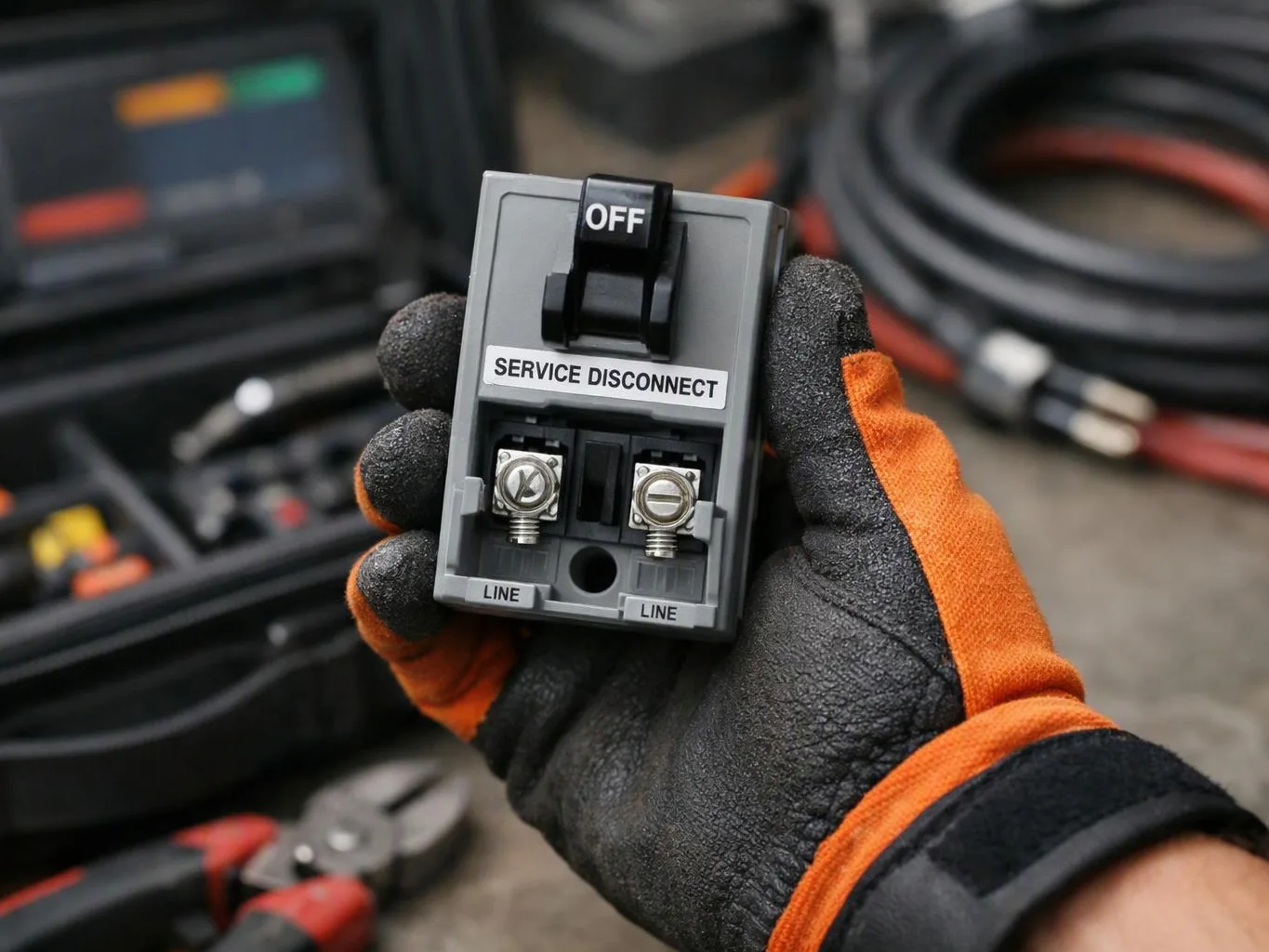
A gloved hand holds a gray service disconnect switch with an OFF lever and line terminals, with tools blurred behind it

New Construction Electrical Installation in Other Areas

(317) 608-1220