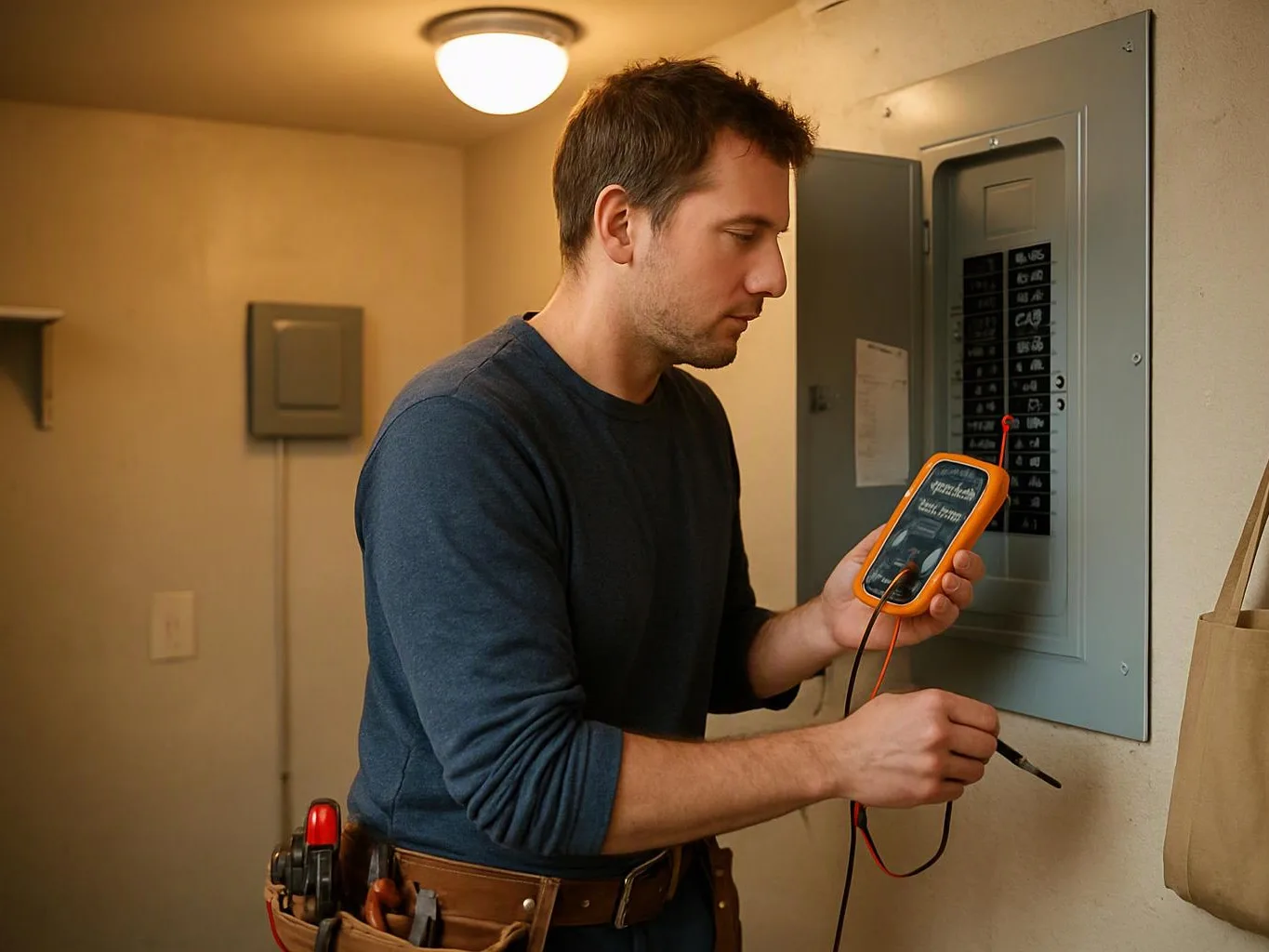
What replaces a fuse box in a modern electrical system?
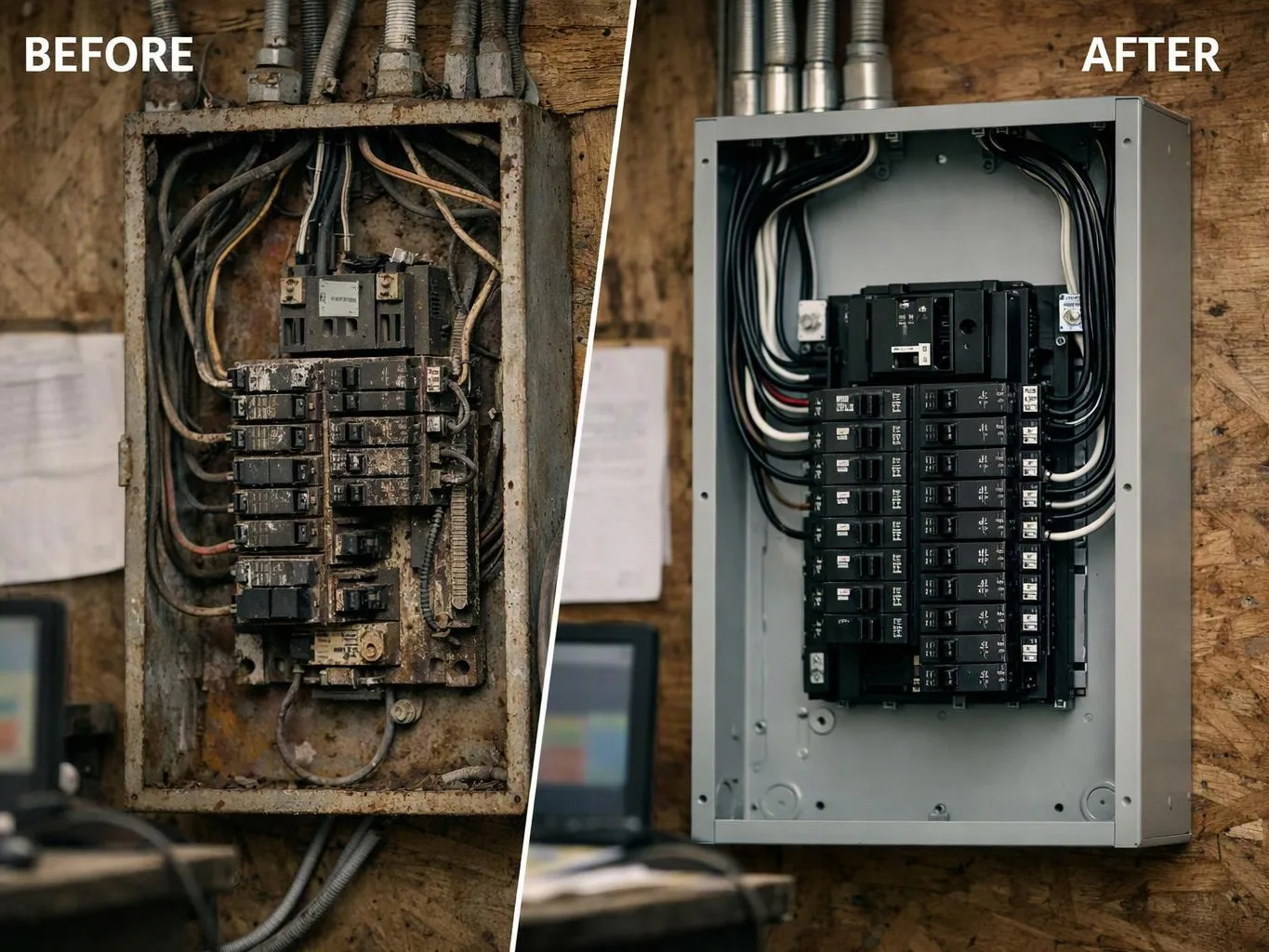
A breaker panel replaces a fuse box in a modern electrical system, while the grounding system supports safe fault-current paths. GMB Electric inspects the main disconnect, circuits, and wiring before installation. The replacement may also require related panel or service work when existing equipment cannot support the new layout.
What should be checked before replacement is scheduled?
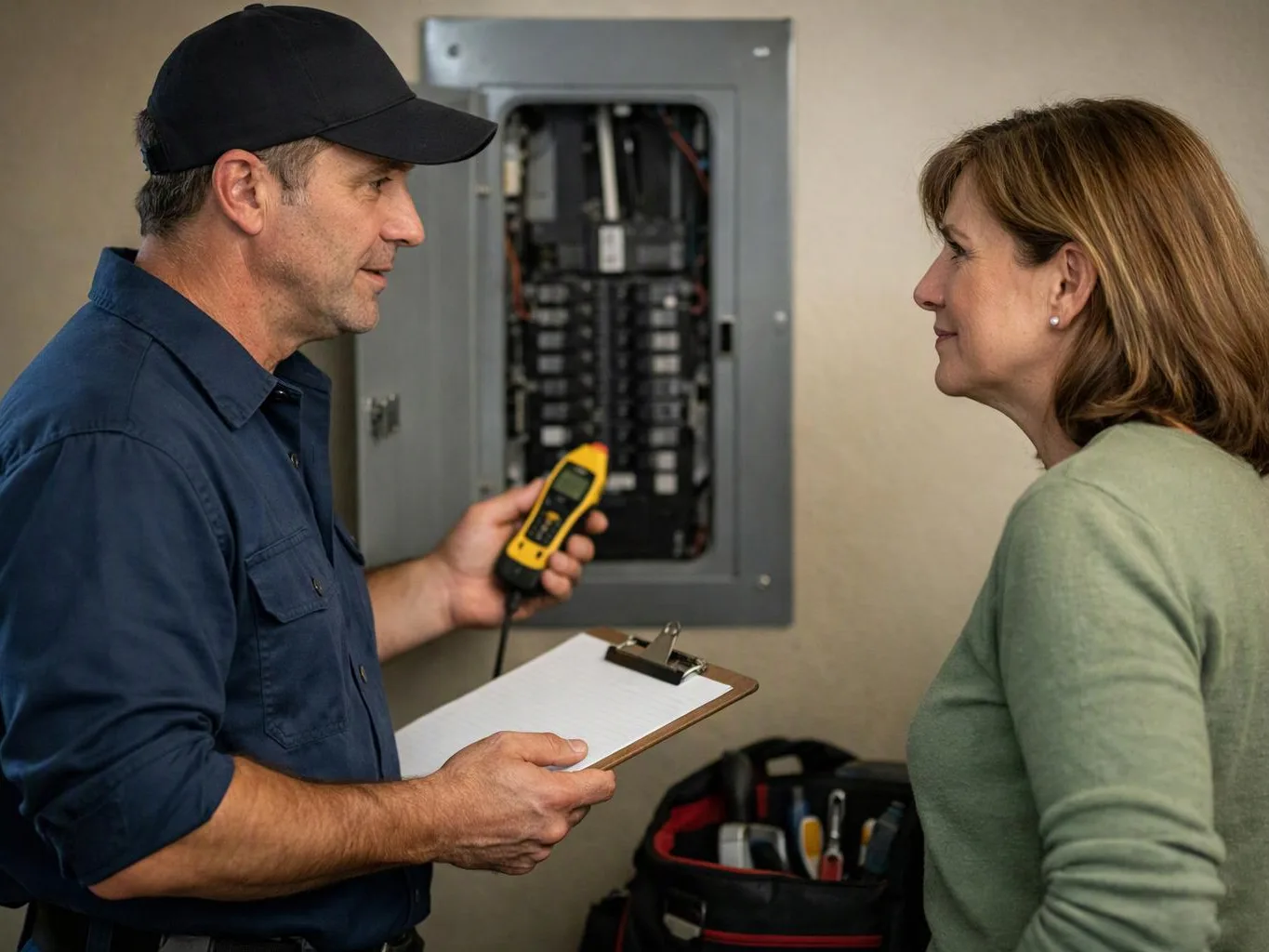
The existing fuse box, branch circuits, main disconnect, wiring condition, and grounding system should be checked first. We also trace circuits and look for heat marks, loose connections, corrosion, and overloaded conductors. Those findings decide whether the job needs panel replacement alone or related electrical repair.
Who is a good fit for fuse box replacement, and who needs another service?
Property owners with damaged, outdated, or repeatedly failing fuse equipment are good candidates for replacement. A single dead outlet, one faulty branch circuit, or a local wiring defect may need circuit repair instead. We inspect the fault and match the work to the part causing the problem.
What happens at each stage of the replacement?
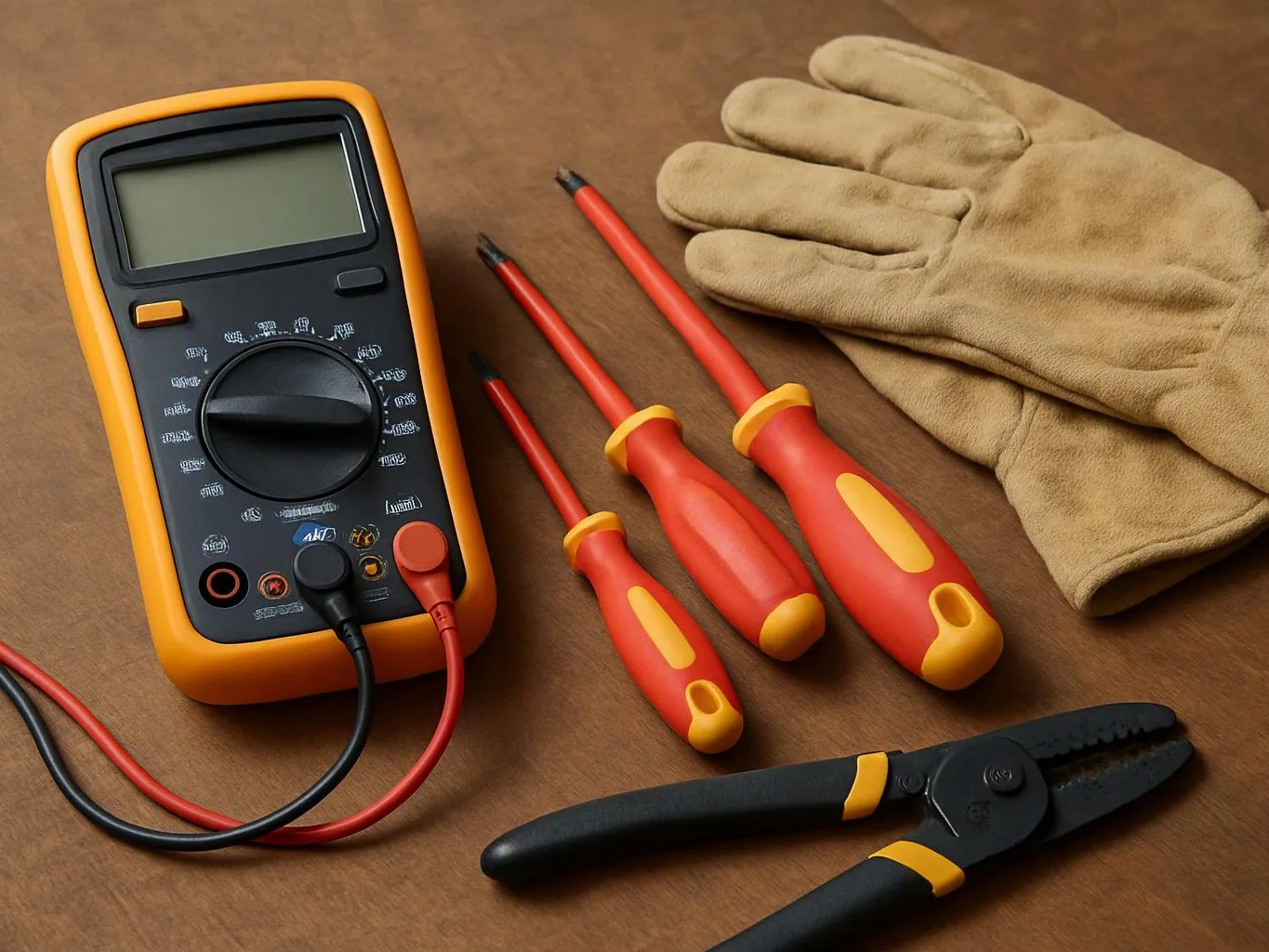
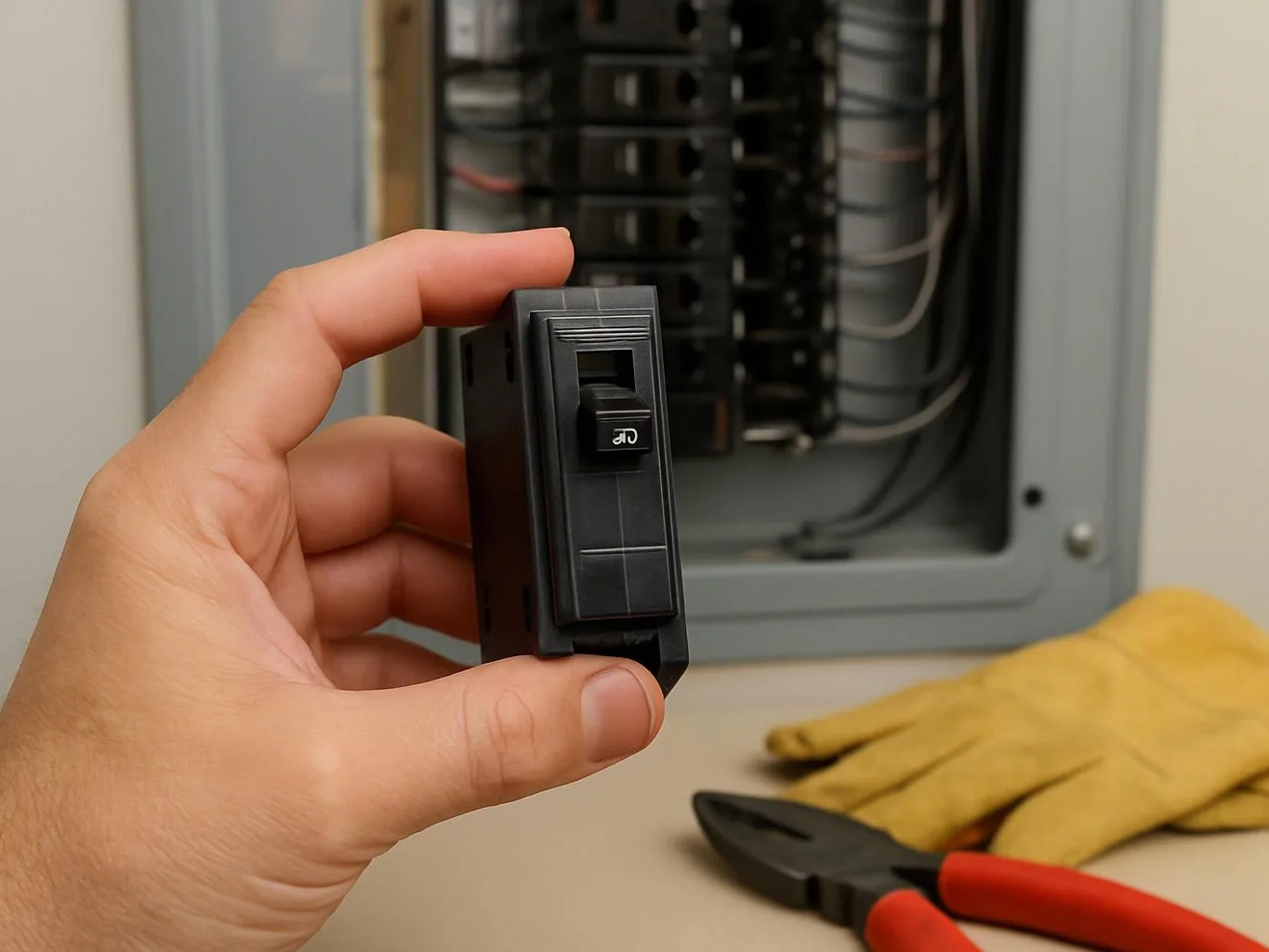
The work moves from inspection to circuit tracing, equipment planning, installation, and testing. We first examine the fuse box and main disconnect, then map connected circuits before installing the breaker panel. Testing confirms the connected circuits, and we explain the new breaker layout afterward.
Which part of the job changes the replacement price?
The panel condition, circuit layout, wiring access, main disconnect, and related service work change the replacement price. A simple panel change has a different scope from work that also needs rewiring or a service entrance upgrade. We identify those cost drivers during the assessment and provide a quote for the defined work.
Why does a fuse blow again after replacement?
A fuse that fails again can indicate an overloaded circuit, damaged wiring, a loose connection, or a faulty appliance. We trace the affected circuit and inspect the fuse box before deciding on replacement. Stop using the circuit if you notice heat, smoke, buzzing, or a burning odor.
How should I prepare the panel area for an assessment?
Clear access to the panel and keep the cover closed before the assessment. Photos of the closed box, visible labels, and warning signs can help describe the issue. Do not pull fuses, remove covers, or touch wiring, especially when the panel buzzes, smells hot, or shows burn marks.