What causes lights or outlets to stop working?
An open circuit, tripped breaker, loose wiring, or faulty switch can stop lights or outlets from working. GMB Electric checks the circuit path and tests the related parts. A burning smell, buzzing panel, sparking outlet, or warm switch plate needs urgent attention. Stop using the affected part and keep clear of damaged wiring until we assess it.
Who is a good fit for electrical troubleshooting, and who needs a different service?
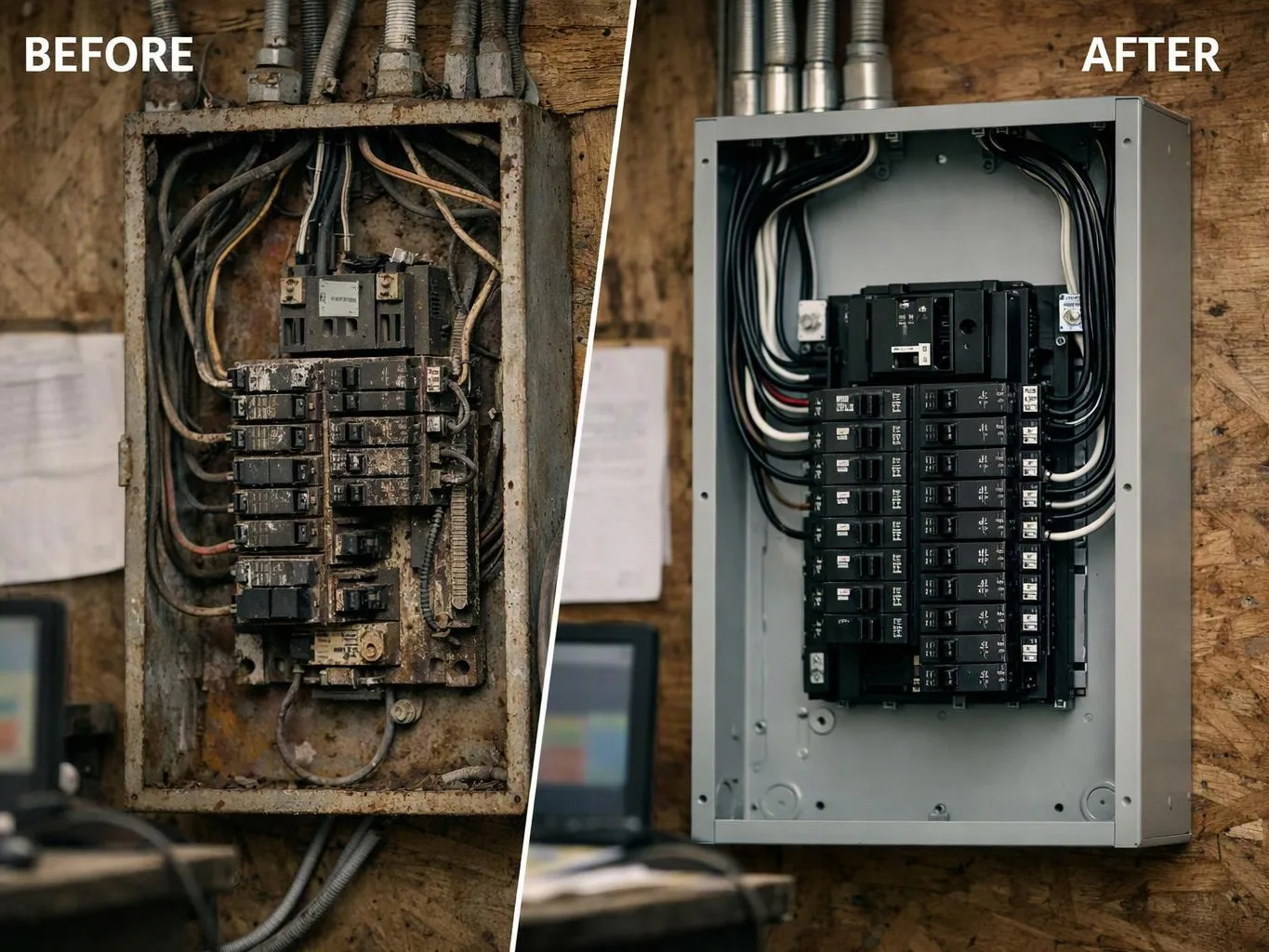
Electrical troubleshooting fits anyone with an unexplained fault, while planned upgrades need a separate service scope. We handle dead outlets, flickering lights, breaker trips, circuit faults, and switch problems. A property that needs more capacity may need a panel upgrade. A property that needs new circuit runs may need wiring or rewiring work.
What should be checked before electrical troubleshooting is scheduled?
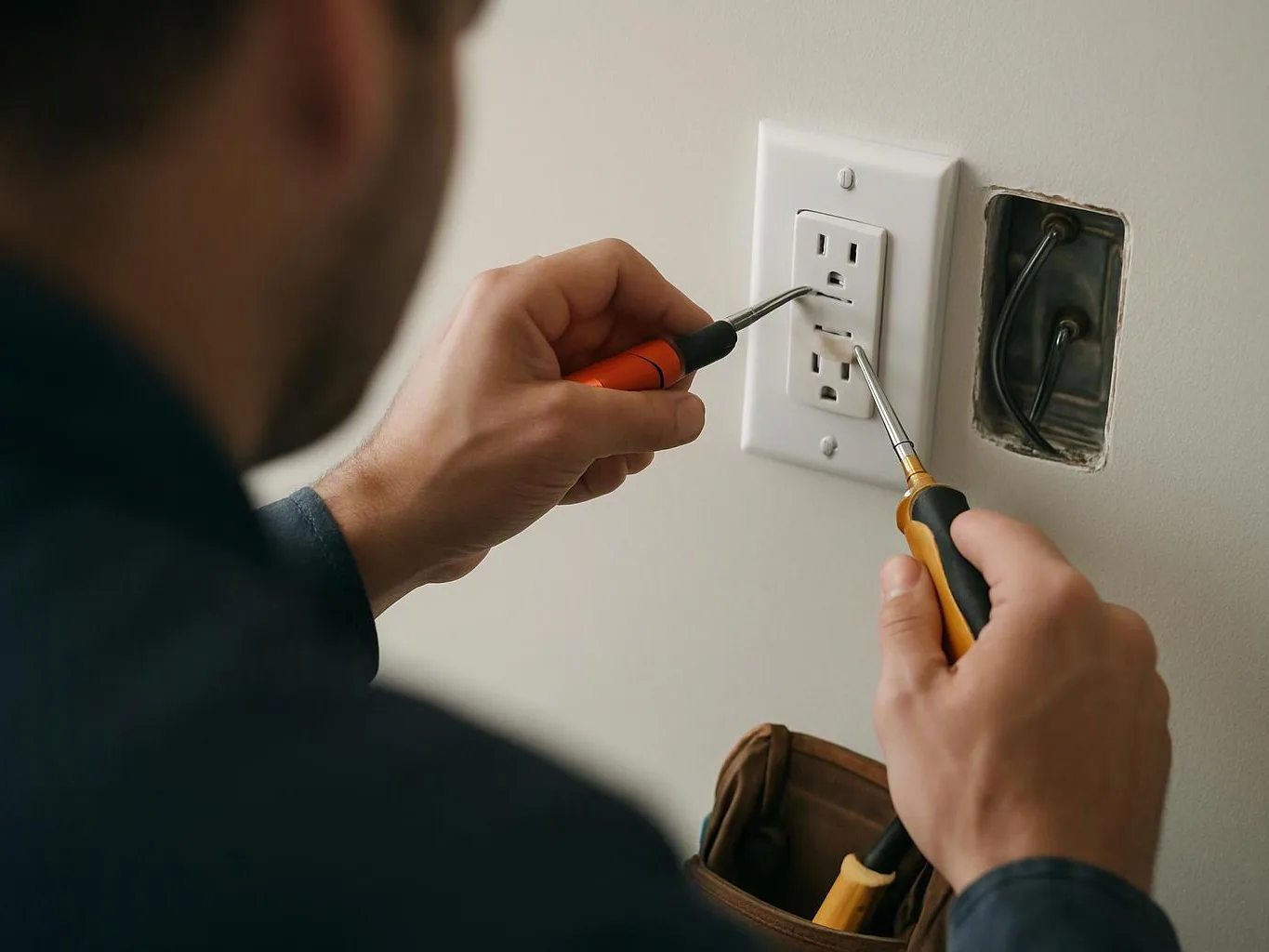
The affected device, nearby outlets, breaker position, and warning signs should be noted before scheduling. Do not remove covers or handle exposed wiring. Tell us what stopped working, when it began, and whether other lights or outlets are affected. Photos of a safe, visible outlet or panel label can help describe the issue.
What happens at each stage of electrical troubleshooting?
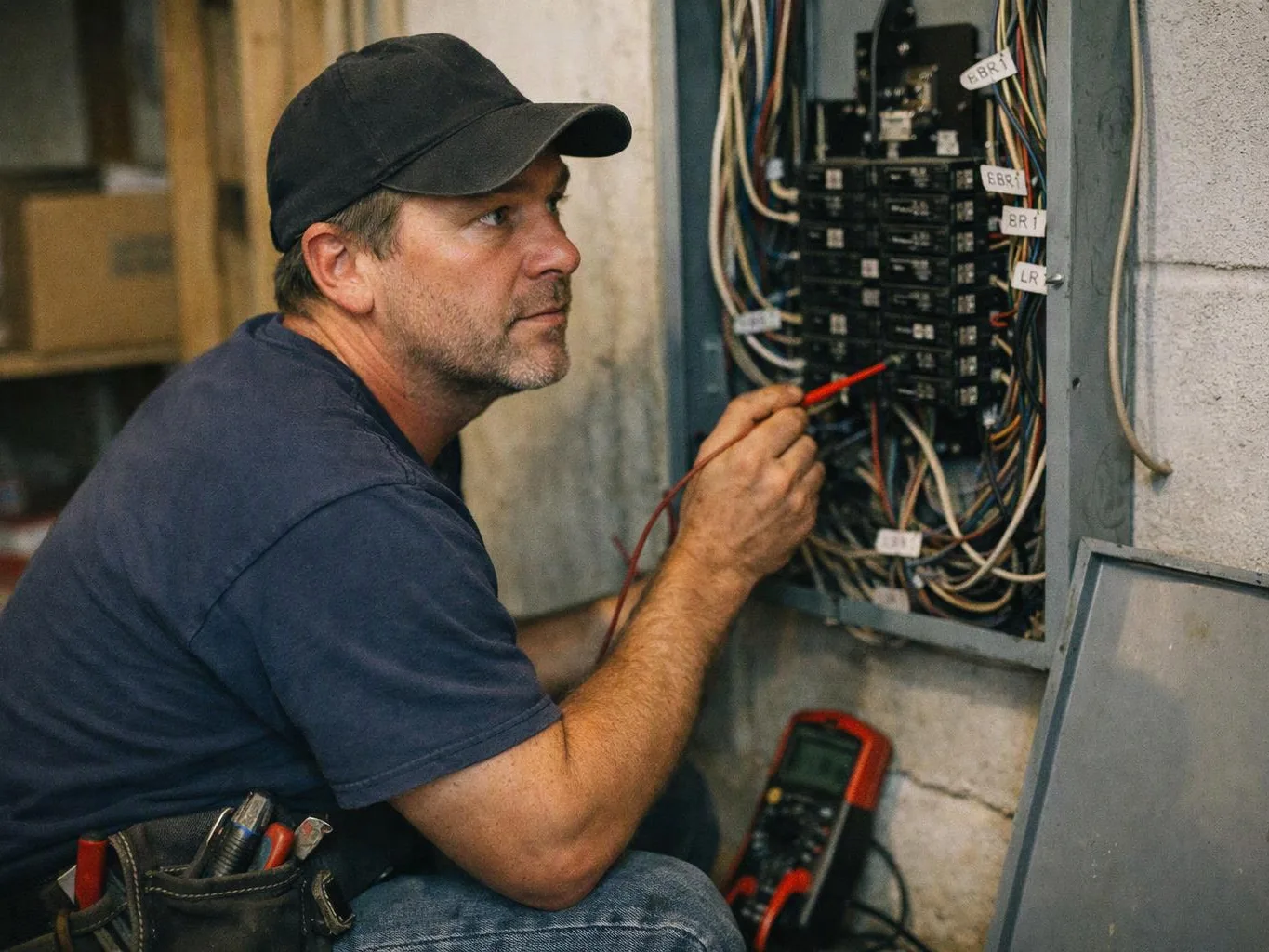
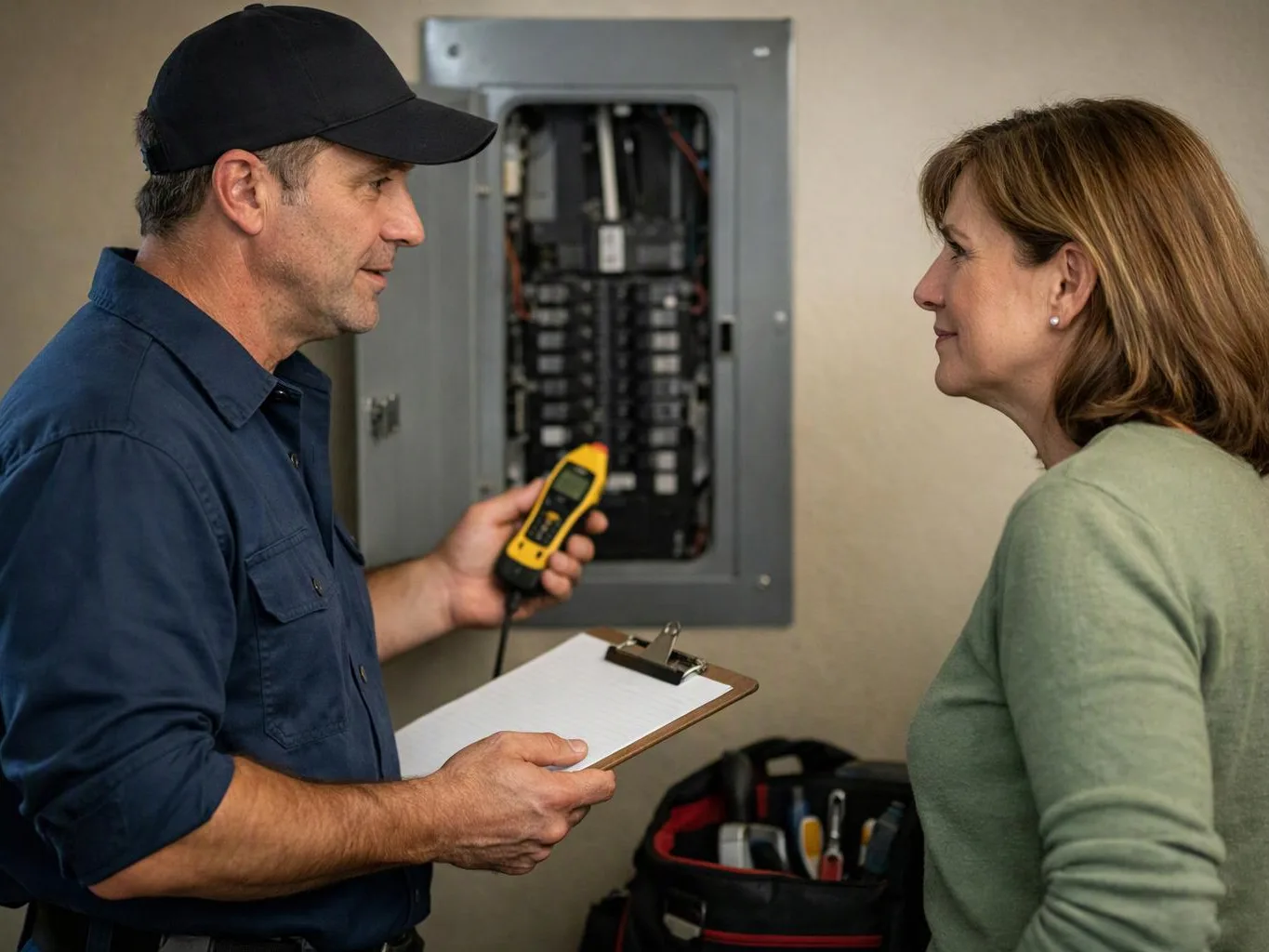
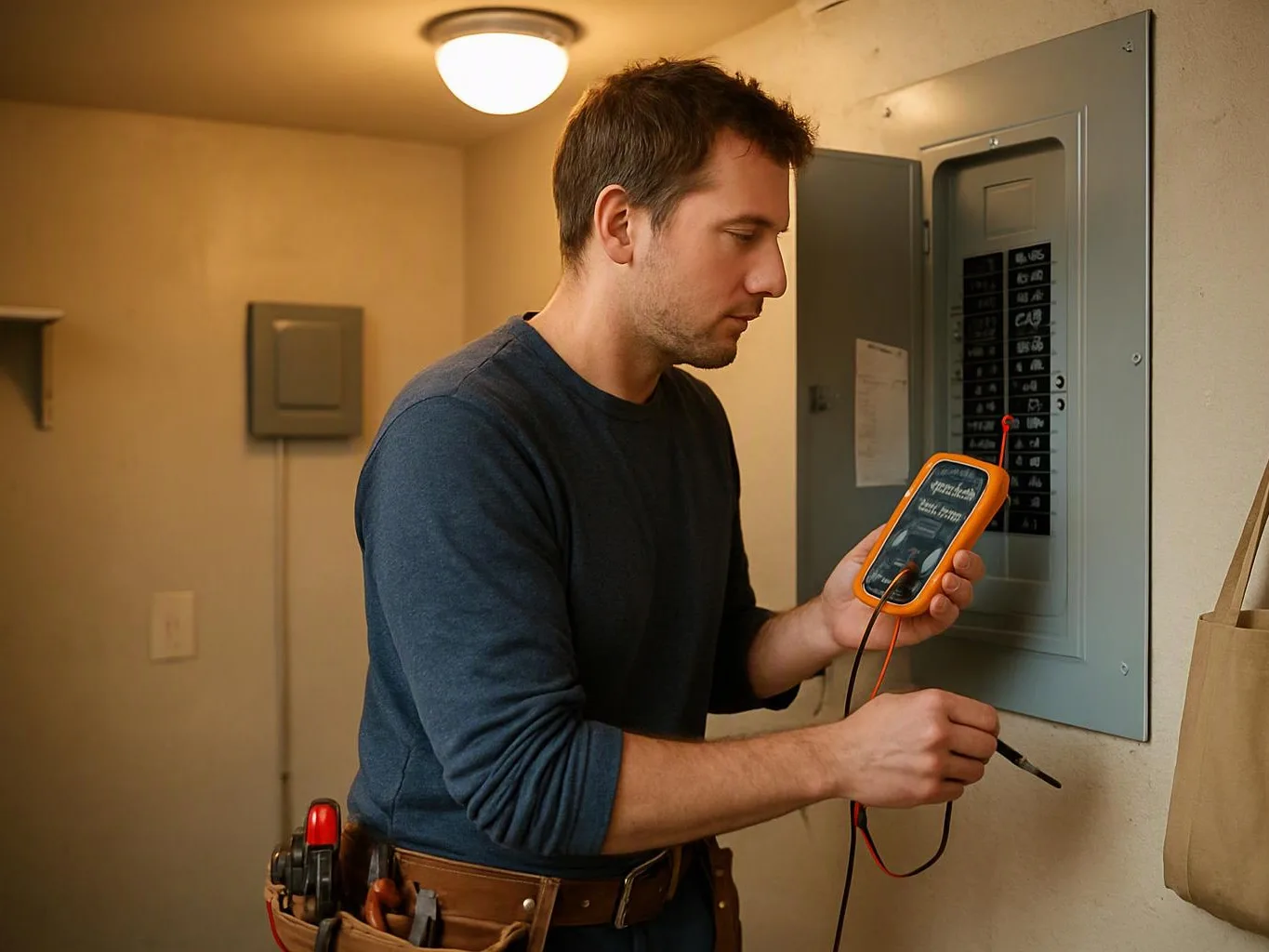
Electrical troubleshooting starts with symptom review, continues through circuit inspection and testing, and ends with a repair scope. We inspect the affected parts, trace the circuit, check the breaker, and identify the fault. We then explain whether the work needs a repair, rewiring, panel service, or another electrical installation.
Which part of a fault changes the estimate most?
The fault location and access usually shape the estimate most. A failed switch or outlet may have a narrower scope than hidden wiring or a panel problem. We inspect the affected circuit first, then explain the parts, testing, and repair work included in the estimate. Free estimates are available for this service.
When should I stop resetting a tripped breaker?
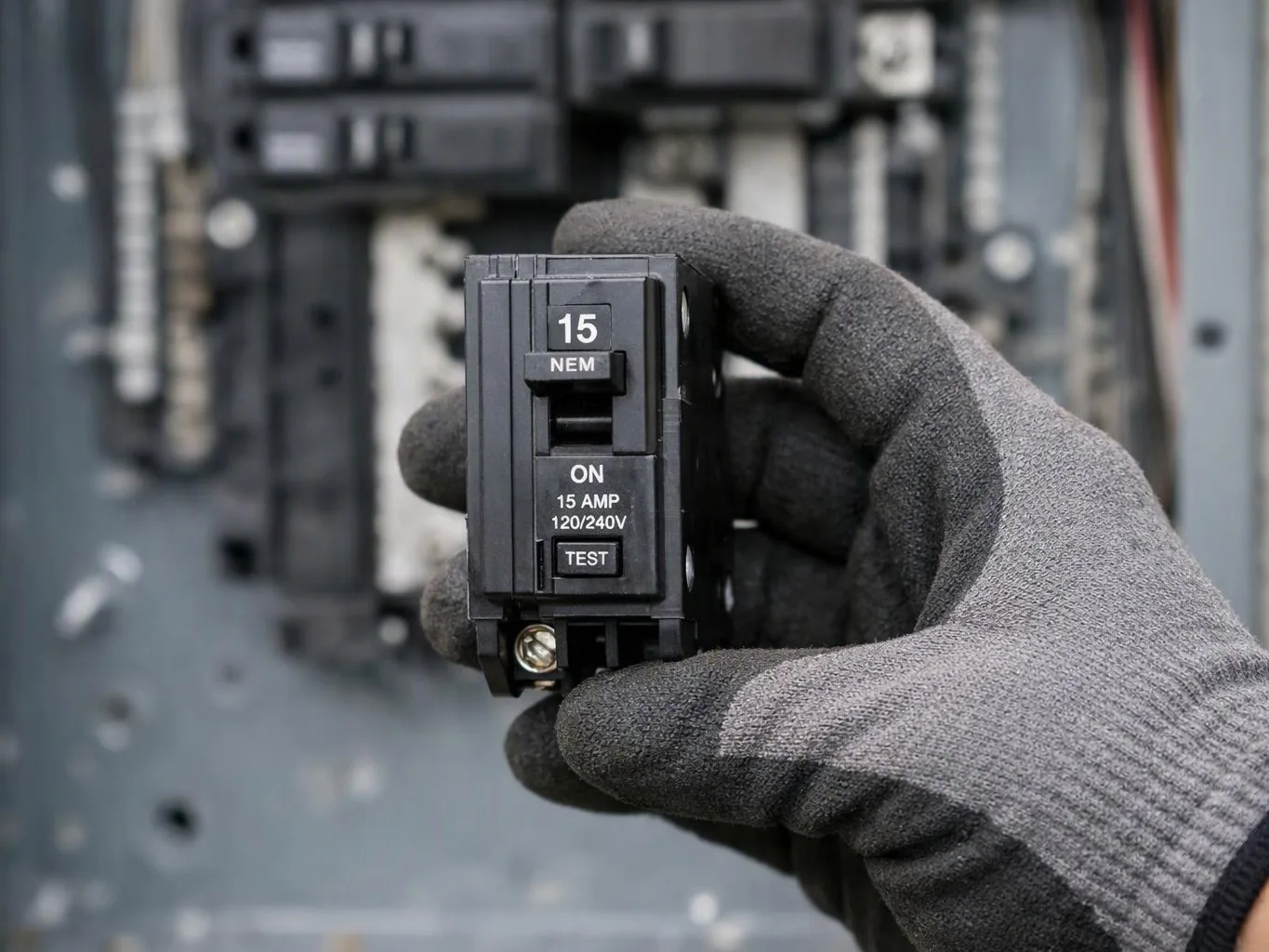
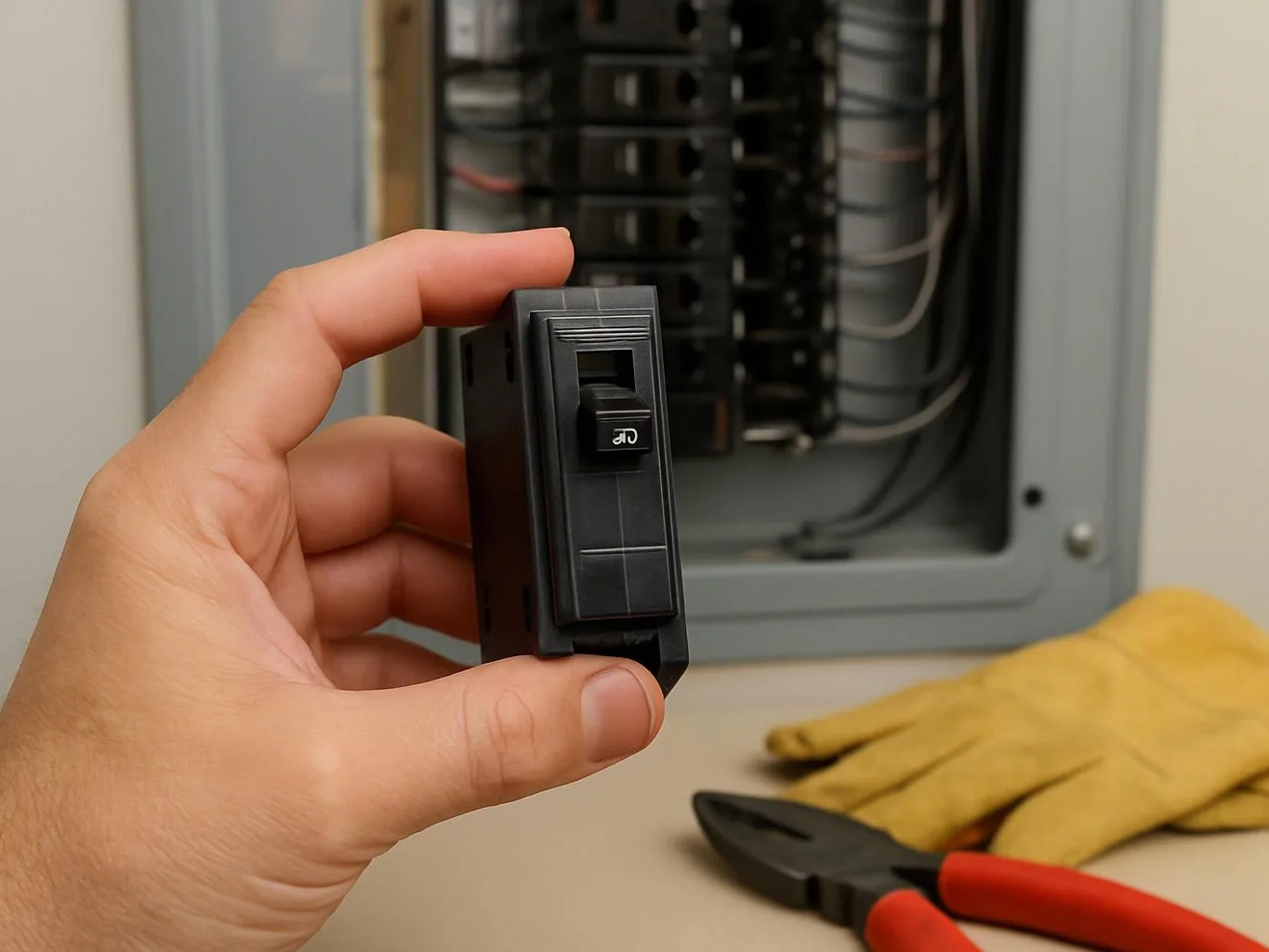
Stop resetting a breaker when it trips again, feels warm, makes noise, or connects to a burning smell. Repeated trips can point to an overload, damaged device, loose connection, or wiring fault. Leave the breaker alone and request an electrical assessment. We check the circuit before recommending repair.
Why do only some outlets lose power?
Some outlets lose power when a circuit connection, receptacle, switch, or breaker interrupts power to part of the run. Nearby outlets can help show where the circuit stops, but covers should stay in place. We test the affected points and trace the circuit to identify the fault.