How can I identify a damaged electric vehicle charging connector?
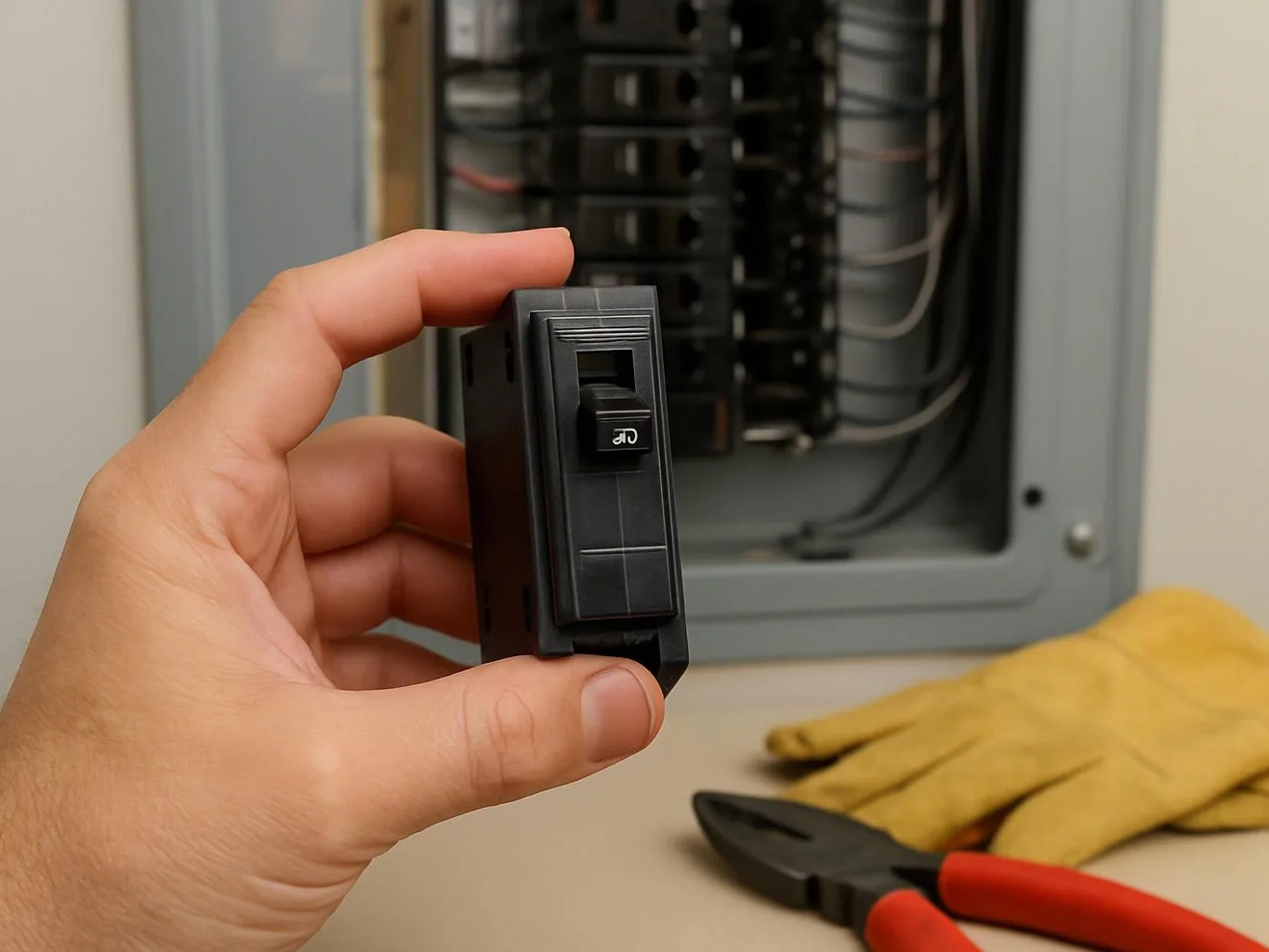
Loose contacts, bent pins, cracked housing, cable wear, or moisture marks can identify a damaged charging connector. Stop using the charger if the plug feels hot, smells burned, or will not seat correctly. GMB Electric inspects the connector and related circuit, then explains the repair or replacement path.
What should be ready before emergency EV charger repair starts?
Charger access, the vehicle connection, and any visible fault details should be ready before repair starts. Keep the equipment disconnected and move items away from the panel or charger. Photos of the plug, cable, and charger display can also help us understand the problem before assessment.
Which condition on the property changes the repair work?
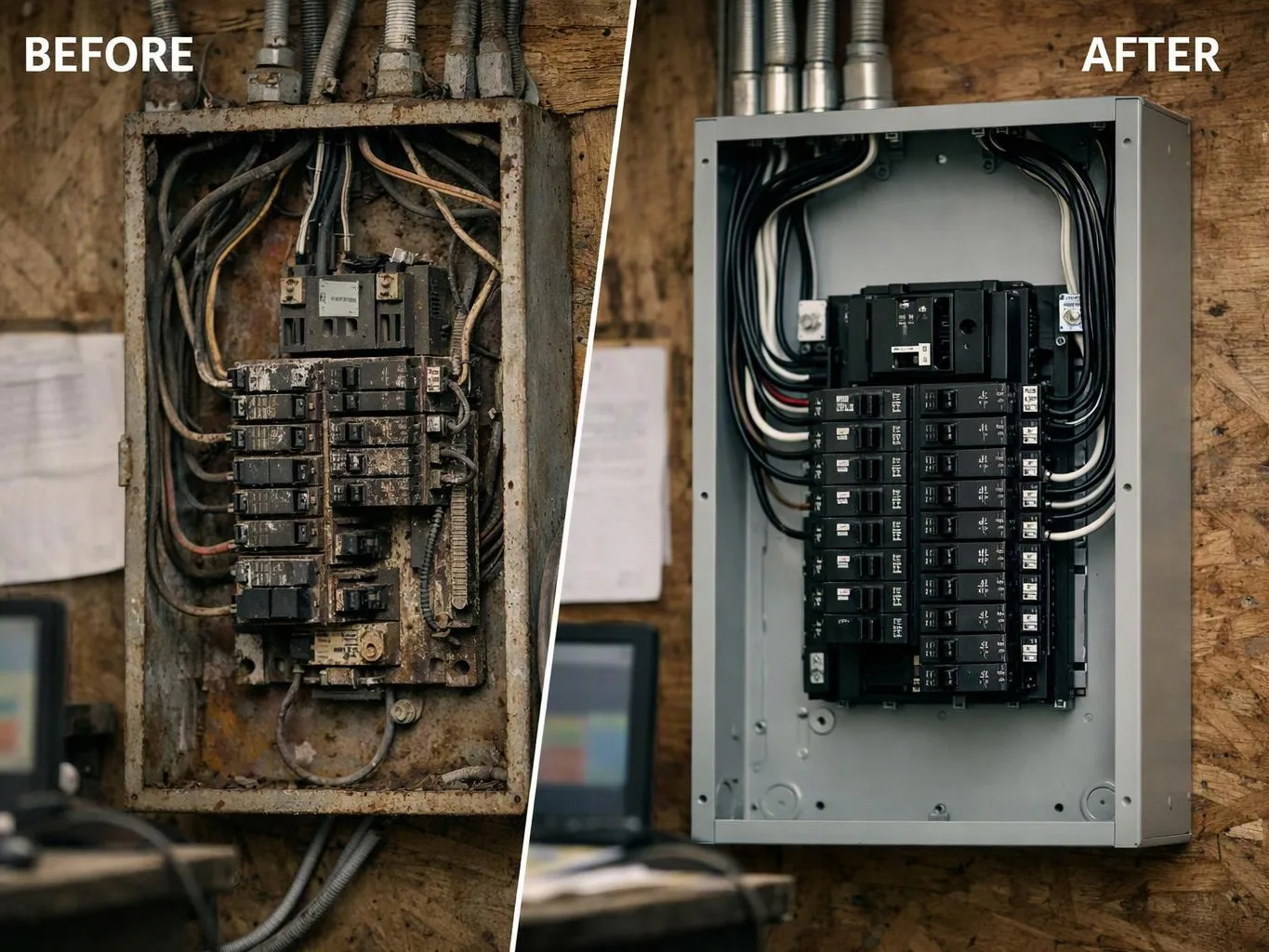
The condition of the supply circuit changes the repair work when the charger fault reaches beyond the connector. A tripped breaker, damaged outlet, insufficient amperage, or faulty wiring can require circuit troubleshooting. Our team checks the charger and its electrical supply so the repair scope matches the property.
How is the charger repair matched to the property before work starts?
The charger repair is matched to the property through a check of the equipment, circuit, access, and customer use. Residential and commercial charging setups can have different wiring paths and operating needs. We identify the failed part first, then explain whether repair, replacement, or wider electrical work fits.
When should I stop using an EV charging connector?
A charging connector should stay out of use when it shows heat, cracks, exposed conductors, bent pins, or moisture. These signs point to a connection that needs inspection before another charging session. We can check the connector, cable, charger, and related circuit to set the safe repair scope.
Why does a charging connector need more than a visual check?
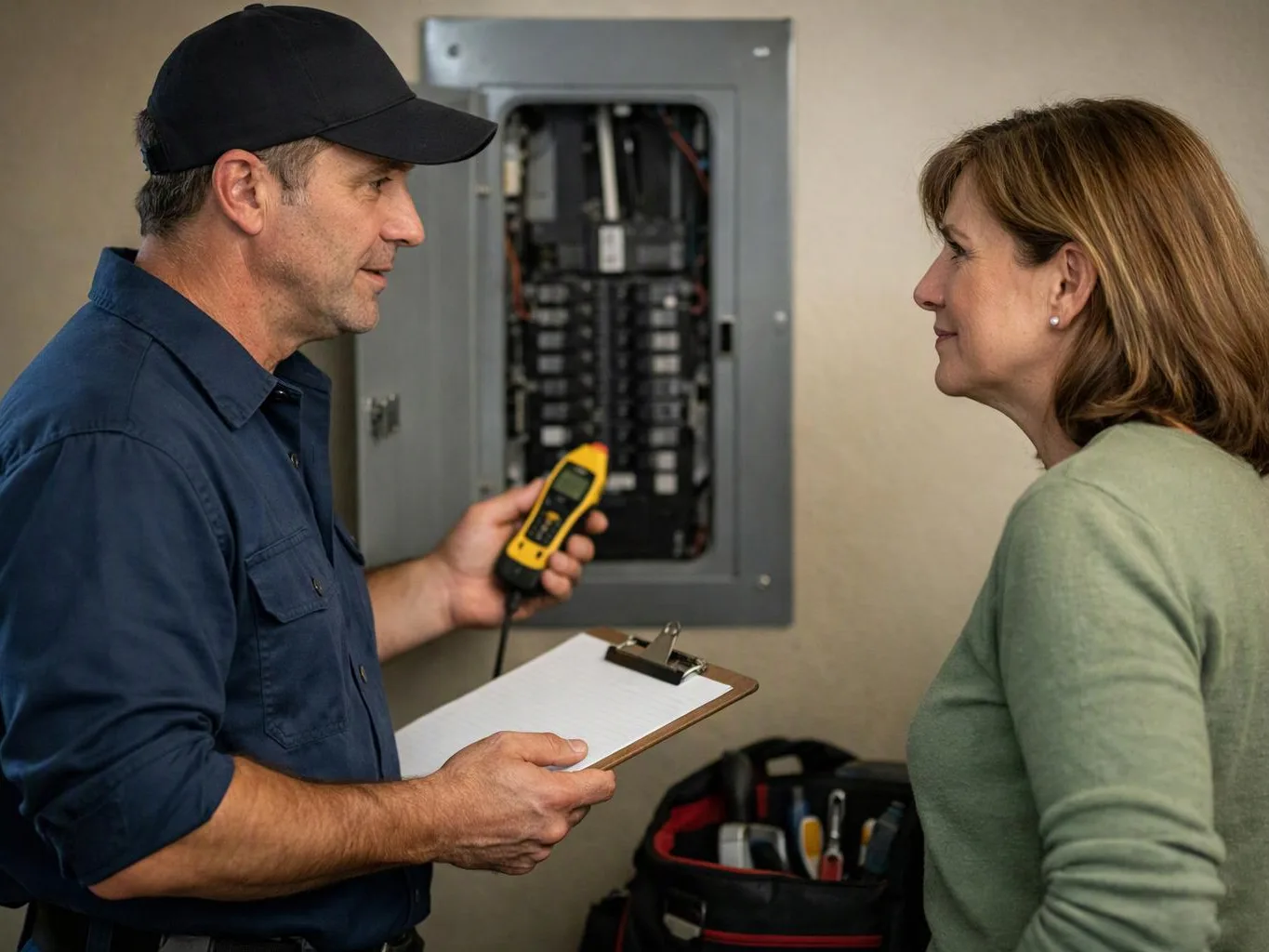
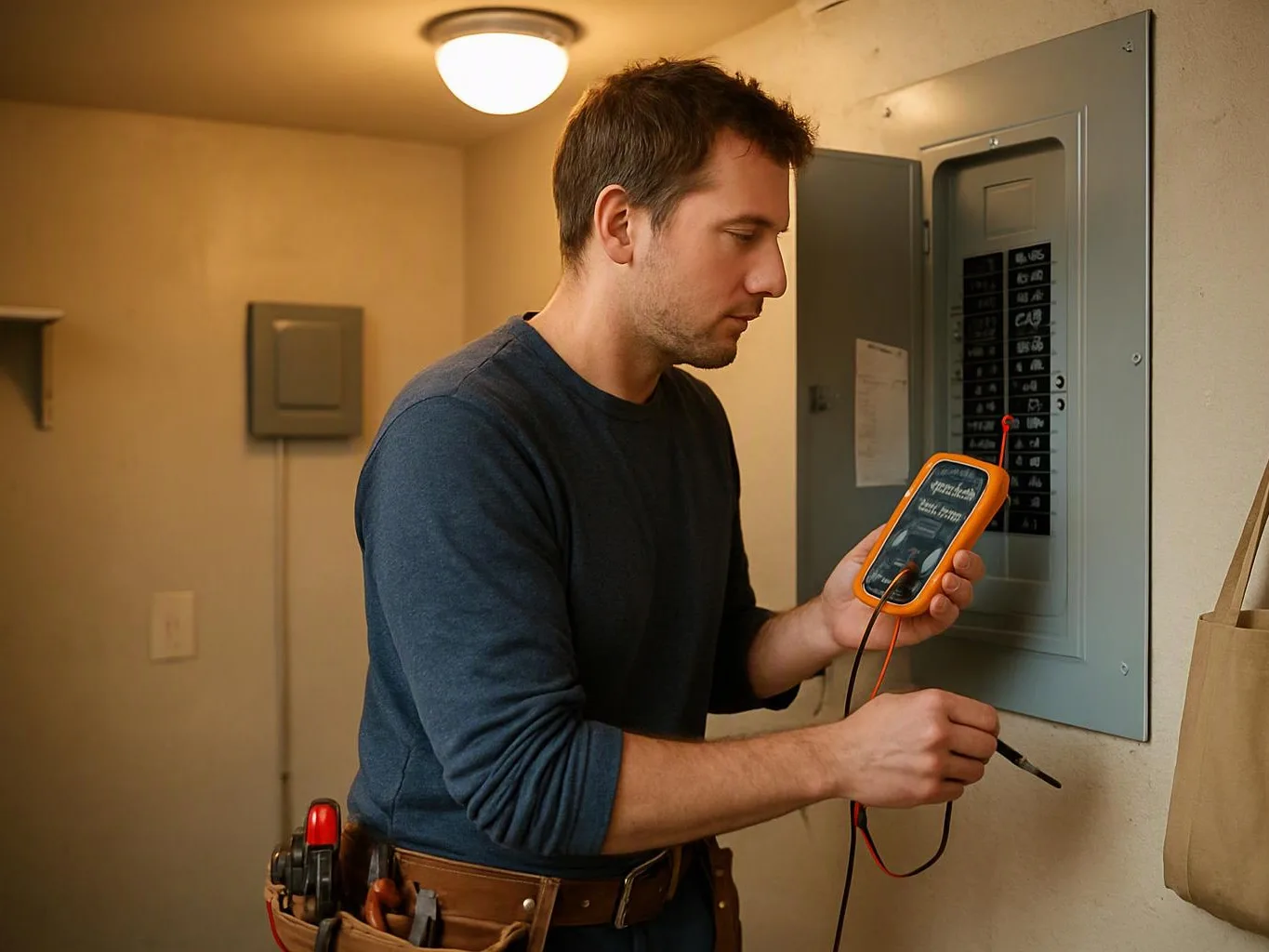
A charging connector needs more than a visual check because damage can affect contact points and the circuit behind the charger. A plug may look intact while cable strain or internal wear causes charging faults. We isolate the equipment, inspect the visible parts, and test the related electrical connection.
What is the difference between charger repair and EV charging installation?
Charger repair addresses a fault in existing equipment, while EV charging installation adds or sets up charging equipment and its electrical supply. Repair may include connector, cable, or circuit troubleshooting. Installation may involve a new circuit, panel capacity review, and other planned electrical work.