What hazards can an electrical safety inspection find?
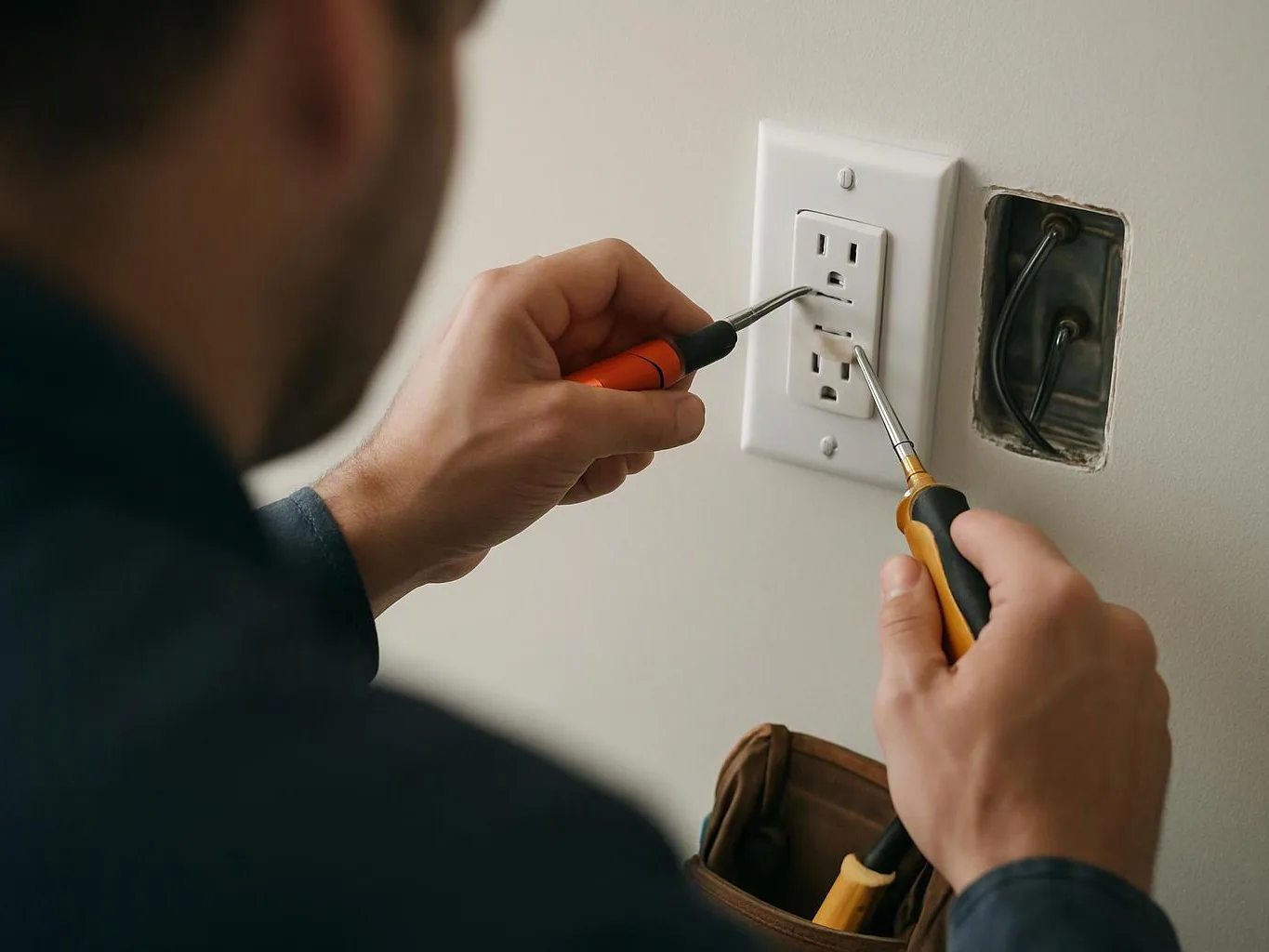
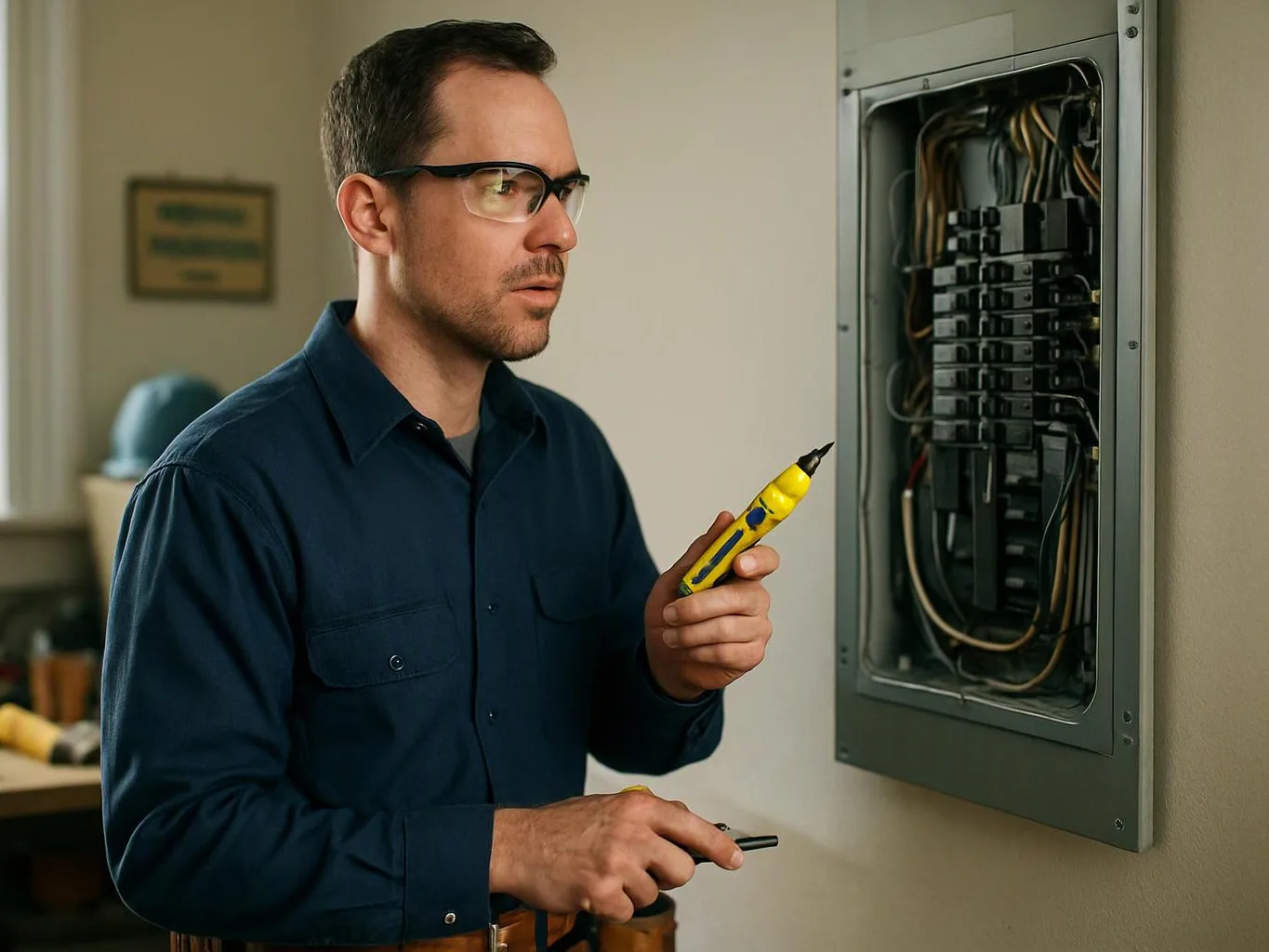
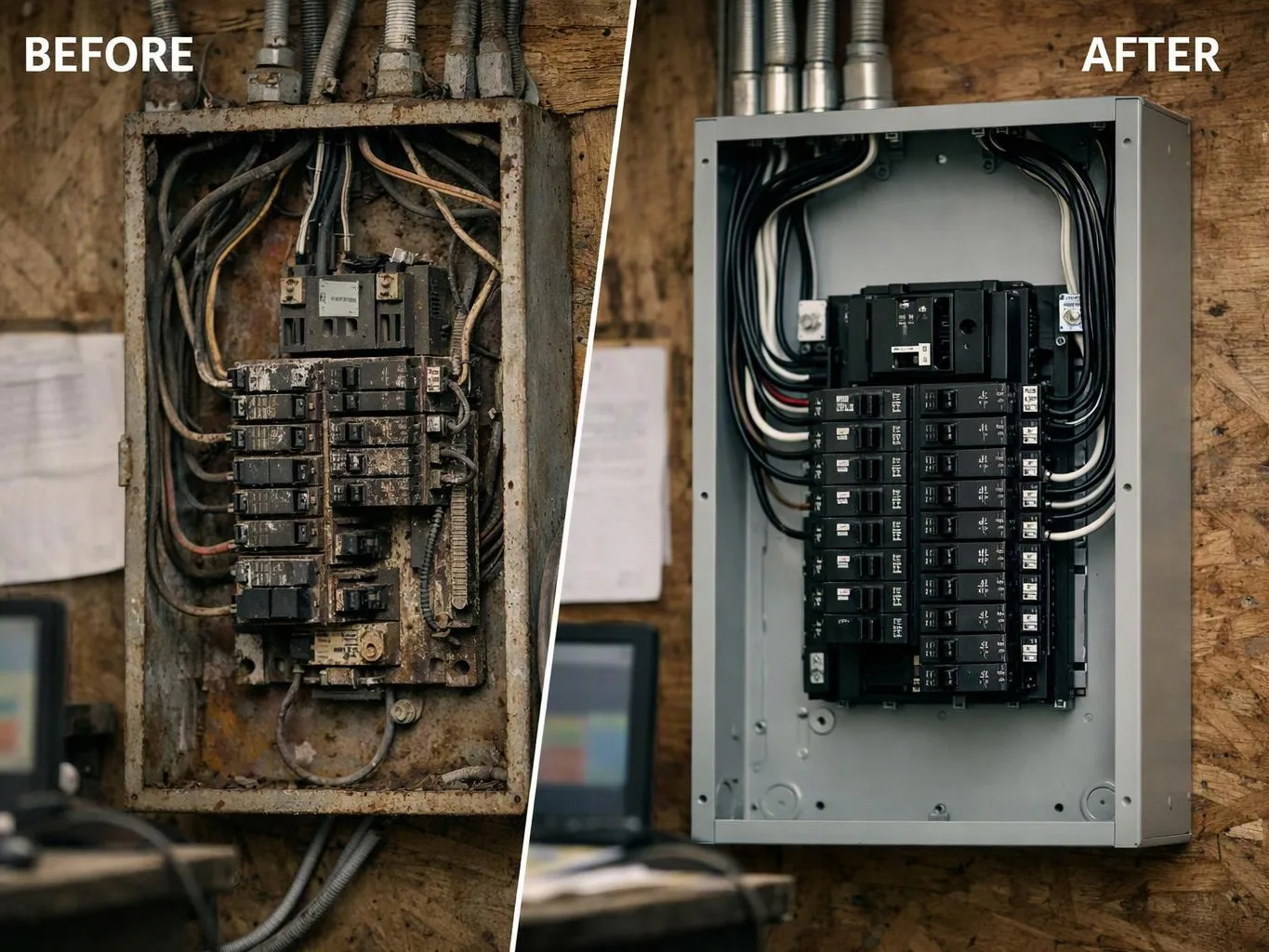
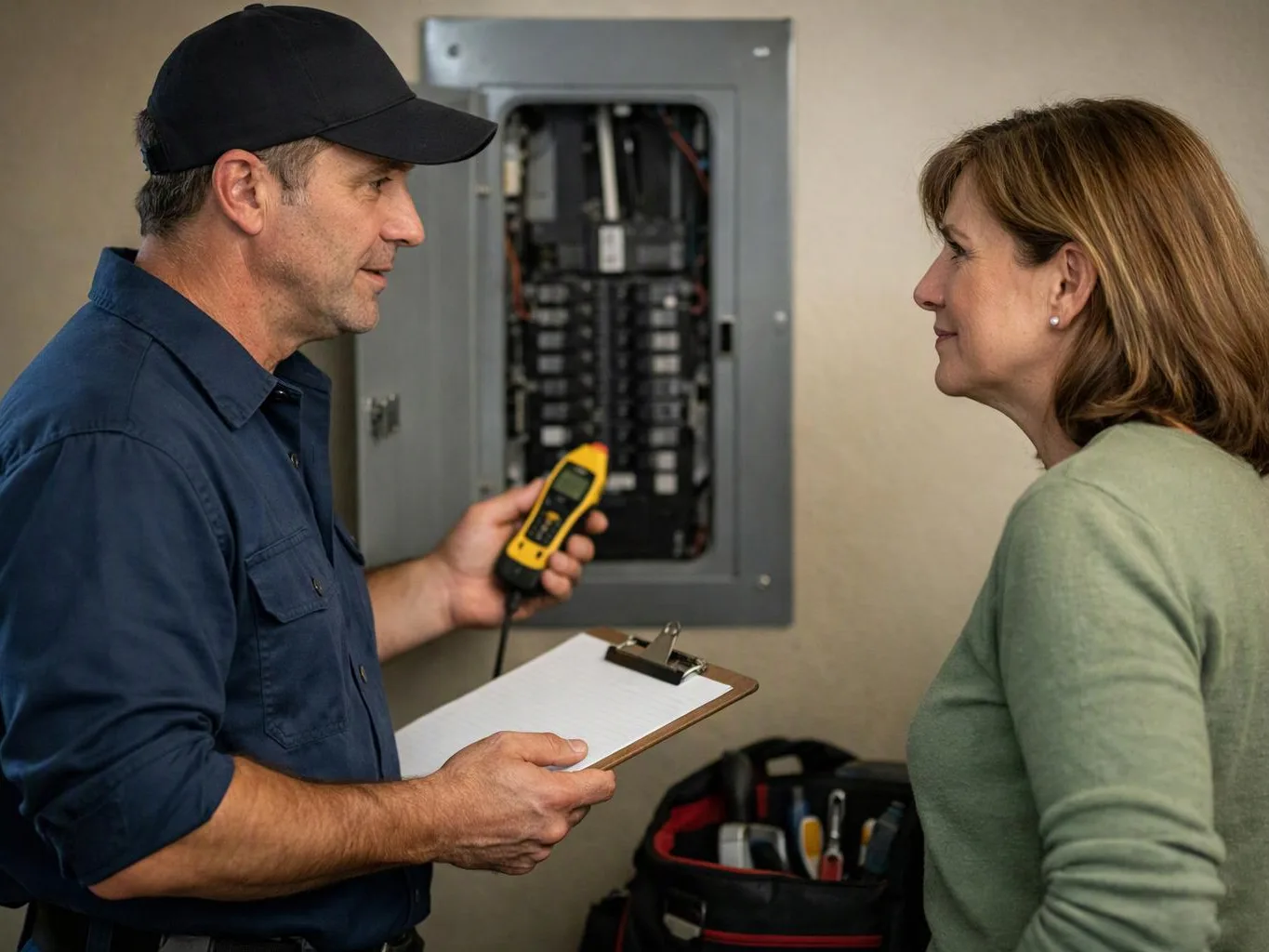
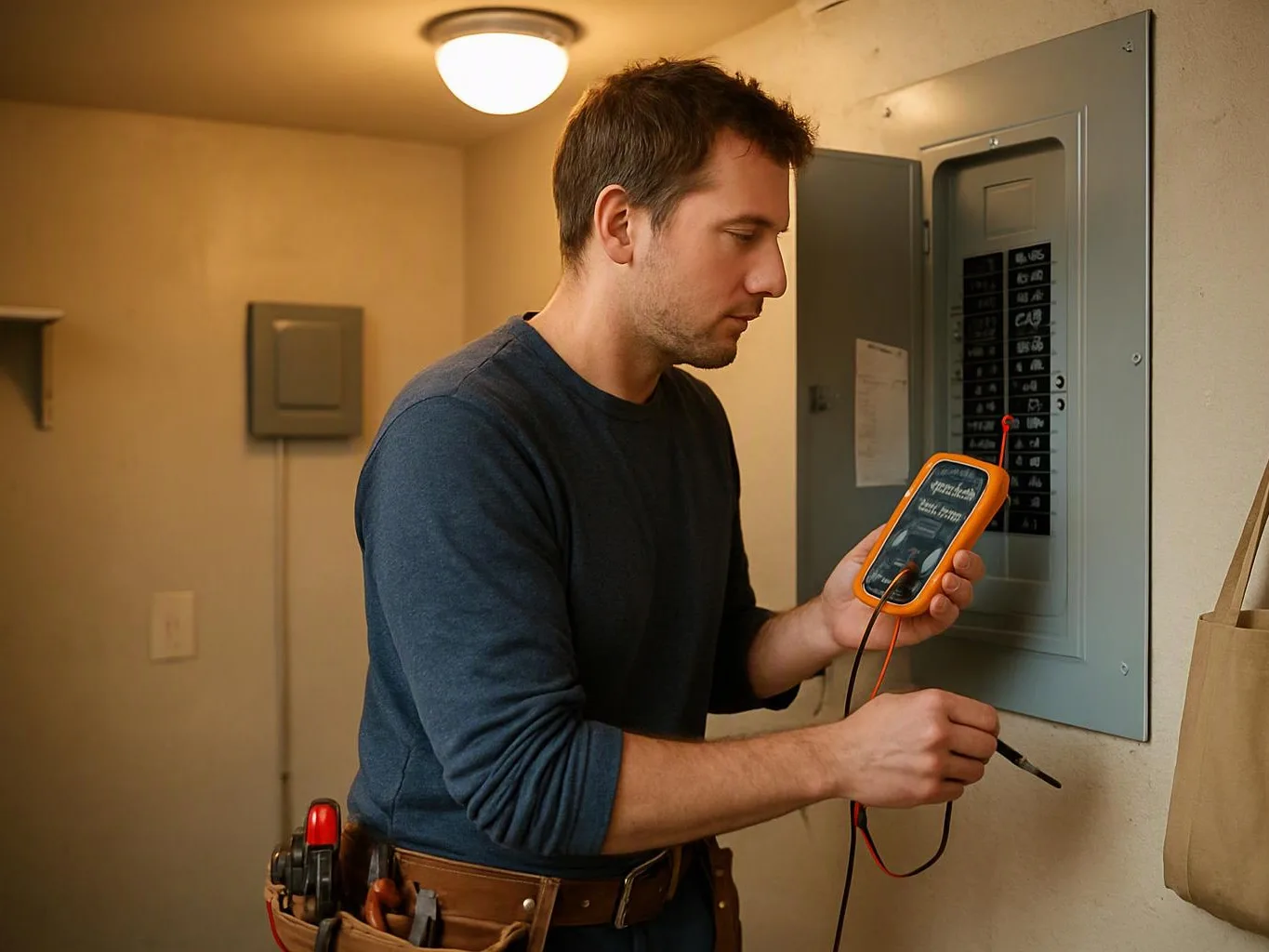
Arc faults, overloaded circuits, loose terminals, and exposed wires are hazards an electrical safety inspection can find. We also check panels, breakers, outlets, switches, and visible wiring for heat, damage, and unsafe connections. A warning sign such as a burning smell or buzzing panel needs prompt attention because it can signal fire risk.
How is the inspection matched to the property before work starts?
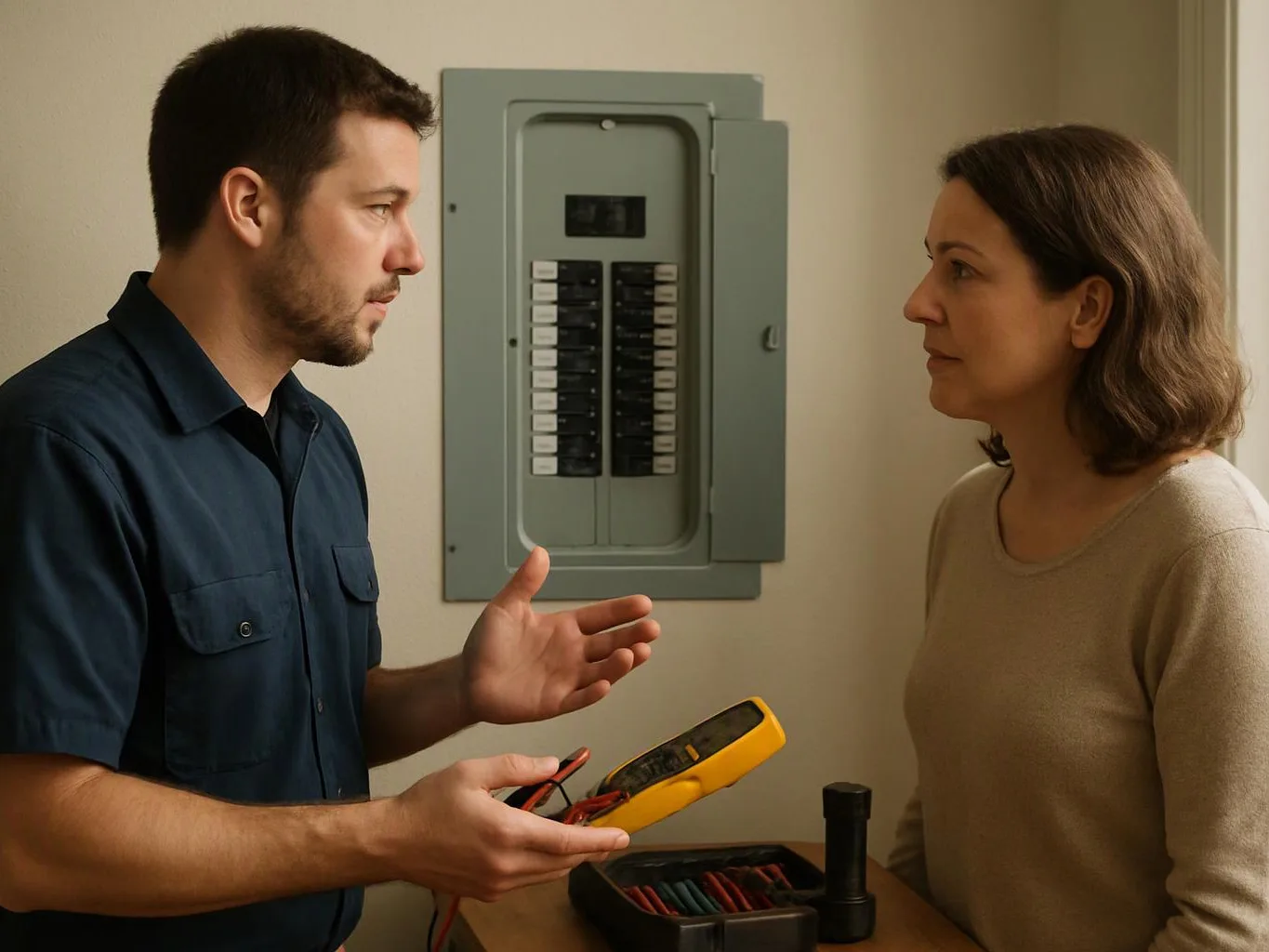
The property type, reported symptoms, panel access, and electrical changes guide the inspection plan. We ask about breaker trips, dead outlets, flickering lights, and planned equipment before checking the system. Residential and commercial properties receive a focused review based on how the electrical system is used.
What should be ready before the inspection starts?
Accessible panels, outlets, switches, and affected rooms help us complete a useful inspection. Keep stored items away from the panel and share any history of faults, repairs, or electrical upgrades. Do not remove covers or test damaged wiring yourself before we arrive.
Which part of the job changes the estimate?
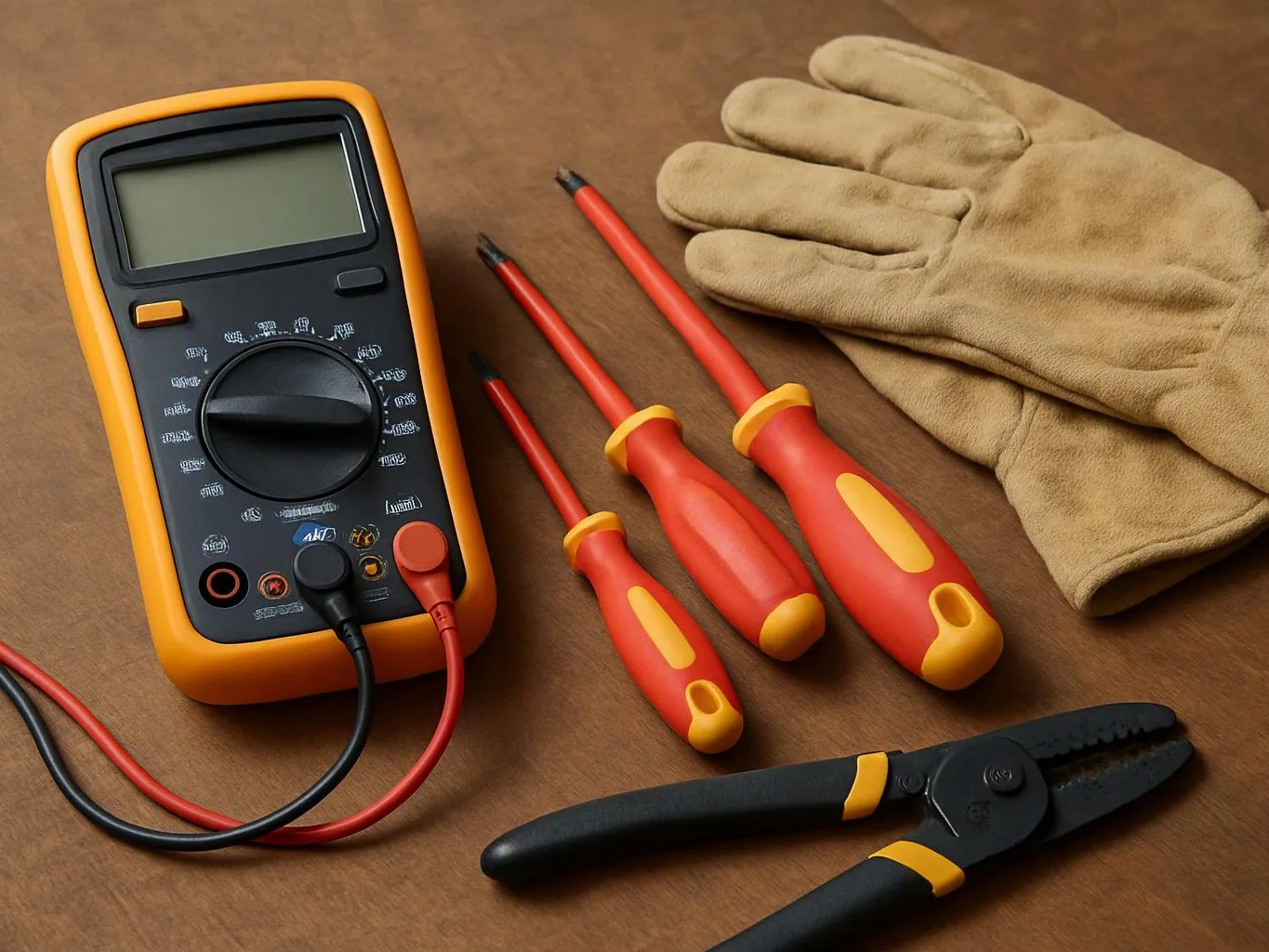
Circuit access, panel condition, circuit tracing, and added repair work affect the estimate. A visual inspection may lead to separate work when we find damaged wiring, unsafe terminals, or insufficient capacity. GMB Electric explains the recommended scope before planned repairs begin.
When is a safety inspection better than a repair call?
A safety inspection fits when you need a broad condition review or want to plan work before a property change. A repair call fits a known failure that needs direct correction, such as one dead outlet or a damaged switch. We can explain which service matches the reported problem.
Why does a breaker keep tripping during normal use?
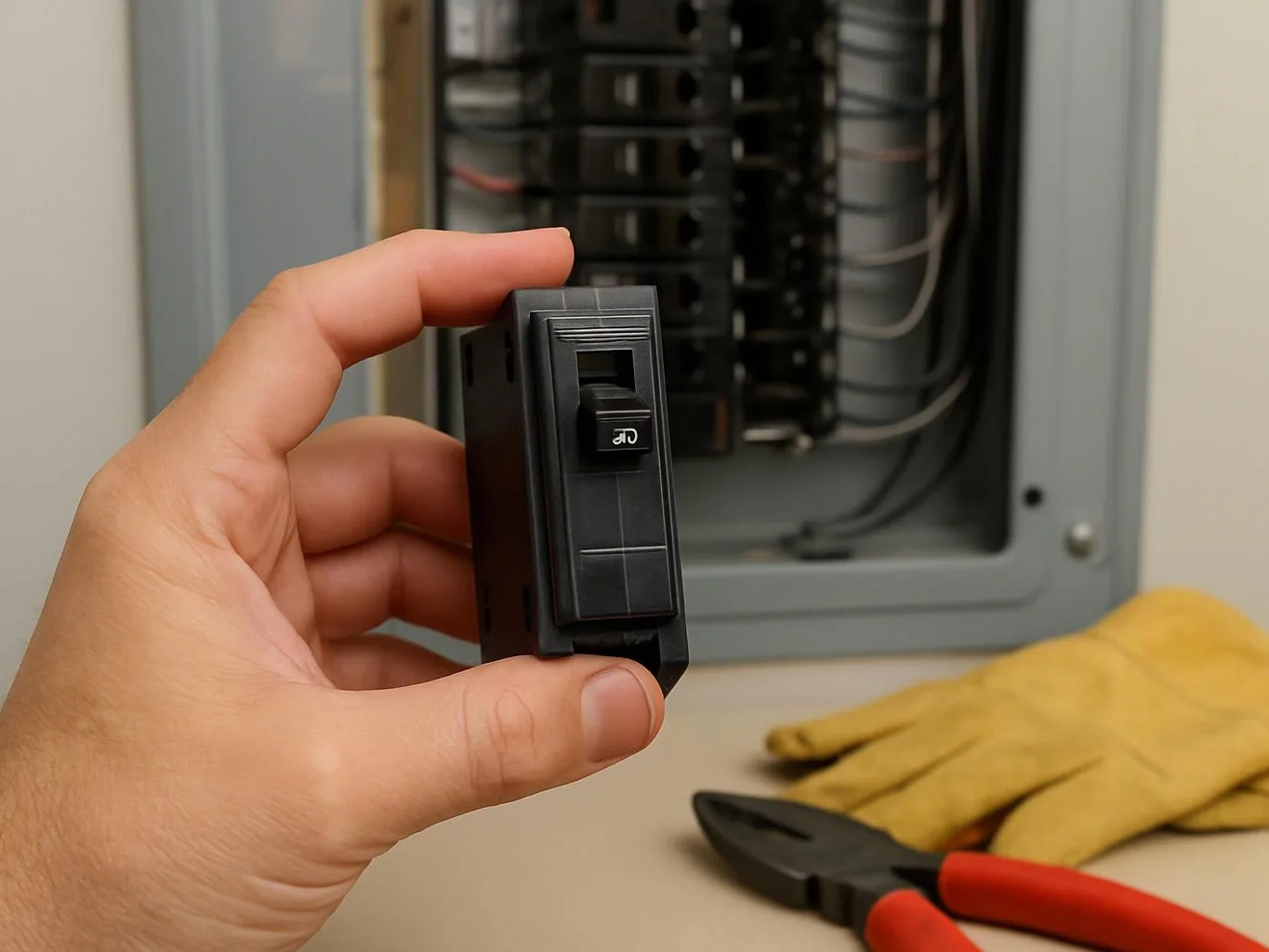
A tripping breaker can result from excess circuit load, a damaged device, a wiring fault, or a breaker problem. We trace the circuit and inspect connected outlets, switches, terminals, and panel parts. Keep resetting the breaker only if it stays on safely, and stop using the circuit if it trips again.
What should a customer ask before agreeing to an inspection?
Ask what areas will be inspected, what access is needed, and whether repair work is separate from the inspection. Also ask how findings will be explained and what testing or circuit tracing the scope includes. GMB Electric provides clear next steps for the conditions found.