What hazards can an electrical safety inspection find?
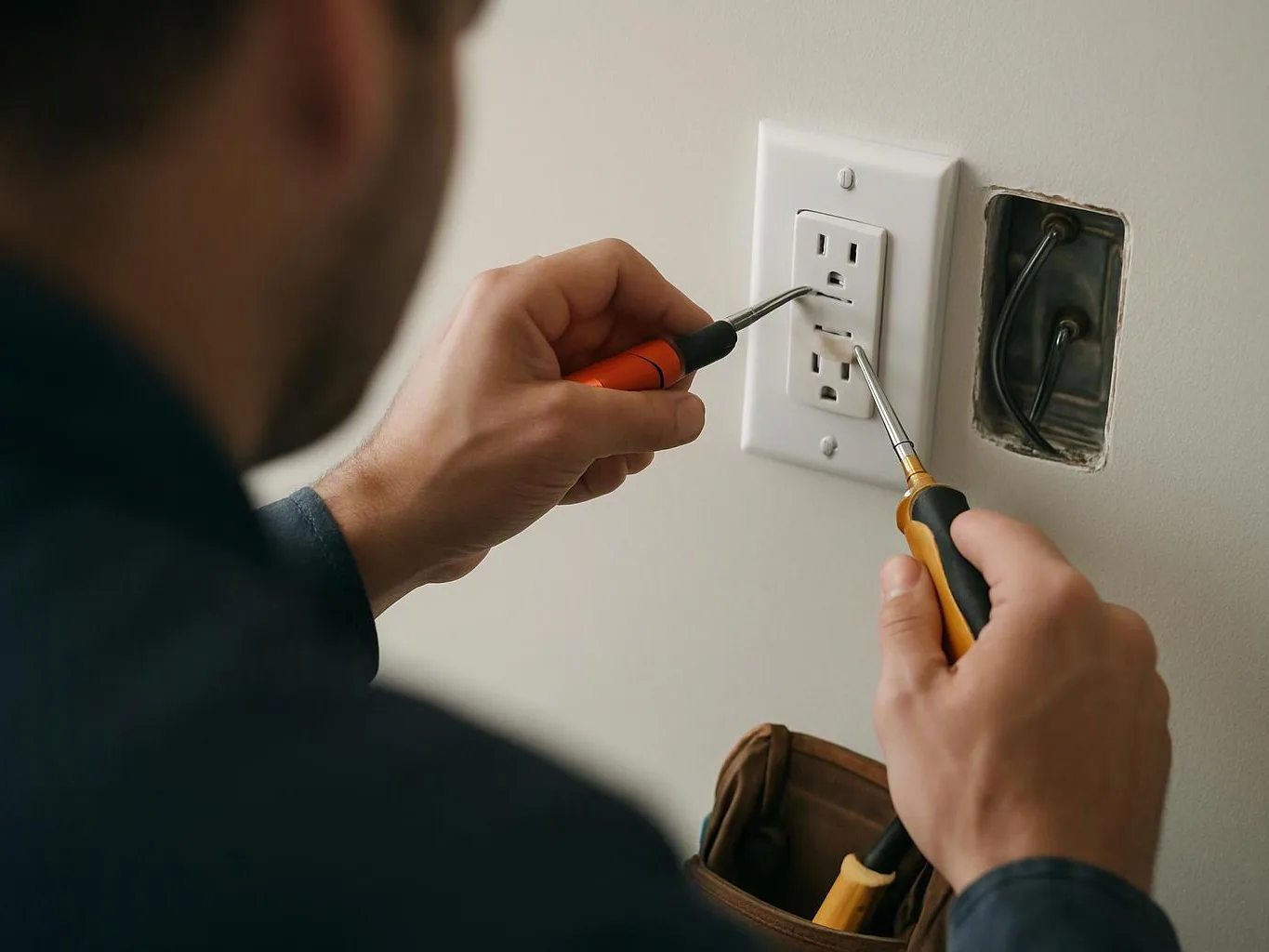
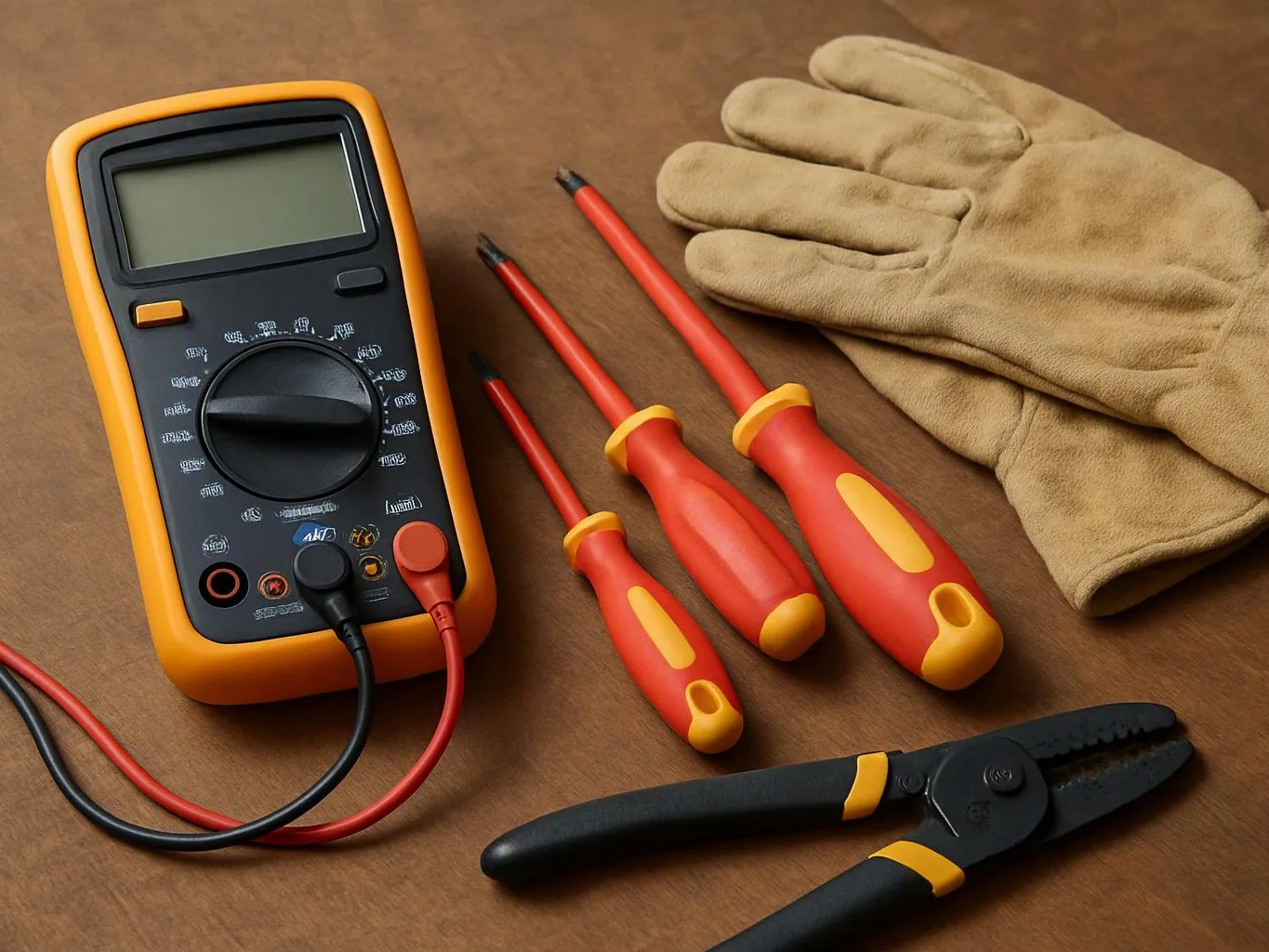
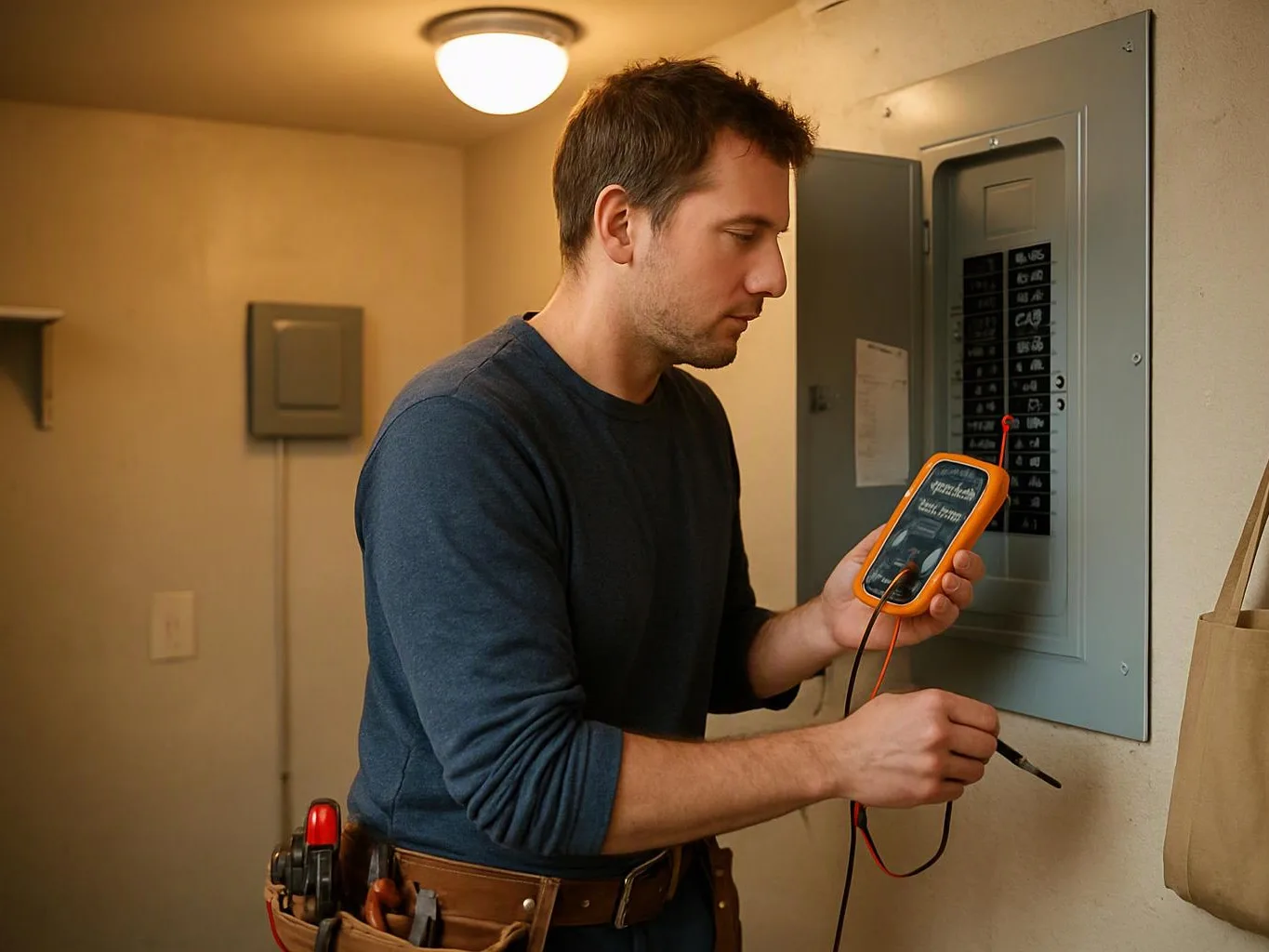
Exposed wires can create shock or fire risks and need prompt attention. An inspection also checks overloaded circuits, loose terminals, arc faults, damaged outlets, warm switch plates, and panel concerns. We isolate the affected area when needed, trace the circuit, and explain the repair or testing required.
How does a safety inspection visit move from the first call to the last step?
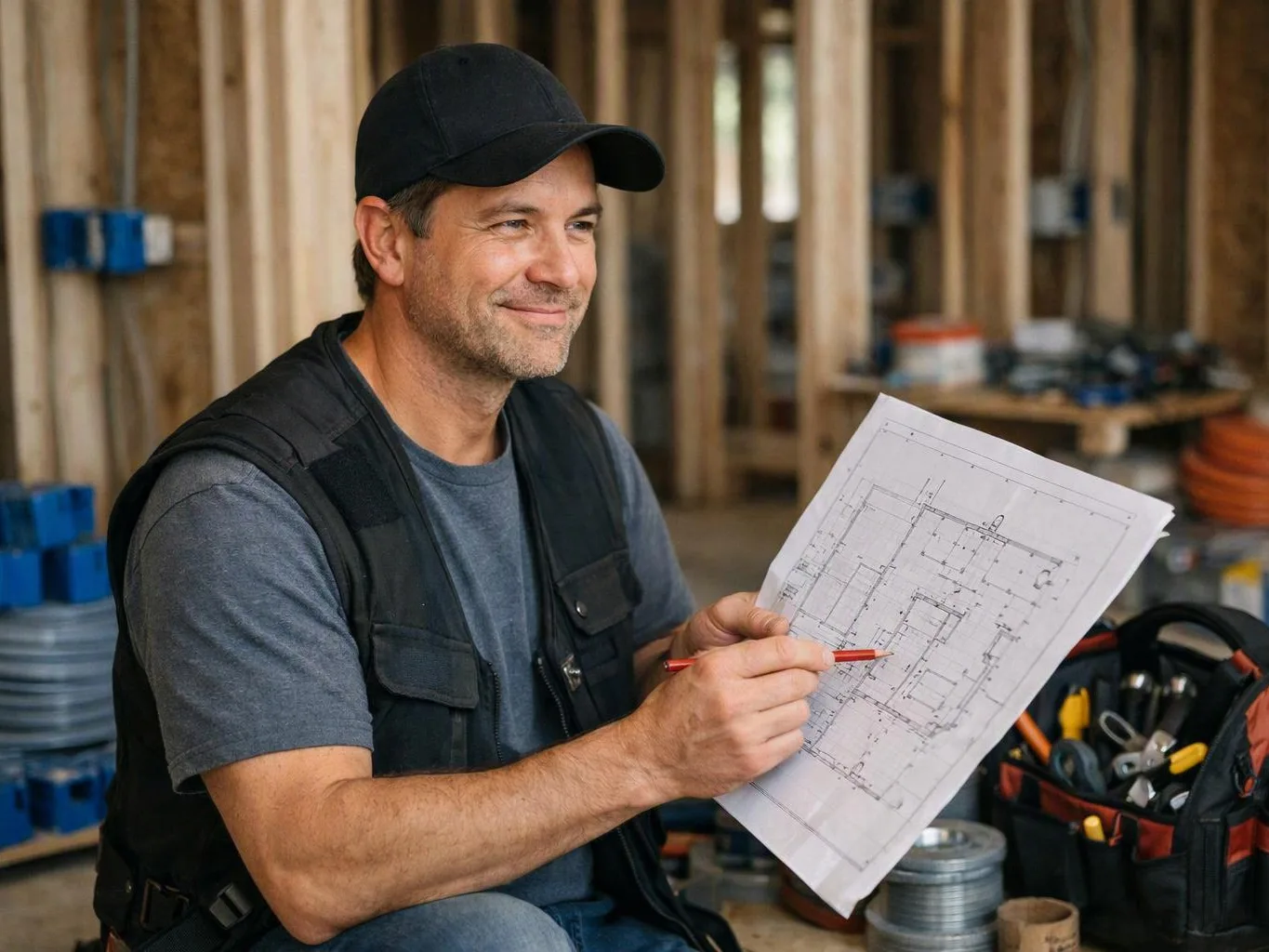
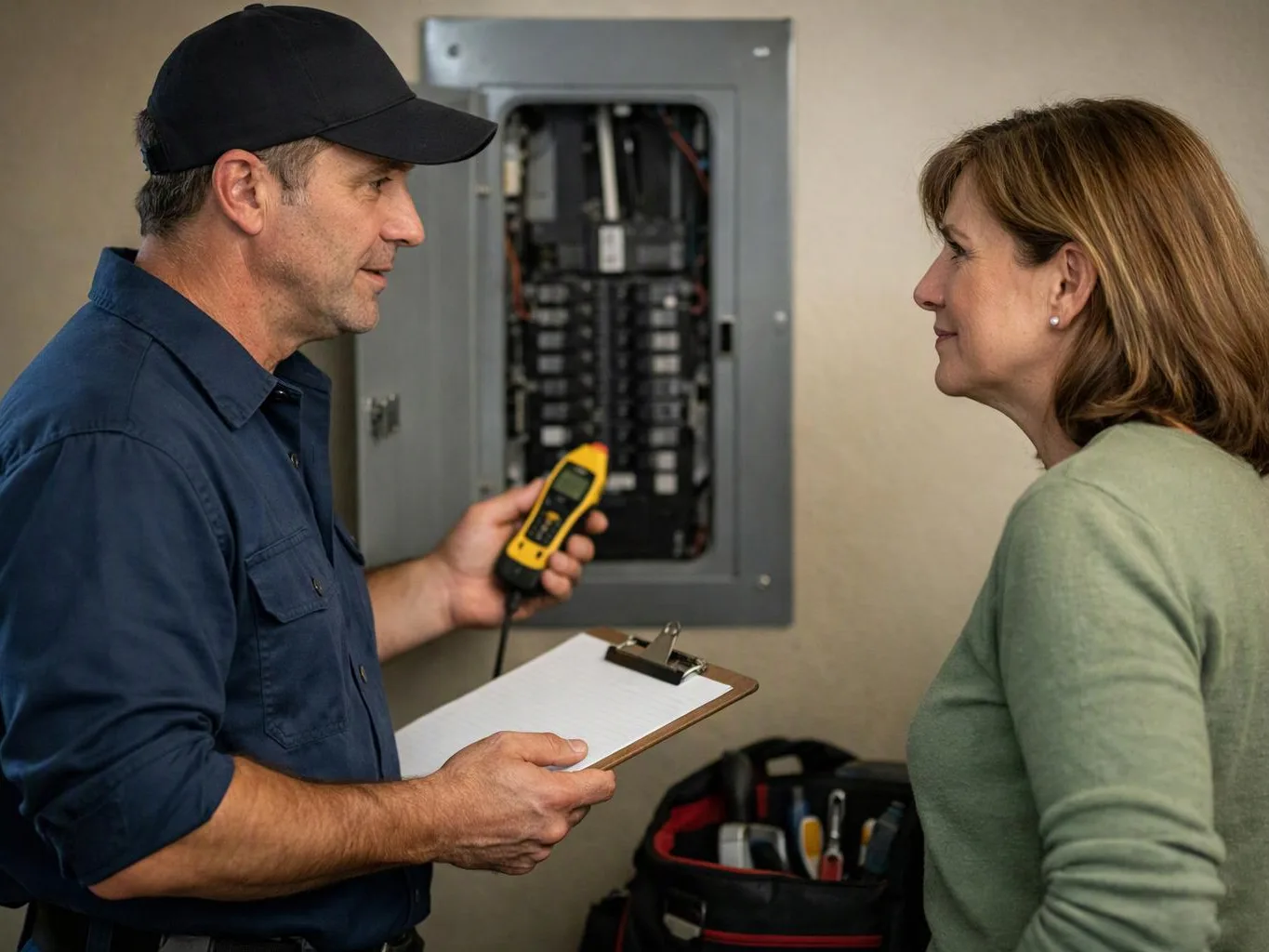
The visit moves from symptom review to inspection, circuit tracing, testing, and a written explanation of next work. We first discuss the property and warning signs. We then check accessible electrical parts and verify the findings before explaining whether repair, replacement, or further testing fits.
Which material changes how long the safety inspection takes?
Aluminum wiring can add inspection work because connections and related devices need closer review. The property layout, panel access, visible wiring, and number of affected circuits also shape the work. We explain the scope after seeing the system, without assigning a time before the inspection.
How can a customer tell whether this inspection fits the property?
A safety inspection fits when a home or business has warning signs, changed electrical demands, or concerns about wiring condition. Flickering lights, dead outlets, warm switches, and repeated breaker trips are useful reasons to request one. We use the reported symptoms and property type to set the review scope.
Why does a breaker keep tripping during normal use?
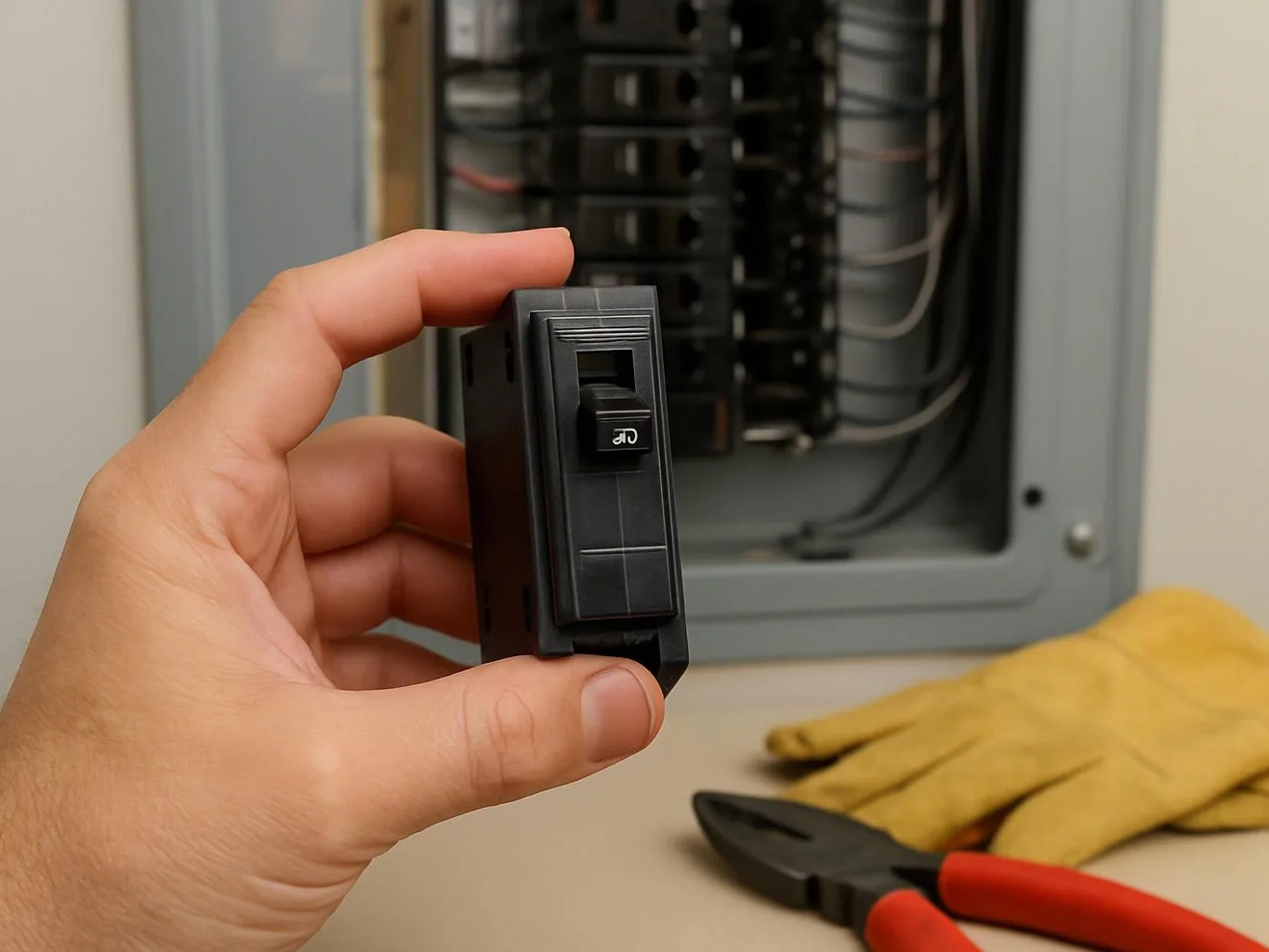
A repeatedly tripping breaker can signal overload, a short circuit, a damaged device, or another wiring fault. We check the breaker, connected outlets, circuit load, and visible connections to find the cause. Stop using the affected circuit if it shows heat, smoke, sparking, or a burning smell.
What should I do before the inspection begins?
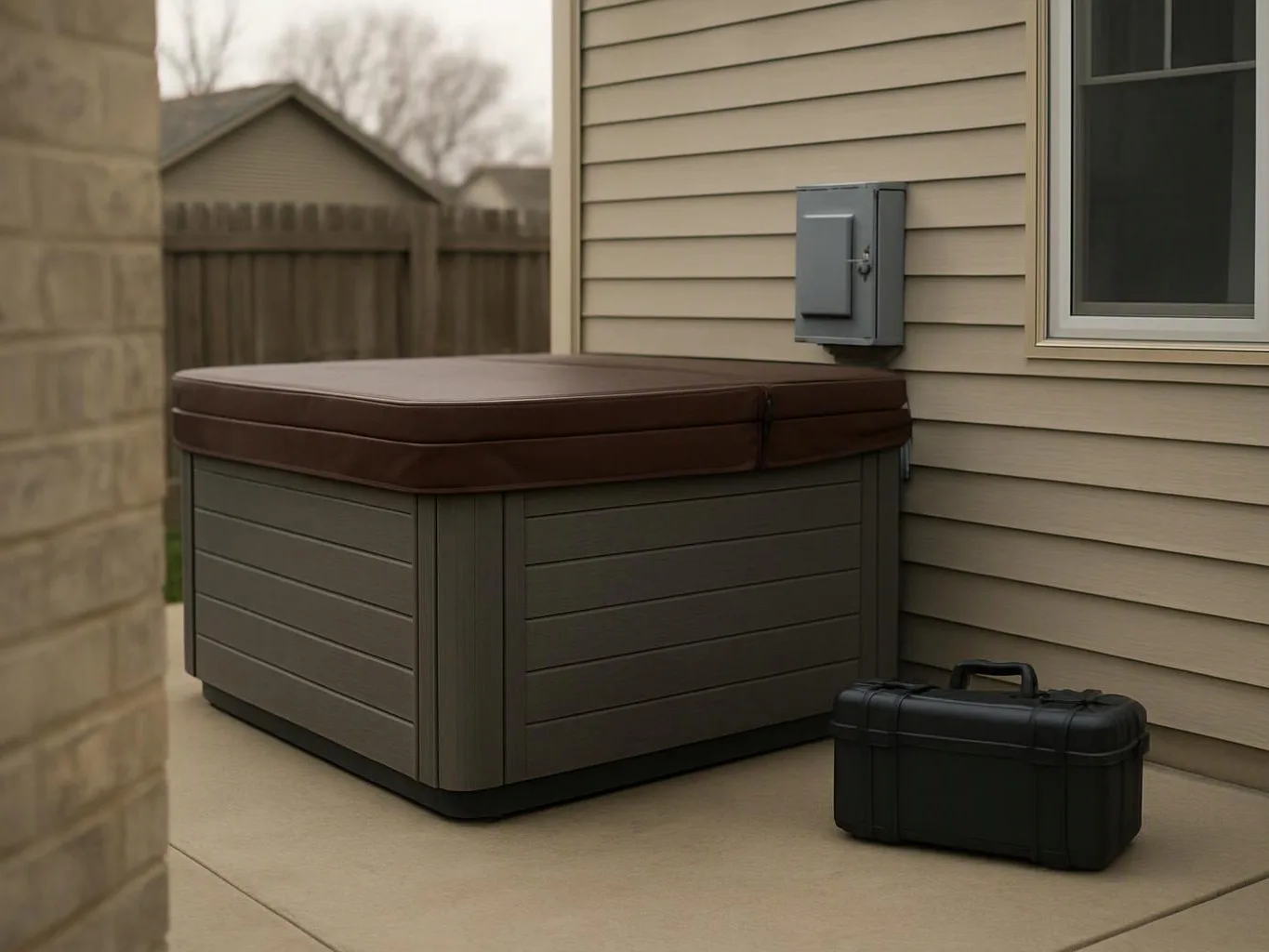
Keep access clear to the main panel, subpanels, outlets, switches, and areas with visible symptoms. Note which fixtures or devices were running when the problem appeared. Do not touch damaged wiring or open the panel yourself, especially if you smell burning or hear buzzing.
Who provides electrical safety inspections for homes and businesses?
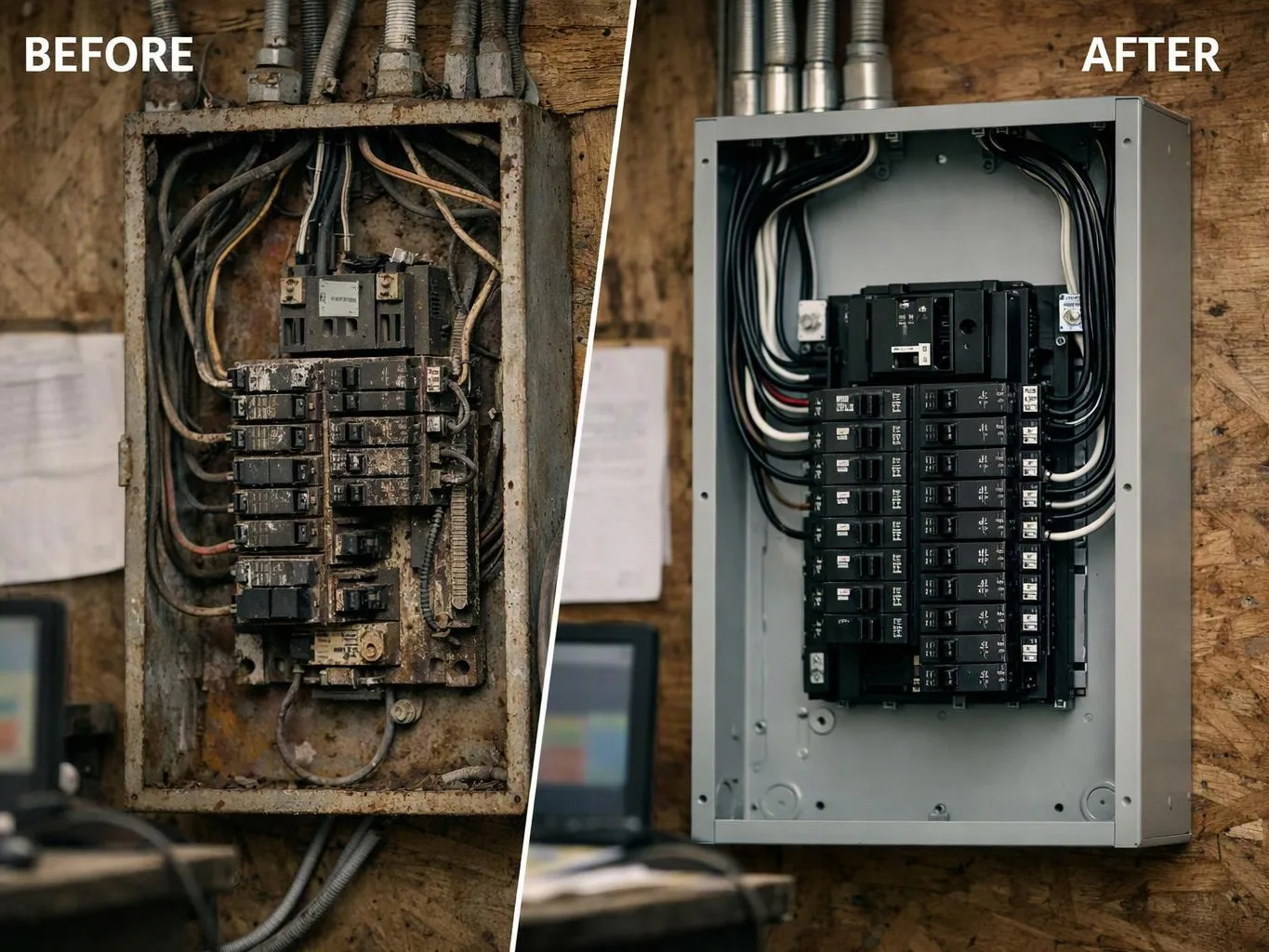
GMB Electric provides electrical safety inspections for residential and commercial properties. We check wiring, panels, circuits, outlets, and related safety conditions. Our team also handles panel upgrades, rewiring, circuit troubleshooting, lighting work, and code-compliant electrical improvements when the inspection identifies a related need.