How are electrical code correction needs identified from inspection findings?
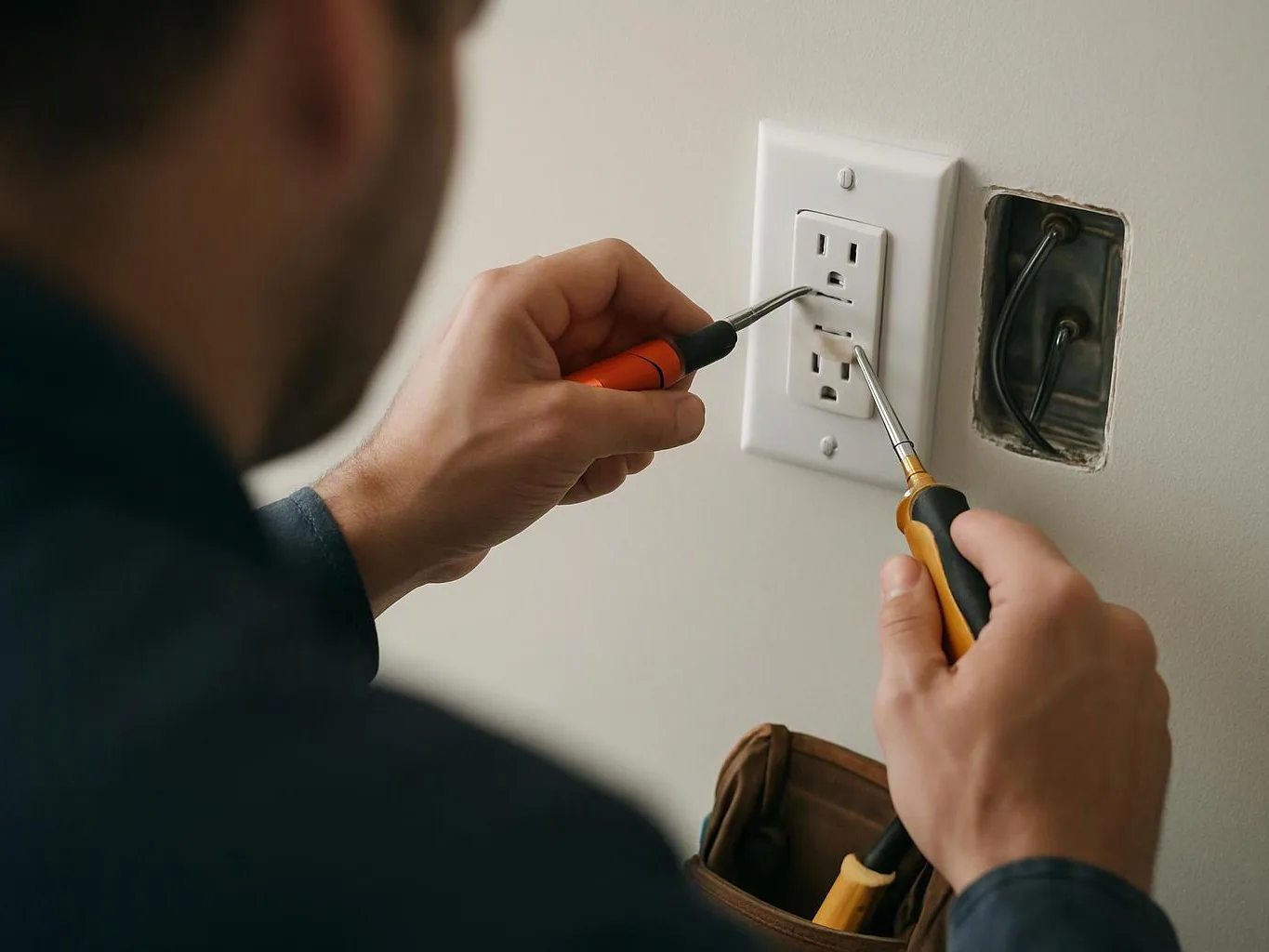
Inspection findings identify the reported condition, and GMB Electric checks the related circuit to confirm the repair scope. We inspect the listed outlet, switch, wiring, breaker, grounding, or panel connection. Circuit tracing helps when the visible defect does not show the full cause. We then explain whether the property needs a focused correction or broader electrical work.
What should I send before requesting a correction assessment?
Inspection documents, photos, and the location of the reported issue give us useful starting details. Include the affected room, outlet, panel, or circuit when you know it. Customers should also mention burning smells, buzzing panels, warm switch plates, sparking outlets, or repeated breaker trips. We use those details to plan the initial review.
Which material changes how long the correction work takes?
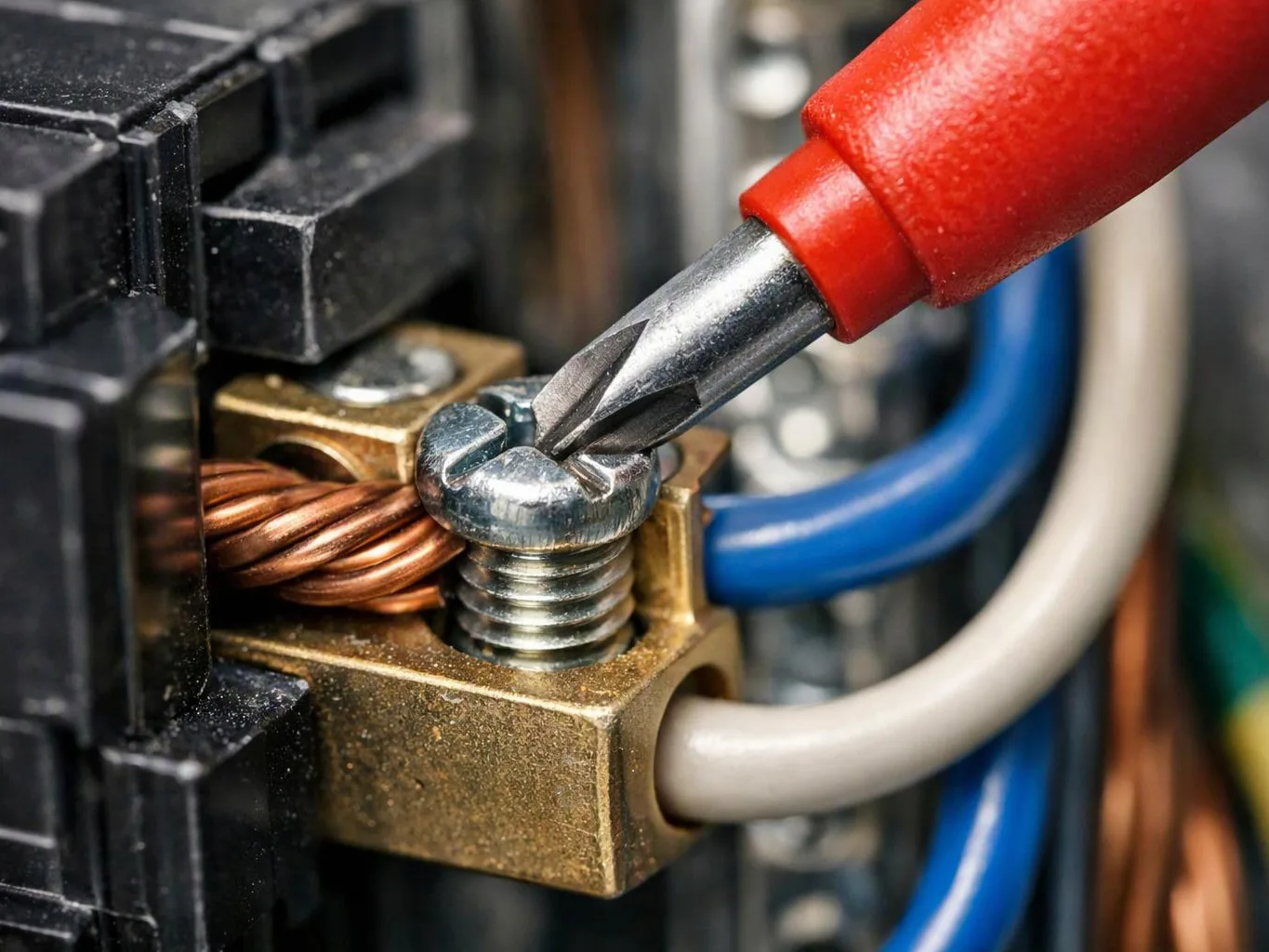
The wiring material and its condition can change the work needed for a code correction. Aluminum wiring, older insulation, damaged cable, and hard-to-access connections each call for different checks. We inspect the material before setting the scope. Customers receive a quote based on the actual wiring, access, and correction required.
How does an electrical code correction visit move from the first call to the last step?
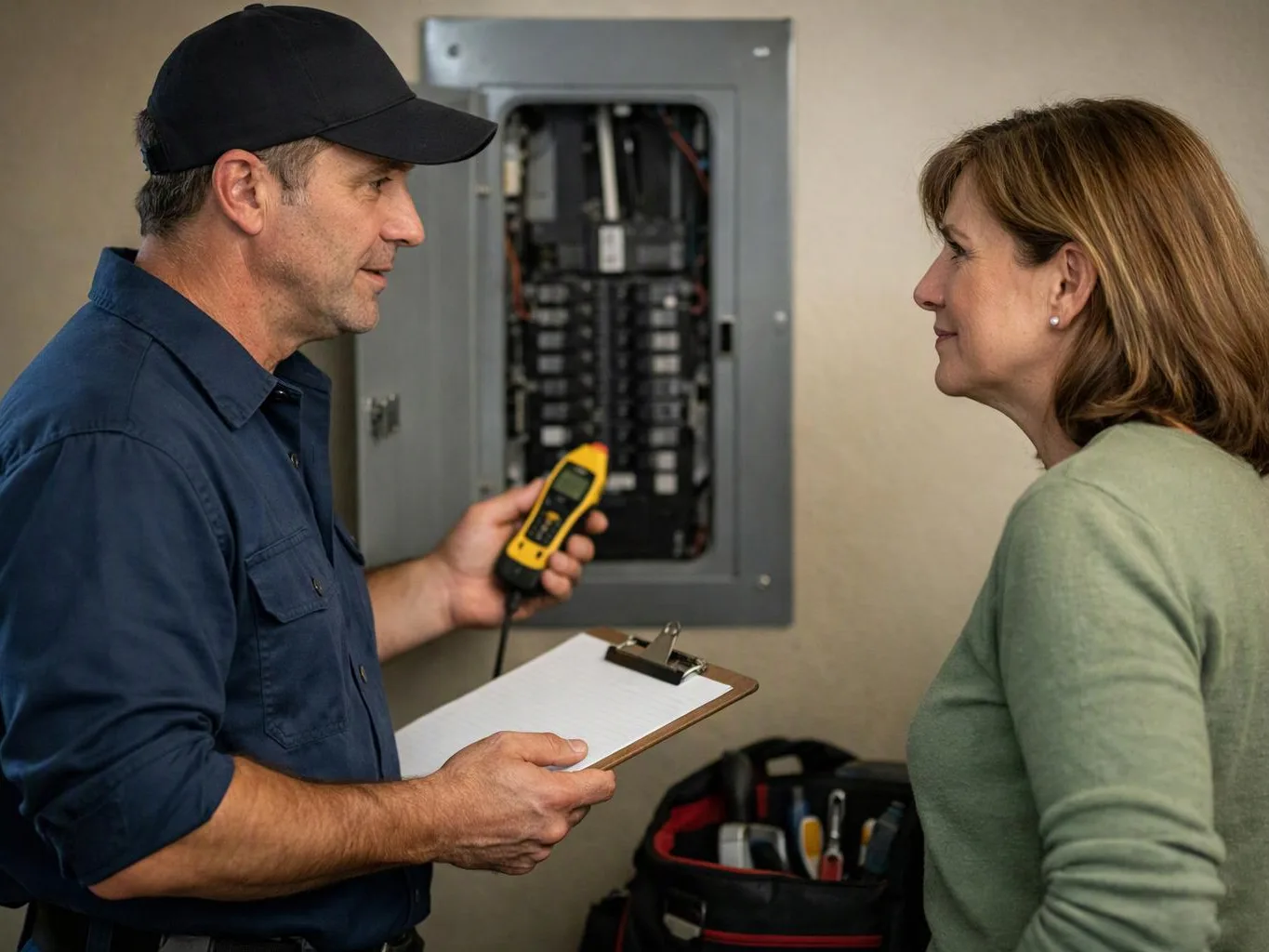
The visit moves from the reported concern to inspection, circuit tracing, repair, testing, and a final explanation. We first review the finding and locate the affected equipment. Next, we check connected wiring and panel parts, complete the agreed correction, and verify the repaired circuit. The final discussion covers what was checked and what remains outside the scope.
Why can a breaker keep tripping after an electrical repair?
A breaker can keep tripping when the circuit still has an overload, damaged wiring, a poor connection, or a faulty device. We isolate the affected circuit and inspect the breaker, wiring, outlets, and connected load. Customers should stop resetting a breaker that trips repeatedly and request an assessment, especially if they notice heat, buzzing, or a burning smell.
What decides whether this correction fits a commercial property?
The property’s electrical use, affected equipment, panel capacity, and access decide whether correction work fits a commercial property. We review the reported finding and inspect the related circuit or panel. A load calculation may matter when added equipment or a service change is involved. A utility outage outside the building requires a different first step.