When does a high wattage appliance need a dedicated circuit?
High wattage appliances need a dedicated circuit when shared demand exceeds safe capacity or the manufacturer requires separate wiring. GMB Electric checks the appliance label, breaker, wire path, and panel before planning the work. A separate circuit fits fixed equipment that draws substantial power. It does not repair a defective appliance or restore a utility outage.
How does a circuit installation visit move from the first call to the last step?
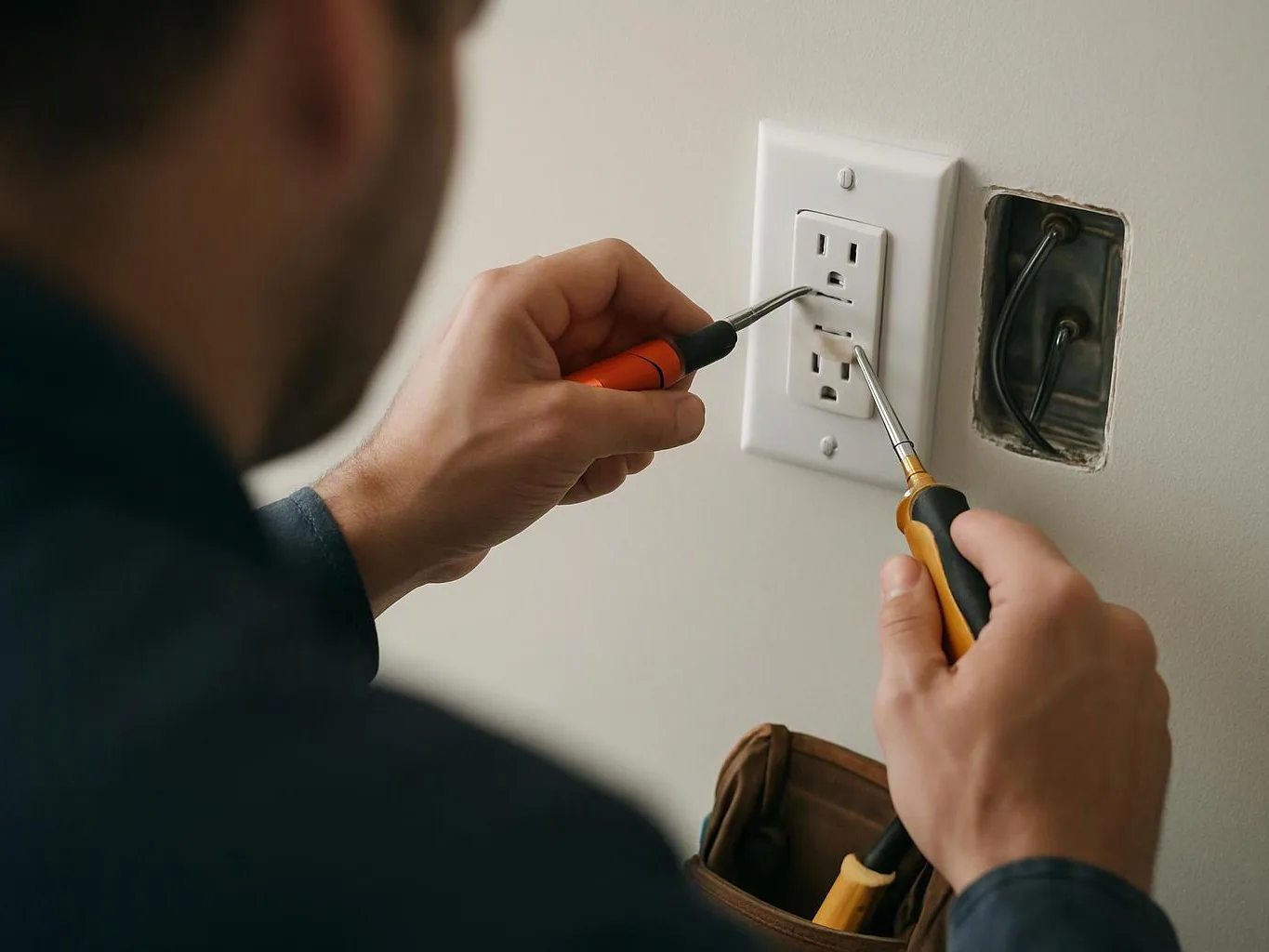
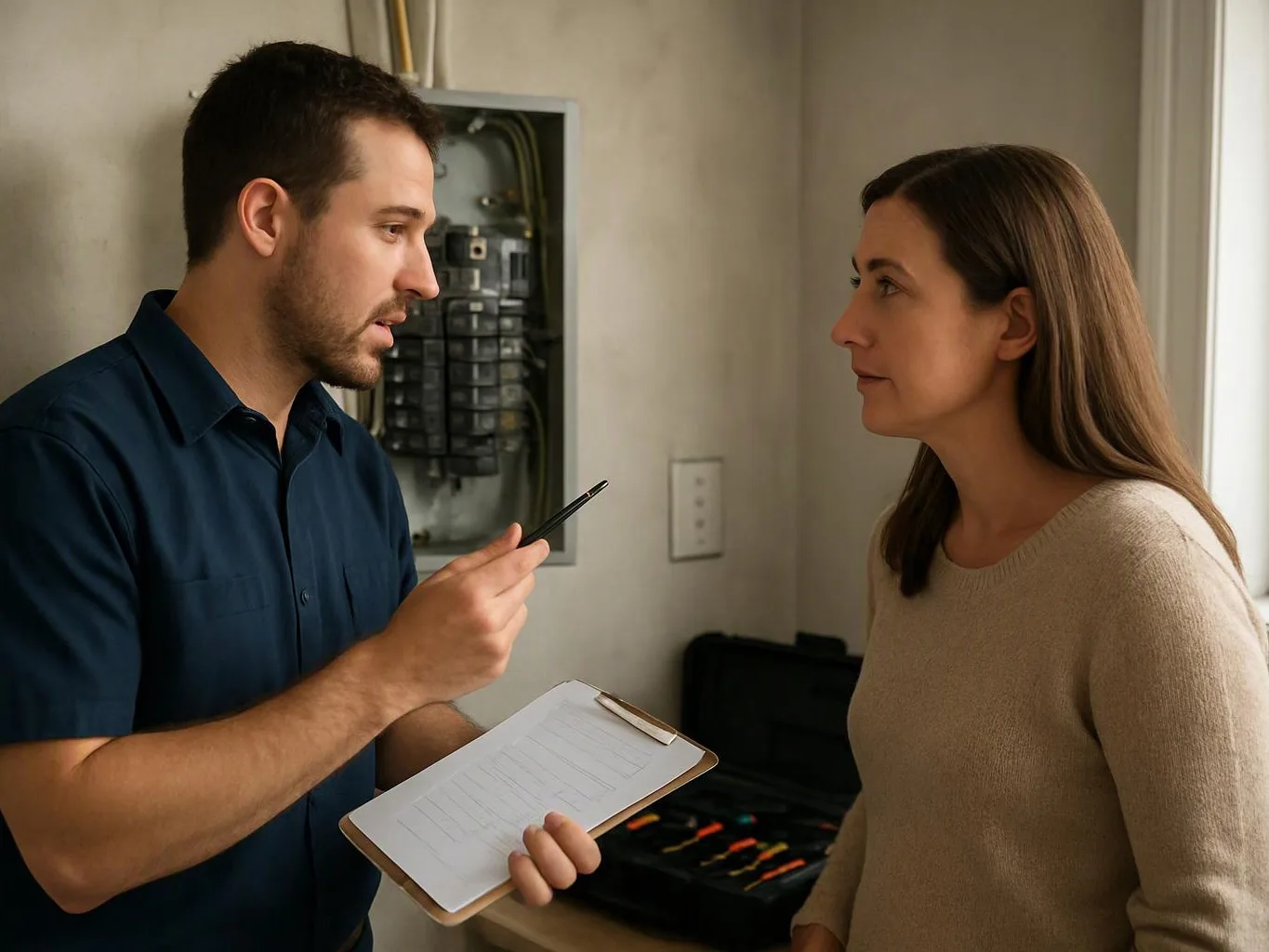
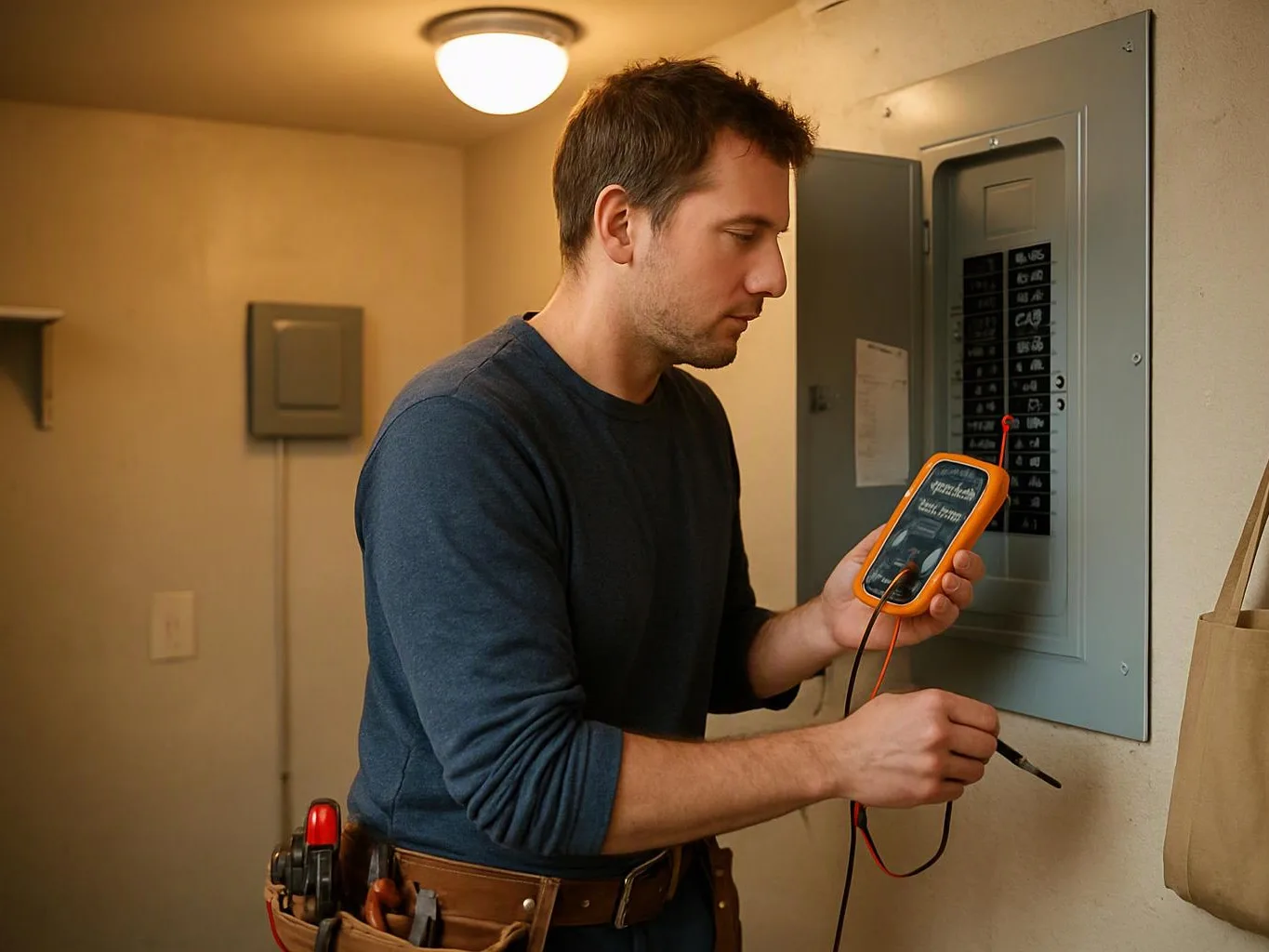
The visit moves from appliance review to panel inspection, circuit tracing, installation, and testing. We first identify the equipment and its electrical requirements. Next, we check the wiring path and available breaker space. After installation, we test the circuit and explain what was completed before the appliance is used.
Which material changes how long circuit installation takes?
The wire route usually changes the work time because access affects how the circuit reaches the appliance. Longer or restricted routes need more planning around walls, ceilings, panels, and connection points. We inspect the path before quoting the job. The appliance requirements and panel condition also affect the work scope.
How can a customer tell whether a dedicated circuit fits the property?
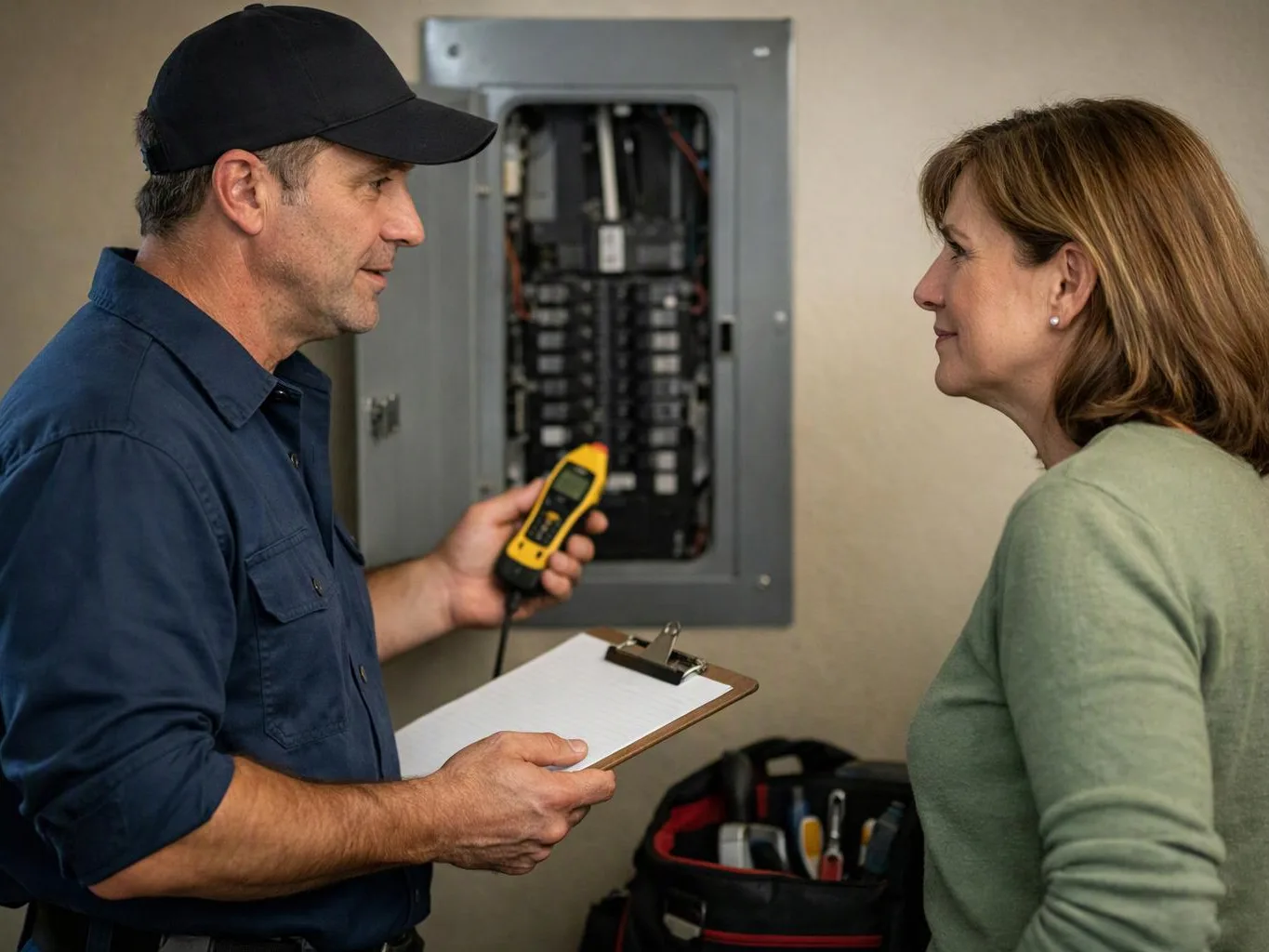
A dedicated circuit fits when one appliance needs separate wiring or shared use causes repeated breaker trips. We check the appliance label, panel capacity, grounding, and existing circuit path. Customers should not open the panel or alter wiring themselves. A quote or assessment gives the property-specific answer.
What does a breaker that keeps tripping mean for this work?
A repeatedly tripping breaker can show shared demand, a motor start load, damaged wiring, or an appliance fault. We isolate the concern, trace the circuit, and inspect the panel before adding a new circuit. Stop using the appliance if you smell burning, hear buzzing, or see heat around an outlet or switch.
Why might a motor appliance need separate wiring?
Motor appliances may draw extra current when they start, so shared wiring can trip during startup. We review the motor load and inspect the breaker, wire size, and connected equipment. A dedicated circuit may fit the appliance, but we first check whether the appliance itself or the existing wiring has a fault.
Which panel checks matter before adding an appliance circuit?
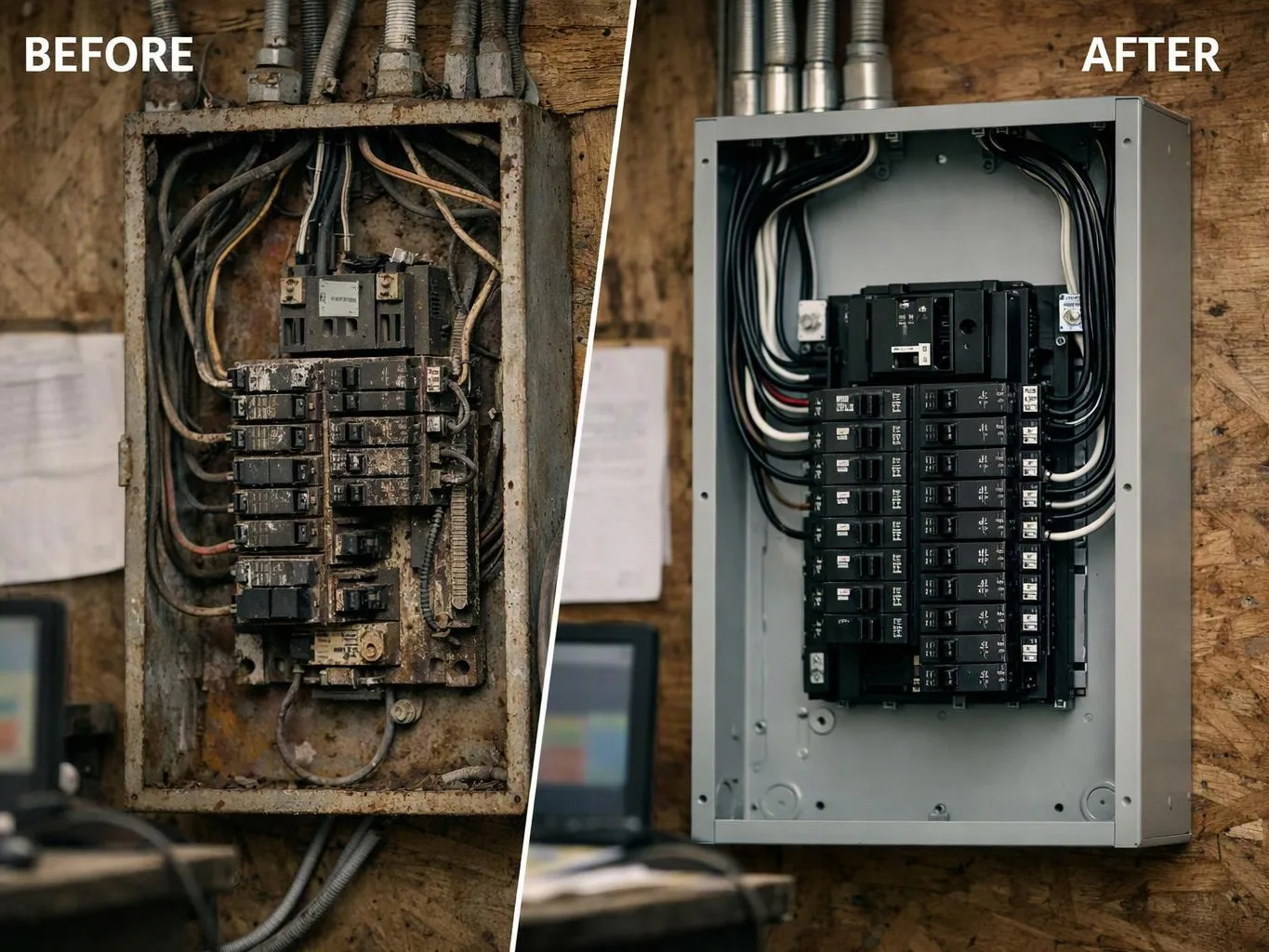
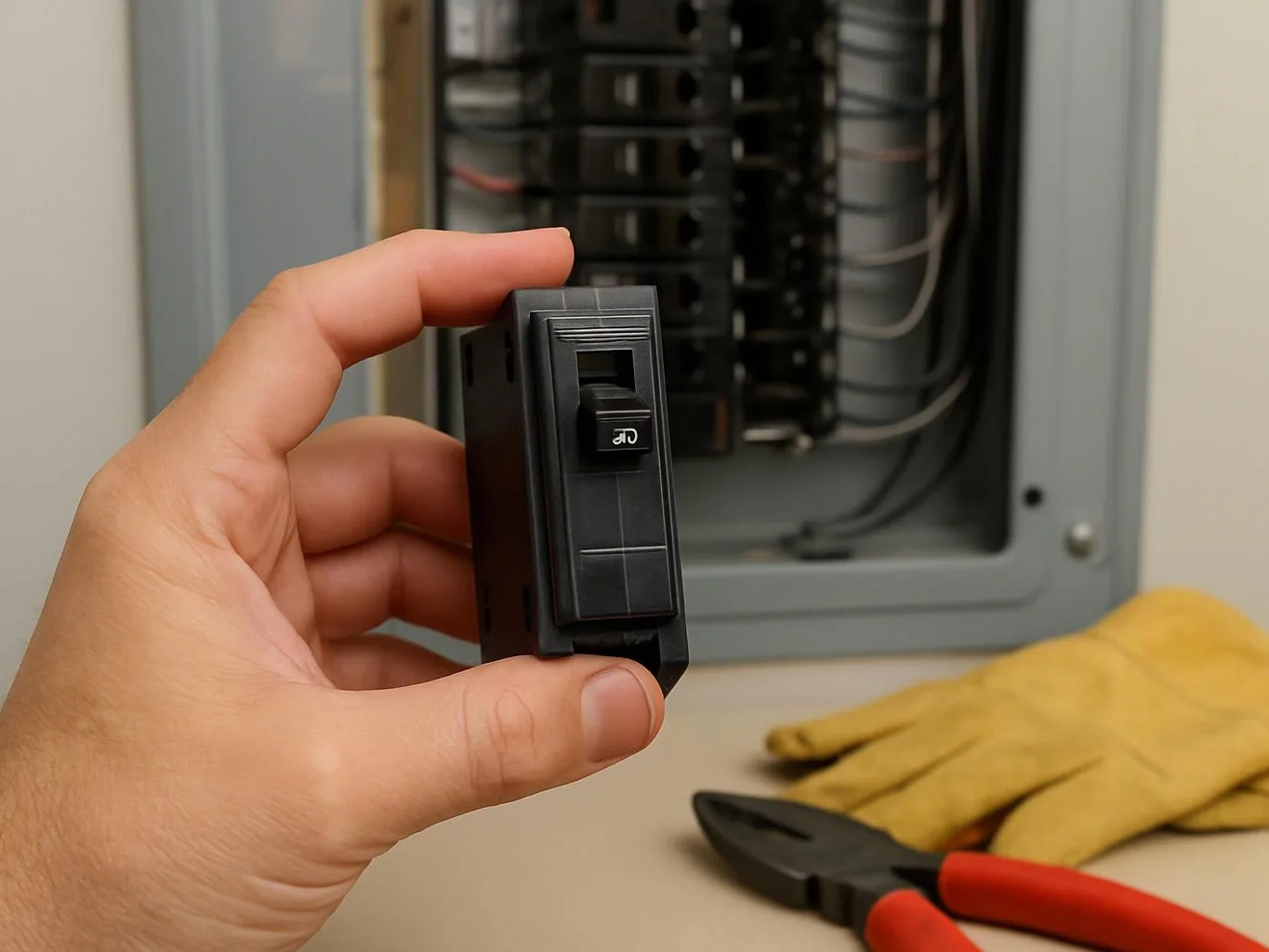
Panel capacity, breaker space, grounding, and the existing load matter before adding an appliance circuit. We inspect the panel and trace connected circuits to understand the electrical demand. A panel upgrade may be needed when the system cannot support the planned load. We explain that separate scope before installation.