Outlet, Switch, and GFCI Electrical Service Guide
Outlet repair warning signs include heat, scorch marks, sparks, buzzing, looseness, or repeated circuit trips. GMB Electric checks the outlet, wiring, switch, and GFCI protection to identify the fault and complete the appropriate repair or installation.
Request an Estimate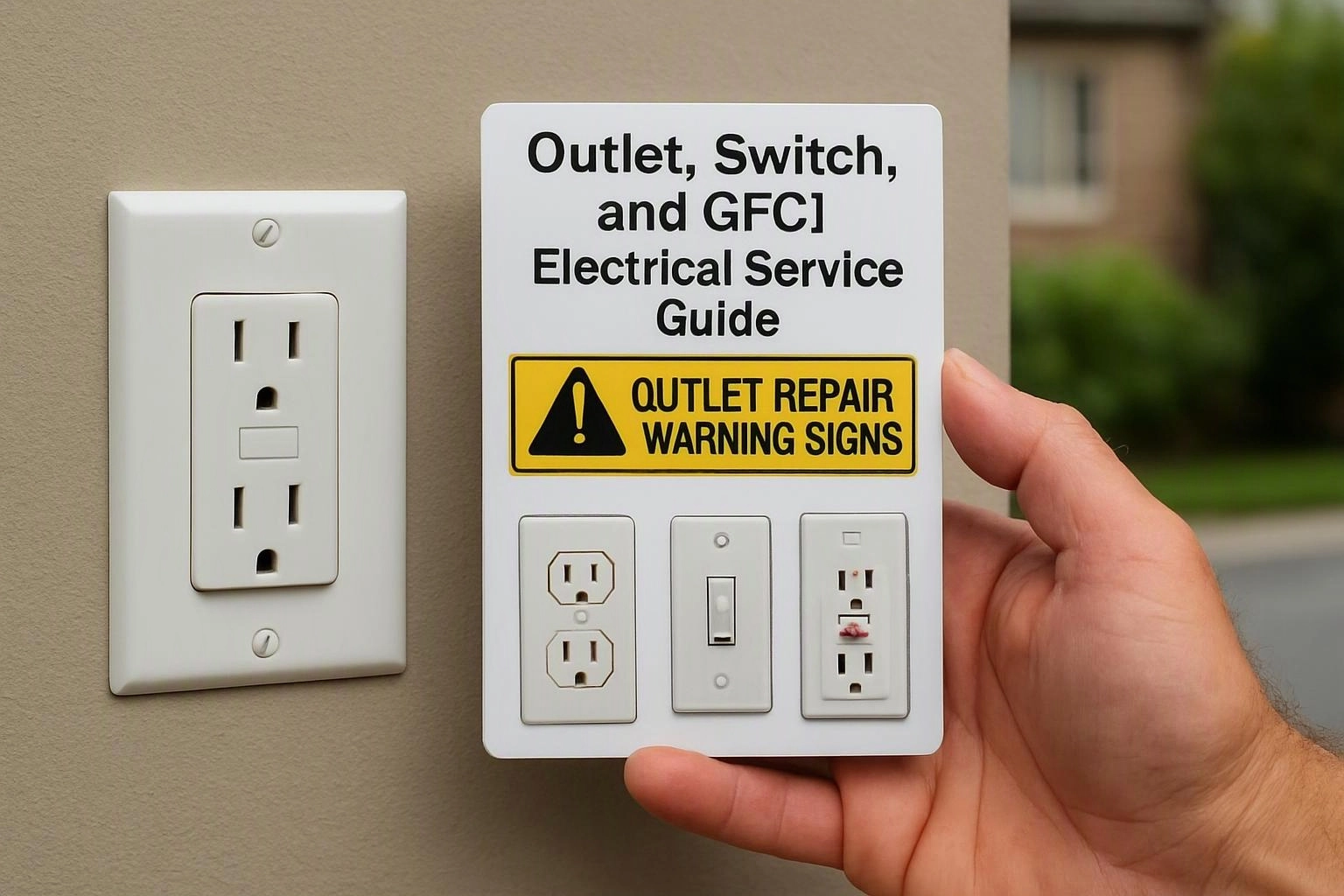
Outlet repair warning signs indicate electrical faults requiring outlet, switch, or GFCI service. GMB Electric examines the affected electrical outlet and the connected circuit so we can address the immediate hazard and look for related wiring problems.
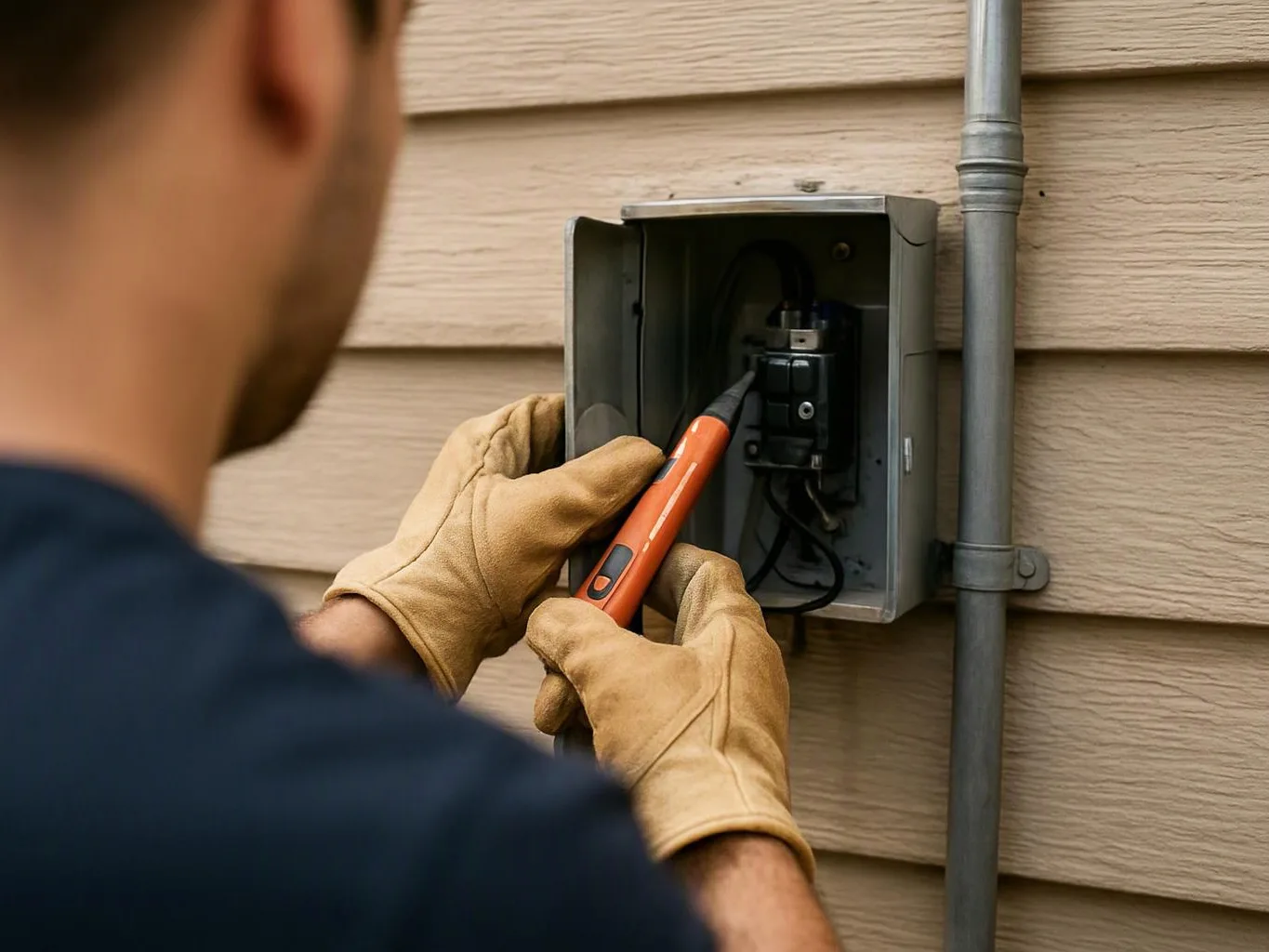
Turn off power at the circuit breaker when an outlet or switch shows active sparking, smoke, or strong burning smell. Do not use the device again until we complete an electrical safety check.
Which Outlet Problems Need Prompt Attention?
Outlet problems need prompt attention when an outlet feels hot, shows scorch marks, produces sparks or buzzing, feels loose, or repeatedly trips the circuit. These signs can point to a damaged receptacle, poor electrical connection, circuit overload, or a fault inside the electrical wiring.
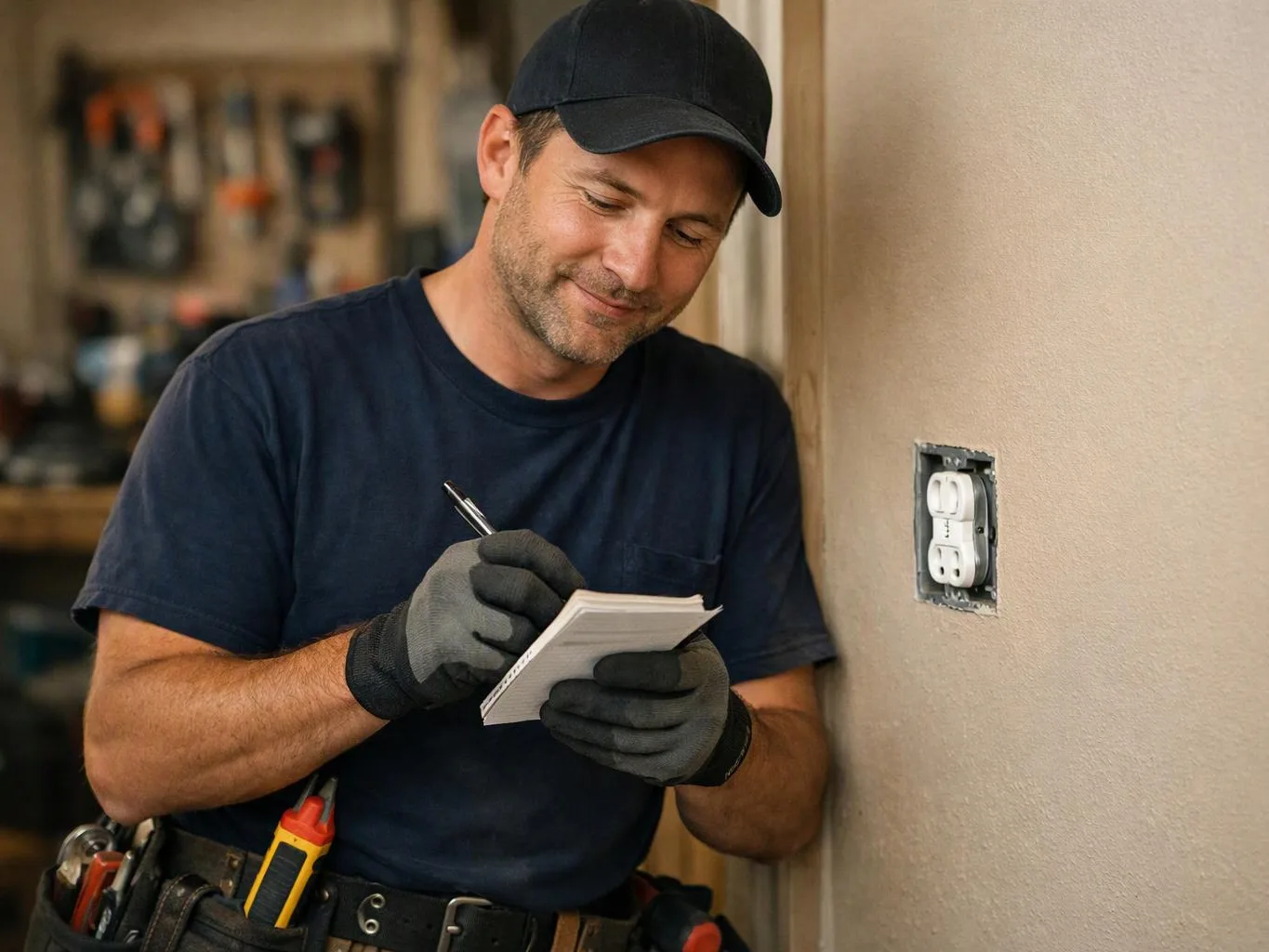
We inspect the outlet, faceplate, electrical box, and circuit breaker to identify the source. A damaged outlet can create an electrical hazard even when connected devices appear to work normally.
Outlet Repair Warning Signs to Check
Several visible or audible changes can show that an electrical receptacle needs attention. We use these observations as starting points for a closer inspection of the device and branch circuit.
We determine whether the repair involves receptacle replacement, wiring repair, or a broader circuit concern. Avoid forcing plugs into a loose device or resetting the circuit breaker repeatedly.
When Outlet Repair and GFCI Installation Belong Together
Outlet repair and GFCI installation belong together when an existing receptacle is damaged and the location also needs ground-fault protection. A GFCI outlet helps protect people by interrupting power when current leaves its intended path.
We review the location, grounding, wiring condition, and existing protection before choosing the correct GFCI receptacle. These scenarios commonly require both services:
We correct the underlying outlet or wiring problem before confirming that the GFCI protection operates correctly. This approach helps prevent a new device from masking a continuing circuit fault.
How Outlet Repair and GFCI Installation Work Together
Outlet repair and GFCI outlet installation work together through inspection, circuit testing, wiring correction, and final protection checks. The correct sequence depends on the condition of the receptacle and the circuit serving it.
Bundling related work can reduce repeated troubleshooting because the outlet and its protection are assessed as one electrical system. We explain the recommended scope before completing the repair or installation.
How We Diagnose a Faulty Outlet
Outlet diagnosis begins with a safe inspection of the device and the circuit that supplies it. We follow a clear process so visible symptoms are checked against the actual electrical condition.
We do not treat a repeated breaker trip as a simple reset-button issue. Circuit testing helps us determine whether the fault is at the outlet, in the wiring, or elsewhere on the branch circuit.
What GFCI Outlets Protect and Where They Belong?
GFCI outlets protect people by interrupting power when electrical current takes an unintended path, making them important wherever electricity may contact moisture. A GFCI outlet provides ground-fault protection through a sensing mechanism that can disconnect power quickly during a fault.
GFCI receptacles commonly belong in areas such as kitchens, bathrooms, laundry spaces, garages, outdoor locations, and other places where moisture may be present. We assess the electrical receptacle, grounding, line and load wires, and downstream protection before completing GFCI outlet installation.
The reset button restores power after an interruption when the circuit is safe to reset. If the button will not reset or trips again, we test for moisture, wiring faults, grounding problems, and connected equipment that may create a shock hazard.
How to Recognize a Light Switch That Needs Repair
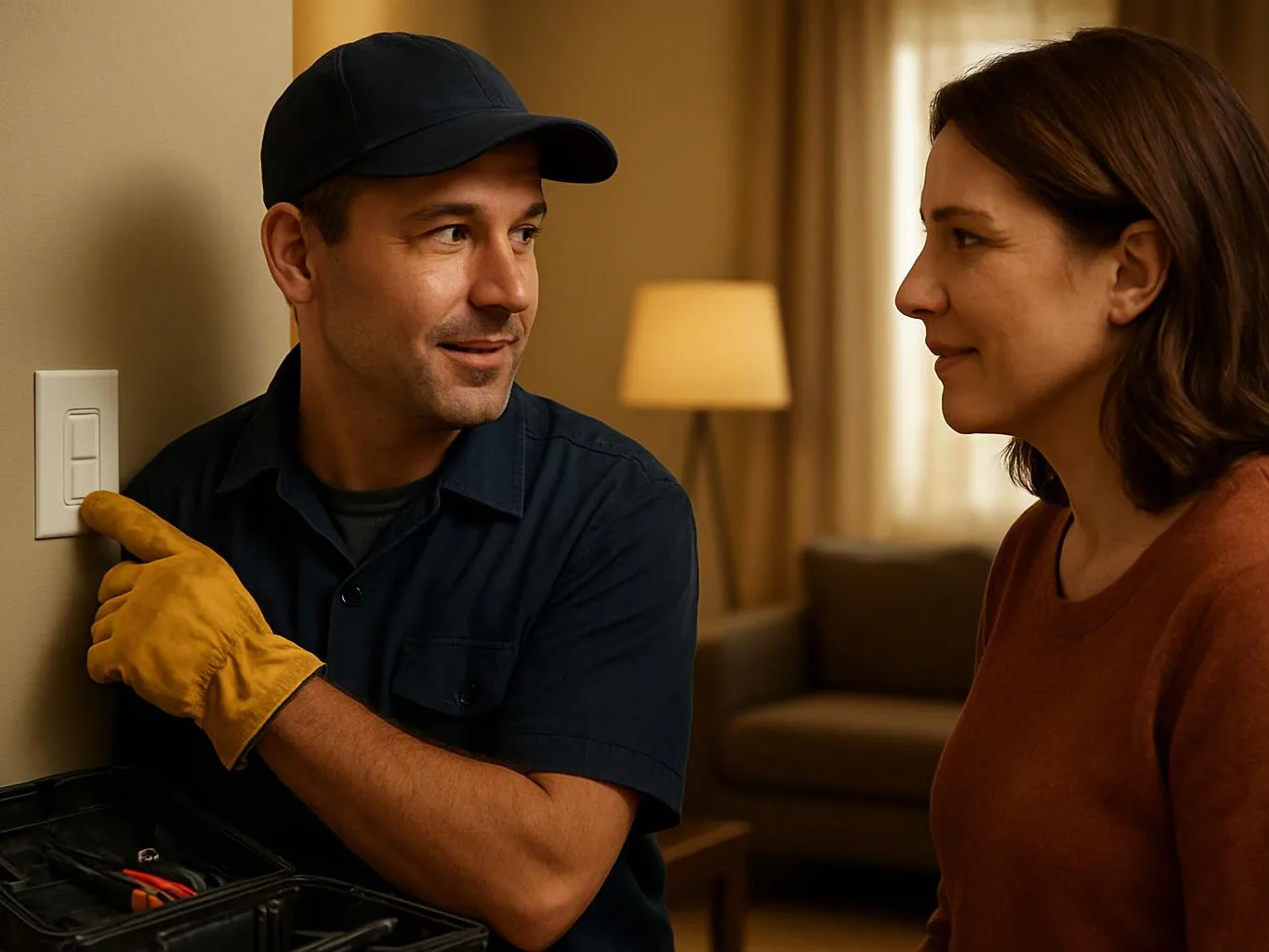
A light switch needs repair when it feels hot, crackles, buzzes, sparks, operates inconsistently, or fails to control the light. A flickering light can also point to a loose electrical connection at the switch, fixture, or circuit.
We inspect the switch plate, terminals, electrical box, and related wiring to determine whether the issue calls for light switch repair or a wider circuit check. We can address common switch types, including single-pole and three-way switch arrangements, when the wiring condition supports the repair.
Do not continue operating a switch that smells burned, makes noise, or shows heat. We can isolate the circuit and test the connection before recommending the appropriate repair.
What Changes the Scope of an Outlet or Switch Repair?
The scope of an outlet or switch repair changes with the visible damage, wiring condition, electrical box, circuit layout, and need for GFCI protection. A simple device replacement may expand when the box is damaged, conductors are overheated, or the circuit has another fault.
We examine whether the existing electrical box securely supports the device and whether the wire connections are sound. We also check for circuit overload, grounding concerns, and related devices that may share the same branch circuit.
Outlet replacement or switch replacement may be appropriate when the device is worn or damaged. Wiring repair or further circuit diagnosis may be needed when the device is only showing a symptom of a deeper electrical problem.
How GMB Electric Handles Outlet, Switch, and GFCI Work
GMB Electric handles outlet repair, GFCI outlet installation, and light switch repair through inspection, circuit testing, safe disconnection, and final operation checks. We match the repair to the condition of the device, wiring, electrical box, and circuit.
Our team explains the service estimate based on the work identified during inspection. We complete the approved electrical repair and verify that the outlet, switch, or GFCI protection operates as intended.
When you are ready to discuss a faulty receptacle, switch, or GFCI device, contact GMB Electric through our contact page.
Questions About Outlet, Switch, and GFCI Repairs
Can a loose outlet cause a circuit breaker to trip?
Yes, a loose outlet can cause a circuit breaker to trip when movement creates a poor connection, arcing, or a short circuit. GMB Electric checks the receptacle, terminals, electrical box, wiring, and circuit breaker to locate the cause.
Why does a GFCI outlet keep tripping?
A GFCI outlet can keep tripping because of moisture, a ground fault, incorrect line and load connections, damaged wiring, or a connected device with a fault. We test the receptacle and the downstream circuit before resetting or replacing the device.
Should a sparking outlet be used again?
No, a sparking outlet should not be used again until the circuit and receptacle are inspected. Turn off the circuit breaker if it is safe to do so, keep the outlet unused, and contact us for electrical testing.
Can a faulty light switch cause flickering lights?
Yes, a faulty light switch can cause flickering lights when its contacts or electrical connections are loose or damaged. We test the switch, wiring, fixture connection, and circuit to determine the correct repair.
Electrical outlet, switch, and GFCI problems can involve more than the visible device. Contact GMB Electric so our team can inspect the circuit, explain the repair scope, and help restore safe operation.