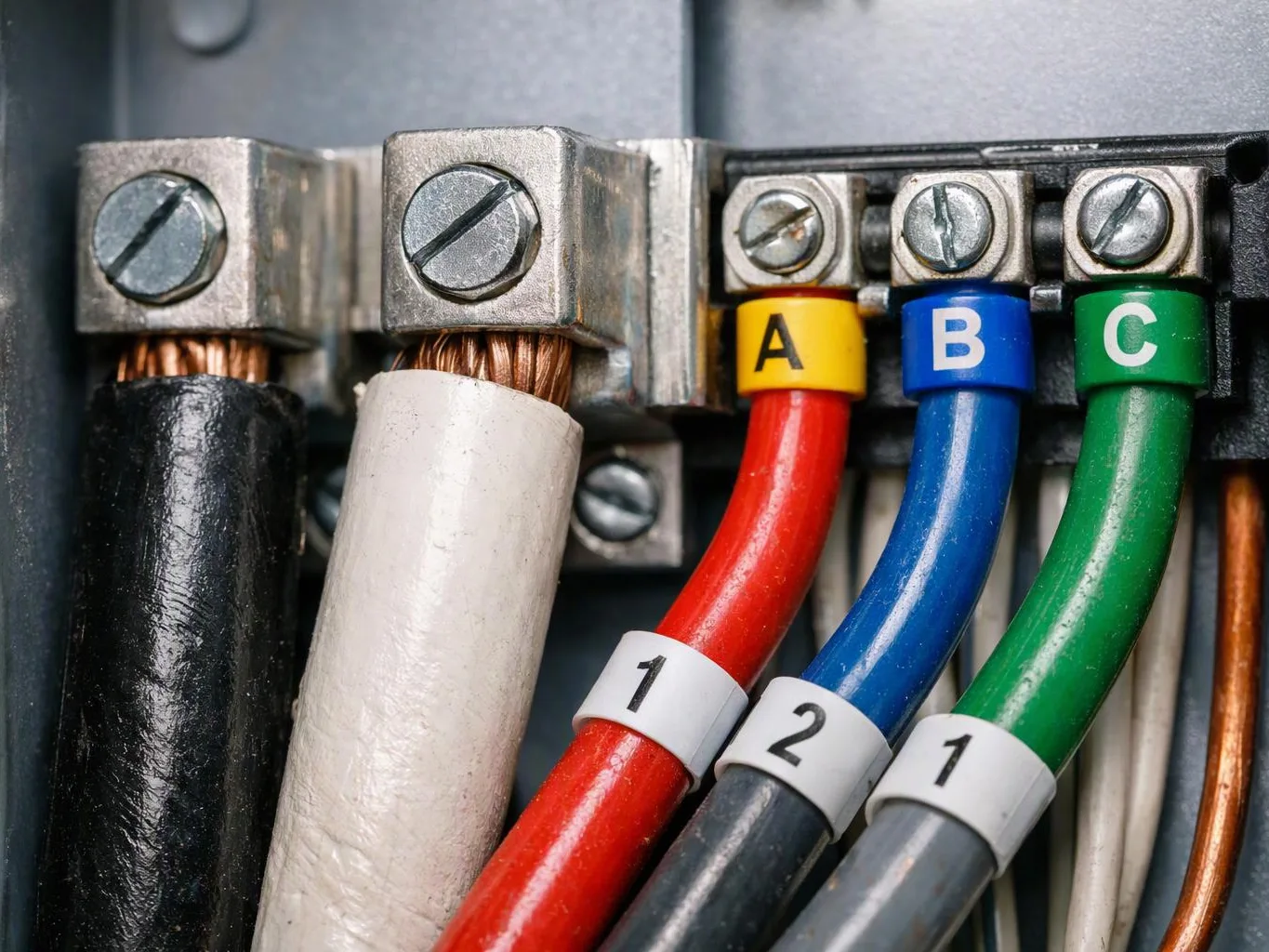
Electrical Panel Replacement Mistakes: What Homeowners Should Avoid
Electrical panel replacement mistakes include choosing an incompatible panel, skipping load calculations, reusing unsafe wiring, overlooking grounding, and failing to verify the finished installation. GMB Electric checks the electrical service, panel compatibility, wiring, grounding, protection, and installation details before completing the work.
Request an Estimate
Why Electrical Panel Replacement Mistakes Matter
Electrical panel replacement mistakes can affect electrical safety, equipment compatibility, inspection outcomes, and future capacity. An incorrect installation can also create code problems, avoidable rework, and unexpected project costs.
GMB Electric reviews the home electrical system before work begins. We check how the electrical panel connects to the electrical service and how the replacement will support present and planned circuit needs.
Mistakes Homeowners Should Avoid During Panel Replacement
Electrical panel replacement is more than removing an old main breaker panel and attaching a new enclosure. The work can involve service capacity, branch circuits, wiring condition, grounding, breaker protection, and electrical code requirements.
Planning errors often happen when the panel is treated as a separate box. We review the complete electrical service so the replacement supports the home electrical system and does not create rework.
Choosing a Panel Without Checking Electrical Compatibility
Panel compatibility means the electrical panel, main breaker, service rating, busbar, and circuit breakers are designed to work together. Choosing a panel from appearance or availability alone can lead to mismatched equipment.
This mistake happens when panel replacement planning does not include the existing electrical service. The correction cost depends on whether the panel, main breaker, busbar, and connected circuits need to be changed.
We confirm the panel listing, service rating, breaker types, and enclosure requirements before installation. Our team selects equipment that fits the electrical service and documents any needed correction.
Skipping a Load Calculation Before the Replacement
An electrical load calculation compares the home’s connected load and demand load with available service capacity. Without that review, a replacement may leave the home with inadequate capacity or an unsuitable service arrangement.
This mistake often occurs when the existing panel is replaced without considering major appliances, heating equipment, additions, or future electrical needs. Correction cost depends on service capacity, equipment changes, and any required electrical service upgrade.
We assess the electrical load before choosing the panel. Our review helps determine whether the project is a panel replacement or needs broader service work.
Treating a Panel Replacement as a Simple Box Swap
A panel replacement can affect the panel enclosure, branch circuits, circuit conductors, conduit, and service entrance conductors. A box swap can leave poor connections, damaged pathways, or conductors that do not fit the new equipment.
This mistake happens when the visible panel is treated as the entire project. Correction cost depends on access, conductor condition, conduit changes, and the connection between the service equipment and branch circuit wiring.
We inspect the enclosure, conductor routing, terminations, and service entrance conductors before finishing the installation. We correct related issues so the panel operates as part of the complete electrical system.
Reusing Damaged or Incompatible Wiring
Damaged wiring can include worn wire insulation, overheated conductors, loose terminations, or wiring that is not compatible with the replacement equipment. Aluminum wiring and older branch circuit wiring require careful evaluation before reuse.
This mistake happens when existing conductors appear long enough to reach the new panel. Correction cost depends on the condition of the insulation, conductor compatibility, circuit routing, and access to the branch circuit wiring.
We inspect conductors and terminations before reconnecting circuits. Our team identifies wiring that needs repair, replacement, or a compatible connection method.
Overlooking Grounding and Bonding Connections
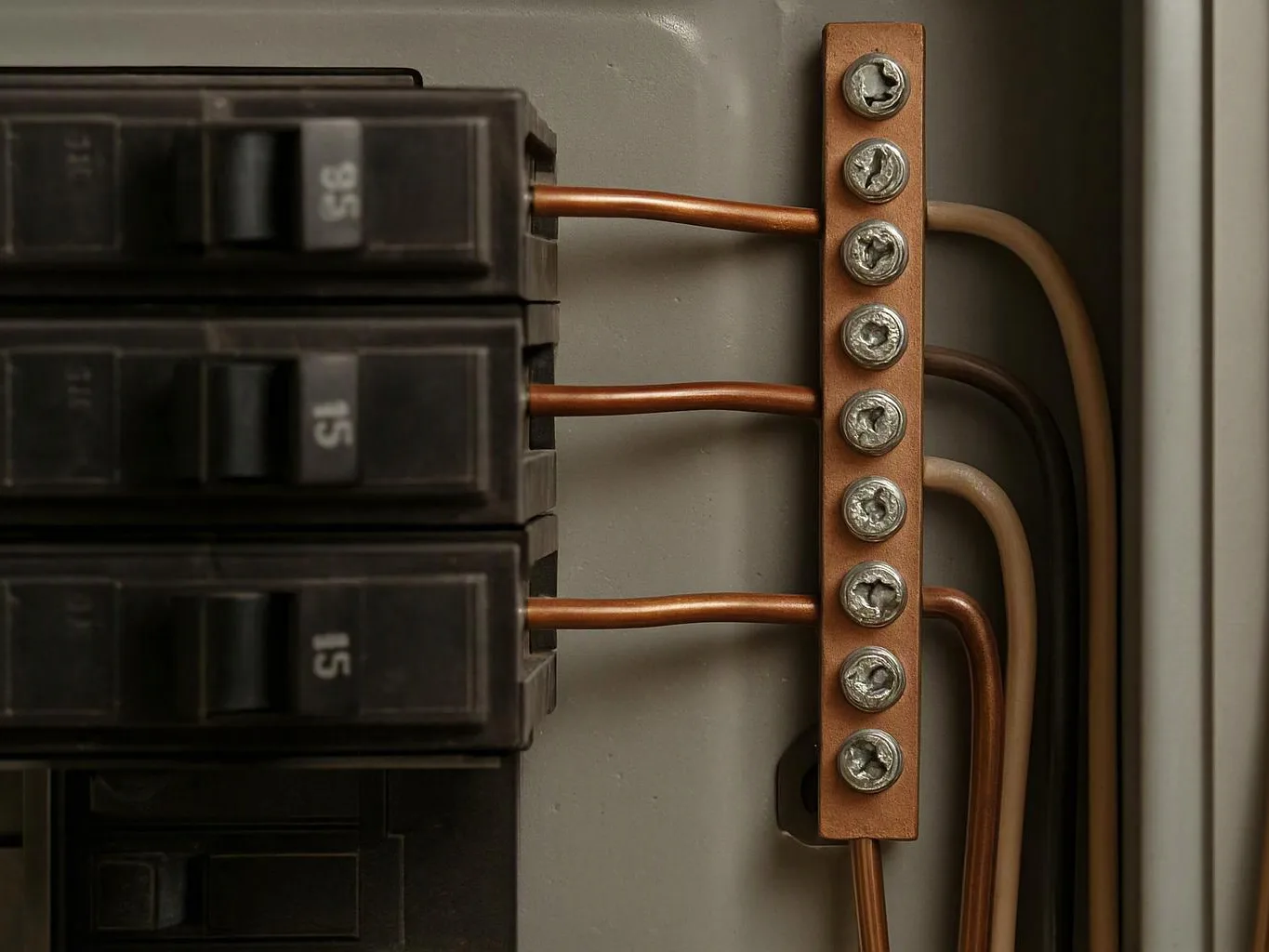
Grounding and bonding provide important paths for fault current and help connect metal electrical components safely. The grounding electrode system, grounding conductor, neutral conductor, and ground bar must be arranged correctly for the equipment.
This mistake happens when attention stays on the breakers and not on the grounding electrode system. Correction cost depends on grounding conductor access, bonding changes, panel configuration, and required code corrections.
We verify grounding connections, bonding points, the neutral conductor, and the ground bar during the replacement. We correct connection issues before the installation is considered complete.
Installing Breakers That Do Not Match the Panel
A circuit breaker must be listed and compatible with the electrical panel where it is installed. Breaker compatibility affects overcurrent protection and may also affect arc-fault protection and ground-fault protection.
This mistake happens when a breaker appears to fit but is not approved for the busbar or panel. Correction cost depends on the breakers involved, circuit protection needs, and any wiring changes required.
We match circuit breakers to the panel and circuit requirements. Our team verifies that each breaker provides the intended protection and fits the panel manufacturer’s approved configuration.
Leaving Circuit Labels Incomplete or Incorrect
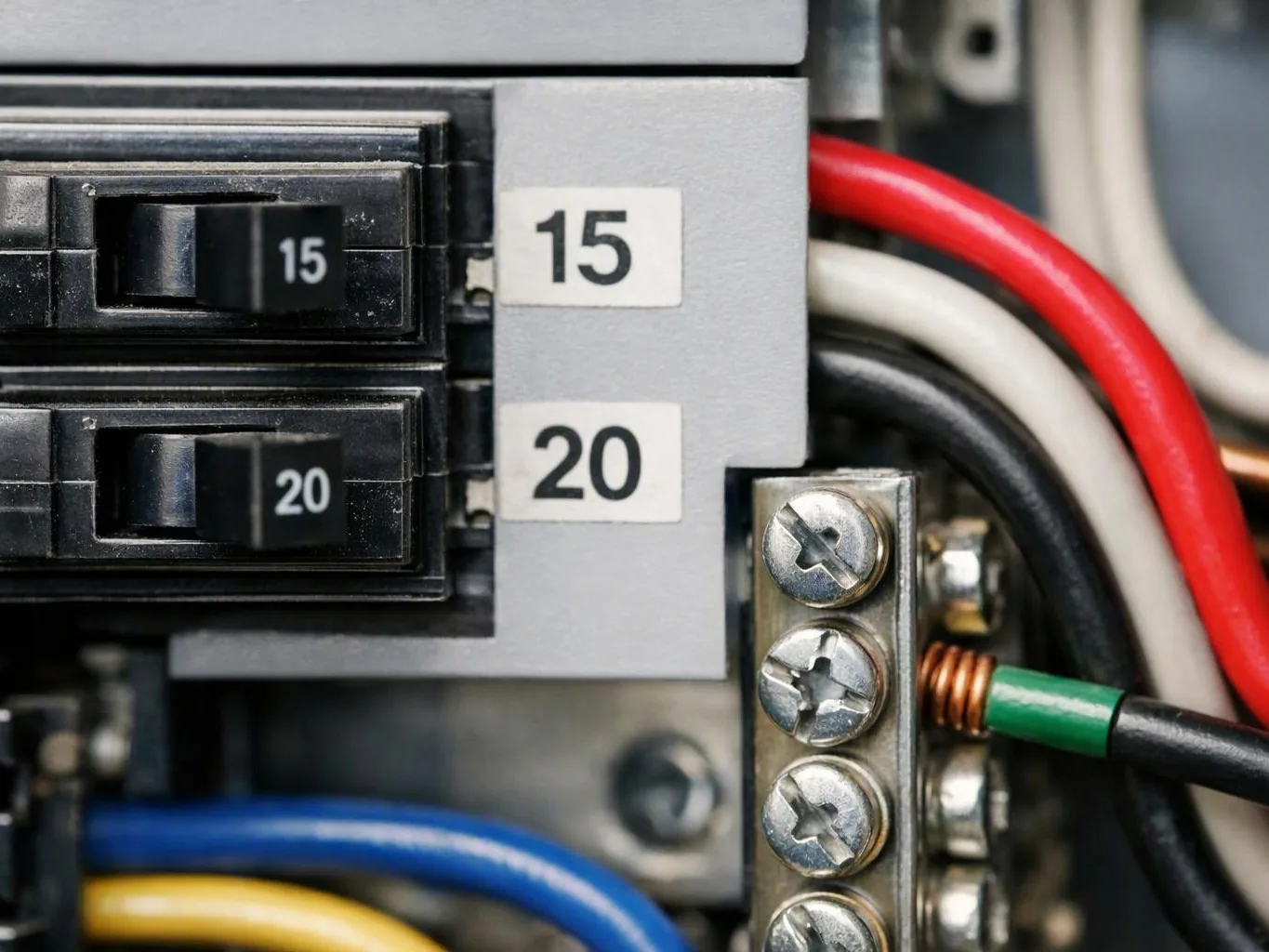
A circuit directory identifies which branch circuit each breaker controls. Incomplete or incorrect breaker labeling can slow electrical troubleshooting and create confusion during an emergency shutoff.
This mistake happens when circuits are labeled from memory or when the panel changes but the directory does not. Correction cost depends on circuit access and the testing needed to identify each branch circuit.
We test circuits and update the circuit directory during the installation. Our team labels breakers based on verified branch circuit identification.
Ignoring Clearance, Access, and Working-Space Requirements
Panel clearance gives people safe access to operate, maintain, and inspect the electrical panel. Storage, finished surfaces, appliances, and other obstructions can limit working space.
This mistake happens when the replacement location is chosen only for convenience. Correction cost depends on the obstruction, relocation needs, wall condition, and accessibility of the electrical room.
We review panel access, working space, and nearby obstructions before installation. We explain access concerns and include related corrections in the project scope.
Skipping Final Testing and Inspection Preparation
Final testing confirms that the installed panel, breakers, conductors, and connections operate as intended. Voltage testing, breaker testing, and installation verification help reveal problems before the panel inspection.
This mistake happens when the panel appears complete and no further checks are performed. Correction cost depends on what testing reveals and whether code corrections or rework are needed.
We complete electrical testing and review the installation before the inspection. Our team checks terminations, circuit operation, labels, protection, and visible installation details.
What Changes the Cost of Correcting a Panel Replacement Mistake?
The cost of correcting an electrical panel replacement mistake depends on panel and breaker compatibility, wiring condition, service capacity, grounding work, access, and required code corrections.
Minor corrections may involve labeling or breaker selection. Larger corrections may involve branch circuit wiring, service entrance conductors, grounding, panel access, or an electrical service upgrade.
We review the existing work and explain the correction scope before proceeding. To obtain an exact quote, contact us with the panel details, visible concerns, and any inspection information available.
Electrical Panel Replacement planning includes reviewing the equipment, wiring, protection, grounding, access, and final verification needed for the project.
How GMB Electric Checks an Electrical Panel Replacement
Our electrical inspection follows the complete path from the electrical service to each branch circuit. We use the findings to define the work and reduce avoidable rework.
When to Call GMB Electric Instead of Doing It Yourself
Electrical panel replacement involves service equipment and can expose you to serious electrical hazards. You can safely gather panel information and keep the work area clear, but panel connections and testing require our team.
How to Prepare for an Electrical Panel Replacement
Homeowner preparation helps us inspect the electrical panel and understand how the home uses electricity. Clear access to the panel and identify major appliances that may affect the electrical load.
Keep storage and other obstructions away from the panel access area. Share information about recent electrical work, recurring breaker trips, unusual heat, or circuits that no longer operate correctly.
Our team uses this information to review electrical circuits, appliance load, panel access, and the project scope before work begins.
Request an Electrical Panel Replacement Quote
Electrical panel replacement quotes depend on the existing equipment, service capacity, wiring condition, grounding, accessibility, and required code corrections. A fuse box replacement, service panel upgrade, or electrical service upgrade may involve different work from a direct panel replacement.
GMB Electric reviews the electrical system and explains the project scope before work begins. Contact us to discuss the panel, visible concerns, inspection findings, and electrical needs at your property.
Contact GMB Electric to request a quote for electrical panel replacement and related electrical service work.
Questions About Electrical Panel Replacement Mistakes
Can an old fuse box be replaced with a breaker panel?
Yes, an old fuse box can be replaced with a breaker panel when the electrical service, wiring, grounding, panel location, and breaker protection support the change. GMB Electric reviews the existing system and identifies whether the project also requires an electrical panel upgrade or electrical service upgrade.
What should be checked before replacing an electrical panel?
An electrical panel replacement requires checking service capacity, panel compatibility, circuit conductors, grounding, bonding, breaker protection, panel clearance, and circuit labeling. We also review the electrical load and visible condition of the service equipment before selecting the replacement panel.
Why do circuit breakers need to match the electrical panel?
Circuit breakers need to match the electrical panel because the breaker must connect correctly to the busbar and provide approved overcurrent protection. Matching also supports required arc-fault protection and ground-fault protection where those protections apply.
What happens if an electrical panel is installed without a load calculation?
An electrical panel installed without a load calculation may not provide suitable service capacity for the home’s connected load and demand load. We complete a load assessment so the panel choice reflects present electrical use and planned equipment.
Can damaged wiring be reused during an electrical panel replacement?
Damaged wiring should not be reused until its insulation, conductor condition, and compatibility are evaluated. We inspect branch circuit wiring and correct damaged or incompatible conductors before reconnecting the circuits.
Related Resources
Electrical Panel Replacement vs. Electrical Panel Upgrade
What It CostsElectrical Service Time and Quote Preparation Guide
Brand vs BrandElectrical Panel Replacement Companies Worth Comparing in Indianapolis (2026)
Brand vs BrandFuse Box Replacement Companies Worth Comparing in Indianapolis (2026)