
What Is Overcurrent Protection?
Overcurrent Protection is a system that limits electrical current when a circuit carries more power than its wiring or equipment can safely handle. Circuit breakers and fuses provide this protection by interrupting the flow of electricity during an overload or short circuit. Proper protection helps prevent conductor damage and reduces fire risk.
Quick Facts About Overcurrent Protection
Category
Electrical safety device
Used for
Limiting excessive circuit current
Common confusion
Different from surge protection
Also called
OCP
Often discussed with
Electrical Panel Upgrade
Key Takeaways About Overcurrent Protection
- Protection responds to overloads and short circuits.
- A breaker must match the circuit conductors and intended load.
- Overcurrent protection is not the same as surge protection.
How Overcurrent Protection Works
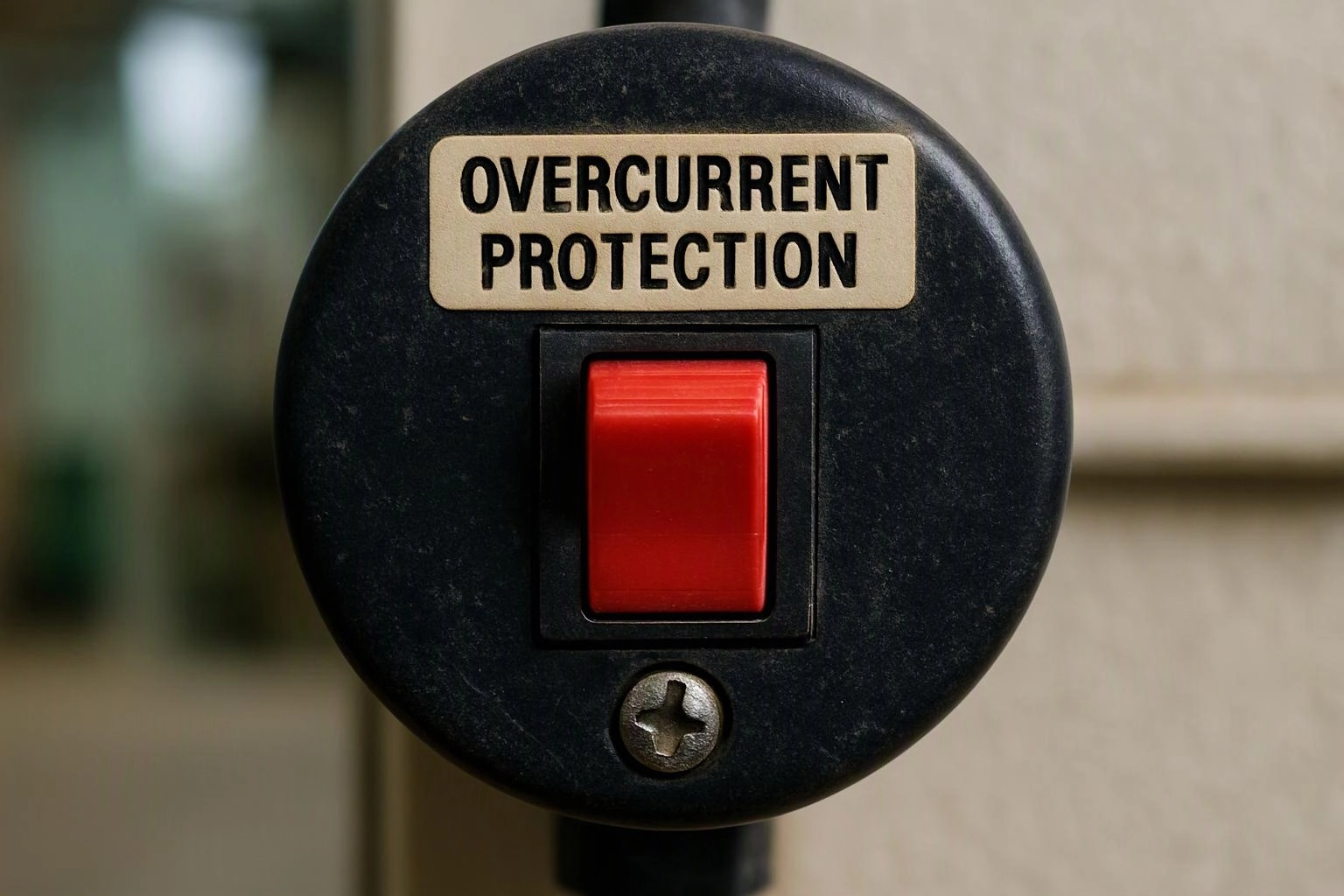
Overcurrent Protection works by opening a circuit when current rises beyond the level the circuit can safely carry. A circuit breaker senses an overload or short circuit and trips open. A fuse performs a similar task by melting its internal element and stopping current flow.
Related glossary terms: Circuit Breaker, Panelboard, Electrical Load Calculation.
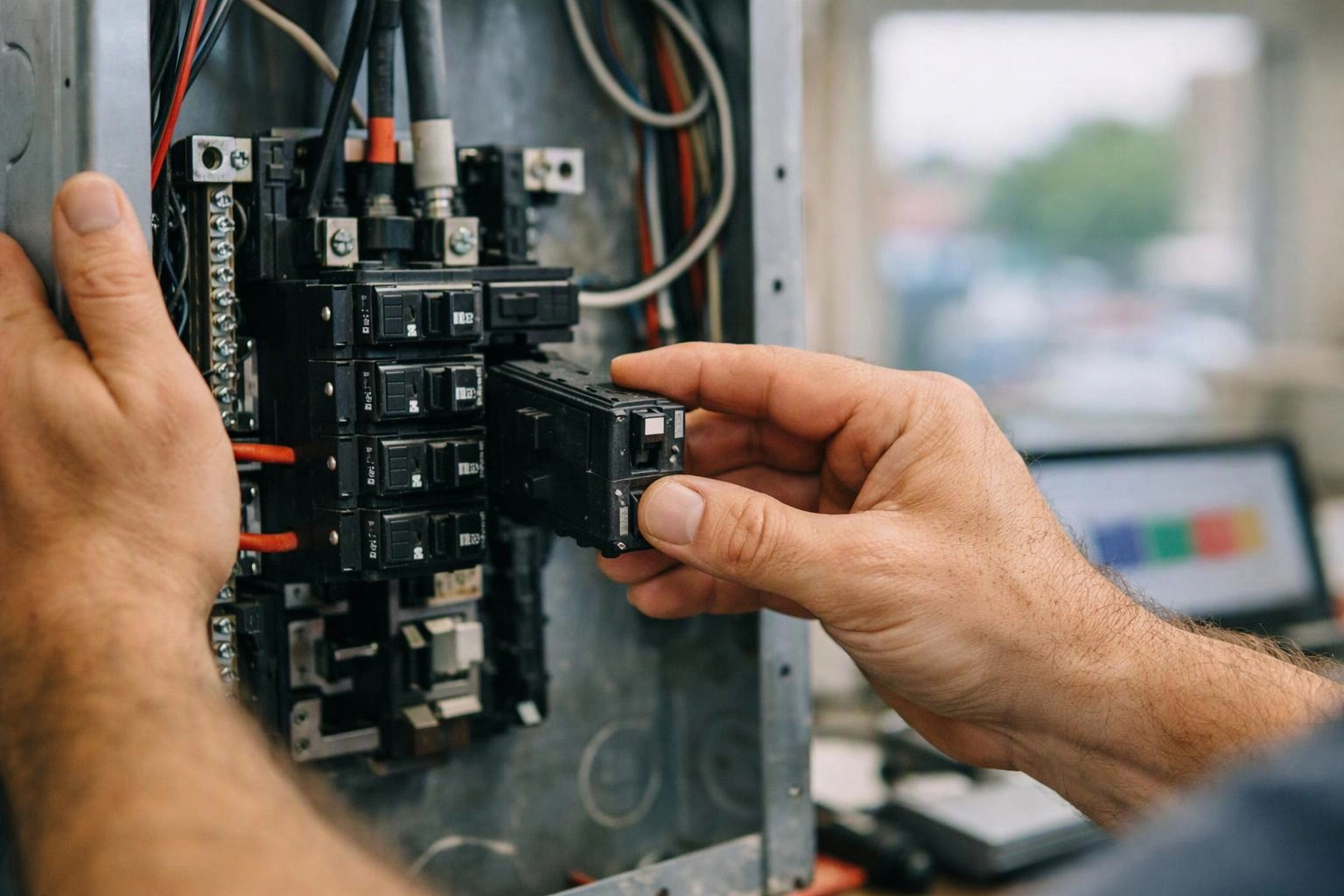
During an electrical panel upgrade, the protective device must correspond with the circuit wiring, panel design, and connected load. A breaker that trips repeatedly may indicate an overloaded circuit, a short circuit, or a problem with connected equipment. Resetting the breaker without finding the cause does not correct the underlying condition. Overcurrent protection also differs from a Surge Protective Device, which limits brief voltage spikes instead of sustained excessive current.
From the GMB Electric team
When we assess overcurrent protection during a panel upgrade, we review the breaker arrangement, conductor sizes, and connected loads. We also look for mismatched devices, repeated tripping, and panel conditions that could affect reliable circuit protection.
Overcurrent Protection in Practice: A Real-World Example
During an electrical panel upgrade, a kitchen circuit may have a breaker that trips when several appliances operate together. We check the circuit load and wiring before selecting compatible overcurrent protection for the upgraded panel.
Related Services
Related Terms
Circuit Breaker
A Circuit Breaker is a resettable electrical switching device that opens a circuit when current exceeds…
Panelboard
A panelboard is an electrical enclosure that holds circuit breakers, busbars, and connection points for distributing…
Electrical Load Calculation
Electrical Load Calculation is a structured estimate of the electrical demand created by a building’s circuits…
Voltage Drop
Voltage Drop is the reduction in electrical voltage that occurs as current travels through a conductor…
GMB Electric
Have Questions About Overcurrent Protection?
Contact GMB Electric for practical guidance on Overcurrent Protection and related 24 hour electrician work in Indianapolis.