How can a damaged outlet be repaired?
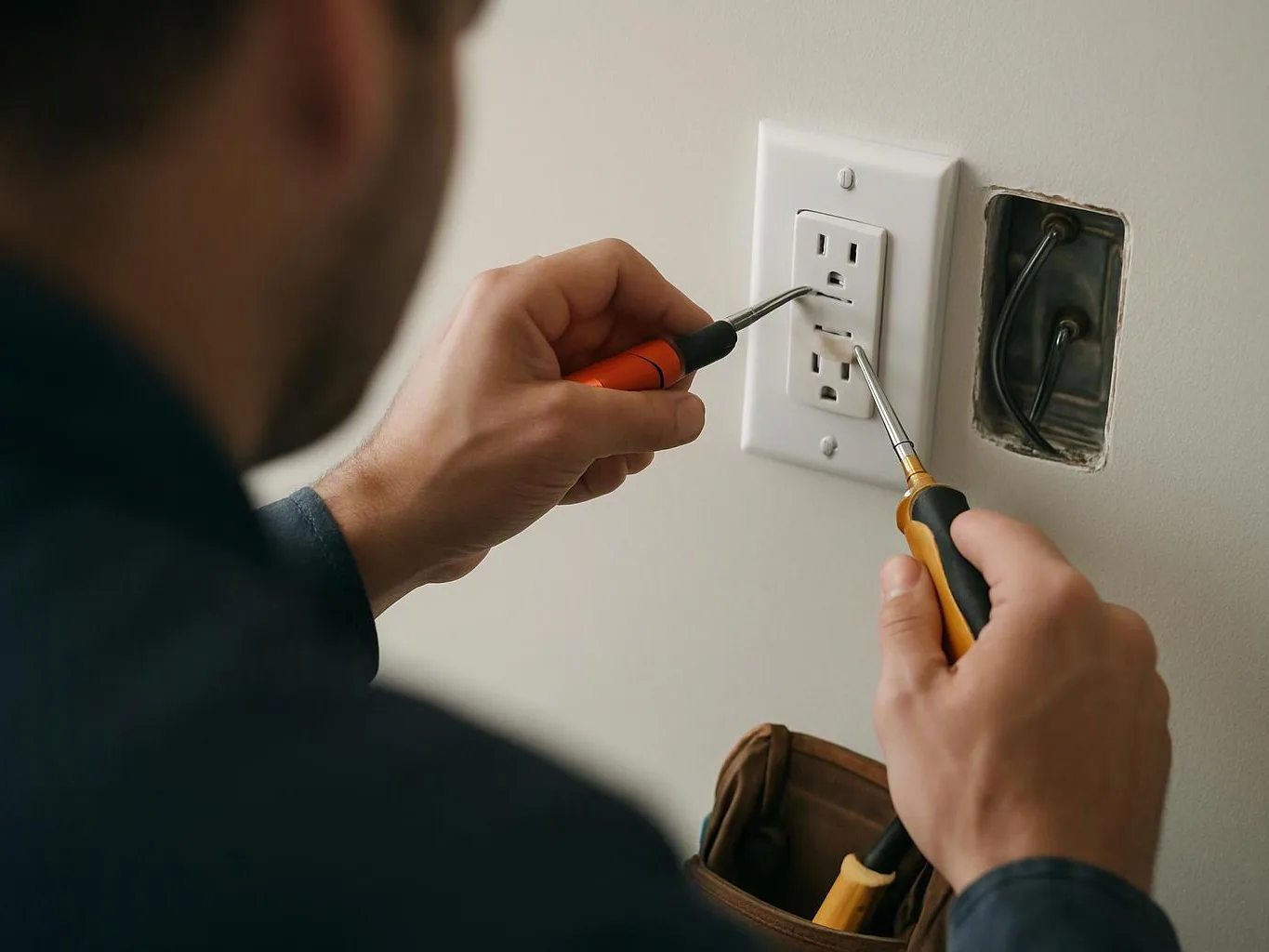
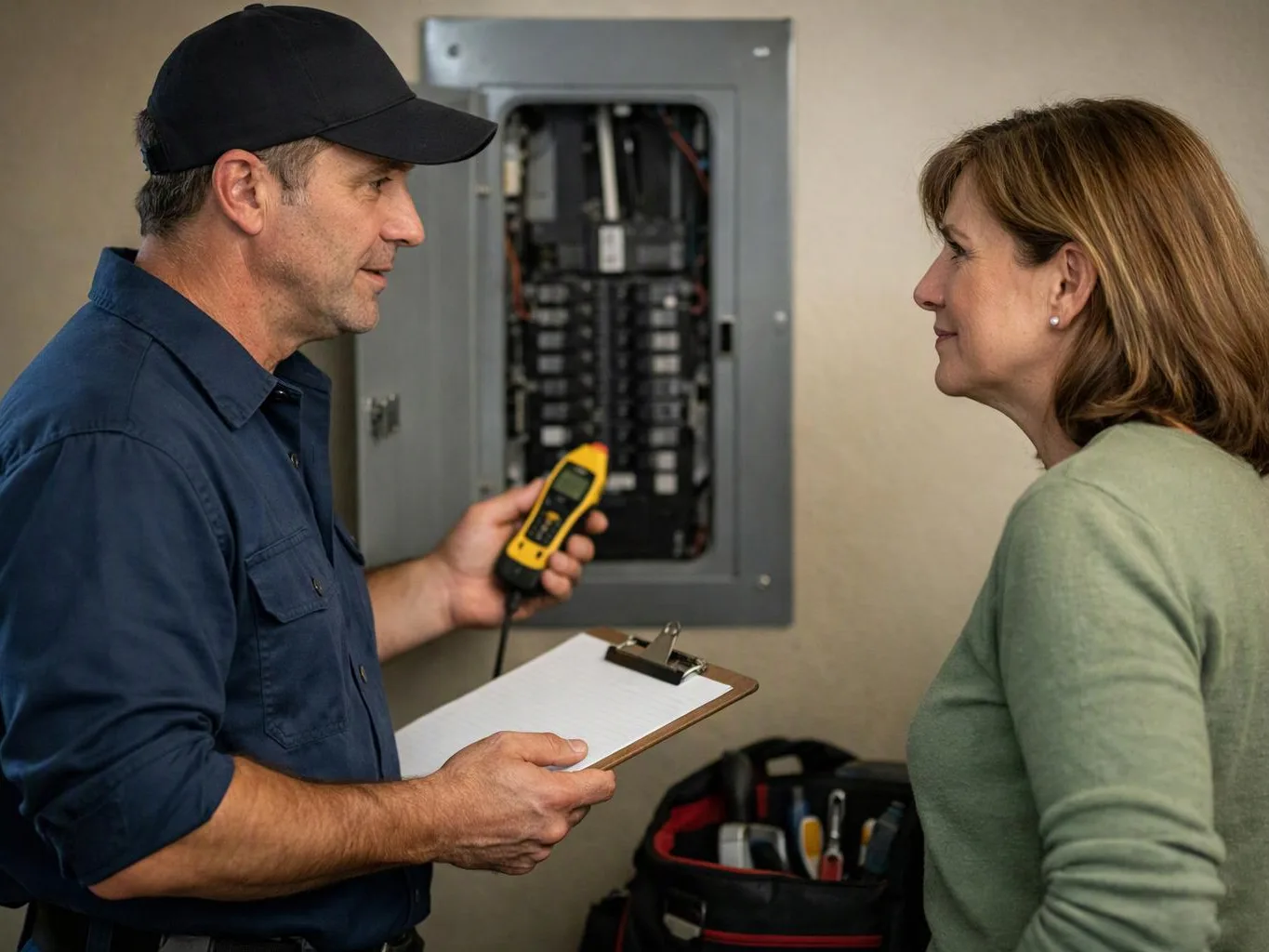
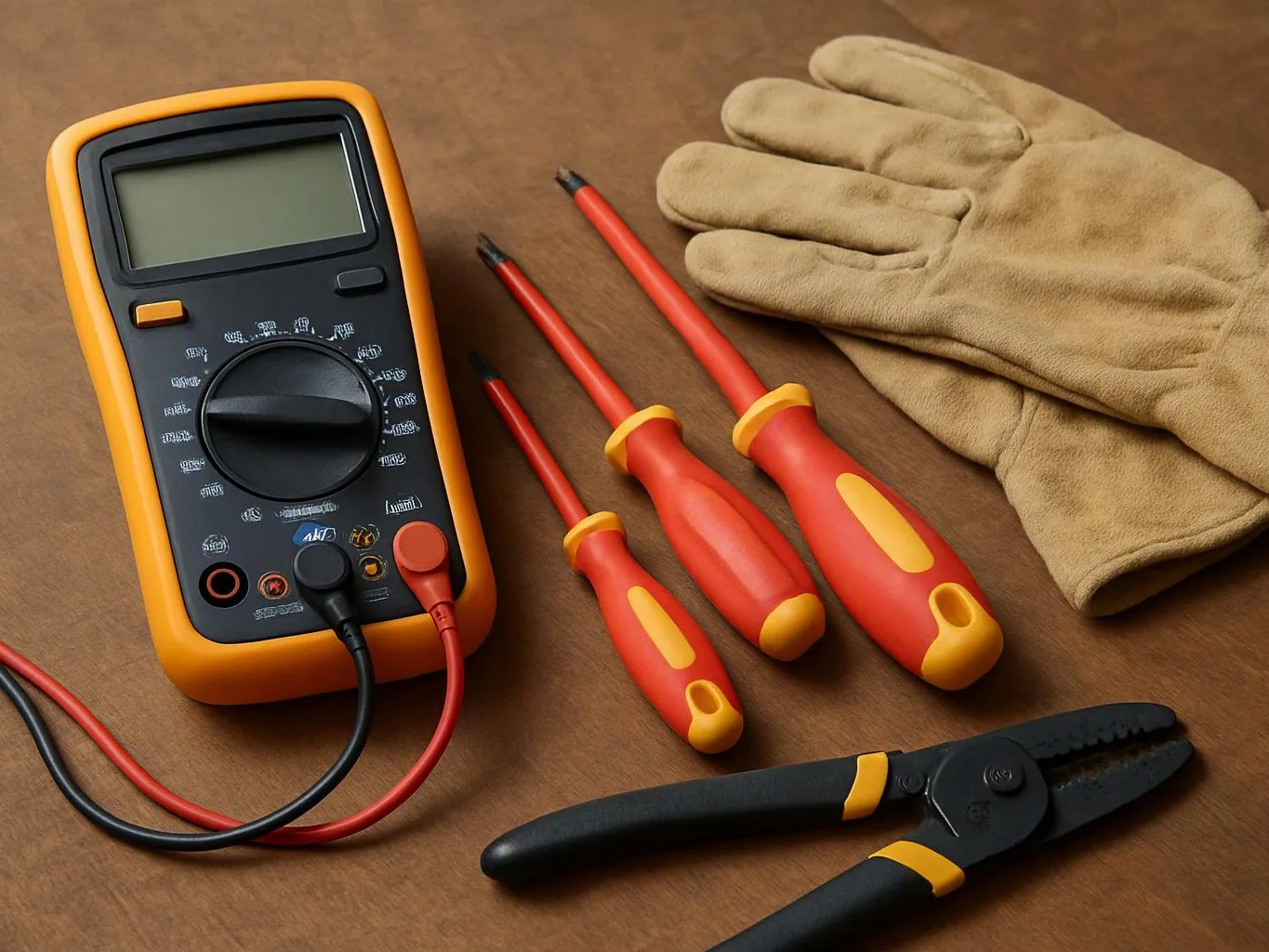
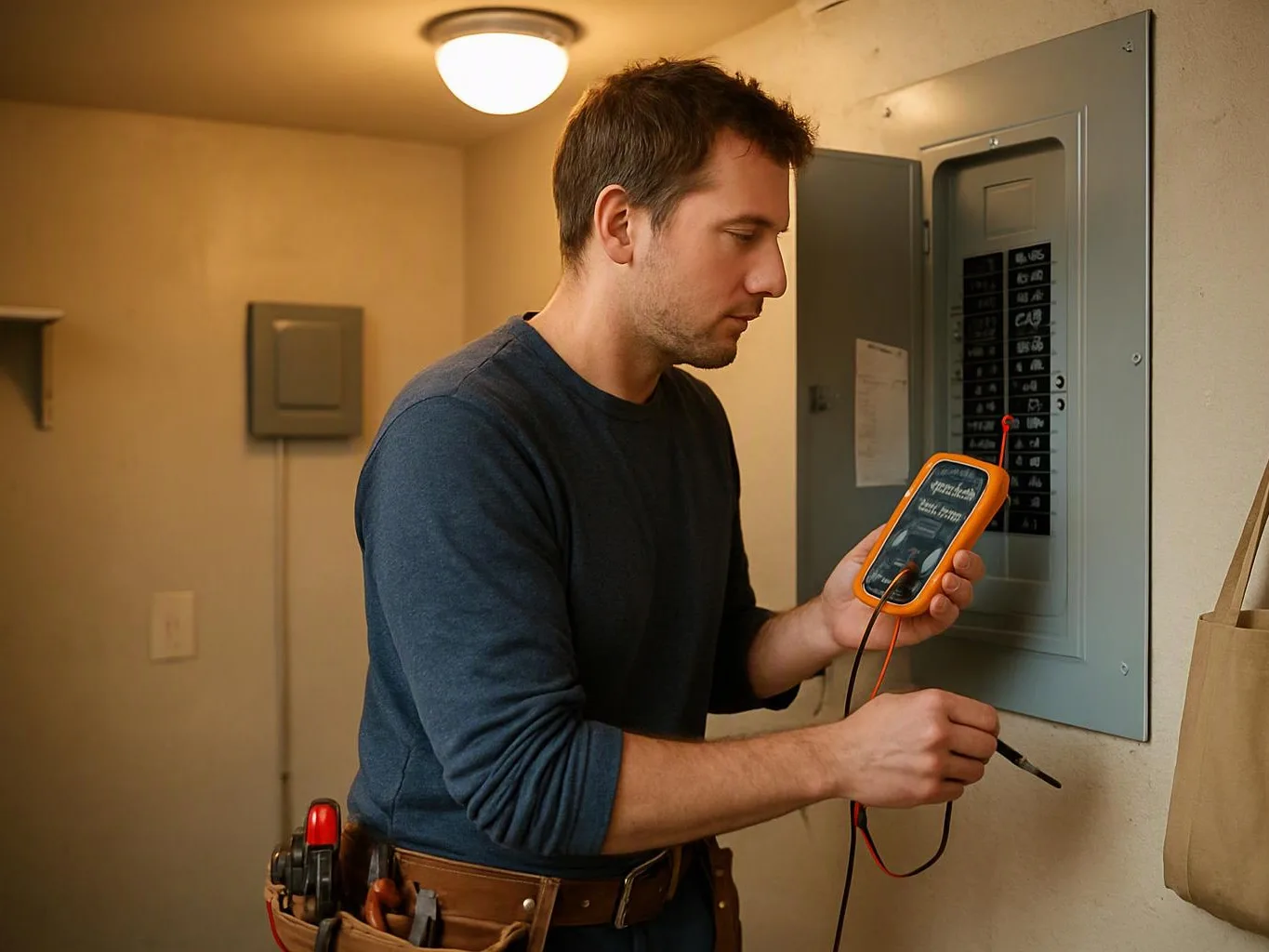
GMB Electric repairs a damaged outlet by checking terminal tightening, testing voltage, inspecting the box, and replacing the outlet when needed. The first step is to stop using the outlet if it feels warm, sparks, or smells burned. We then explain whether the fault stays at the receptacle or requires wider circuit troubleshooting.
What should I ask before agreeing to outlet repair?
The repair scope should identify the outlet fault, the parts checked, and whether the box or circuit needs more work. Ask whether voltage testing and box inspection are included in the assessment. We explain the recommended repair, replacement need, and quote before work proceeds.
Which property condition changes the repair work?
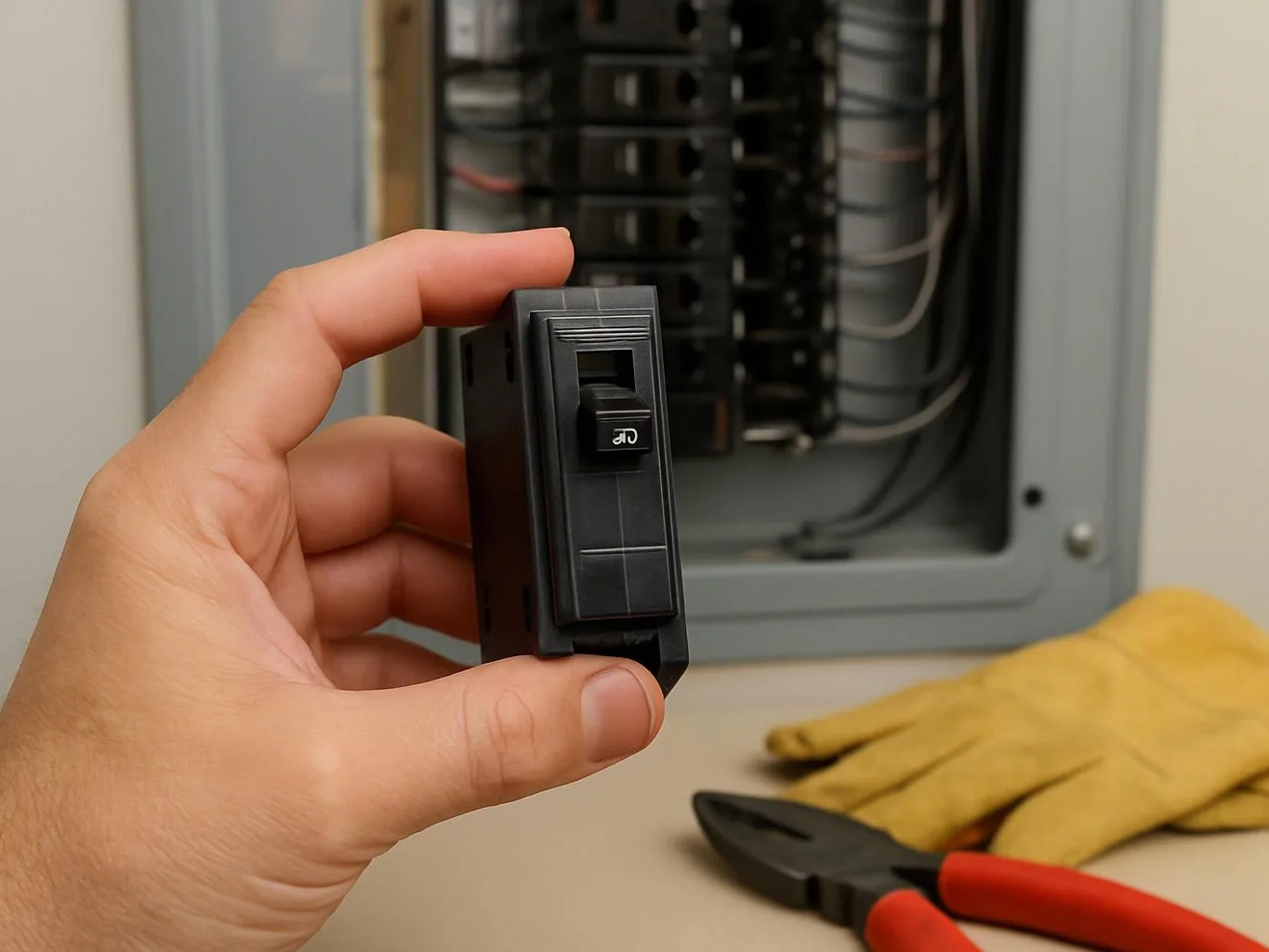
A loose box, damaged wiring, heat marks, or limited access can change the repair work. These conditions affect whether we can tighten a connection or need to replace parts and inspect the circuit. We identify those conditions during the outlet and box check.
When should I stop using a faulty outlet?
Stop using an outlet when it sparks, smells burned, feels warm, buzzes, or shows visible damage. Those signs can point to heat or a failing connection. We inspect the outlet, box, and related circuit before deciding on repair or replacement.
Why does a repaired outlet still lose power?
A repaired outlet can still lose power when the fault lies elsewhere in the circuit. We check voltage, the breaker, nearby connections, and circuit continuity when the outlet itself is not the source. Repeated trips or several dead outlets call for broader troubleshooting.
How is outlet repair matched to the property before work starts?
The property match comes from the outlet type, box condition, wiring, circuit load, and how the receptacle is used. We inspect those parts before choosing tightening or replacement. Homes and businesses may also need different access planning around furnishings, equipment, or normal operations.
What information helps with an outlet repair request?
The most useful details are the outlet location, what stopped working, and whether the breaker trips. Photos can show cracks, discoloration, or a loose faceplate, but they do not replace testing. Tell us about warmth, buzzing, sparks, or a burning smell when you request the assessment.