Where should GFCI outlets be installed on bathroom walls?
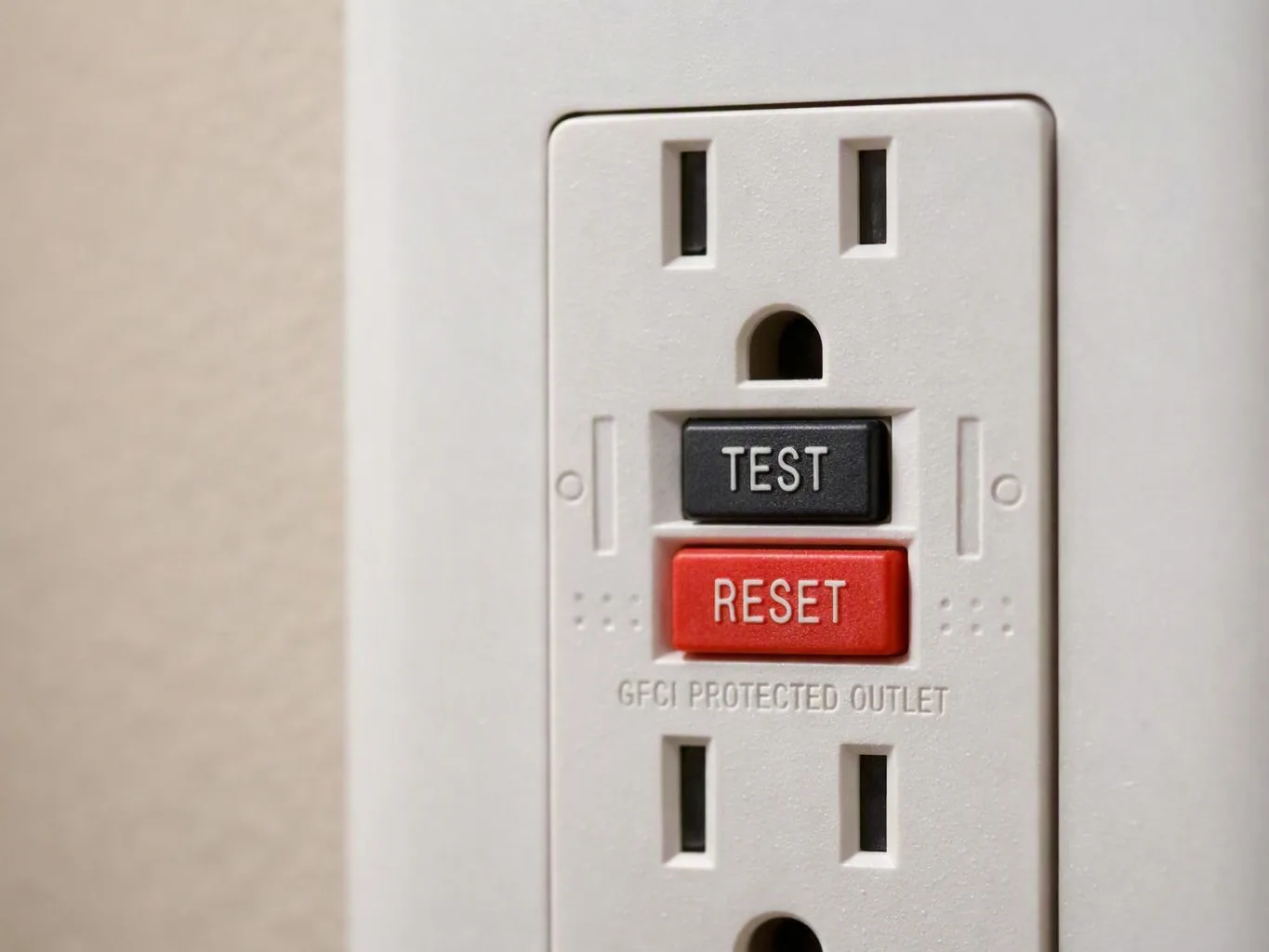
Bathroom walls should have GFCI protection at receptacles serving areas where moisture may be present. We review the planned outlet location, box, wiring, grounding, and nearby fixtures. Replacement may require access to the wall, while adjustment may only require work at the existing box. GMB Electric sets the scope after checking those conditions.
What does the crew look at first during outlet installation?
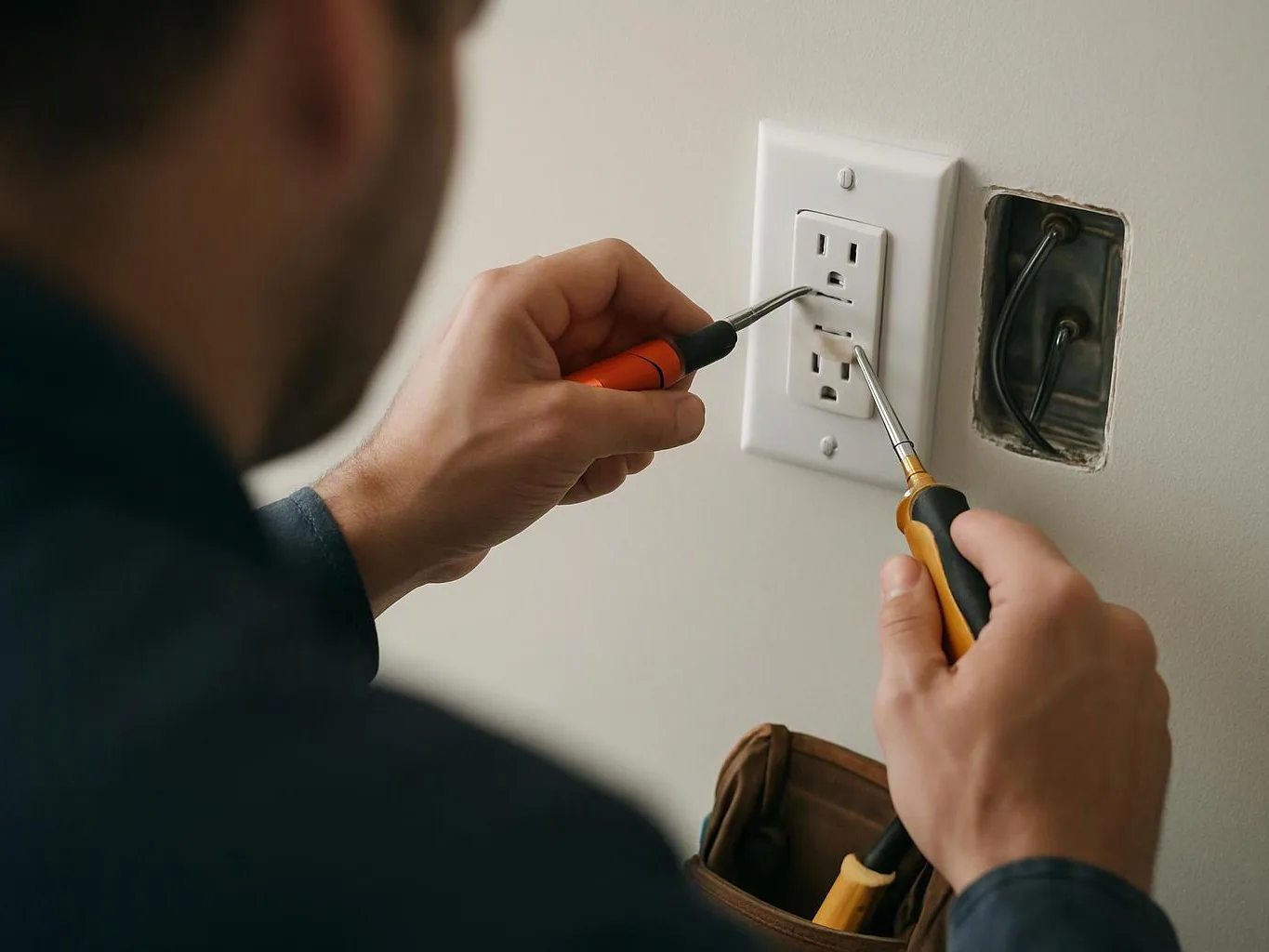
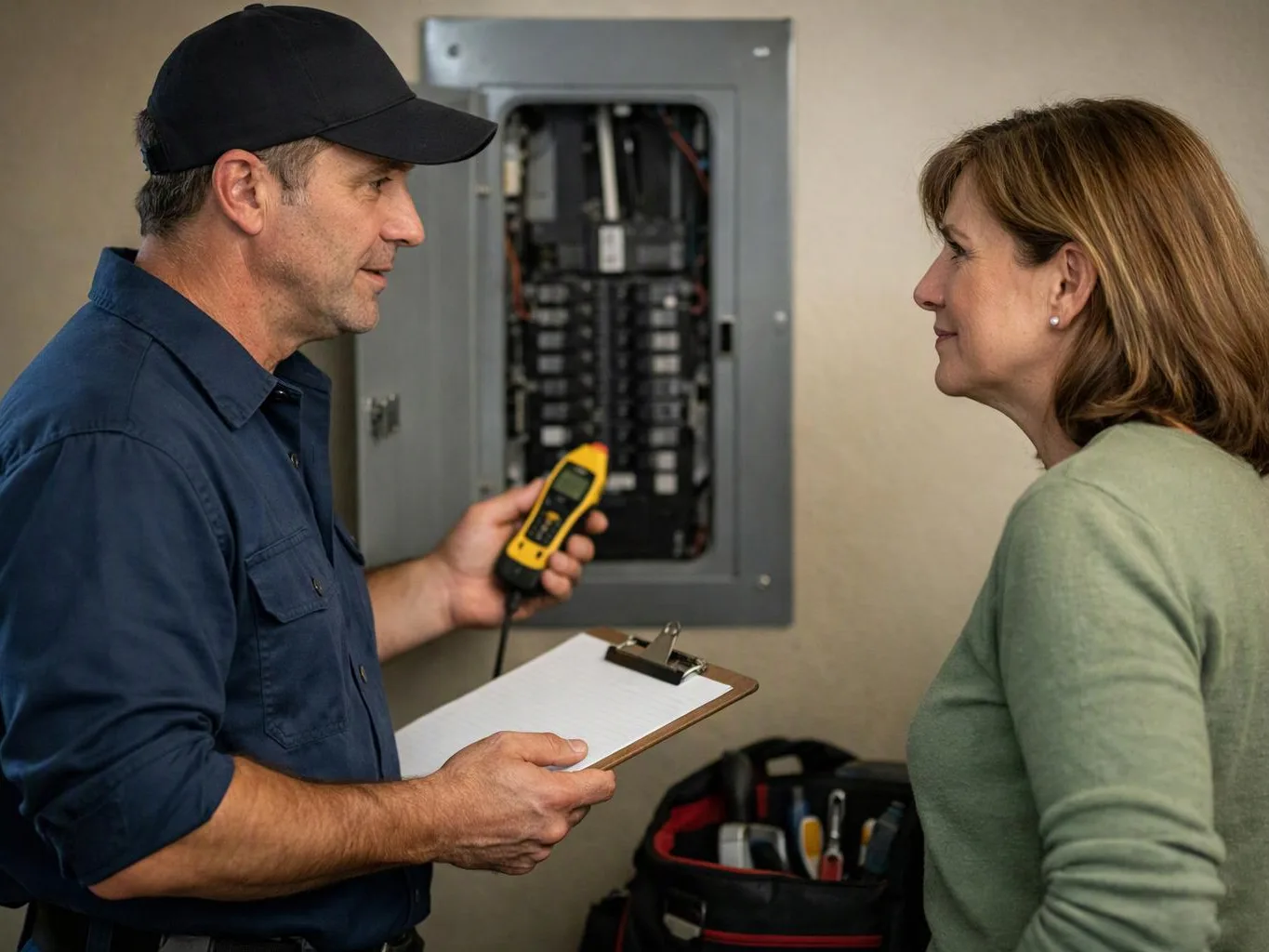
The outlet location and existing electrical box come first during installation. We then check the conductors, grounding, circuit condition, and connected load. Those findings show whether the receptacle can be replaced directly or whether circuit troubleshooting is needed. This check also helps us identify access concerns before the work begins.
Which check should happen before installation is scheduled?
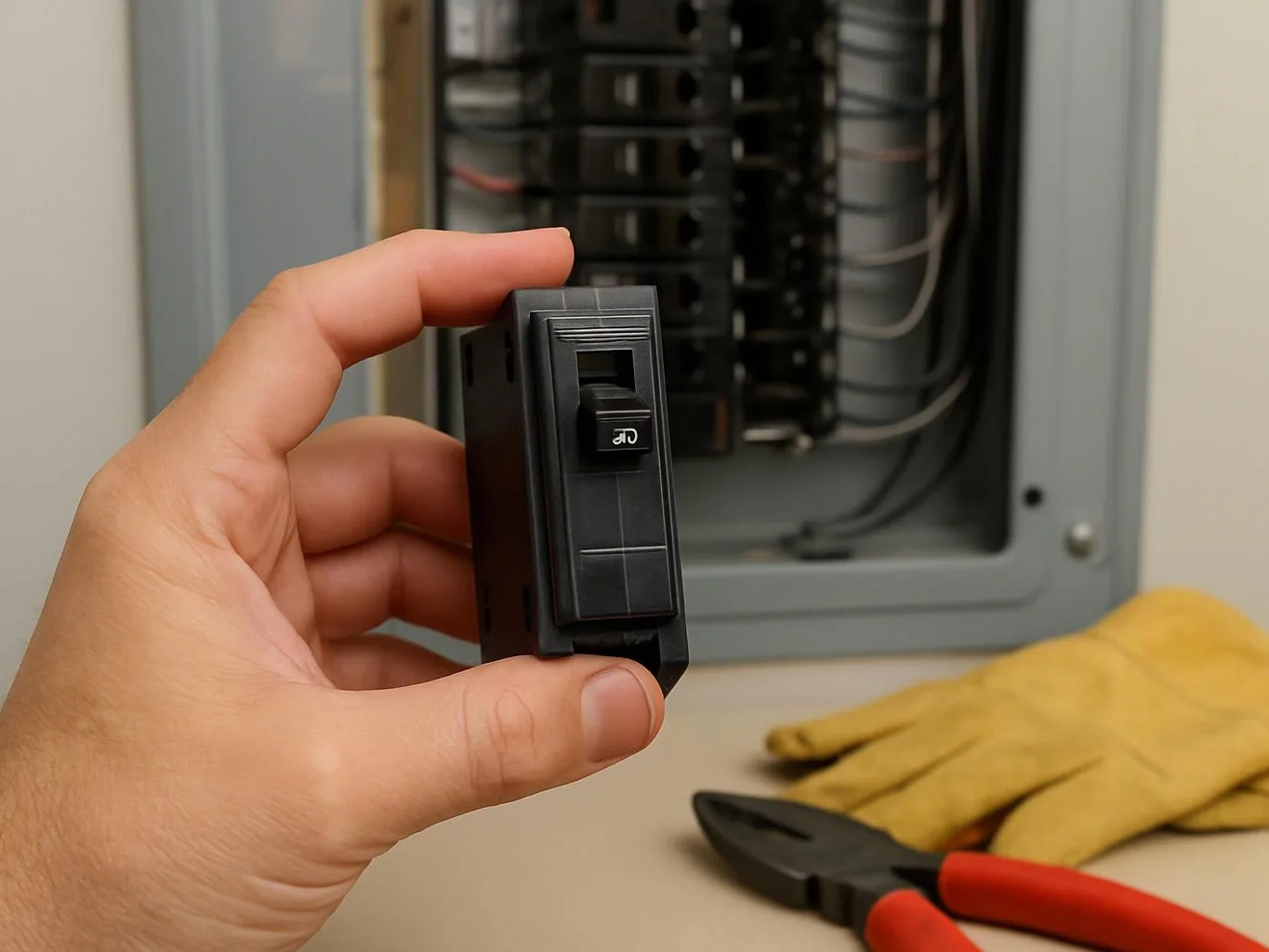
The planned location, outlet purpose, circuit condition, and wiring access should be checked before scheduling. A photo of the receptacle can help describe the issue, but we still inspect the box and connections before setting the final scope. A damaged, warm, or sparking outlet should remain unused until we assess it.
Who is a good fit for GFCI outlet installation?
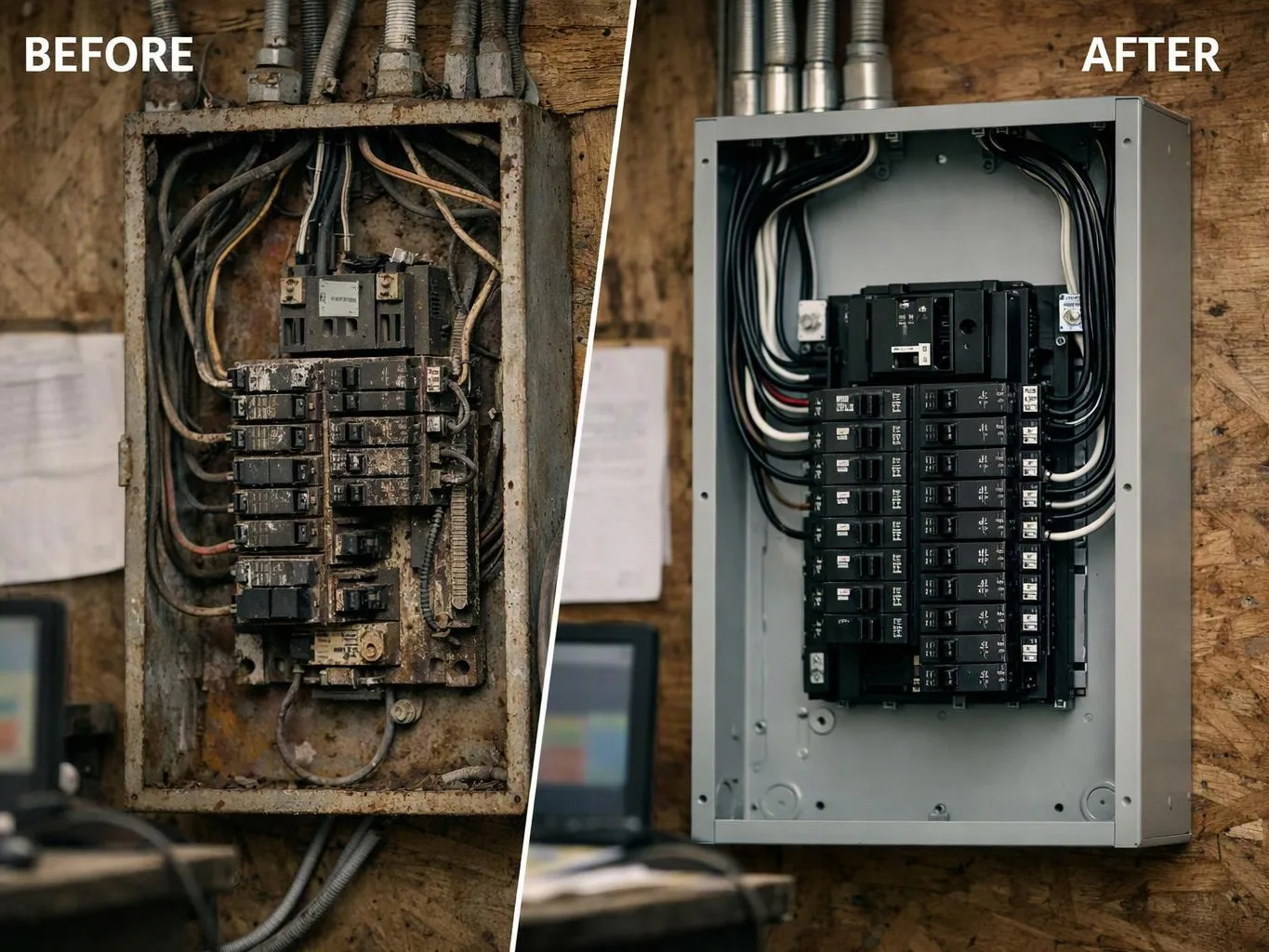
Homeowners and business owners who need protected receptacles in wet areas or during electrical improvements are good fits. GMB Electric installs and tests the outlet after checking the circuit. A panel fault, damaged service wiring, or wider circuit problem needs a different electrical service.
How do kitchen counter outlets differ from outdoor receptacles?
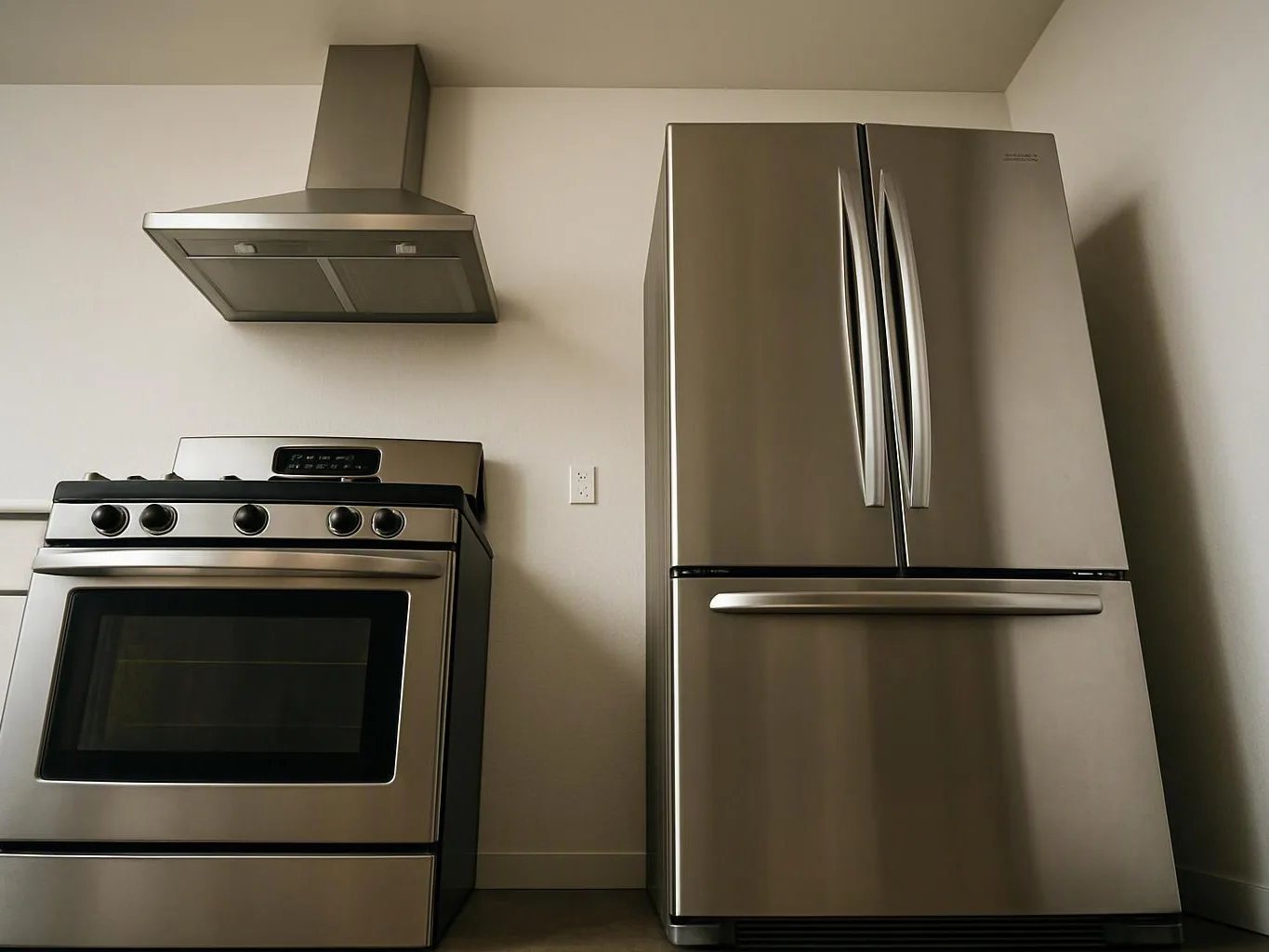
Kitchen counter outlets serve indoor appliance use, while outdoor receptacles face weather exposure and access concerns. We inspect each box, circuit, cover, wiring path, and connected load before choosing the work. The location changes the installation details, but both areas require careful GFCI testing.
When should I request outlet repair instead of installation?
Outlet repair fits when the existing device or connection has a fault but the location and circuit remain suitable. We inspect dead outlets, loose connections, warm plates, and failed test functions before deciding. A new location, remodel change, or missing protection may call for installation instead.
Why does an outlet need circuit troubleshooting before replacement?
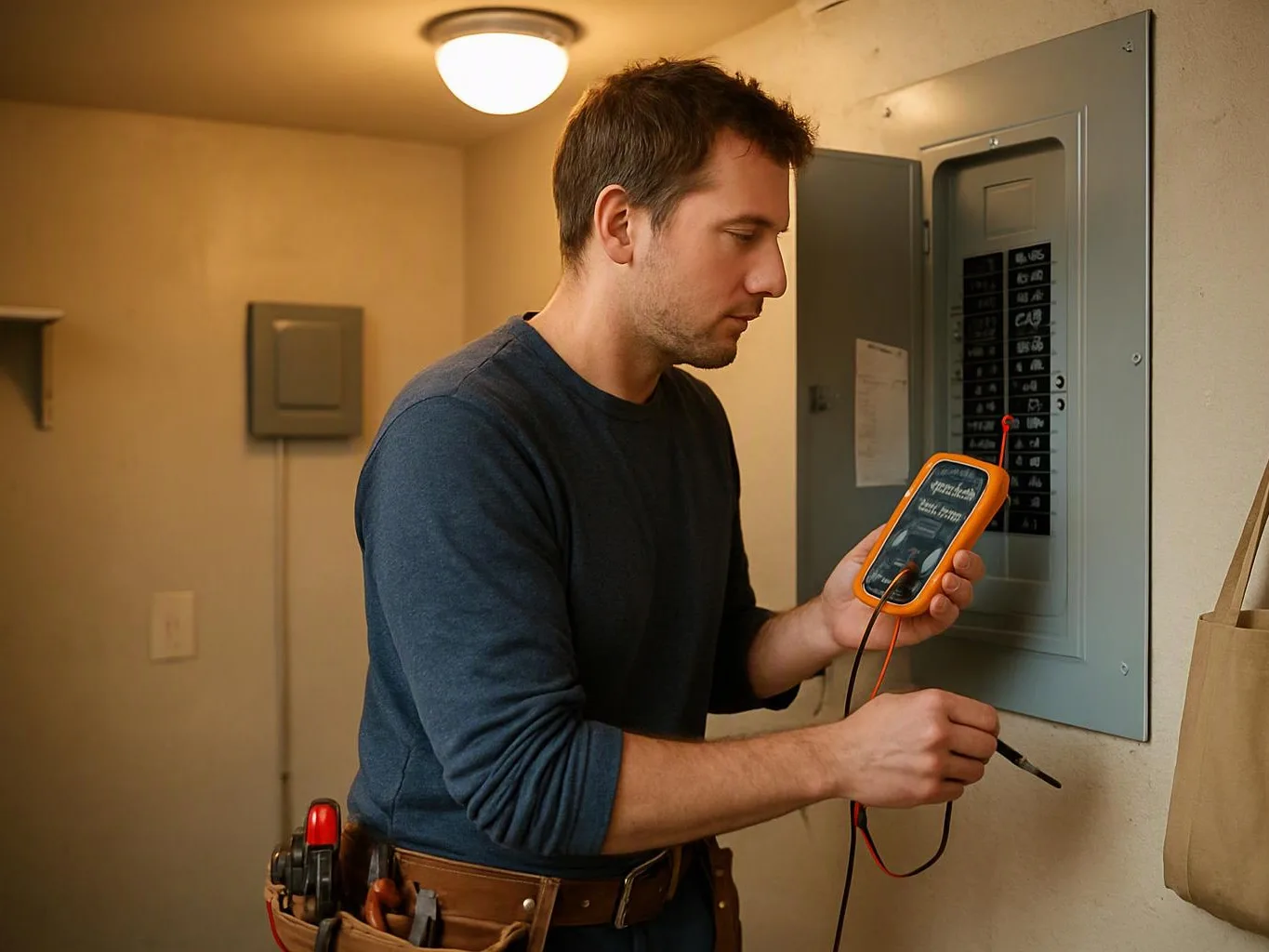
Circuit troubleshooting is needed when the outlet symptom may come from wiring, grounding, overload, or another connected device. Replacing the receptacle alone will not resolve a fault elsewhere. We isolate the concern, inspect the circuit, and explain whether outlet work or broader electrical repair fits.