How can I identify a damaged electric vehicle charging connector?
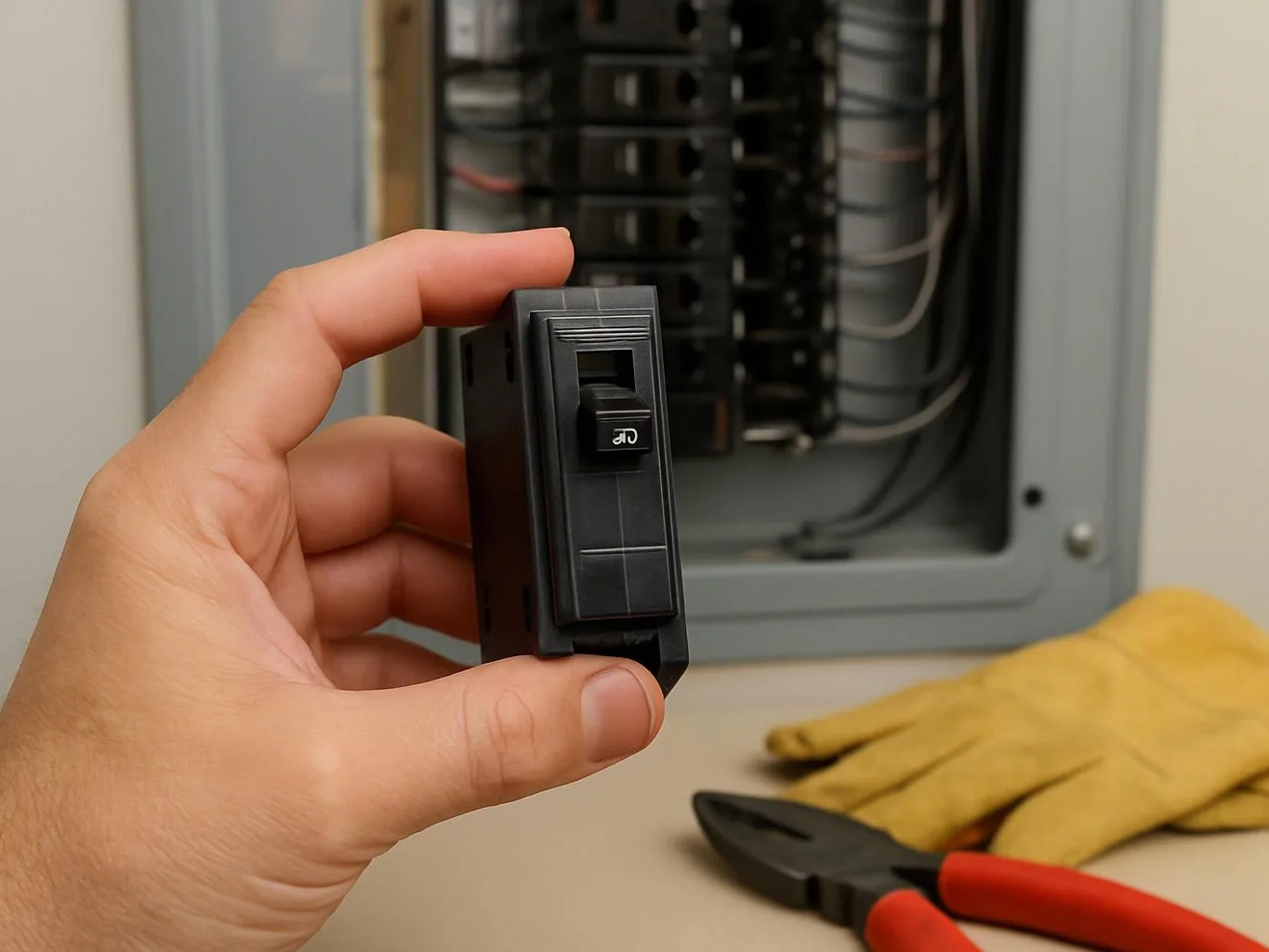
Loose contacts, bent pins, cracks, heat marks, and moisture show that an EV charging connector needs inspection. GMB Electric checks the connector, cable, charger, and supply circuit before repair. Stop using the charger if you see sparking, melting, or visible damage.
What should I do before requesting an electrical assessment?
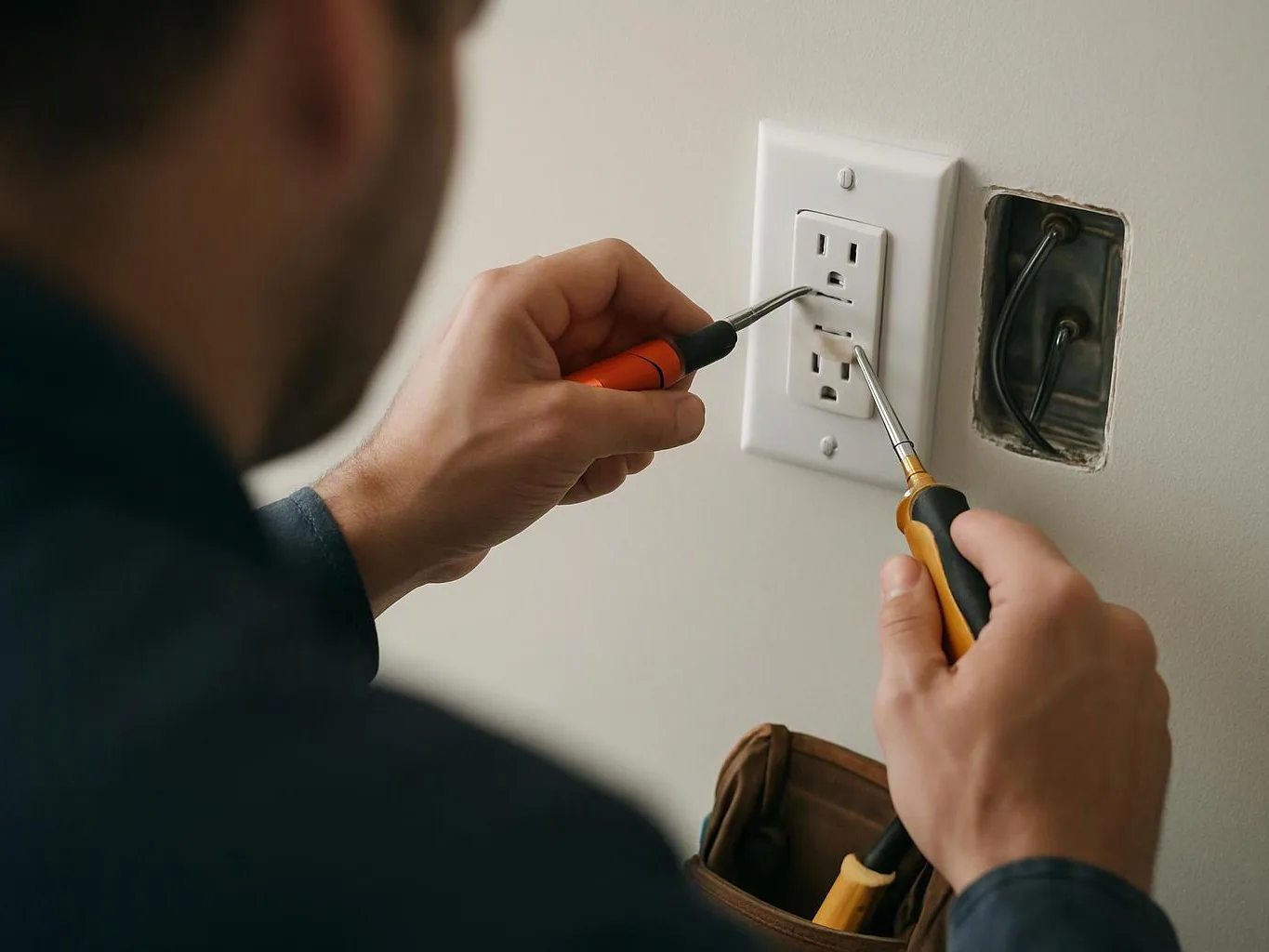
The safest first step is to stop charging and keep the damaged connector unplugged. Take clear photos of the plug, cable, charger, and panel if safe to do so. Do not bend pins back or open the charger, because those actions can worsen the fault.
Which part of the property decides the repair scope?
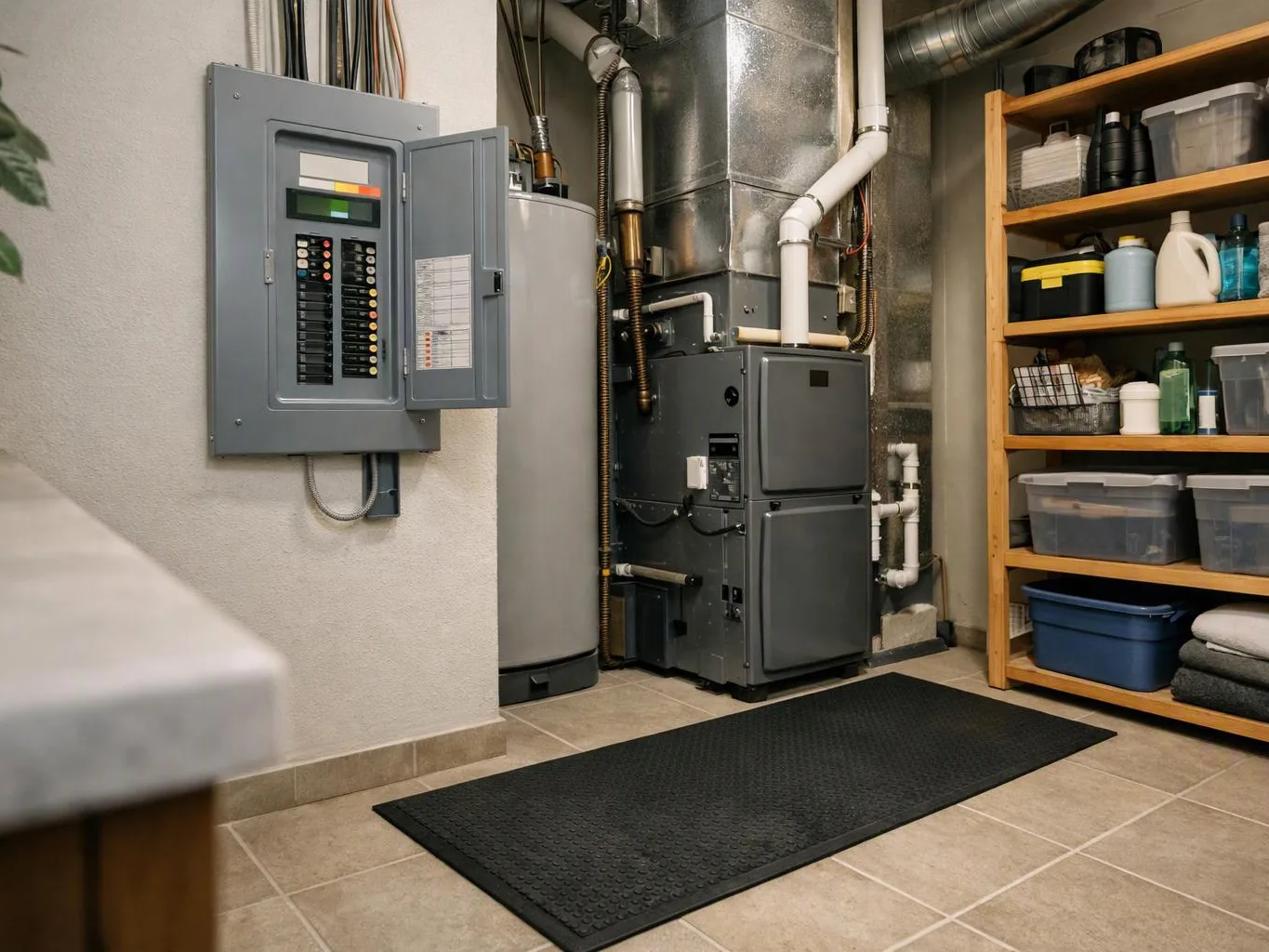
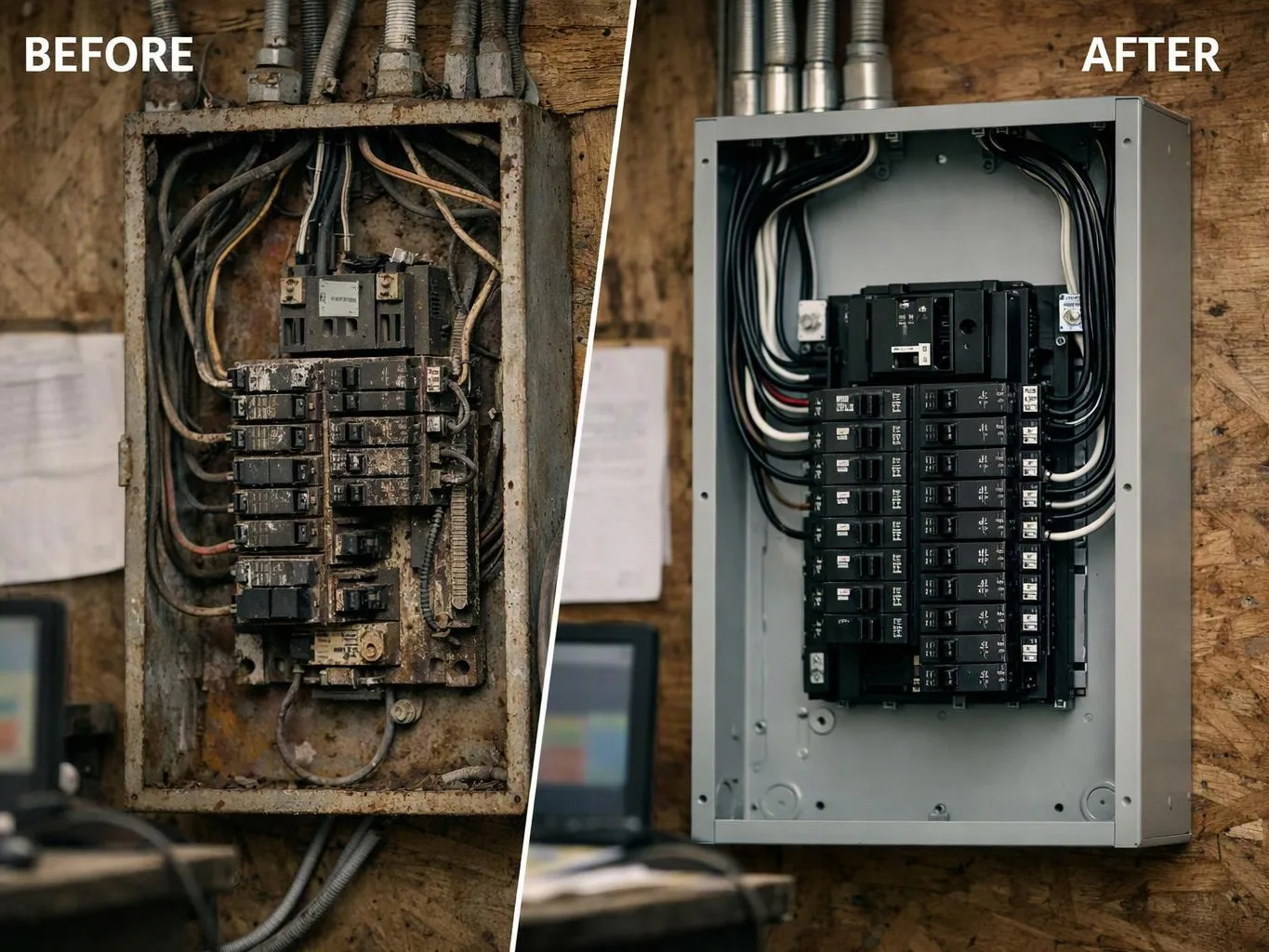
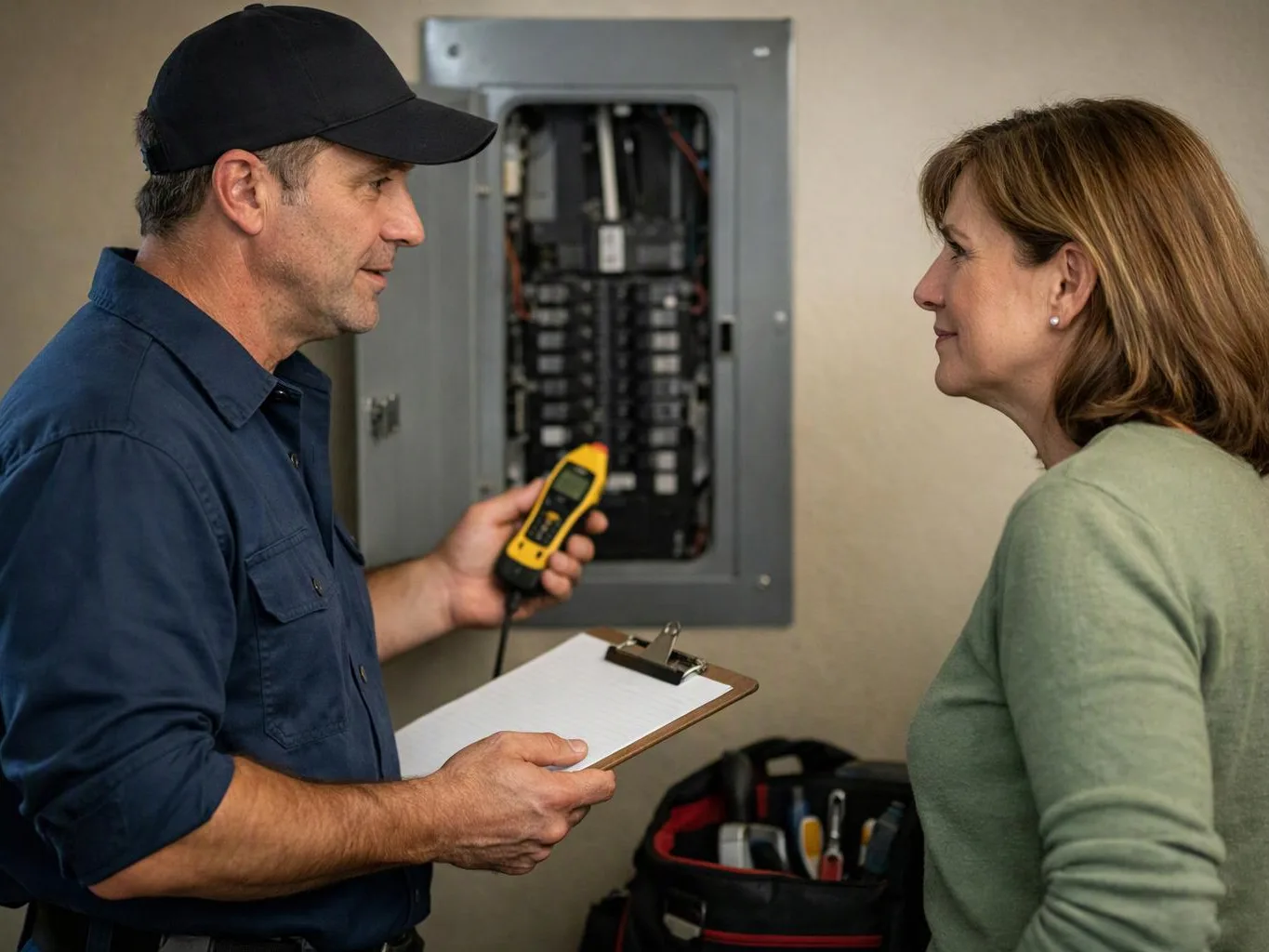
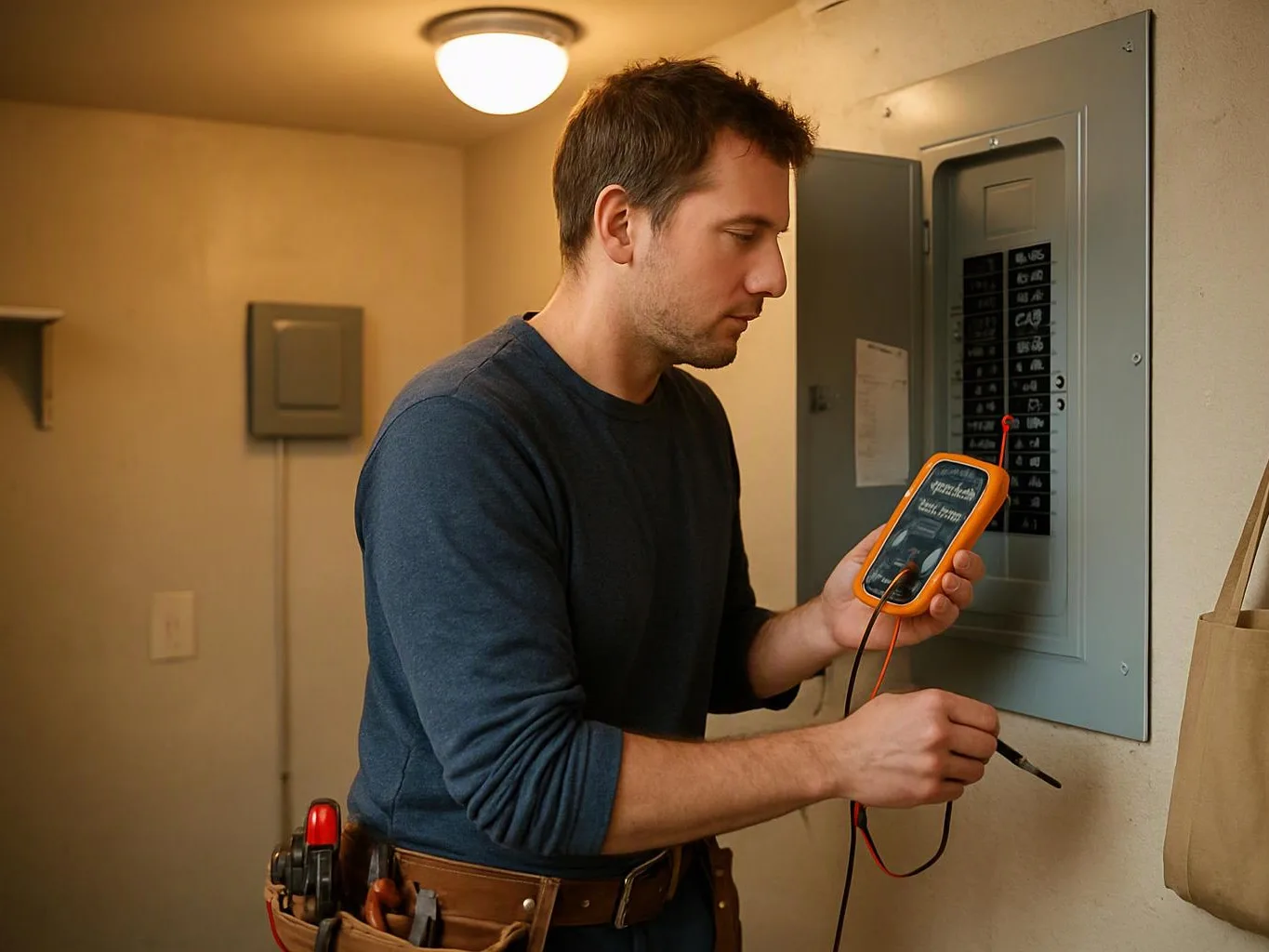
The charging circuit and electrical panel often decide the repair scope. Panel capacity, breaker condition, wiring, grounding, access, and the charger location all affect the work. Our team checks those points before separating a property-side fault from a vehicle-side fault.
When does a charging connector fault become urgent?
A charging fault becomes urgent when the connector sparks, smells burnt, feels hot, shows melted plastic, or trips the breaker. Shut down charging if you can do so safely. We isolate the electrical path and inspect the damaged parts before testing.
Can this service repair a vehicle-side charging inlet?
Vehicle-side inlet repairs belong with an automotive service provider. We inspect the property charger, connector, cable, circuit, breaker, grounding, and panel connection. That check helps identify whether the fault starts in the building electrical system or inside the vehicle.
How does a charging repair visit move from the first call to the last step?
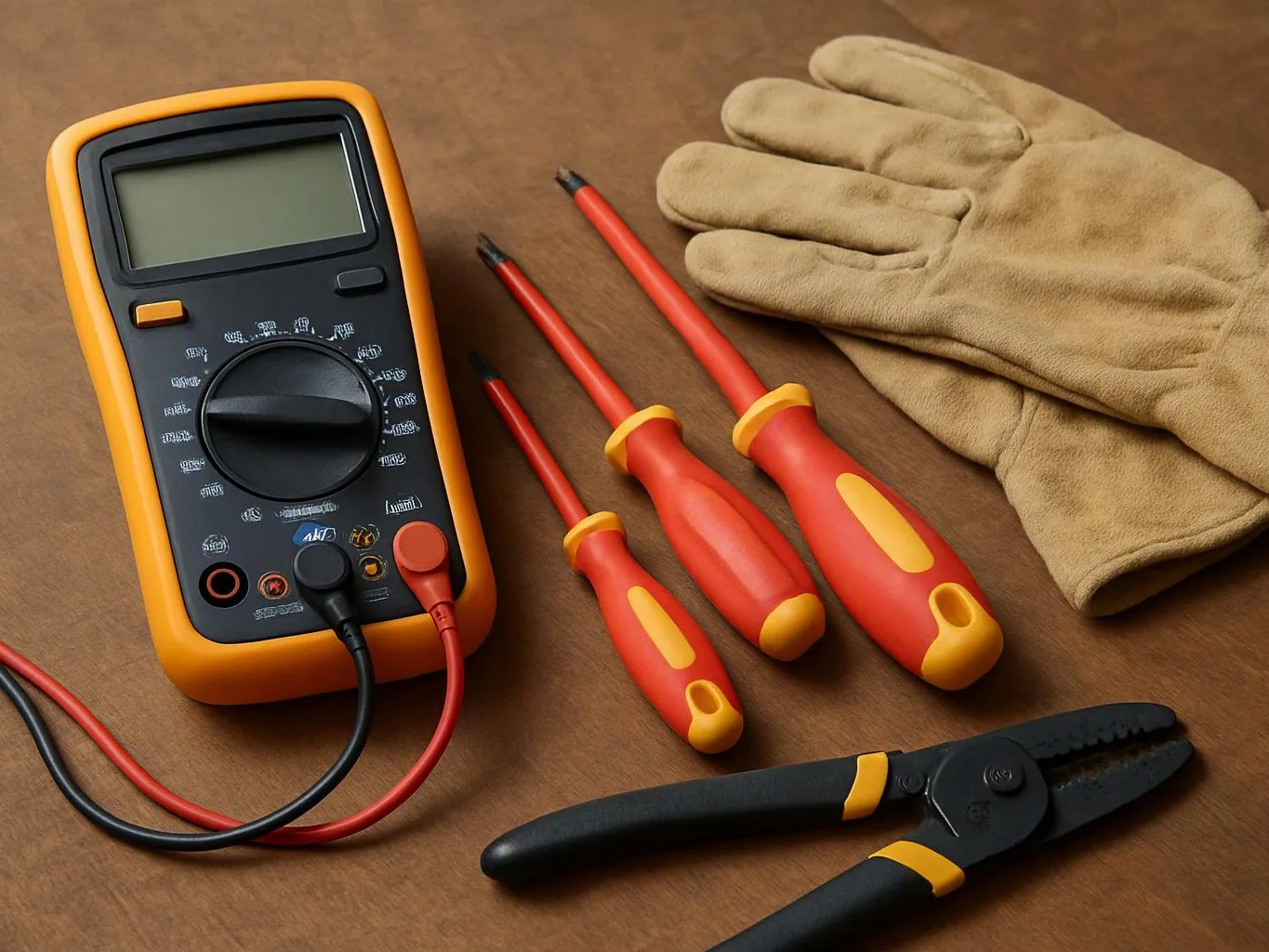
The visit starts with the reported symptom, moves through isolation and inspection, and ends with testing and a repair decision. We check the connector, cable, charger, circuit, and panel connection in that order when access allows. A free estimate follows the inspection before approved work begins.
How can I tell whether a property is suitable for EV charging equipment?
A property fits the equipment when its panel, wiring, grounding, and available circuit capacity support the charger. We review those points and complete a load calculation when needed. An electrical upgrade may be required if the existing supply cannot support the charging load.